Generac generator installation Royal Oak, MI
A power outage can interrupt heat, refrigeration, sump pumping, internet access, security equipment, and the routines that keep a home comfortable. Executive Electric provides a practical starting point for property owners researching Generac generator installation Royal Oak, MI, with service coordinated from its location at 20504 Hall Rd, Clinton Township, MI 48038. A professionally planned standby power system can restore selected or whole-home electrical functions automatically when utility power fails.
Choosing a generator is more than selecting a unit by brand or appearance. The electrical load, fuel source, installation location, transfer equipment, local requirements, and the circuits you want protected all affect the design. Executive Electric can help you move from a broad need for backup power to a clearer conversation about the equipment and electrical work your property may require.
What a standby generator system does for your property
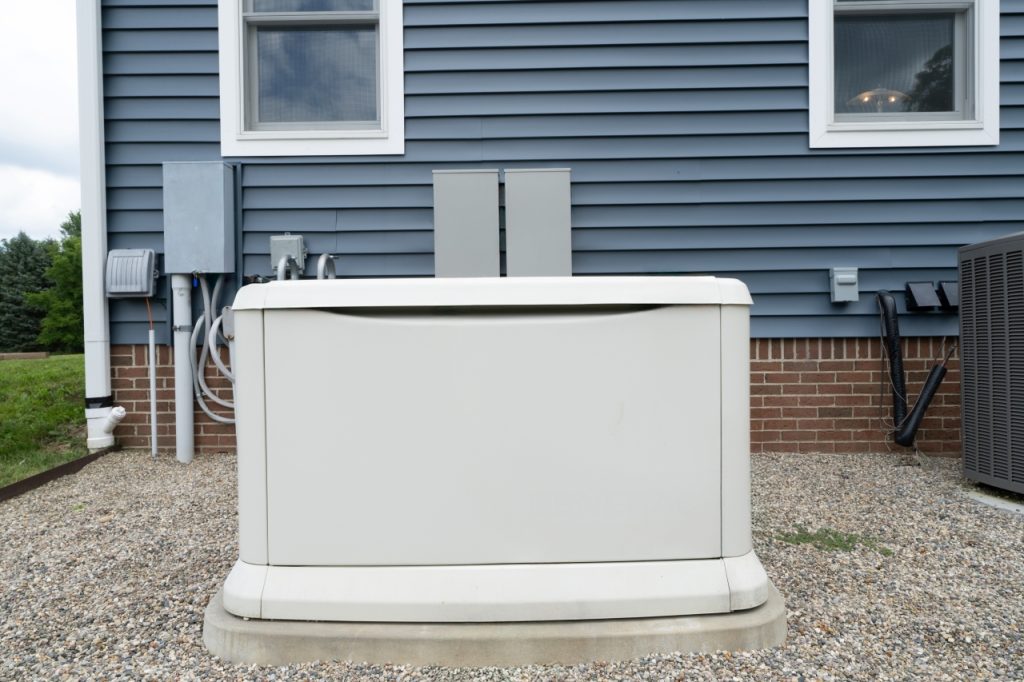
A permanently installed Generac standby generator is designed to detect a utility outage, start automatically, and supply power through an approved transfer arrangement. Unlike a portable generator that must be moved, fueled, started, and connected after an outage, a standby unit remains outside and is integrated with the home electrical system. That difference can be especially valuable when an outage occurs overnight, during severe weather, or while no one is home.
For many households in Michigan, backup power is about reducing disruption rather than powering every possible device. A properly scoped system may support essential loads such as heating equipment, a refrigerator, lighting, a sump pump, selected receptacles, internet equipment, and garage access. Other owners may prefer a larger solution intended to cover more of the home, subject to the property’s electrical and fuel capacity.
Automatic power when timing matters
The main benefit of a standby system is automatic operation. When the utility supply drops, the transfer equipment isolates the property from the utility and directs generator power to the selected electrical loads. When normal utility power returns, the system transfers back and the generator shuts down after its programmed cool-down cycle.
This automation can make a meaningful difference for homeowners who travel, people concerned about a flooded basement during a storm, or families that depend on powered equipment and climate control. It also avoids the need to run extension cords through doors or make fuel runs in difficult conditions. Actual runtime and the loads available during an outage depend on the generator configuration, fuel supply, and system design.
Essential-load and broader-coverage options
There is no universal generator size for every Royal Oak property. An essential-load arrangement typically focuses on a defined group of circuits, which can be a sensible path when the goal is to protect critical functions while managing the scope of the project. A broader-coverage system can serve more of the electrical panel, but it generally calls for careful load evaluation and coordination with the home’s service capacity.
- Essential-load planning may prioritize refrigeration, lights, heating controls, a sump pump, and communications equipment.
- Broader home coverage may be appropriate for owners who want more appliances, comfort systems, and everyday circuits available during an outage.
- Load management can help prevent certain high-demand appliances from operating at the same time, depending on the equipment selected.
The right approach depends on what you need to keep running, not simply on the square footage of a building. Making a list of must-have equipment and preferred conveniences before requesting an estimate gives the installation discussion a useful foundation. It also helps distinguish necessities from loads that can remain off temporarily during an outage.
How Generac generator installation is planned
A sound installation begins with an on-site assessment of the electrical system, the proposed generator location, and the desired level of coverage. The goal is to determine how the standby generator, transfer equipment, electrical panel, and fuel connection need to work together. This early planning helps avoid treating backup power as a simple appliance purchase.
Start with load priorities and site conditions
During the planning stage, homeowners should identify equipment that is important during an outage and share any concerns about their current electrical service. The installer may need to review the main panel, available space, service rating, routing for conductors, and the location of natural gas or propane infrastructure. Generator placement also needs appropriate clearance, access for service, and consideration of applicable local rules.
Fuel is a central practical consideration. Natural gas can offer a continuous supply while utility service is available, whereas propane systems rely on the capacity and delivery planning for an on-site tank. Neither approach is automatically right for every property, so the fuel decision should be considered alongside expected electrical demand, existing infrastructure, and the owner’s outage priorities.
Transfer equipment is the safety-critical connection
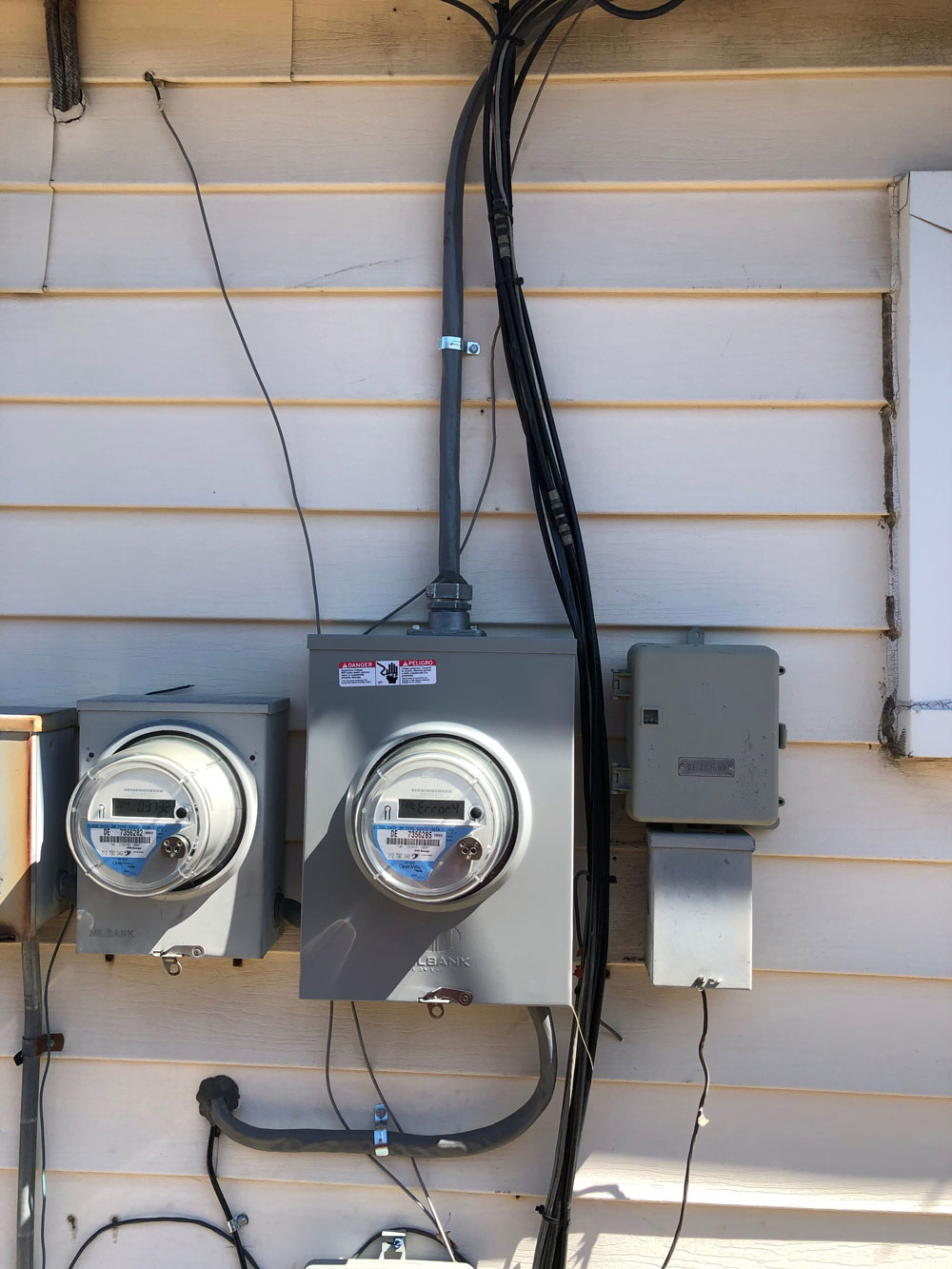
Generator transfer switch installation is the electrical component of the project that allows the generator and utility service to operate safely as part of one coordinated system. The transfer switch prevents generator power from feeding back into utility lines and controls the changeover between utility and standby power. It must be selected and installed to suit the generator, panel arrangement, and intended circuits.
Homeowners should not assume that a generator can be connected directly to a household outlet or panel without the proper equipment. Improvised connections create serious electrical hazards and do not provide the automatic, managed operation associated with a standby system. Professional planning addresses the transfer method as an essential part of the installation, not as an optional add-on.
What the installation experience commonly includes
The precise scope varies by property, but a standby generator project generally moves through assessment, equipment selection, placement and connection work, inspection requirements where applicable, startup, and homeowner orientation. Electrical and fuel-related work must be coordinated so the completed system functions as intended. Scheduling may also depend on equipment availability, permit processing, site readiness, and any needed upgrades.
- Discuss outage concerns, critical loads, and the level of desired power coverage.
- Evaluate the electrical service, installation site, transfer equipment needs, and fuel options.
- Select a suitable generator and define the project scope before work begins.
- Complete installation, required connections, and applicable inspections.
- Test the system and review basic operation, indicators, and maintenance expectations.
After commissioning, the owner should understand how the system exercises, what normal operating sounds and indicators may be expected, and whom to contact when service is needed. Standby generators need periodic maintenance to remain ready, just as other mechanical equipment does. Keeping access around the unit clear and following the manufacturer’s care guidance supports dependable operation when an outage occurs.
Making a confident backup-power decision
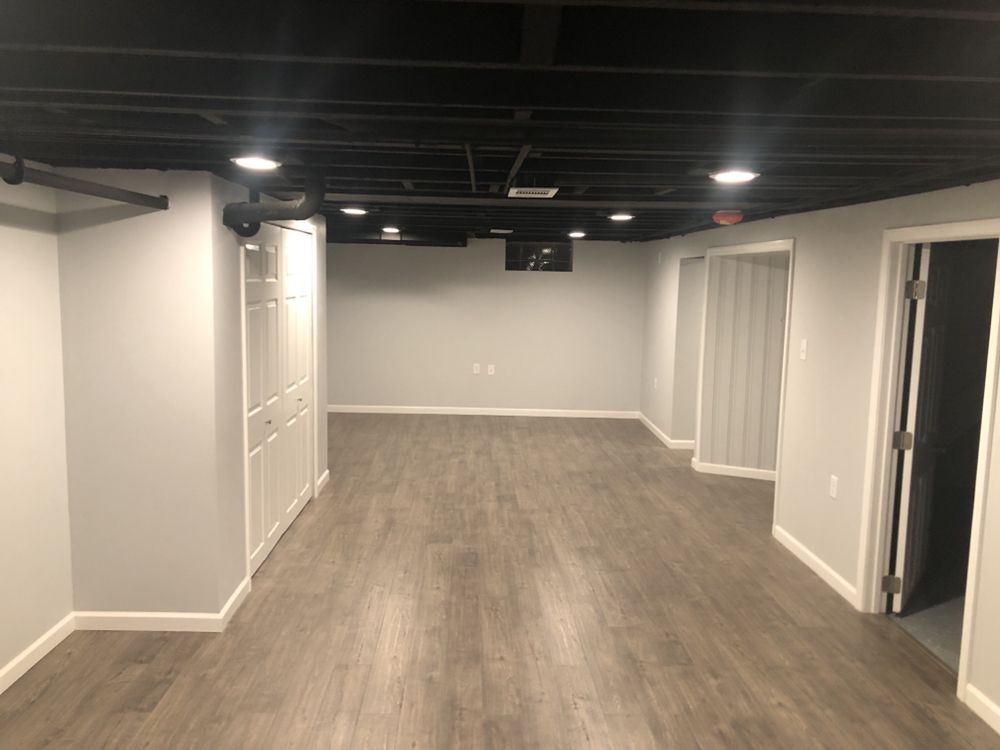
Generac generator installation is often appropriate for homeowners who want automatic outage response and have recurring concerns about essential systems losing power. It can also be a considered choice for owners who are away from home frequently, manage a finished basement with a sump pump, or want to reduce the disruption of an extended outage. The value comes from matching the system to real priorities rather than assuming the largest generator is always the best fit.
A portable generator can be a reasonable alternative for short-term, limited-load needs when manual setup and safe storage of fuel are acceptable. However, portable units do not offer the same automatic startup, fixed transfer capability, or integrated coverage as a permanently installed standby generator. Comparing these options honestly helps a homeowner choose a level of preparedness that fits the property and budget.
- Which appliances, systems, and circuits are essential during an outage?
- Do you prefer selected-circuit protection or power for a larger portion of the home?
- What fuel source is available, and what fuel planning does it require?
- Does the existing electrical panel or service need further evaluation before installation?
- What maintenance and periodic testing will the completed system need?
When selecting a provider, ask for a clear explanation of the proposed generator capacity, transfer-switch approach, protected loads, placement considerations, and any work that may affect the electrical service. A useful proposal makes it easier to understand what is included and why each component matters. It should also leave room for the homeowner to ask practical questions before committing to the project.
Talk with Executive Electric about standby power
Executive Electric serves customers seeking backup-power solutions from 20504 Hall Rd, Clinton Township, MI 48038. For property owners considering a Generac generator installation, a direct conversation can clarify whether essential-load protection or broader coverage better matches the home, electrical system, and outage concerns. Sharing your priority appliances and any known electrical details can make that initial discussion more productive.
Royal Oak, MI homeowners do not need to make every technical decision before reaching out. Executive Electric can be contacted to discuss the project, the information needed for a site assessment, and the next practical step toward reliable standby power in Michigan. Contact Executive Electric to begin planning a generator system built around the equipment you want protected.
Frequently asked questions
How does a Generac standby generator work during a power outage?
A Generac standby generator monitors utility power and starts automatically when an outage is detected. A transfer switch separates the home from the utility supply and directs generator power to selected loads. Once utility power returns, the system transfers back and the generator completes its shutdown cycle.
Can a standby generator power my entire house?
It can be designed to power much of a home, but whole-home coverage depends on the generator size, electrical demand, service capacity, fuel supply, and load-management plan. Some homeowners choose essential circuits instead because that approach can protect critical equipment without sizing for every high-demand appliance.
Do I need a transfer switch for a permanently installed generator?
Yes. A transfer switch is a core part of a standby generator system because it manages the safe changeover between utility and generator power. It helps prevent backfeeding and determines how power reaches selected circuits or the wider electrical system during an outage.
Is Executive Electric located in Royal Oak, Michigan?
Executive Electric’s supplied location is 20504 Hall Rd, Clinton Township, MI 48038. The company can be contacted by Royal Oak homeowners who want to discuss Generac generator installation, site considerations, and the appropriate next steps for a backup-power project.