Generac generator installation Rochester, MI
When an outage interrupts heat, refrigeration, internet access, lighting, or essential equipment, a permanently installed standby generator can restore power automatically after a properly planned installation. For homeowners considering Generac generator installation in Rochester, MI, Executive Electric provides a clear point of contact for discussing the electrical side of a standby power project. Executive Electric is located at 20504 Hall Rd, Clinton Township, MI 48038, and can help you begin with the practical questions that determine whether a whole-home or selected-circuit backup approach fits your property.
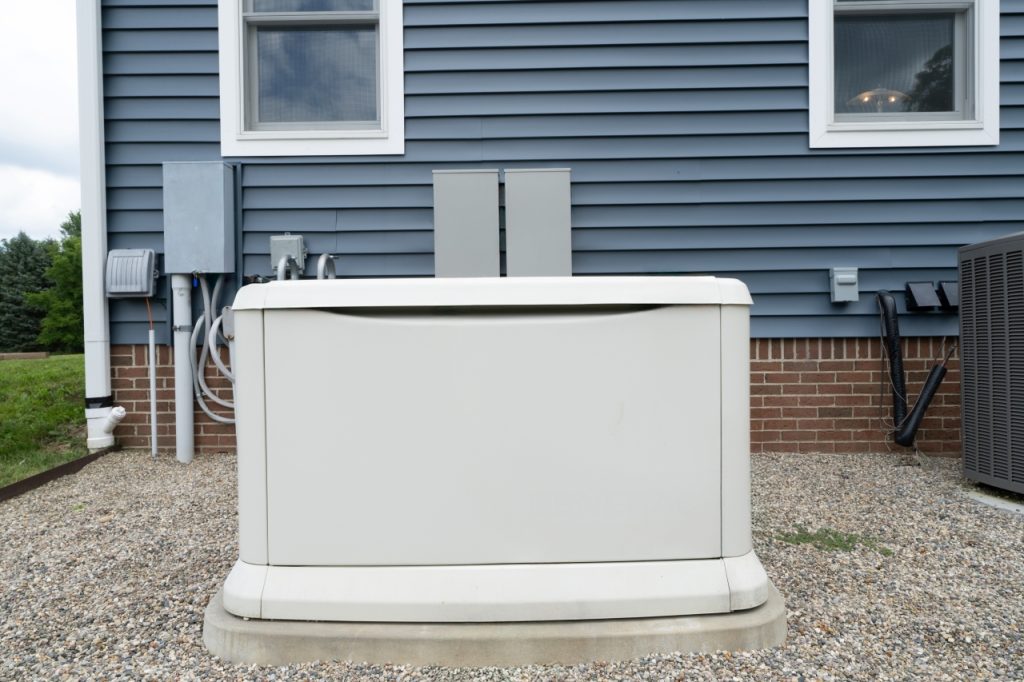
A standby generator is not simply a larger portable generator. It is a fixed system that works with a transfer device to separate utility power from generator power, start when an outage occurs, and supply the circuits included in the design. Thoughtful load planning and professional electrical integration are central to a system that supports the priorities of your household without making assumptions about what one generator can power.
Start with the power you need during an outage
The right generator plan begins with identifying what needs to remain operational, not with choosing the biggest unit available. Some Rochester households want broad whole-home coverage, while others prefer to keep a focused set of necessities running during an interruption. A useful conversation considers daily routines, equipment with high starting demand, and how long your household can comfortably go without certain loads.
Common backup-power priorities often include the following:
- Heating equipment, sump pumps, and essential lighting
- Refrigerators, freezers, and kitchen circuits used for basic food storage
- Internet equipment, workspaces, security systems, and garage access
- Medical or mobility-related equipment that requires reliable electricity
- Selected outlets and appliances that make an extended outage more manageable
Electrical demand matters because many appliances do not consume the same amount of power at all times. Central air conditioning, electric heat, water heaters, ranges, dryers, well pumps, and motor-driven equipment can substantially affect sizing and load-management decisions. A careful assessment distinguishes running wattage from the added demand some equipment draws when starting, helping avoid a plan that looks sufficient on paper but does not match real use.
Whole-home coverage and essential-circuit backup are different choices
Whole-home standby power is designed around broader household operation, but it may require a larger generator and a more detailed plan for significant electrical loads. Essential-circuit backup limits generator power to chosen circuits, which can be a practical option when the goal is to protect basics rather than run every appliance. Neither approach is automatically better, because the sensible choice depends on the electrical panel, fuel source, household priorities, and budget for the complete project.
Portable generators remain an alternative for occasional, limited needs, but they require manual setup, refueling, and safe connection practices during each outage. A permanent Generac standby generator installation is intended to reduce that manual response by integrating automatic operation into the electrical system. Property owners should still understand the limits of their selected configuration, since automatic backup does not mean every electrical load can be used without regard to capacity.
What a Generac standby generator project involves
A well-organized installation follows a sequence: evaluate the property and loads, select the equipment and backup strategy, prepare the site and connections, complete electrical integration, and verify operation. Details vary by home, especially when existing service equipment, panel capacity, fuel availability, or local permitting requirements differ. Executive Electric can discuss the electrical scope so you can approach the project with clearer expectations.
- Discuss outage priorities. List the systems and circuits that matter most, along with any large appliances or equipment that may affect generator capacity.
- Review the electrical setup. The service panel, grounding, circuit arrangement, and location of the planned equipment influence the installation design.
- Coordinate the generator and fuel plan. Standby units commonly use an approved fuel supply, so electrical work must fit into the broader project plan.
- Install the switching and connection equipment. The transfer equipment provides the controlled changeover between normal utility service and generator power.
- Test the system and understand operation. Testing helps confirm the intended sequence, while homeowner orientation clarifies routine monitoring and maintenance responsibilities.
Why the transfer equipment deserves close attention
Generator transfer switch installation is the electrical component of the project that allows a standby system to move a home from utility power to generator power in a controlled manner. The switch prevents generator output from feeding back toward utility lines, an important safety function, and it determines which circuits or loads are supported. Its configuration must match the backup strategy, whether the goal is selected circuits, managed loads, or a broader whole-home arrangement.
Transfer equipment also shapes the day-to-day experience of an outage. Automatic transfer switches can detect a utility failure and signal the generator to start, then return the system to utility power when normal service is restored. That convenience depends on compatible equipment, correct wiring, and a design that accounts for what the generator is expected to carry.
Site, fuel, and permitting are part of the decision
Generac generator installation includes more than connecting conductors at an electrical panel. The generator needs an appropriate outdoor location, required clearances, a suitable foundation or mounting arrangement, and coordination with the fuel source specified for the unit. Local requirements can affect placement, electrical permits, inspections, and other project details, so it is wise to discuss these considerations before committing to a particular model or location.
Michigan weather can make resilience planning feel urgent, but a rushed equipment choice can create avoidable constraints later. Consider where outdoor noise will be most noticeable, how technicians will access the equipment for service, and whether future electrical changes could alter your backup needs. Asking these questions early supports a more workable installation plan for a Rochester property.
What to look for when choosing an installer
Choose a provider based on the quality of the planning conversation, the clarity of the electrical scope, and the willingness to address the conditions of your specific property. A useful installer should help distinguish generator capacity from the circuits you expect to operate and explain the role of transfer equipment rather than treating it as an afterthought. It is also reasonable to ask how the electrical work will coordinate with fuel connection, permitting, inspection, and system testing.
Before moving forward, prepare information that makes the initial discussion more productive:
- A list of essential appliances, systems, and circuits you want available during an outage
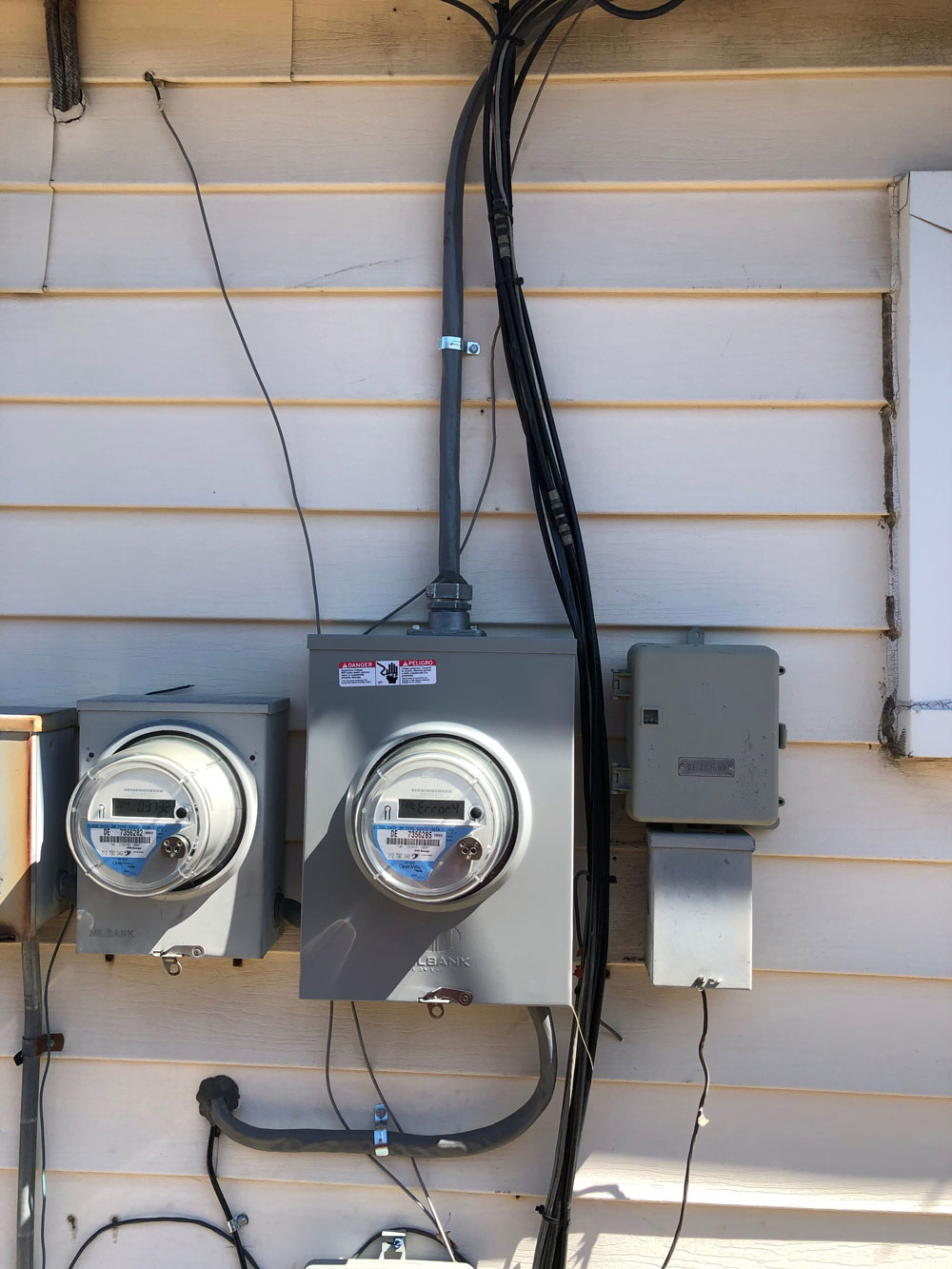
- Photos or details of the main electrical panel and any subpanels, when available
- Your preference for broad home coverage or a limited essential-load plan
- Known information about the intended generator location and available fuel source
- Questions about shutdown behavior, testing, maintenance, and what happens when capacity is exceeded
Executive Electric can be relevant when you want to discuss the electrical planning behind backup power instead of treating the generator as an isolated appliance. In a conversation about Generac generator installation, the important goal is to align generator output, transfer switching, panel configuration, and the loads your household considers essential. This approach gives homeowners a more useful basis for comparing options and preparing for the next step.
Questions that lead to better project decisions
Ask for a clear explanation of what will and will not be powered when the system is operating. Clarify whether large loads will need to be managed, whether selected circuits are being isolated, and how the system returns to normal utility service. You can also ask what routine maintenance the generator manufacturer recommends, because installation and ongoing equipment care are connected but distinct responsibilities.
It is equally important to be specific about future plans. An addition, an electric vehicle charger, a new HVAC system, or a shift toward more electric appliances may change the loads a home carries. Sharing those plans helps make the discussion about standby power more durable than a decision based only on today’s usage.
Plan backup power with a clear next step
For Rochester, MI homeowners, standby power can offer reassurance when utility service is interrupted, especially when critical household systems need continuity. The value comes from a system tailored to actual priorities, not from promising unlimited power. Executive Electric can help you start the conversation around the electrical requirements, transfer switching, and practical decisions involved in a Generac backup generator project.
Executive Electric is based at 20504 Hall Rd, Clinton Township, Michigan 48038. Contact the team to discuss your property, the equipment you want to support, and the information needed to plan a safe, organized installation. A detailed initial conversation can help clarify whether a whole-home solution, essential-circuit approach, or another backup-power strategy makes the most sense.
Ready to discuss standby power for your home? Contact Executive Electric to begin a conversation about Generac generator installation and the electrical considerations for your Rochester-area project.
Generac generator installation questions
What happens during a Generac generator installation?
A standby generator project typically includes evaluating electrical loads, selecting a backup strategy, preparing a compliant equipment location, connecting transfer equipment, integrating the generator with the electrical system, and testing operation. Fuel-supply coordination, permits, and inspections may also be part of the overall project depending on the property and local requirements.
Can a standby generator power my entire home?
It can be designed for broad home coverage, but the answer depends on generator capacity and the electrical loads in the home. High-demand equipment such as electric heat, air conditioning, ranges, dryers, and pumps can affect the design. A load review helps determine whether whole-home coverage or selected essential circuits is the better fit.
Why do I need a transfer switch with a standby generator?
A transfer switch safely controls the change between utility power and generator power. It helps prevent backfeeding toward utility lines and directs generator power according to the system design. Automatic models can also start the changeover sequence when an outage is detected and restore normal utility operation when power returns.
Is Executive Electric located in Rochester, MI?
Executive Electric is located at 20504 Hall Rd, Clinton Township, MI 48038. This Rochester, MI service page is intended for property owners seeking information and a contact point for discussing Generac generator installation and the related electrical planning needed for a standby backup-power project.