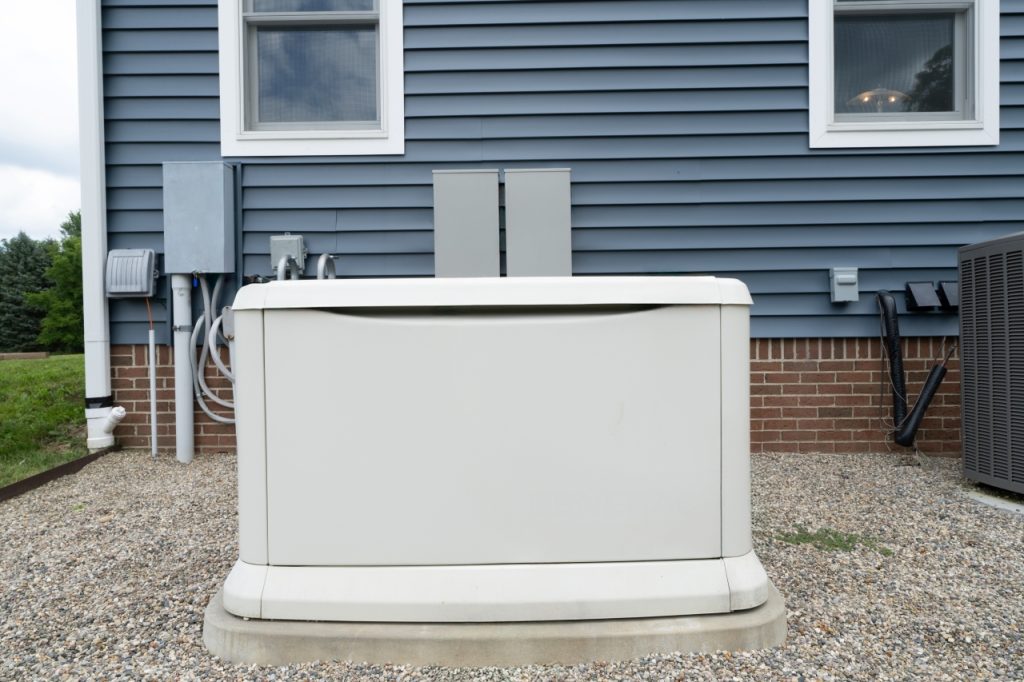
Generac generator installation Metro Detroit, MI
When an outage interrupts lighting, refrigeration, internet access, sump pumps, heating equipment, or other essential electrical loads, a permanently installed standby generator can provide a more seamless backup-power option than moving portable equipment into place. Executive Electric is based at 20504 Hall Rd, Clinton Township, MI 48038, and provides a clear starting point for homeowners considering Generac generator installation in the Metro Detroit area.
A standby system is designed around the electrical needs of the property, not around a one-size-fits-all assumption. The right plan considers what must remain powered, the available fuel source, the location of the generator, electrical capacity, and the equipment needed to safely transfer power. For Michigan homeowners who want a fixed backup-power solution, thoughtful planning matters as much as the generator itself.
What a standby Generac system does during an outage
A Generac standby generator is permanently placed outside the home and connected to the electrical system through transfer equipment. When utility power fails, the system can detect the interruption, start the generator, and move selected electrical loads to generator power. When utility service returns, the transfer equipment returns the home to utility power and the generator shuts down after its programmed cooldown sequence.
This automatic operation is the main distinction from a portable generator. A portable unit may be a reasonable lower-cost alternative for limited, temporary use, but it typically requires manual setup, fuel handling, outdoor placement, and properly managed connections each time it is needed. A home standby generator is intended for owners who value automatic response and a dedicated backup-power arrangement.
Essential-load backup or broader home coverage
Generator capacity should be chosen according to the circuits and equipment a household expects to use during an outage. Some owners prioritize essentials such as lighting, a refrigerator, internet equipment, a furnace blower, selected outlets, and a sump pump. Others may seek a design that supports more of the home, which can require greater capacity and closer attention to high-demand loads.
- Essential-load plans can focus backup power on selected circuits that matter most.
- Broader coverage can support more household systems, subject to load calculations and the final electrical design.
- Large electric heating, air-conditioning, cooking, water-heating, and motor-driven equipment can affect system sizing.
- Future plans, such as adding appliances or changing how the home is used, are worth discussing before installation.
More generator capacity is not automatically the better decision. A larger unit may support additional loads, but it also changes equipment, fuel, placement, and budget considerations. A useful conversation begins with what the household truly needs to operate when grid power is unavailable, then evaluates a solution that fits those priorities.
Planning Generac generator installation for your property
Generac generator installation is a coordinated electrical project rather than simply placing equipment beside a house. Before work begins, the property needs evaluation for electrical integration, practical generator placement, fuel connection requirements, and the loads the owner wants backed up. Executive Electric can help you begin that conversation from its Clinton Township location at 20504 Hall Rd, Clinton Township, MI 48038.
Start with the loads that cannot wait
Before selecting a unit, make a practical list of what an outage would disrupt first. For one household, avoiding a wet basement may make a sump pump the priority. For another, maintaining heat circulation, refrigeration, communications, medical-support equipment, or a home office may be more important. This list helps turn a general interest in backup power into a specific, usable design discussion.
It is also important to distinguish electrical wattage from the temporary starting demand created by many motors and compressors. Pumps, furnaces, refrigerators, and air-conditioning systems may draw more power while starting than while running. Load evaluation accounts for those operating realities instead of adding appliance labels casually and assuming every item can run together.
Placement, fuel, and electrical access affect the project
Generator placement has to accommodate the equipment, clearances, service access, ventilation, and applicable local requirements. A site review can also identify practical issues such as the route for electrical conductors, the location of the service equipment, and whether existing infrastructure affects the plan. These details are why an onsite evaluation is more reliable than choosing a standby generator only from a broad square-footage estimate.
Fuel availability is another central consideration. Standby systems commonly rely on a connected fuel supply rather than extension-cord use and stored portable fuel. The available fuel arrangement, expected electrical loads, and selected generator capacity must work together, so property owners should raise fuel questions early instead of treating them as an afterthought.
Transfer equipment is the safety-critical connection
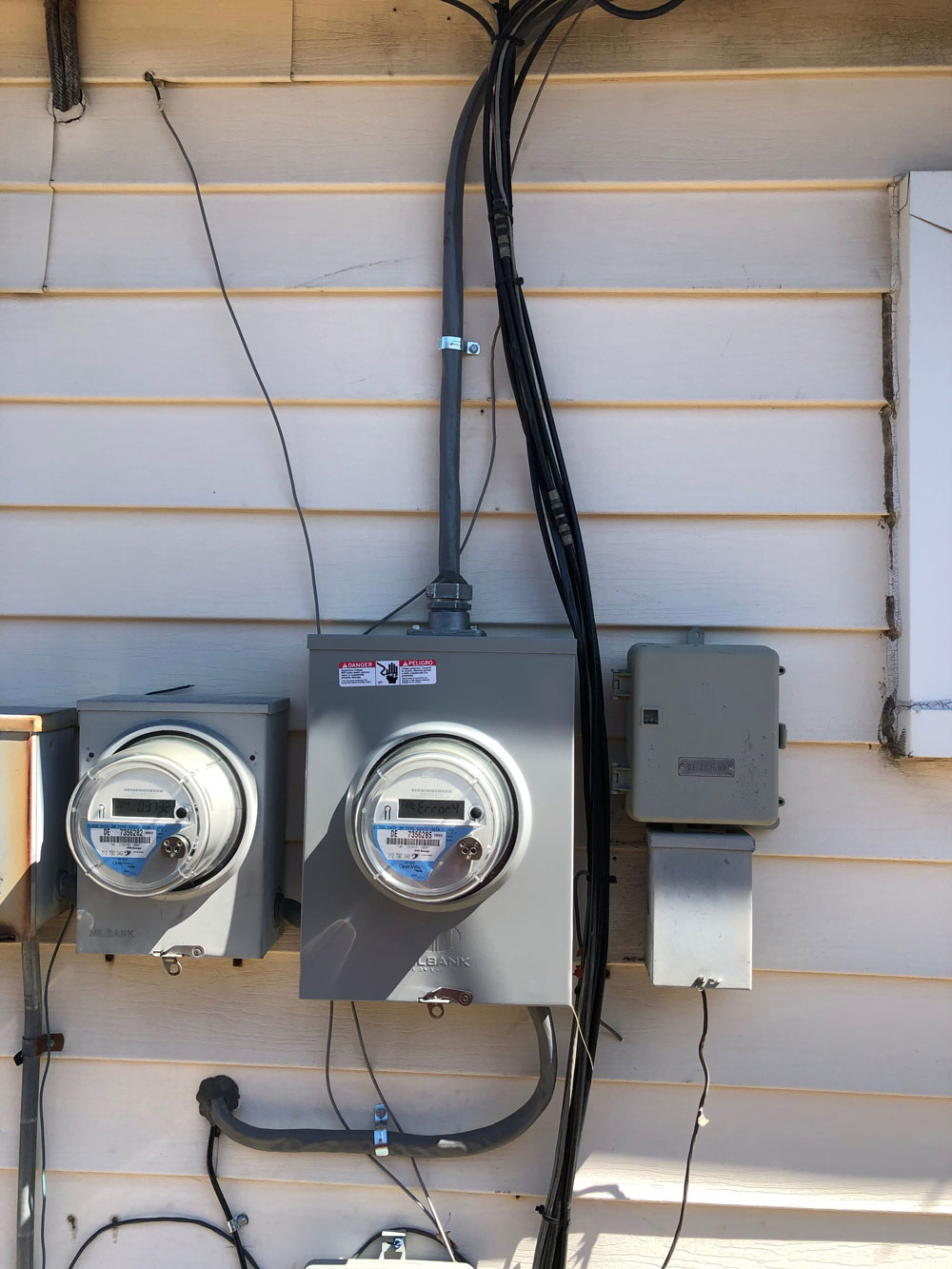
Generator transfer switch installation is the part of the project that connects backup generation to the home in a controlled way. The transfer switch separates generator power from the utility supply while changing the home or selected circuits from one source to the other. It is not an accessory to overlook, because correct transfer equipment and wiring are fundamental to safe, automatic standby operation.
Transfer switch selection can reflect the intended scope of backup power. A system may be designed around selected essential circuits, or it may be paired with service-rated equipment and load-management strategies for broader coverage. An electrician can explain how the transfer approach affects the circuits available during an outage and how the system behaves when power returns.
- Discuss the household loads and the level of backup coverage you want.
- Review the property for generator placement, electrical access, and fuel-related considerations.
- Determine the appropriate generator and transfer-equipment approach for the plan.
- Complete installation work and required coordination based on the project scope.
- Review operation, automatic transfer behavior, and ongoing owner responsibilities after the system is in place.
Benefits that matter when utility power is interrupted
The practical benefit of a standby generator is continuity. Instead of deciding in the middle of a storm which extension cords to use or whether stored fuel is available, an automatic system is built to respond to a utility outage. That can reduce disruption for households that depend on powered equipment to protect comfort, food, work, communication, or property.
- Automatic response: The system can start and transfer power without manual generator setup.
- Dedicated backup design: The installation is planned around the home’s electrical system and chosen loads.
- Convenient operation: Owners avoid the repeated setup and cord management associated with portable generators.
- Clearer load priorities: Planning ahead identifies which equipment should receive backup power.
Backup power does not eliminate every responsibility. Homeowners should understand which loads are included, avoid changing electrical expectations without evaluating capacity, and follow the manufacturer’s maintenance guidance. A generator that is installed but not maintained may not be ready when needed, so ongoing service planning is part of making the investment useful.
Choosing an electrical provider for a standby-generator project
A productive provider conversation should focus on your home and your priorities, not just a generator model number. Ask how the electrical loads will be evaluated, what transfer equipment is proposed, how generator placement will be addressed, and what steps are involved from assessment through final operation. Clear answers help you compare proposals on scope and suitability rather than price alone.
It is sensible to ask what is included in the electrical portion of the project and what coordination may be needed for fuel, site preparation, or local requirements. Property conditions vary, and an accurate plan should acknowledge those variables. A careful review also helps avoid the common misconception that any generator can safely power every circuit in every home without design decisions.
Executive Electric offers a direct local contact option for customers exploring standby power in Michigan. The company’s stated location is 20504 Hall Rd, Clinton Township, MI 48038. If you are researching options from Metro Detroit, MI, share the equipment you want to protect and the concerns you have about outages so the initial discussion can be more useful.
Frequently asked questions about standby generator systems
How does a Generac standby generator work during a power outage?
A Generac standby generator monitors utility power through transfer equipment. When an outage is detected, it can start automatically and transfer selected loads or the planned electrical service to generator power. When utility power returns, the transfer equipment returns the home to normal service and the generator completes its shutdown sequence.
Can a standby generator power my entire home?
It may be possible to design for broad home coverage, but it depends on the generator capacity, electrical service, transfer equipment, fuel supply, and the loads that may operate at the same time. Many homeowners choose essential-load backup instead. A load evaluation helps determine which approach fits the property and outage priorities.
Why is a transfer switch necessary for a generator?
A transfer switch manages the change between utility and generator power and prevents the two sources from being connected improperly. It can also determine whether selected circuits or a wider portion of the electrical system receives backup power. Professional planning is important because the switch is central to safe operation.
What should I prepare before requesting an installation discussion?
Prepare a list of the appliances, systems, and circuits you would want operating during an outage, including pumps, heating equipment, refrigeration, communications, and work equipment. Note your fuel situation and any placement concerns around the home. This information gives Executive Electric a practical basis for discussing a Generac generator installation plan.
Take the next step toward dependable backup power
Whether you are replacing the uncertainty of a portable generator or planning backup power for a home for the first time, the best next step is to discuss the property-specific details. Executive Electric can help begin the process from 20504 Hall Rd, Clinton Township, MI 48038, with your intended loads, generator goals, and transfer-switch needs in view.
Contact Executive Electric to discuss your standby generator project and request guidance for your home. Bring your questions about Generac equipment, electrical loads, automatic transfer, placement, and backup priorities so you can make an informed decision for your Michigan property.