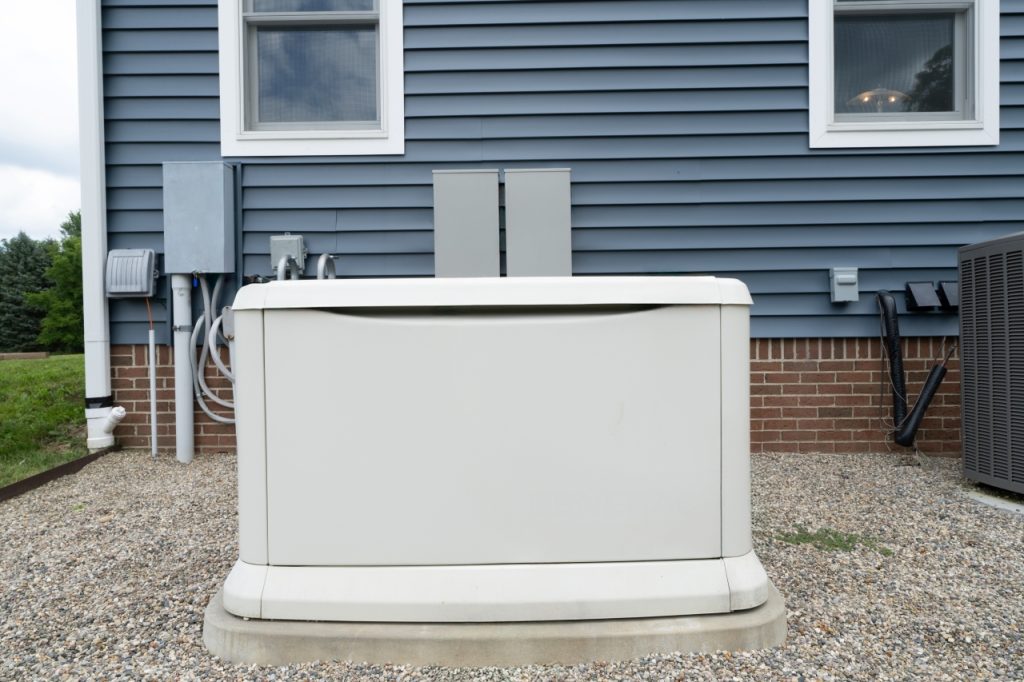
Generac generator installation Macomb, MI
Power interruptions can quickly affect refrigeration, heating equipment, sump pumps, communications, and the daily routines that make a home comfortable. For property owners researching Generac generator installation in Macomb, MI, Executive Electric provides a clear starting point for planning a permanently installed backup-power system. Executive Electric is located at 20504 Hall Rd, Clinton Township, MI 48038, and helps customers evaluate the electrical work and practical decisions behind a reliable standby-generator project.
A whole-home backup generator is not simply a portable generator placed outside during a storm. It is a permanently connected system designed to recognize a utility outage, start automatically, and send power through selected circuits or a properly sized home electrical system. The right design begins with an honest assessment of what the household needs to keep operating when normal utility power is unavailable.
What a standby Generac system can do for your property
A Generac standby generator can provide automatic backup power during an outage, reducing the need to handle cords, refuel a portable unit, or make last-minute decisions in poor weather. When utility service drops, the system is intended to detect the interruption, start the generator, and transfer power safely according to the installed configuration. When utility power returns, the equipment transitions back and shuts down after its programmed cooldown sequence.
The value is different for every household. Some Macomb, Michigan residents want to protect essential loads only, while others prioritize broader coverage for comfort, food storage, work connectivity, or electrically powered equipment. A thoughtful backup-power installation identifies those priorities before equipment is selected, rather than assuming every device must run at the same time.
- Keep critical refrigeration, lighting, and selected receptacles available during an outage.
- Support a furnace, boiler controls, sump pump, well pump, or other important equipment when appropriately planned.
- Maintain internet, charging, and selected work-from-home equipment where the electrical design allows.
- Reduce the manual setup and fuel-handling demands associated with many portable-generator arrangements.
Essential-load coverage versus whole-home coverage
Essential-load coverage focuses generator capacity on the circuits that matter most, such as refrigeration, select lighting, communications, a sump pump, or heating controls. Whole-home coverage is a broader approach, but it still requires load evaluation because large appliances and high-demand equipment can significantly affect generator sizing. Neither choice is automatically better: the useful option is the one aligned with the household’s priorities, electrical demand, and budget.
Air conditioners, electric ranges, dryers, electric water heaters, hot tubs, and electric vehicle chargers may draw substantial power. A load calculation helps clarify which equipment can reasonably operate together and whether load-management equipment may be appropriate. This planning prevents the common misconception that a generator’s physical size alone determines what it can support.
How Generac generator installation is planned
A successful standby-generator project is an electrical-system planning process as much as an equipment installation. The project should account for the main service equipment, desired circuits or whole-home load, generator location, fuel source, and the path for wiring and control connections. Planning these details early gives a homeowner better information for comparing options and preparing the property.
- Discuss outage priorities. Identify which appliances, safety systems, and daily functions need backup power first.
- Review the electrical system. The service panel, available capacity, circuit arrangement, and connection approach all influence the design.
- Evaluate generator placement. Placement should consider equipment clearances, ventilation, access for service, sound considerations, and applicable local requirements.
- Coordinate fuel and transfer equipment. A standby unit needs an appropriate fuel supply and a safe method of changing between utility and generator power.
- Install, test, and explain operation. Once the system is in place, testing verifies the intended outage response and gives the owner a chance to understand normal operation.
Why sizing is more than choosing the largest unit
Generator sizing should be based on expected electrical loads, not on a guess or a single appliance label. Starting loads for motors, seasonal heating and cooling demand, and simultaneous use of household equipment can all affect capacity needs. Selecting a system after reviewing those variables can help a property owner avoid paying for unnecessary capacity or installing a unit that cannot support the planned loads.
Fuel choice also belongs in the early conversation. Standby generators commonly depend on an established natural-gas or propane supply, and fuel availability must match the generator’s expected demand. Questions about fuel connection, site conditions, and any needed coordination should be resolved before the installation schedule is finalized.
Safe transfer of power is a central part of the installation
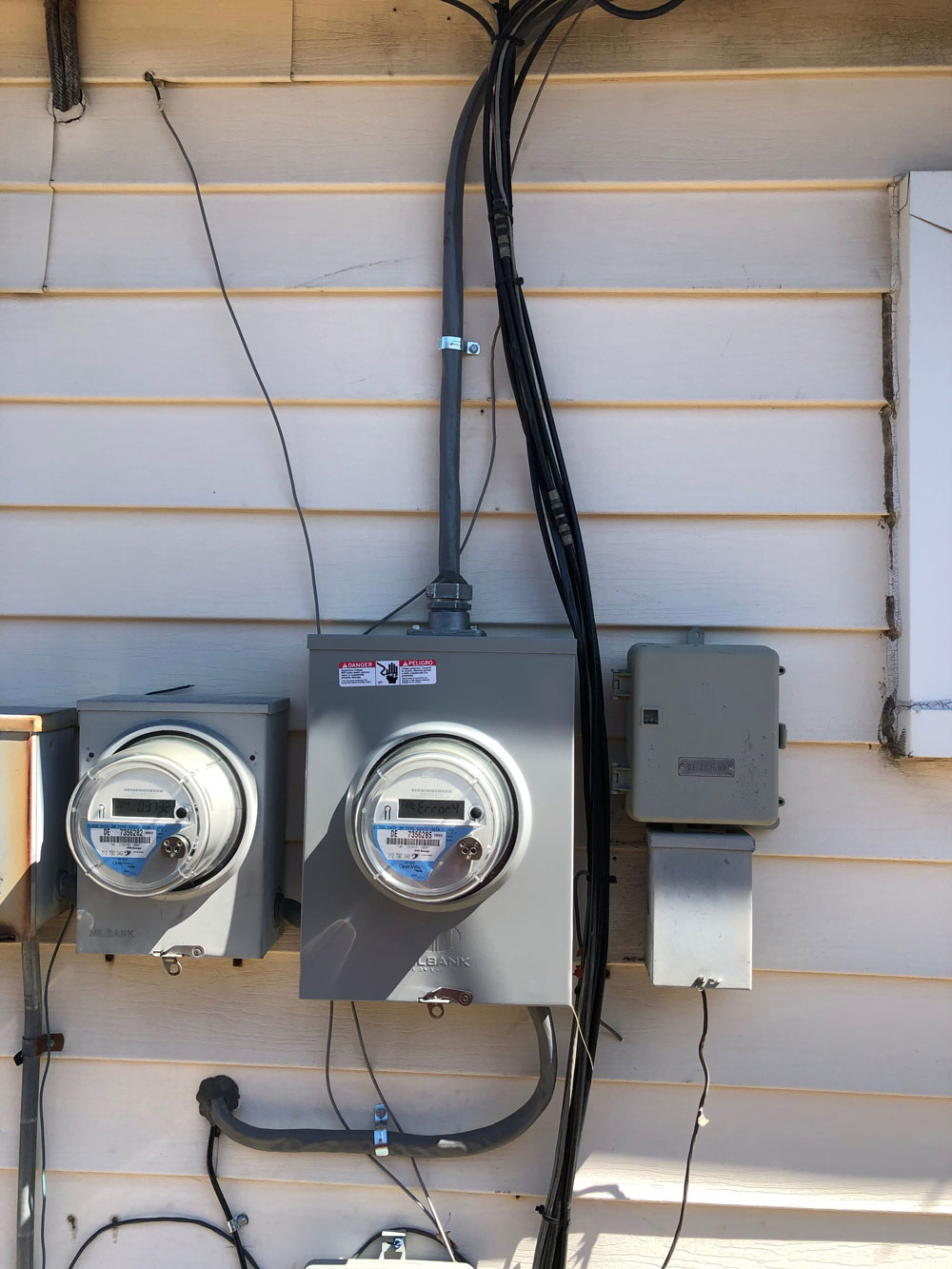
Generator transfer switch installation is the component of a backup-power project that enables a controlled transition between utility power and generator power. The transfer equipment helps prevent generator power from feeding back into utility lines, a dangerous condition that can create serious hazards for utility workers and property electrical systems. It also determines whether the project is designed around selected circuits, a subpanel, or a broader service-entrance arrangement.
Automatic transfer switches are commonly used with permanently installed standby generators because they can respond when an outage occurs without the homeowner being present. Manual transfer solutions and portable generators are different options with different operating steps, capacity limits, fuel needs, and convenience levels. A professional electrical review helps determine which approach fits the property’s needs instead of treating all backup-power products as interchangeable.
What to consider before choosing a generator installer
The provider conversation should be specific to your home and your intended use of backup power. Ask how the load assessment will be handled, what electrical equipment is involved, how generator placement will be evaluated, and what the owner should expect during testing. Clear answers are more useful than a one-size-fits-all recommendation because every service panel, load profile, and site layout can differ.
It is also sensible to ask what work is included in the proposed scope and what may require coordination outside the electrical installation. Fuel-supply work, permitting, inspections, concrete or mounting-pad preparation, and site changes can have separate considerations depending on the property and jurisdiction. Understanding the boundaries of the project before work begins makes it easier to compare proposals on meaningful details rather than only on a headline price.
- Which loads are essential during an outage, and which can remain off?
- How will the system’s electrical demand be calculated?
- Where can the generator be located while maintaining necessary clearances and access?
- What fuel arrangement will the selected unit require?
- How will the transfer equipment connect to the existing electrical service?
- What operating, exercise, and maintenance guidance should the owner follow after installation?
Installation day and ownership after the project
During installation, the work may include setting the generator, installing transfer equipment, routing approved wiring, making electrical connections, and integrating the control components. The precise sequence depends on the home’s existing electrical service, generator design, fuel readiness, and applicable requirements. Homeowners should plan for the possibility that electrical work and testing will affect normal access to panels or circuits while the project is underway.
After installation, the system should not be treated as maintenance-free. Standby generators generally need periodic exercise and manufacturer-recommended service so that batteries, fluids, controls, and the engine remain ready for an actual outage. Keep the area around the unit accessible and clear, and review the owner’s documentation so the household knows what normal operation and alerts look like.
Choose a practical path to backup power with Executive Electric
Executive Electric can be a relevant resource when you want to move from a general concern about outages to a defined electrical plan. For a Macomb, MI property, the useful next step is to describe the equipment you want protected, the type of backup experience you expect, and any known electrical or fuel considerations. That information supports a more productive discussion about standby generator setup, transfer equipment, and the choices that shape system performance.
If you are comparing a portable unit with a permanently installed system, consider the difference in daily usability. Portable generators may be appropriate for limited, temporary power needs, but they require manual setup, safe outdoor operation, cord or inlet management, and refueling. A permanently installed Generac solution is designed around automatic response and integrated electrical transfer, which can be especially valuable when no one is home to start backup power manually.
For a project discussion connected to Generac generator installation, contact Executive Electric and share the priorities for your Macomb, Michigan home. Executive Electric’s listed location is 20504 Hall Rd, Clinton Township, MI 48038. Request a conversation about your backup-power goals and the electrical planning needed to support them.
Questions property owners often ask
How does a Generac standby generator work during a power outage?
A permanently installed Generac standby generator monitors utility power through transfer equipment. When an outage is detected, it can start automatically and transfer approved electrical loads to generator power. After utility power is restored, the transfer equipment returns the home to normal service and the generator completes its shutdown cycle.
Can a generator power every item in my home?
It may be possible to plan for broad home coverage, but the answer depends on the home’s electrical demand, generator capacity, and which high-draw appliances may operate at the same time. An electrical load assessment is the practical way to determine whether whole-home coverage or essential-load coverage better matches your needs.
Do I need a transfer switch for a standby generator?
Yes, transfer equipment is a key part of a permanently installed standby-generator system. It manages the safe change between utility and generator power and helps prevent dangerous backfeeding into utility lines. The exact transfer-switch arrangement depends on the system design and the loads selected for backup.
Is Executive Electric located in Macomb, MI?
Executive Electric’s provided location is 20504 Hall Rd, Clinton Township, MI 48038. This page addresses Generac generator installation for customers researching backup-power options in Macomb, MI, while accurately identifying the company’s listed Clinton Township, Michigan location.
What should I prepare before contacting Executive Electric?
Make a short list of the appliances and systems you want available during an outage, including heating or cooling equipment, pumps, refrigeration, medical equipment, and work devices. It is also helpful to note whether your home uses natural gas or propane and to identify any concerns about generator placement, but an initial inquiry does not require you to have every answer.