Generac generator installation Grosse Pointe Woods, MI
A power outage can interrupt heating and cooling, refrigeration, internet access, lighting, sump pumps, security equipment, and the daily routines that make a home comfortable. Executive Electric provides a clear starting point for property owners researching Generac generator installation in Grosse Pointe Woods, MI: assess what needs backup power, choose an appropriately sized standby system, and plan for safe connection to the electrical service. The company is located at 20504 Hall Rd, Clinton Township, MI 48038, and serves customers seeking dependable electrical guidance in the region.
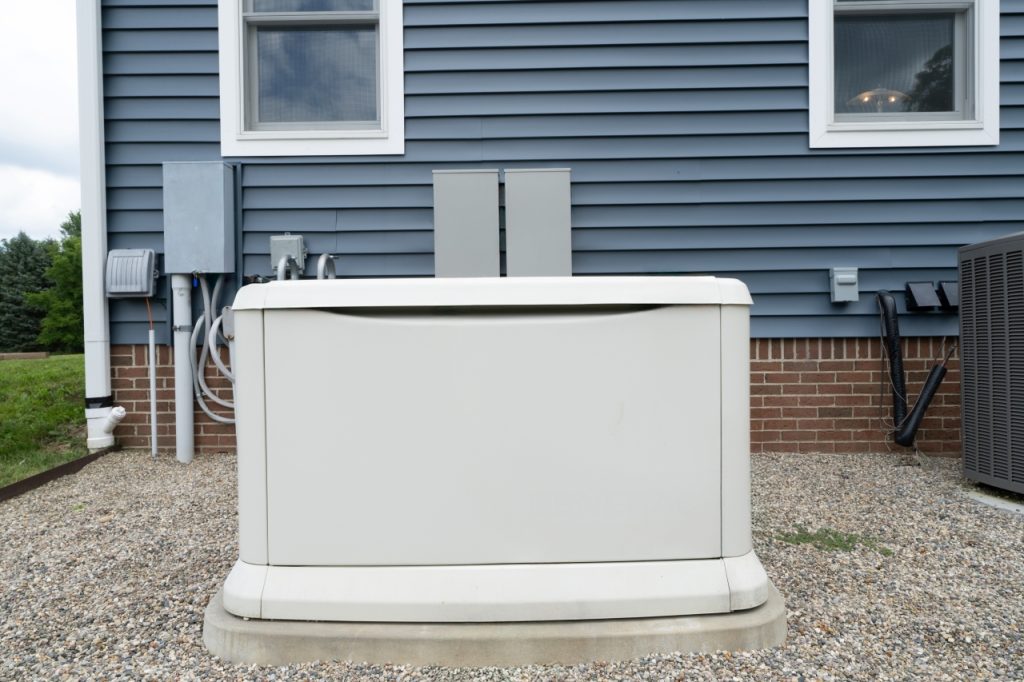
A permanently installed Generac standby generator is designed to support selected or whole-home electrical loads when utility power is unavailable. Rather than relying on extension cords and manual setup during an outage, a properly planned standby system can detect a loss of utility power, start automatically, and transfer designated circuits to generator power. The right scope depends on the property, the electrical panel, fuel source, and the appliances or systems the owner considers essential.
Choose backup power around the way your property operates
Generac generator installation should begin with priorities, not simply the largest unit available. A homeowner may want protection for a furnace, refrigerator, lights, garage door, internet equipment, and sump pump, while another may want broader coverage for multiple HVAC components and more household circuits. Defining those priorities helps avoid an undersized system that cannot carry intended loads or an oversized approach that does not match the property’s actual needs.
For many homes in Michigan, the most important loads are the systems that preserve safety, prevent inconvenience, or reduce the risk of damage during a prolonged interruption. Heating equipment can be especially important in cold weather, while a sump pump may be a central consideration during wet conditions. Executive Electric can discuss the information needed for a practical installation conversation without assuming that every house needs the same level of backup.
- Essential-load backup can prioritize a defined group of circuits, such as refrigeration, lighting, internet, selected receptacles, and mechanical equipment.
- Broader home coverage may be appropriate for owners who want more appliances, comfort systems, or major household functions considered in the generator plan.
- Future-aware planning considers planned additions, changing household needs, and whether new electrical loads could affect the backup-power design.
Standby generators and portable generators solve different problems
A standby generator is a fixed system connected through approved electrical equipment and intended to operate automatically when utility power fails. A portable generator can be a useful lower-cost alternative for limited, temporary needs, but it generally requires manual setup, proper outdoor placement, fuel management, and a safe method of connecting selected loads. Comparing these options honestly helps a Grosse Pointe Woods, MI homeowner select the level of convenience, coverage, and preparedness that fits the property.
Portable equipment should never be operated indoors, in a garage, or near openings where exhaust could enter the building. It should also not be connected to household wiring by an unsafe improvised method. A professionally planned standby generator installation is a different type of investment because it integrates generation, automatic transfer equipment, electrical distribution considerations, and fuel planning into one coordinated system.
What a Generac standby generator installation involves
The installation process typically moves from site and load evaluation to equipment planning, electrical connection, commissioning, and owner orientation. Each property presents different variables, including panel capacity, location options, accessible fuel, service-entrance configuration, local requirements, and the circuits or loads intended for backup. A careful process addresses those conditions before equipment is expected to perform during an outage.
- Discuss outage priorities: Identify the appliances, circuits, and building systems that matter most when normal power is unavailable.
- Review the electrical setup: Evaluate the service panel and the pathway for safely integrating generator and transfer equipment.
- Consider placement and fuel: Plan a suitable generator location and account for the fuel arrangement required by the selected model.
- Install and connect the system: The generator, transfer equipment, and associated electrical components are installed as part of the planned scope.
- Test operation and explain ownership: Verify the intended operating sequence and help the owner understand normal operation, alerts, and maintenance responsibilities.
Why load planning matters before selecting equipment
Generator sizing is about more than counting appliances. Some equipment has substantial starting demands, and certain combinations of heating, cooling, cooking, pumping, and other large loads can change the capacity needed. A useful planning discussion identifies what must run at the same time, what can be managed in sequence, and whether the desired coverage is focused on essential circuits or a larger portion of the home.
It is also wise to think beyond today’s electrical demand. An electric vehicle charger, a future renovation, added HVAC equipment, or changes in how a home is occupied can affect the long-term picture. Asking for a system recommendation based on actual loads and intended use gives the property owner a more meaningful basis for deciding than selecting by generator size alone.
Generator transfer switch installation connects backup power safely
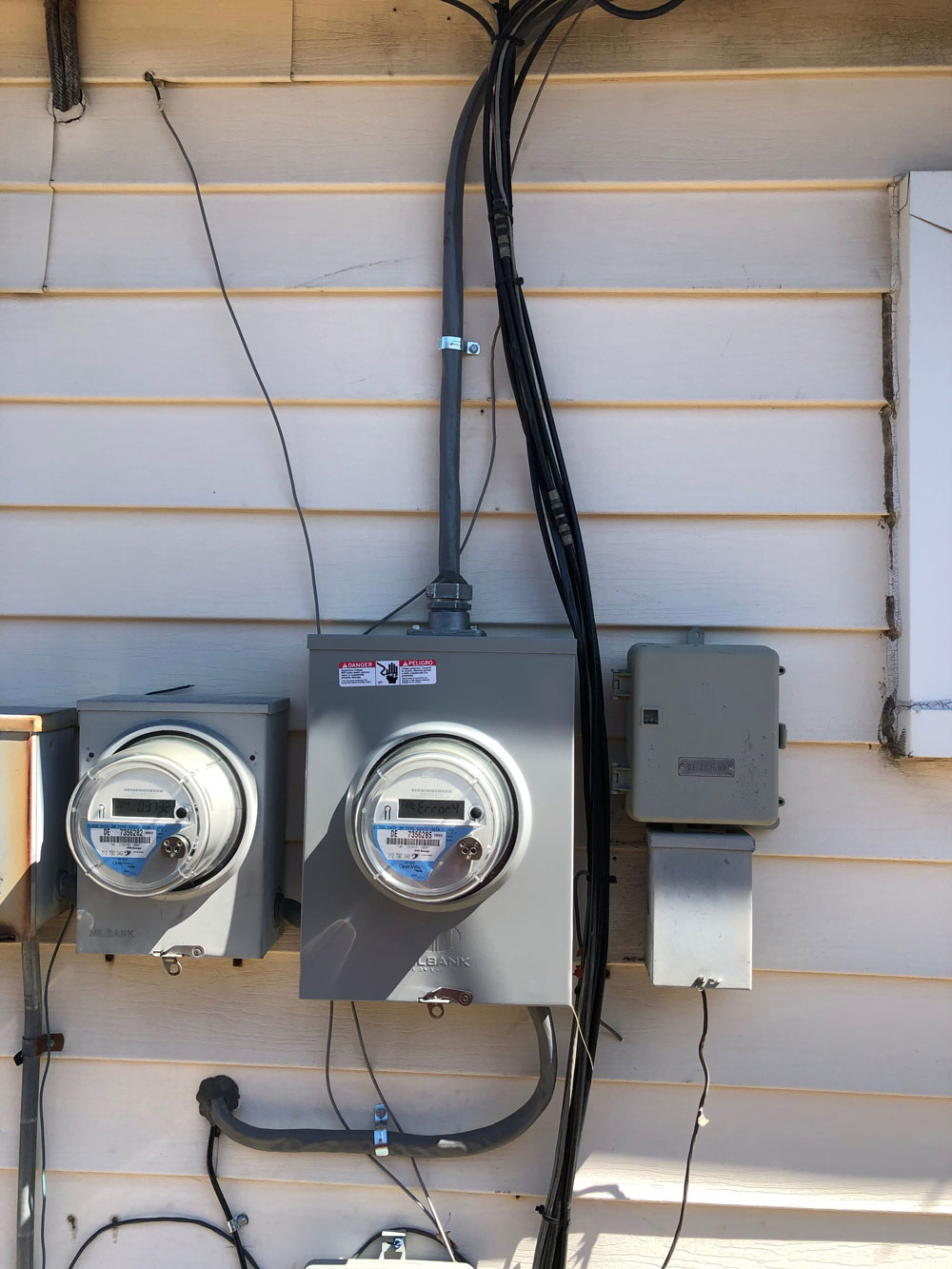
Generator transfer switch installation is the electrical work that allows a standby system to move a home or selected circuits from utility service to generator power in a controlled way. The transfer equipment prevents generator electricity from feeding back onto utility lines and directs power according to the installation design. It is a core part of automatic operation, not an optional accessory to treat as an afterthought.
The transfer switch choice and configuration should reflect the backup plan. Some designs focus on a limited set of essential circuits, while others are arranged for wider service coverage and load management. During a conversation with Executive Electric, homeowners can ask which circuits will be supported, how the transition works during an outage, and what equipment will remain off when generator power is active.
Practical benefits, limits, and ownership considerations
A Generac home generator can provide valuable continuity, but it is not a promise that every electrical load will operate without regard to system capacity. The system must be matched to the planned loads and kept in operating condition. Understanding both the benefits and the boundaries helps customers make a confident decision instead of expecting a one-size-fits-all solution.
- Automatic startup can reduce the need to react immediately when utility power is lost.
- Selected critical systems can remain available, supporting comfort, food preservation, communication, and property protection.
- A fixed standby unit avoids many of the setup and extension-cord tasks associated with portable generators.
- Planned electrical integration provides a more organized backup-power approach than trying to power household equipment ad hoc.
Fuel is an important part of the ownership conversation. A standby generator needs an appropriate fuel supply, and runtime during an outage depends on the system, demand, and fuel arrangement. Maintenance also matters. Following the manufacturer’s maintenance guidance and responding to service alerts helps keep the system prepared for the moment it is needed.
Before selecting a provider, ask focused questions about the proposed scope. Confirm how loads will be evaluated, what transfer method is planned, which items are expected to receive backup power, and what site conditions may affect the project. It is also reasonable to ask what the owner should do after installation, including how to monitor the generator and when to arrange recommended maintenance.
Is a standby generator a sensible fit for your home?
A standby generator may be a strong fit for homeowners who want automatic backup for vital systems, prefer not to handle portable equipment during an outage, or have property conditions that make uninterrupted power particularly valuable. It can also make sense for households with remote work needs, temperature-sensitive concerns, a reliance on a sump pump, or a desire to keep core appliances functioning. The best fit is determined by priorities and electrical realities, not by a generic package.
Conversely, a portable unit may be sufficient when the goal is short-term, limited backup for a few devices and the owner is comfortable with manual operation. Some property owners may also decide that targeted electrical upgrades or a smaller essential-circuit plan is a better match than broad home coverage. Executive Electric can be contacted to begin with the questions that clarify which direction is appropriate for a property in Grosse Pointe Woods, Michigan.
Prepare for an informed installation conversation
Having a few details ready can make the initial discussion more productive. Make a short list of equipment that must stay on during an outage, note whether the home has experienced power interruptions that affected daily life, and consider any upcoming electrical changes. Photos of the electrical panel and proposed exterior area may also help frame the conversation, although the final plan should be based on an appropriate evaluation.
Executive Electric’s Clinton Township location gives customers a defined point of contact at 20504 Hall Rd, Clinton Township, MI 48038. For those evaluating generator installation in Grosse Pointe Woods, MI, the next step is to describe the property’s needs rather than guess at a model or capacity. Clear priorities make it easier to discuss a backup-power approach that is useful, safe, and aligned with the home.
Questions homeowners often ask
How does a Generac standby generator work during a power outage?
A standby generator monitors utility power through its transfer equipment. When an outage occurs, the system can start the generator and transfer planned loads to generator power. When utility service returns, the system transfers power back and the generator completes its shutdown sequence.
Will a generator power my entire home?
It can power an entire home only when the selected equipment, electrical design, and load plan support that goal. Many installations instead prioritize essential circuits or manage larger loads. A load evaluation is the reliable way to determine what a particular Generac system can support.
Do I need a transfer switch for a standby generator?
Yes, transfer equipment is a fundamental component of a standby generator system. It separates generator power from utility power and manages the changeover to the circuits or service covered by the installation. The configuration depends on whether the plan is for essential loads or wider home backup.
Can I contact Executive Electric about Generac generator installation if my property is in Grosse Pointe Woods, MI?
Yes. Executive Electric can be contacted about your generator goals and property details from its location at 20504 Hall Rd, Clinton Township, Michigan 48038. Share the systems you want to protect, your preferred level of coverage, and any questions about transfer equipment or installation planning.
Plan your backup-power project with Executive Electric
When outages would disrupt the systems your household depends on, a well-considered standby generator plan can offer practical peace of mind. Executive Electric can help begin the conversation around load priorities, transfer equipment, site considerations, and the questions that should be resolved before installation. Contact the team to discuss Generac generator installation for your Grosse Pointe Woods, MI property.
Contact Executive Electric to discuss your generator installation needs at 20504 Hall Rd, Clinton Township, MI 48038. Explain the backup power you want, and take the next step toward a more prepared Michigan home.