Generac generator installation Grosse Pointe Park, MI
Power interruptions can affect far more than lights and outlets. For homeowners considering Generac generator installation in Grosse Pointe Park, MI, a properly planned standby system can help keep essential household systems operating when utility power is unavailable. Executive Electric is located at 20504 Hall Rd, Clinton Township, MI 48038, and provides a clear starting point for discussing the electrical work, equipment planning, and site-specific considerations involved in a backup-power project.
A standby generator is designed to operate automatically through a coordinated system of generator equipment, electrical connections, and controls. The right setup depends on what a household needs to keep powered, how much electrical demand is expected, where equipment can be placed, and what local permitting or utility requirements may apply. Thoughtful planning before installation helps prevent surprises after the generator is in place.
What a home standby generator is designed to do
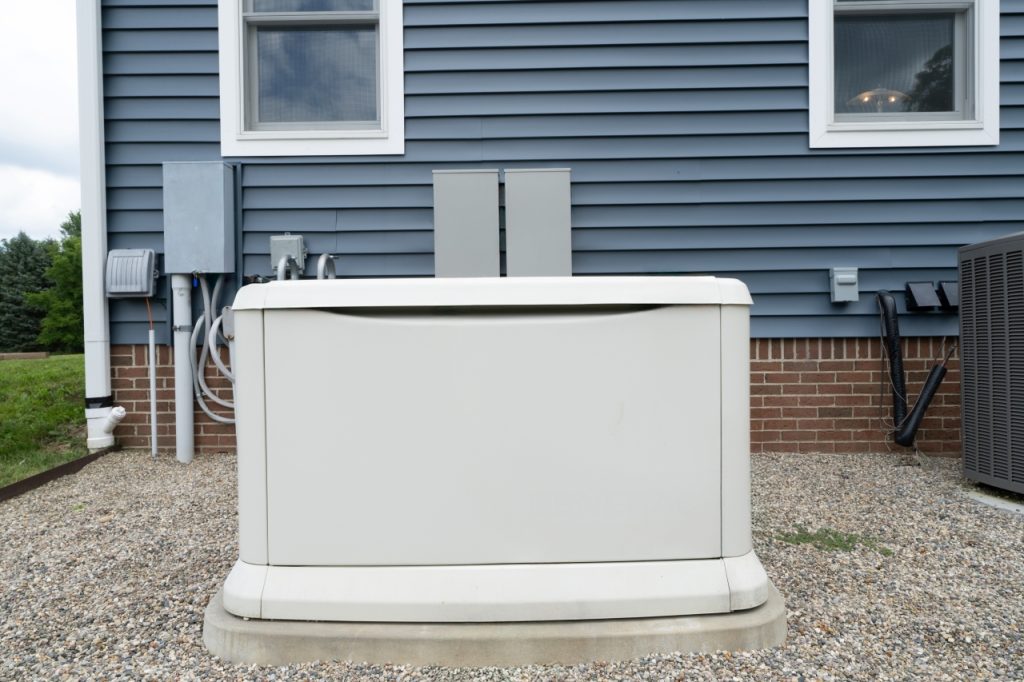
A Generac standby generator is a permanently installed backup-power system that can detect a utility outage and supply electricity to selected circuits or, in some designs, much of the home. Unlike a portable unit, it is not intended to be manually rolled out and connected during an outage. It works with an automatic transfer device that safely separates the home from the utility supply before backup power is delivered.
Many Michigan homeowners explore standby power because outages can disrupt heating equipment, sump pumps, refrigeration, security systems, internet equipment, medical-support devices, and remote-work arrangements. A backup generator does not eliminate the need for sensible energy management, but it can provide continuity for the loads identified during planning. The most useful system is one matched to realistic priorities rather than assumptions about powering every device at once.
Choose between essential-load and broader-home coverage
One of the first decisions is whether the generator should support a selected group of essential circuits or a larger portion of the electrical system. Essential-load planning may prioritize refrigeration, lighting, furnace equipment, sump pumps, select receptacles, and communications equipment. Broader coverage can offer more convenience, but it generally requires careful load calculation and may call for larger equipment or different electrical configuration.
- Essential-load systems focus on the circuits a household needs most during an outage.
- Whole-home or expanded-coverage systems are designed around a higher anticipated electrical demand.
- Load management can help coordinate major appliances so electrical demand stays within the generator’s available capacity.
- Fuel planning considers the generator’s approved fuel source and the practical requirements of the property.
Air conditioning, electric heat, well pumps, electric ranges, dryers, vehicle charging, and other large loads can materially affect system design. Homeowners should identify these loads early, including which equipment must work during an outage and which can remain off temporarily. This information gives an electrician a practical basis for discussing generator capacity and control options.
How Generac generator installation is planned
Generac generator installation is more than placing a generator beside a building and connecting a cable. It is an electrical project that must consider service equipment, load requirements, automatic transfer operation, approved placement, fuel coordination, and inspection requirements. Executive Electric can be contacted to discuss the details of a proposed standby-generator project for a Grosse Pointe Park household.
Planning starts with the home, not a one-size-fits-all generator size. Electrical demand varies substantially based on the home’s systems, appliances, panel configuration, and the owner’s expectations during an outage. A useful conversation includes the equipment that must remain available, the equipment that can be managed, and any future changes that could alter demand.
Generator transfer switch installation protects the system
Generator transfer switch installation is the central electrical component that allows a standby system to transition between utility and generator power safely. The transfer switch is designed to prevent generator power from feeding back into utility lines, while directing backup power to the intended circuits or service equipment. Its capacity, type, and placement must align with the generator design and the home’s electrical system.
Automatic transfer equipment can respond when it senses a loss of utility power, start the generator according to the system’s operation, and transfer loads after the generator is ready. When utility power returns and stabilizes, the system can transfer the home back and complete its shutdown sequence. This automation is a major distinction between a permanent standby generator and many portable backup options, although homeowners should still understand basic system status indicators and maintenance needs.
A typical project follows a coordinated sequence
Every property has its own conditions, but a residential generator project generally moves from needs assessment to electrical design, equipment placement, installation, testing, and homeowner orientation. Permits and inspections, when required by the relevant authority, are important parts of a compliant installation. Fuel-source work may require separate coordination, depending on the selected equipment and site conditions.
- Discuss outage priorities, electrical loads, and the desired level of coverage.
- Review the existing electrical service, panel arrangement, and possible transfer-switch configuration.
- Evaluate practical generator placement, including clearance, access, and connection considerations.
- Coordinate the electrical installation with applicable permits, inspections, and fuel-related work as needed.
- Complete startup, transfer-operation testing, and a review of normal operating expectations.
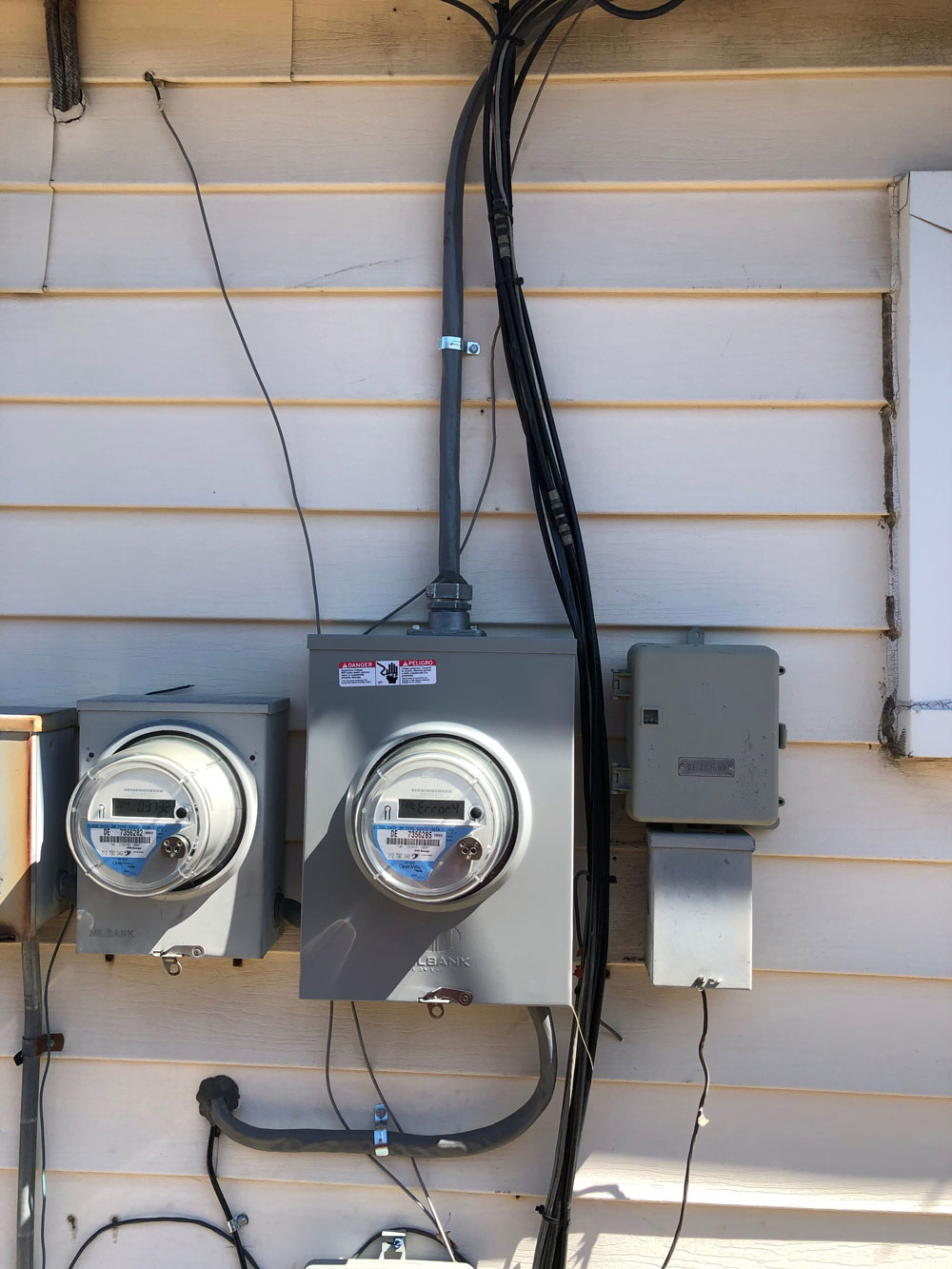
Installation day may involve work near service equipment, panelboards, or the selected transfer location, so homeowners should plan for access to these areas. The electrical scope can also require a controlled interruption of power while connections are completed. Asking in advance about the anticipated work sequence, access needs, and testing process can make the experience easier to prepare for.
Important factors to review before selecting a system
The best backup-power decision balances protection, practicality, and budget without overpromising what a particular generator can run. A smaller system dedicated to essential circuits may be a sensible solution for one household, while another household may need a design capable of supporting more extensive electrical demand. Generator selection should follow a realistic load discussion, not a nameplate comparison alone.
Questions that shape the right generator design
Before requesting a proposal, make a short list of the systems that matter most during a prolonged outage. Include both everyday needs and seasonal equipment, since winter heating support and summer cooling demands can create very different electrical scenarios. Also consider whether renovations, appliance replacements, or electric-vehicle charging could change the home’s future electrical profile.
- Which circuits or appliances are essential for safety, comfort, food storage, and communication?
- Do large motor loads, HVAC equipment, pumps, or electric heating need to operate on backup power?
- Is the goal automatic coverage during an absence, or mainly convenience while occupants are home?
- What fuel source is available or appropriate for the generator being considered?
- What maintenance access will the installed equipment need after the project is complete?
Homeowners should also ask who is responsible for each portion of the project. Electrical installation, generator equipment, fuel connections, concrete or mounting preparation, permits, and inspections can involve distinct tasks. Clear scope discussions help a customer understand what is included and what coordination may be needed outside the electrical work.
Why an installed standby system may be preferable to alternatives
A portable generator can be useful for limited, temporary power needs, but it usually requires manual setup, fuel handling, safe outdoor positioning, and an approved means of connecting selected loads. A standby generator offers a more integrated approach because it is permanently installed and uses automatic transfer controls. The appropriate choice depends on the level of convenience, coverage, preparedness, and investment a household wants.
Battery backup systems are another option for certain homes and loads. They can be especially useful for short-duration needs and may pair with other energy equipment, but available runtime and high-demand appliance support depend on system design and stored energy capacity. A fuel-powered standby generator may be more appropriate when a household wants sustained backup capability, subject to the fuel arrangement and selected equipment.
For Grosse Pointe Park, MI residents, the central value of professional electrical planning is not simply having generator equipment on the property. It is having a system configured around the home, transfer equipment that supports safe operation, and a clear understanding of what the system is intended to power. Executive Electric can help begin that conversation from its Clinton Township, Michigan location.
Prepare for reliable ownership after installation
Installation is the beginning of generator ownership, not the end of it. Standby generators need periodic attention according to the equipment manufacturer’s guidance, including exercise cycles, inspection of visible conditions, and scheduled service. Homeowners should keep the area around the generator accessible and avoid storing materials where they could interfere with ventilation, service access, or operation.
It is also helpful to know how the transfer system behaves during normal utility restoration and how to recognize a displayed alert or status message. Keep installation records, equipment information, and contact details available for future service questions. If a home changes significantly after installation, such as through an addition or the installation of major electric appliances, the backup-power plan may deserve another review.
Talk with Executive Electric about backup power
Executive Electric offers a direct point of contact for homeowners who want to explore standby-generator electrical planning. The company is located at 20504 Hall Rd, Clinton Township, MI 48038, rather than in Grosse Pointe Park, so customers can discuss their property-specific needs, desired coverage, and questions about electrical scope before moving forward. A detailed conversation is the practical first step toward choosing a generator system that reflects the household’s actual outage priorities.
Ready to plan a more resilient home? Contact Executive Electric to discuss Generac backup generator options, transfer-switch considerations, and your Grosse Pointe Park, Michigan property. Reach the team at its location at 20504 Hall Rd, Clinton Township, MI 48038 to start the conversation.
Questions homeowners often ask
How does a Generac standby generator work during an outage?
A Generac standby generator monitors utility power through its transfer equipment. When an outage is detected, the generator can start automatically, the transfer switch isolates the home from the utility, and selected loads receive backup power. When utility service returns, the system transfers the home back and shuts down after its normal sequence.
Can a standby generator power my entire house?
It can, depending on the generator capacity, electrical demand, transfer equipment, and load-management design. Some homes choose broad coverage, while others prioritize essential circuits. A load review is needed to determine what the system can reasonably support, especially when major HVAC equipment or high-demand appliances are involved.
Do I need a transfer switch for a permanently installed generator?
Yes, a transfer switch or appropriate transfer equipment is a fundamental part of a standby-generator system. It manages the transition between utility and generator power and is designed to prevent backfeeding into utility lines. The equipment should be selected to match the electrical design and intended generator operation.
Is Executive Electric located in Grosse Pointe Park, MI?
Executive Electric is located at 20504 Hall Rd, Clinton Township, MI 48038. Homeowners seeking generator planning for properties in Grosse Pointe Park can contact Executive Electric to discuss their needs, electrical system, and the next steps for a potential standby-generator installation.