Generac generator installation Farmington Hills, MI
A properly planned standby generator can keep essential household systems available when utility power is interrupted. For homeowners researching Generac generator installation Farmington Hills, MI, the important question is not simply which generator to buy, but whether the system, electrical connection, fuel arrangement, and backup priorities fit the home. Executive Electric is located at 20504 Hall Rd, Clinton Township, MI 48038, and provides a clear point of contact for discussing a residential backup-power project in Michigan.
Standby power is especially valuable when an outage affects more than lights and outlets. Depending on the selected system and home configuration, a generator may support priorities such as refrigeration, heating equipment, sump pumps, medical-related household needs, internet equipment, and selected circuits. A professional assessment helps turn those priorities into a practical backup-power plan rather than an oversized or undersized purchase.
What a home standby generator installation is designed to do
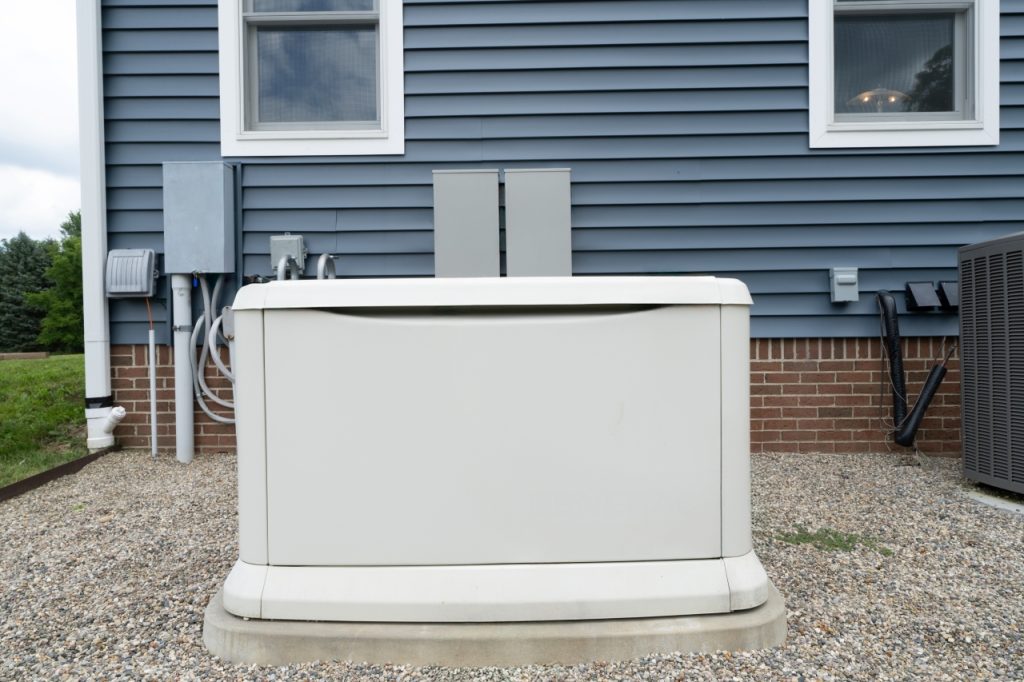
Generac generator installation connects a permanently installed generator to a home electrical system so the generator can supply power during an outage. Unlike a portable unit that must be moved, fueled, and connected after the power goes out, a standby system is designed to work with an automatic transfer arrangement. When utility service returns, the system transitions back to normal power operation.
The right approach begins with deciding what should remain powered, not with guessing at a generator size. Some households want whole-home backup where the electrical service and load calculations support that approach. Others prefer selected-circuit backup that focuses capacity on the systems most important to daily safety, comfort, and food preservation.
Decide which loads matter before choosing capacity
Load planning identifies the appliances and systems that may run at the same time during an outage. Heating or cooling equipment, well or sump pumps, refrigerators, kitchen circuits, laundry equipment, and electric water heating can create very different demand profiles. An electrical professional can evaluate starting loads, running loads, panel capacity, and the homeowner’s intended use before equipment is selected.
- Essential-circuit plans can prioritize refrigeration, lighting, communications, sump pumps, and selected receptacles.
- Broader backup plans may include more of the home, but they require careful load management and capacity planning.
- High-demand electric equipment may affect generator sizing, fuel consumption, and whether some loads should be managed during an outage.
- Future plans, such as finishing a basement or adding major appliances, are worth mentioning during the initial discussion.
Backup power does not mean every device must operate exactly as it does under normal utility service. Thoughtful generator sizing balances comfort, budget, available fuel, electrical demand, and the circuits a household considers essential. That conversation gives homeowners a meaningful way to compare options instead of relying on a single advertised wattage number.
Automatic operation depends on a safe switching method
A generator cannot be connected to a home’s electrical system by an improvised cord or unsafe backfeed arrangement. The system needs equipment that separates generator power from utility power, protecting the home, utility workers, and electrical equipment. This is why the switching portion of a standby project is as important as the generator itself.
Generator transfer switch installation establishes the controlled connection between the standby unit and the electrical panel. The transfer equipment detects an outage or is operated according to the system design, then transfers designated power safely without allowing generator electricity to feed back onto utility lines. Its rating, placement, and relationship to the service panel should be considered as part of the complete installation, not as an afterthought.
A practical process for Generac generator installation
A well-defined installation process helps prevent surprises about placement, electrical work, fuel, permitting, and the circuits that will receive backup power. For a Farmington Hills, MI homeowner, the first conversation should focus on the property and power goals, while the site assessment confirms what is feasible. Executive Electric can be contacted to start that project-specific discussion.
- Discuss outage priorities. Identify the systems that matter most and whether the goal is essential-load or more comprehensive backup.
- Review the site. Consider the electrical service, panel configuration, generator location, equipment clearances, access for service, and fuel source considerations.
- Plan the electrical scope. Determine the transfer equipment, circuit or load-management approach, wiring path, and any needed electrical modifications.
- Coordinate installation requirements. Local permit, inspection, fuel, and placement requirements should be confirmed for the specific property.
- Test and explain operation. After installation, homeowners should understand normal operation, outage behavior, indicators, and the importance of ongoing maintenance.
Site conditions influence the final design. Outdoor placement must account for manufacturer instructions, ventilation, access, and applicable local requirements, while the electrical layout affects how efficiently equipment can be connected. Fuel availability is another central consideration because a standby generator needs an appropriate fuel supply to operate for the duration of an outage.
Fuel, placement, and electrical capacity are connected decisions
Natural gas and propane are common fuel considerations for permanently installed residential generators, but the appropriate arrangement depends on the property and the proposed equipment. A larger generator may provide additional capability, yet it can also change fuel demand and the electrical design needed for reliable operation. Reviewing these factors together is more useful than treating generator capacity as a standalone shopping decision.
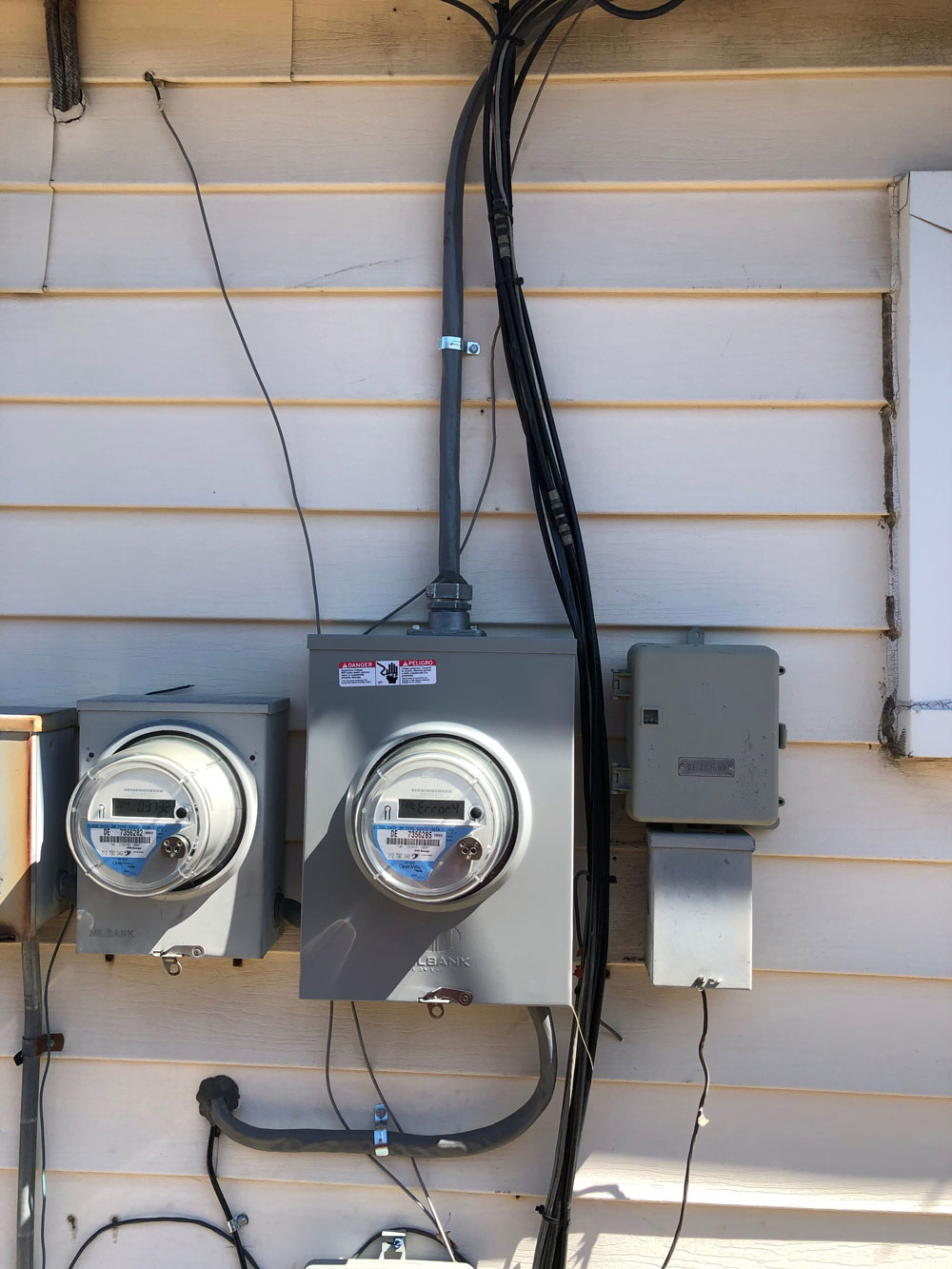
Electrical service capacity also deserves attention when a home has newer high-demand equipment or plans for additional loads. A professional review can identify whether the existing panel and service arrangement support the intended backup configuration or whether modifications should be considered. This up-front work helps align the system design with the home rather than forcing a generic package onto a unique electrical setup.
How to evaluate a backup-power provider and proposal
Choosing a provider for a standby generator project should involve more than comparing the generator model. A useful proposal addresses the electrical connection, transfer method, selected loads or whole-home strategy, site conditions, and the scope of work needed to put the system into service. Homeowners should also ask what equipment is included and what decisions remain dependent on the property review.
- Ask how generator capacity will be matched to essential and high-demand loads.
- Confirm whether the proposal addresses transfer equipment, panel work, wiring, placement, and fuel coordination.
- Ask how permits and inspections apply to the specific installation location.
- Find out what testing, homeowner orientation, and maintenance guidance are appropriate after installation.
- Request clarity about assumptions, exclusions, and any site conditions that could affect the final scope.
Price matters, but the lowest initial equipment figure may not describe the complete project. A less expensive generator that does not match the home’s expected loads can leave important systems unsupported, while excess capacity may add unnecessary cost and fuel requirements. Comparing complete scopes helps homeowners make a more informed decision about standby generator setup in Michigan.
Executive Electric can be a relevant resource when you want to discuss the electrical side of a planned backup-power system with a company based at 20504 Hall Rd, Clinton Township, MI 48038. In a conversation about Generac generator installation, provide details about the home, the systems you want protected, and any known electrical or fuel constraints. Clear project information supports a more useful evaluation of next steps.
Reliable backup power starts with realistic expectations
A standby generator is intended to reduce disruption during an outage, but it still needs a correctly designed installation and routine attention. Homeowners should review the manufacturer’s operating information, keep the generator area accessible, and arrange appropriate maintenance for the equipment after it is installed. A generator that is rarely considered after installation can be less ready when it is needed most.
It is also helpful to distinguish standby generators from portable generators. Portable equipment can be a lower-cost option for limited, temporary power needs, but it generally requires manual setup, safe outdoor use, fueling, and an approved connection method. A permanently installed Generac system is a different investment because it is integrated with the home’s electrical infrastructure and designed around outage response.
Questions Farmington Hills homeowners often ask
How does a Generac standby generator work during a power outage?
A standby generator monitors utility power through its transfer equipment. When an outage occurs, the system starts the generator and transfers approved household loads to generator power. When utility power returns and stabilizes, the transfer equipment returns the home to normal service and the generator shuts down according to its operating sequence.
Should I choose whole-home backup or essential-circuit backup?
The better choice depends on the home’s electrical load, the equipment you need during an outage, fuel considerations, and budget. Essential-circuit backup can focus on necessities, while a broader backup design can support more loads. A site-specific load review is the practical way to compare these options.
Does generator installation require permits or inspections in Farmington Hills, MI?
Permit and inspection requirements can apply to electrical work, generator placement, and related fuel connections. Requirements are property- and jurisdiction-specific, so they should be verified as part of planning rather than assumed. Confirming requirements early helps the project proceed with the appropriate approvals.
What information should I have ready before contacting Executive Electric?
Share the home address, the appliances or systems you want to power, the type of heating and major electrical equipment in the home, and whether natural gas or propane is available. Photos or details of the electrical panel can also help frame the initial conversation. Executive Electric can then discuss the next steps for a Generac generator project.
Discuss your Farmington Hills backup-power plan
If you are considering a standby generator because outages could affect your comfort, safety, or essential household systems, begin with a focused conversation about what your home needs to power. Executive Electric is located at 20504 Hall Rd, Clinton Township, MI 48038, not in Farmington Hills, and can be contacted to discuss a potential Michigan generator installation project. Contact Executive Electric to share your backup-power priorities and request information about the next step.