Generac generator installation Bloomfield Township, MI
A standby generator can keep essential household systems available when an outage interrupts utility power. For homeowners researching Generac generator installation in Bloomfield Township, MI, the most important starting point is a properly planned electrical connection, generator size, and transfer method that fit the home’s actual needs. Executive Electric is located at 20504 Hall Rd, Clinton Township, MI 48038, and provides a clear contact point for discussing a proposed generator project.
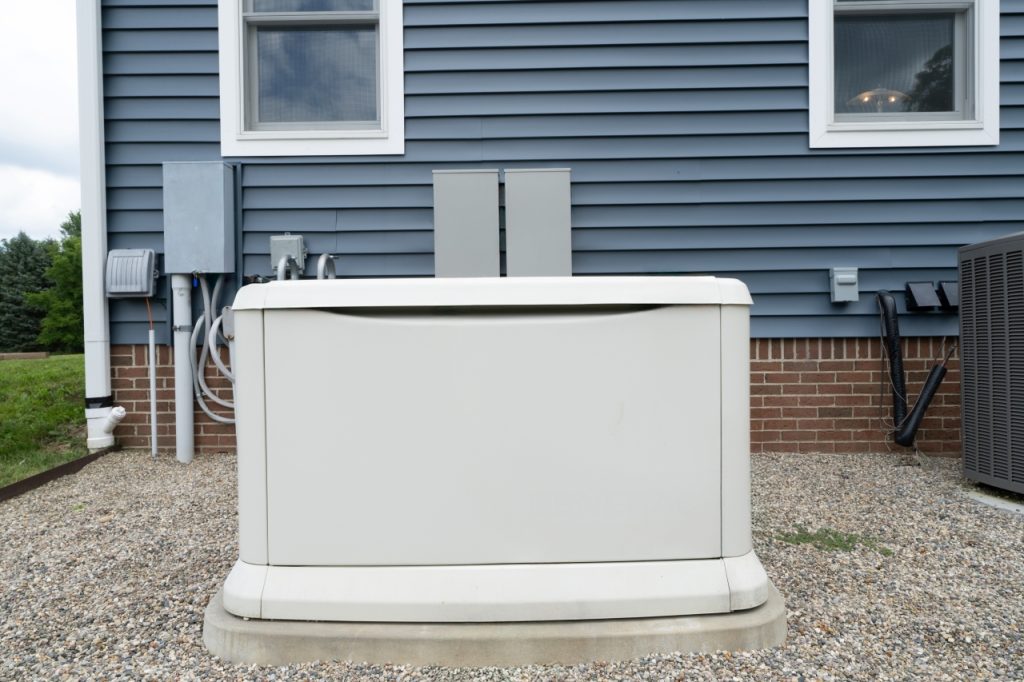
A permanently installed Generac unit is different from a portable generator rolled out after a storm. It is designed to work with a transfer system that separates the home from the utility supply before backup power is delivered. That coordinated design can support a more dependable, less hands-on response during an outage, while still requiring careful load planning and professional electrical work.
What a home standby generator is designed to do
Generac generator installation connects a standby power source to a home’s electrical system so selected circuits, or in some cases a broader portion of the home, can receive power when utility service is unavailable. The generator detects an interruption through its control and transfer equipment, starts when conditions call for it, and transitions the designated electrical load to backup power. When normal utility power returns, the system transfers back and the generator completes its shutdown cycle.
This type of backup system may be worth considering for households that want to reduce disruption to refrigeration, heating or cooling equipment, sump pumps, well pumps, security systems, internet equipment, medical-support equipment, or essential lighting. The right priorities differ by household. A thoughtful installation starts with identifying what must stay on, what would be convenient to keep on, and what can remain off during an outage.
Whole-home coverage and essential-load coverage are different choices
Whole-home backup is not automatically the right answer for every property. A larger system may be needed when a homeowner expects many high-demand appliances and comfort systems to operate at the same time, while an essential-load approach can focus capacity on the circuits that matter most. Appliance starting loads, electric heat, air conditioning, electric water heating, and other major loads can materially affect system sizing.
A load review helps turn a vague request for “enough power” into a practical plan. It considers the electrical demand of equipment the homeowner wants supported and how that equipment is likely to run during an outage. This is also the time to discuss future changes, such as adding equipment or changing major appliances, because those changes can influence whether the initial design leaves adequate room.
- Keep critical food storage, lighting, and communications available during a power interruption.
- Support selected mechanical systems where appropriate for the home’s electrical design and backup capacity.
- Reduce the need to handle extension cords, refuel a portable unit, or decide which appliance to power after an outage begins.
- Use automatic operation to simplify the transition between utility and standby power.
Planning the electrical side of a Generac system
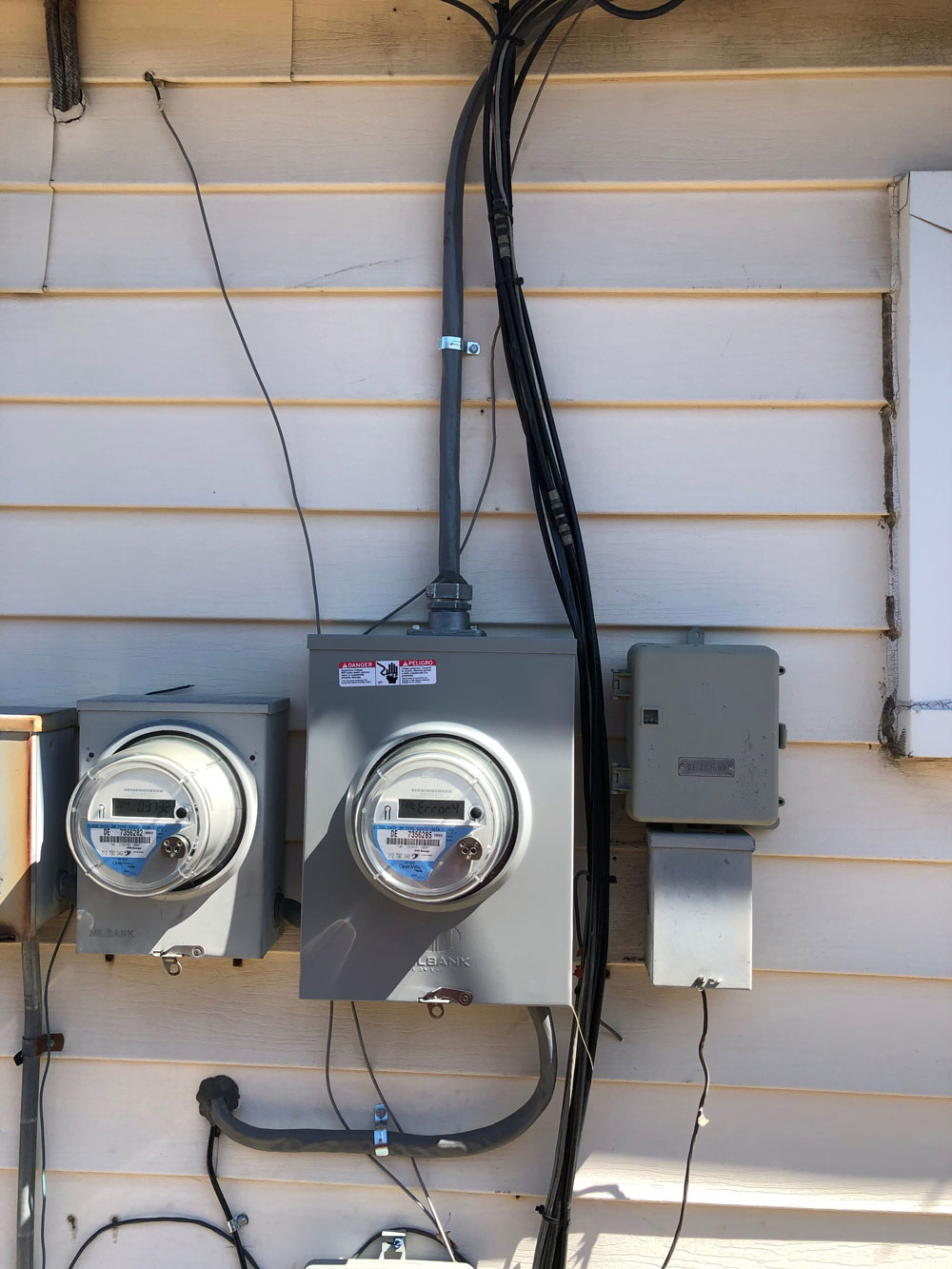
The electrical infrastructure around the generator matters as much as the generator itself. A safe standby installation requires a deliberate connection between the generator, the service equipment, and the circuits intended for backup. It should not be approached as a simple appliance hookup or as a way to backfeed power through an outlet, which can create serious hazards for occupants and utility personnel.
Why the transfer equipment deserves close attention
Generator transfer switch installation is the controlled method that prevents generator power and utility power from feeding the home at the same time. The transfer switch determines how the electrical source changes during an outage and whether the system is designed for selected circuits or a more comprehensive load arrangement. Its rating, configuration, and placement should align with the home’s service equipment and the planned generator capacity.
In practical terms, the transfer equipment is what makes automatic standby power possible. It monitors the normal electrical source, signals the generator to start when utility power is lost, and transfers the assigned load only when the system is ready. When power is restored, it returns the load to the utility and allows the generator to cool down, helping the homeowner avoid a manual switching process.
Site conditions, fuel, and permits affect the final plan
Before an installation moves forward, the property needs a site-specific review. The proposed generator location must account for clearance requirements, ventilation, access for service, the route for electrical conductors, and local requirements. A homeowner should also confirm the intended fuel source, such as natural gas or propane, because fuel availability and connection details are central to reliable operation.
Permitting and inspection requirements can vary by jurisdiction, so they should be addressed before work begins rather than treated as an afterthought. Electrical codes, manufacturer instructions, and applicable local rules guide details such as grounding, overcurrent protection, disconnecting means, and equipment placement. Asking how these parts of the project will be coordinated gives a homeowner a clearer picture of the scope.
- Discuss priorities. Identify the equipment, circuits, and comfort needs that matter during an outage.
- Review the property. Consider generator placement, electrical service configuration, access, fuel connection, and required clearances.
- Develop the electrical design. Match generator output and transfer equipment to the intended load strategy.
- Complete installation and required approvals. Install the equipment according to the project plan and applicable requirements.
- Learn the operating routine. Understand normal exercise cycles, alerts, basic owner checks, and whom to contact with questions.
What to ask before choosing a generator installation provider
A generator is a long-term electrical and mechanical system, so a productive conversation should cover more than the purchase of the unit. Homeowners in Michigan can benefit from asking for a clear explanation of what equipment is included, which loads the proposed system is expected to support, and what factors could change the final scope. A detailed discussion makes it easier to compare proposals based on design and usefulness rather than on a single equipment number.
Useful questions focus on the design, not just the generator model
Ask whether the recommendation is based on essential circuits or a whole-home objective, and request an explanation of any loads that may need to be managed during generator operation. Ask how the transfer switch will be integrated with the existing electrical service, what fuel considerations apply, and whether permits or inspections are expected. It is also sensible to ask about access for future maintenance, since an installed generator needs periodic attention to remain ready.
Cost decisions often involve tradeoffs. Choosing a smaller unit and prioritizing essential circuits can reduce the amount of backup capacity needed, while a larger system may offer more convenience for a home with substantial electrical demand. Neither option is universally better. The useful choice is the one that matches the homeowner’s outage priorities, existing service, fuel situation, site constraints, and willingness to manage loads.
Why an installed standby system can be a practical upgrade
For many households, the main value of Generac generator installation is continuity. The system can help protect routines and essential home functions when the grid is unavailable, especially when an outage occurs while residents are away or when manually setting up a portable generator would be inconvenient. Automatic operation does not eliminate every planning consideration, but it can make emergency power substantially easier to use.
Executive Electric can be a relevant contact for property owners evaluating a standby generator electrical project because the company provides a direct way to begin the planning conversation. The company’s listed location is 20504 Hall Rd, Clinton Township, MI 48038, rather than Bloomfield Township. Being precise about that location helps Bloomfield Township homeowners make an informed inquiry without assuming an office is located in the target community.
Good preparation also improves the ownership experience after installation. Keep the area around the generator clear, pay attention to system notifications, and follow the manufacturer’s guidance for routine exercise and maintenance. If the household adds significant electrical equipment later, review whether the backup plan still reflects the loads the generator is intended to carry.
Frequently asked questions
How does a Generac standby generator turn on during an outage?
A properly configured standby system uses transfer equipment to sense utility power loss, start the generator, and transfer designated electrical loads once the generator is ready. When utility service returns, the equipment transfers the load back to normal power and the generator shuts down after its programmed cooldown period.
Do I need a whole-home generator for my Bloomfield Township, MI property?
Not necessarily. An essential-load system may be a practical choice when the goal is to support selected circuits such as refrigeration, lighting, communications, or a pump. Whole-home coverage generally requires more capacity and a design that accounts for the home’s larger appliances and simultaneous demand.
Can a standby generator power every appliance at once?
That depends on the generator’s capacity, the transfer arrangement, and the home’s electrical load. High-demand equipment may require load management or may not be included in an essential-load plan. A load review is the appropriate way to determine what a proposed system is designed to support.
What should I prepare before contacting Executive Electric?
Make a short list of the systems you want available during an outage, note whether the home uses natural gas or propane, and identify any major electrical equipment such as air conditioning, electric heat, pumps, or an electric vehicle charger. This information helps frame a more useful discussion about generator sizing and transfer-switch design.
Start with a generator plan built around your priorities
Backup power decisions are easier when the conversation begins with the home’s real electrical needs instead of an assumed generator size. Whether the goal is protecting a few essential circuits or exploring broader coverage, Executive Electric can be contacted to discuss Generac generator installation, transfer equipment, and the project details that should be reviewed before installation.
Ready to take the next step? Contact Executive Electric to discuss your standby generator project. Executive Electric’s listed location is 20504 Hall Rd, Clinton Township, Michigan 48038, and the team can help begin a clear conversation about your Bloomfield Township, MI generator needs.