Generac generator installation Bloomfield, MI
Power outages can interrupt heat, refrigeration, sump pumps, lighting, internet access, and the routines that keep a household or business operating. For property owners researching Generac generator installation in Bloomfield, MI, Executive Electric provides a practical starting point for planning a standby-power system that is sized, connected, and installed around the electrical loads that matter most.
Executive Electric is located at 20504 Hall Rd, Clinton Township, MI 48038. The company serves customers seeking dependable electrical solutions in the region without representing Bloomfield as an office location. A thoughtful standby generator plan begins with the property, the essential equipment, and a clear understanding of what should remain powered when utility service is unavailable.
What a standby Generac system can do for a Bloomfield property
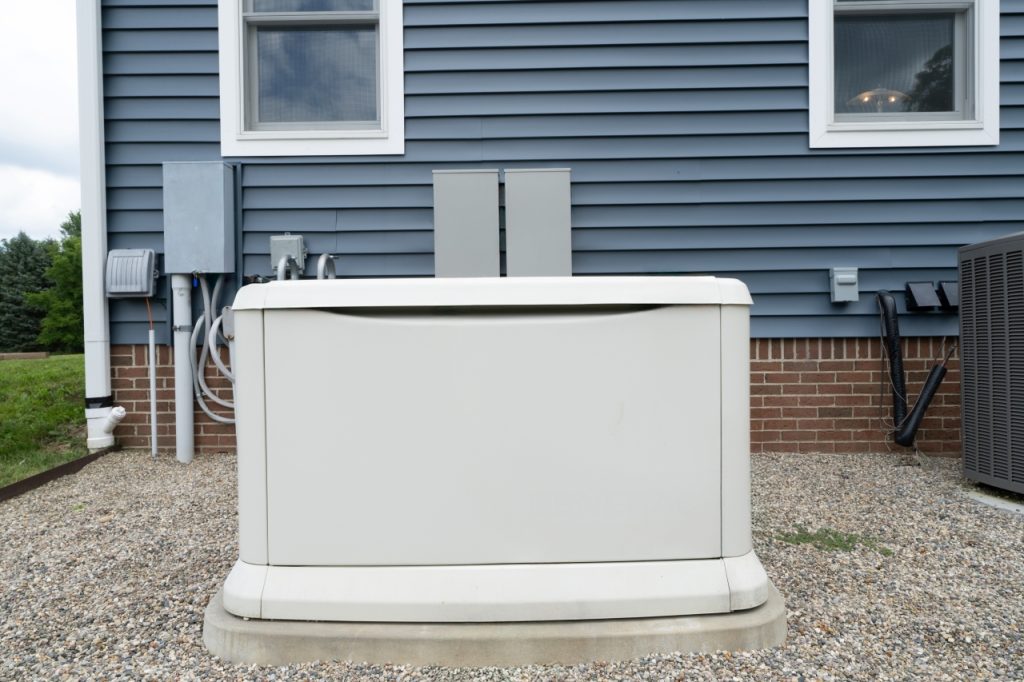
A permanently installed standby generator is designed to supply selected electrical loads, or in some cases much of a property, after an outage. Unlike a portable unit that must be moved, fueled, and connected manually, a standby system works with an automatic transfer arrangement to shift power safely when utility power fails and return the home or building to normal utility power when service is restored.
The main benefit is continuity during an outage. The right system can help keep critical systems operating without relying on extension cords or a rushed setup in difficult weather. The actual capability depends on generator capacity, fuel source, transfer equipment, panel configuration, and the loads selected during planning.
- Maintain power for essential lighting, refrigeration, and selected receptacles.
- Support heating equipment, a sump pump, security equipment, or communications systems when compatible with the planned load calculation.
- Reduce disruption for households that rely on electric medical-support equipment or need a more reliable work-from-home setup.
- Provide an organized backup-power approach for businesses that need to protect operations, inventory, or critical equipment.
Not every property needs whole-home coverage. An essential-load design can be a sensible choice when the priority is protecting core circuits, while a larger system may be considered by owners who want broader coverage. Comparing those approaches early helps align expectations, equipment size, fuel demand, and installation scope before a project moves forward.
Essential-load backup versus broader power coverage
Essential-load backup focuses generator capacity on circuits that are most important during an outage. This may include refrigeration, lighting, internet equipment, selected outlets, a furnace or boiler, and a pump, depending on the electrical design. It can be an efficient solution when a homeowner does not need every appliance or comfort system energized at the same time.
Broader coverage can provide more flexibility, but it requires a careful review of starting loads and simultaneous demand. Air conditioning, electric heating, electric ranges, dryers, hot tubs, and similar high-demand equipment can significantly affect system sizing. A professional assessment is valuable because generator selection should be based on real electrical requirements, not simply square footage or a guess based on a neighbor’s equipment.
A clear process for Generac generator installation
Successful standby-power projects are planned electrical installations, not just equipment deliveries. Executive Electric can discuss the property’s needs and help the owner understand the decisions involved in a Generac generator installation, including which circuits or systems should receive backup power and how the generator will integrate with the existing electrical service.
The process typically starts with a conversation about what happens during an outage. A homeowner may prioritize a sump pump and refrigeration, while another may need heating, internet, security devices, or a home office. For a commercial property, the priority might be selected equipment, lighting, communications, or operational continuity rather than every circuit in the building.
- Review power priorities. Identify the equipment, appliances, and circuits that are important when utility power is unavailable.
- Evaluate the electrical system. Consider panel arrangement, service capacity, load needs, and the pathway for generator and transfer equipment connections.
- Choose the system approach. Determine whether an essential-circuit plan or broader backup strategy makes sense for the property.
- Coordinate installation details. Generator location, fuel arrangements, applicable permits, utility requirements, and local code considerations all affect the plan.
- Complete startup and owner orientation. After installation, the owner should understand basic operation, system status indicators, and the importance of following the manufacturer’s maintenance guidance.
Conditions differ from property to property, so the exact sequence and scope can vary. Existing electrical equipment, site access, the desired generator location, and fuel availability can all shape the work. Asking for a site-specific evaluation is the most useful way to move from a general idea to a realistic backup-power plan.
Why the transfer switch is central to safe backup power
Generator transfer switch installation is the part of a standby-power project that manages the connection between utility service and generator power. The transfer equipment is designed to isolate power sources and direct electricity to the intended circuits, helping prevent unsafe backfeeding into utility lines or an electrical system.
An automatic transfer switch can recognize a utility outage and initiate the sequence that transfers selected loads to generator power after the generator is ready. When utility service returns, the system transitions back according to its design. The type and capacity of this equipment must suit the generator, service configuration, and desired coverage, which is why it should be considered at the same time as generator sizing rather than as an afterthought.
Fuel, placement, and practical site planning
Standby generators commonly depend on a permanent fuel supply such as natural gas or propane, subject to the equipment selected and the property’s available service. Fuel planning matters because a generator’s operating duration and performance depend on an adequate supply and properly considered connection. Property owners should discuss fuel-source questions early instead of assuming an existing line will automatically meet every system’s needs.
Placement is also more than an appearance decision. The proposed location should account for manufacturer clearance requirements, service access, exhaust, ventilation, drainage, noise considerations, electrical routing, fuel routing, and any applicable local requirements. A site review helps identify constraints before equipment is chosen or a schedule is set.
How to choose the right backup-power approach
The best generator plan is the one that matches the consequences of an outage, the property’s electrical demand, and the owner’s budget for the complete installation. A smaller system may be appropriate when only a defined group of critical circuits needs support. A larger system may better fit owners who want more appliances and systems available, but higher capacity does not eliminate the need for sound load management and correct installation.
It is useful to distinguish a permanently installed standby generator from a portable generator. Portable equipment can be useful for temporary, limited needs, but it generally requires manual setup and careful outdoor operation. A Generac home backup generator paired with automatic transfer equipment is intended to offer a more integrated response, making it a strong option for owners who want a dedicated system rather than an improvised outage routine.
- Which appliances, pumps, HVAC components, and circuits are priorities during an outage?
- Do any high-demand appliances need to operate at the same time?
- Is the goal automatic restoration of power or temporary, manual backup?
- What fuel source is available, and what installation work may be needed to support it?
- How will the system be maintained in line with the generator manufacturer’s recommendations?
A qualified electrical provider should be willing to discuss these tradeoffs in plain language. Useful planning conversations address load calculation, transfer-switch selection, electrical-panel integration, installation location, permitting expectations, and the owner’s power priorities. Clear answers on these points are more valuable than choosing a generator only by a broad label such as whole-home or emergency power.
After installation: ownership and readiness
Installing a generator is the beginning of a long-term backup-power plan. Owners should retain system documentation, understand normal status indications, and follow the applicable Generac maintenance schedule and operating instructions. Routine attention helps ensure that a standby system is more likely to be ready when an outage occurs.
It is also smart to revisit priorities after changes to the property. A new appliance, finished space, added pump, HVAC upgrade, or altered work-from-home setup can change the loads an owner expects the system to support. Keeping those changes in mind helps preserve realistic expectations about backup capacity.
Talk with Executive Electric about standby power
For Bloomfield, Michigan property owners, Executive Electric offers a local electrical contact point for exploring a generator installation with the details that matter: loads, transfer equipment, site conditions, and a plan for the systems you want protected. The company’s location at 20504 Hall Rd, Clinton Township, MI 48038 provides a clear place to begin the conversation while keeping the focus on a solution tailored to the property rather than a one-size-fits-all package.
Whether you are comparing essential-circuit backup with wider coverage or replacing the uncertainty of a portable setup with an automatic standby system, a project discussion can clarify the next step. Contact Executive Electric to describe your outage concerns and request information about a Generac standby generator installation for your property.
Ready to plan for outages with more confidence? Contact Executive Electric to discuss Generac generator installation in Bloomfield, MI and connect with the team at 20504 Hall Rd, Clinton Township, Michigan 48038.
Frequently asked questions about standby generators
What happens during a Generac generator installation?
A typical project includes reviewing desired backup loads, evaluating the electrical service and panel, selecting generator and transfer equipment, planning placement and fuel connections, completing the electrical integration, and explaining basic system operation. Exact steps vary with the property, equipment choice, permitting needs, and existing conditions.
Can a standby generator power my entire home?
It can, if the generator capacity, transfer equipment, electrical design, and planned loads support that level of coverage. Many owners instead choose essential-load backup to power priority systems. A load review is the practical way to determine whether whole-home-style coverage or a selected-circuit approach is appropriate.
Why can’t I connect a generator directly to an outlet or panel?
Direct, improvised connections can create dangerous backfeed conditions and may damage equipment or endanger utility workers. Proper transfer equipment separates generator power from utility power and routes electricity to planned circuits. Generator connection work should be designed and completed as part of a correctly planned electrical installation.
Is Executive Electric physically located in Bloomfield, MI?
Executive Electric’s supplied location is 20504 Hall Rd, Clinton Township, MI 48038. The company is presented here for customers seeking generator solutions in and around Bloomfield, MI, without claiming a Bloomfield office location. Contact the company to discuss your property and service needs.