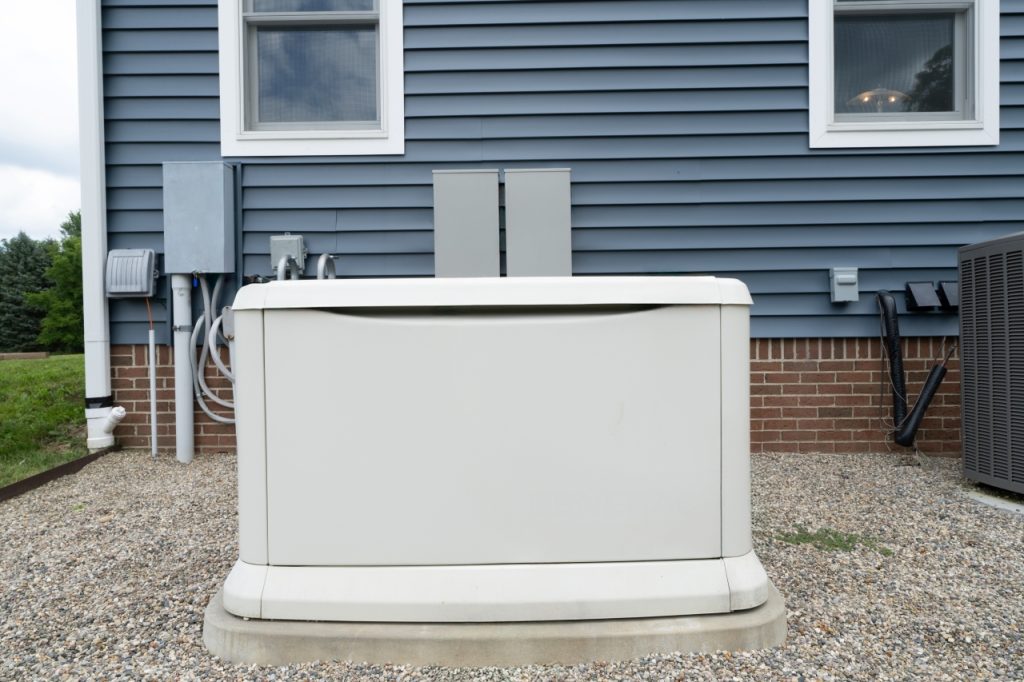
Generac generator installation Birmingham, MI
When an outage interrupts heating, refrigeration, lighting, internet access, or essential equipment, a permanently installed standby generator can restore power automatically. Executive Electric provides a clear starting point for homeowners considering Generac generator installation in Birmingham, MI, with a company location at 20504 Hall Rd, Clinton Township, MI 48038. The right system is not simply a generator placed outside, it is a carefully planned backup-power setup connected to the home’s electrical system.
A Generac standby generator is designed to detect a utility failure, start when needed, and supply selected or whole-home circuits through the proper switching equipment. That automatic response can reduce the disruption of a blackout without requiring someone to roll out, fuel, and manually connect a portable unit. A professional conversation before purchase helps match the system’s capacity and configuration to the way the property is actually used.
Backup power planned around your home and priorities
Generac generator installation is a practical choice for Birmingham, MI property owners who want dependable power for critical household functions when the utility grid is unavailable. A standby unit can support a limited group of priority loads or, when the electrical demand and selected equipment allow, a broader portion of the home. The best approach depends on what must remain operational, not on choosing the largest generator by default.
Executive Electric can help homeowners begin the decision process by identifying the electrical loads that matter most during an interruption. A thoughtful plan considers the home’s existing electrical service, the appliances and systems the owner wants backed up, the generator location, and the needed utility connections. These details affect comfort, safety, cost, and the day-to-day usefulness of the system.
Who benefits from a permanently installed generator?
Standby power can be especially valuable for households that depend on heating or cooling equipment, sump pumps, refrigerated food, home offices, security systems, or medical-related electrical equipment. It can also appeal to owners who travel, manage a vacant property, or prefer an automatic response instead of being home to start a portable generator. In Michigan, where weather-related interruptions can occur, backup power planning gives a household a defined plan for essential electrical needs.
Not every property needs whole-home coverage. Some owners want a system focused on the furnace, refrigerator, a few lights, internet equipment, and key receptacles. Others may prioritize more extensive coverage, but higher-demand loads such as central air conditioning, electric ranges, electric water heaters, hot tubs, and multiple large appliances require careful load evaluation before they are included.
Choosing essential-load or broader home coverage
An essential-load design generally focuses generator capacity on the circuits that protect safety, comfort, and basic household operations. This option can be a sensible fit when the goal is to keep a smaller, clearly defined list of systems running. Broader coverage may provide more normal day-to-day functionality during an outage, but it requires a larger planning conversation about electrical demand, budget, equipment capacity, and which loads may operate at the same time.
- Heating equipment, sump pumps, refrigerators, lighting, and internet devices are common priority loads.
- Air conditioners, well pumps, electric cooking equipment, and large motor loads need individual consideration.
- Future changes, such as an addition, electric vehicle charging, or new appliances, can influence capacity planning.
- A realistic priority list helps avoid expecting a generator to run every high-demand appliance simultaneously.
Homeowners should also distinguish a standby generator from a portable generator. A portable unit can provide limited temporary power, but it typically requires manual setup, safe outdoor placement, fuel management, and a properly designed connection method. A permanently installed Generac system is intended to work with automatic transfer equipment, making it a better fit for owners who value a more integrated backup-power solution.
What a Generac installation involves
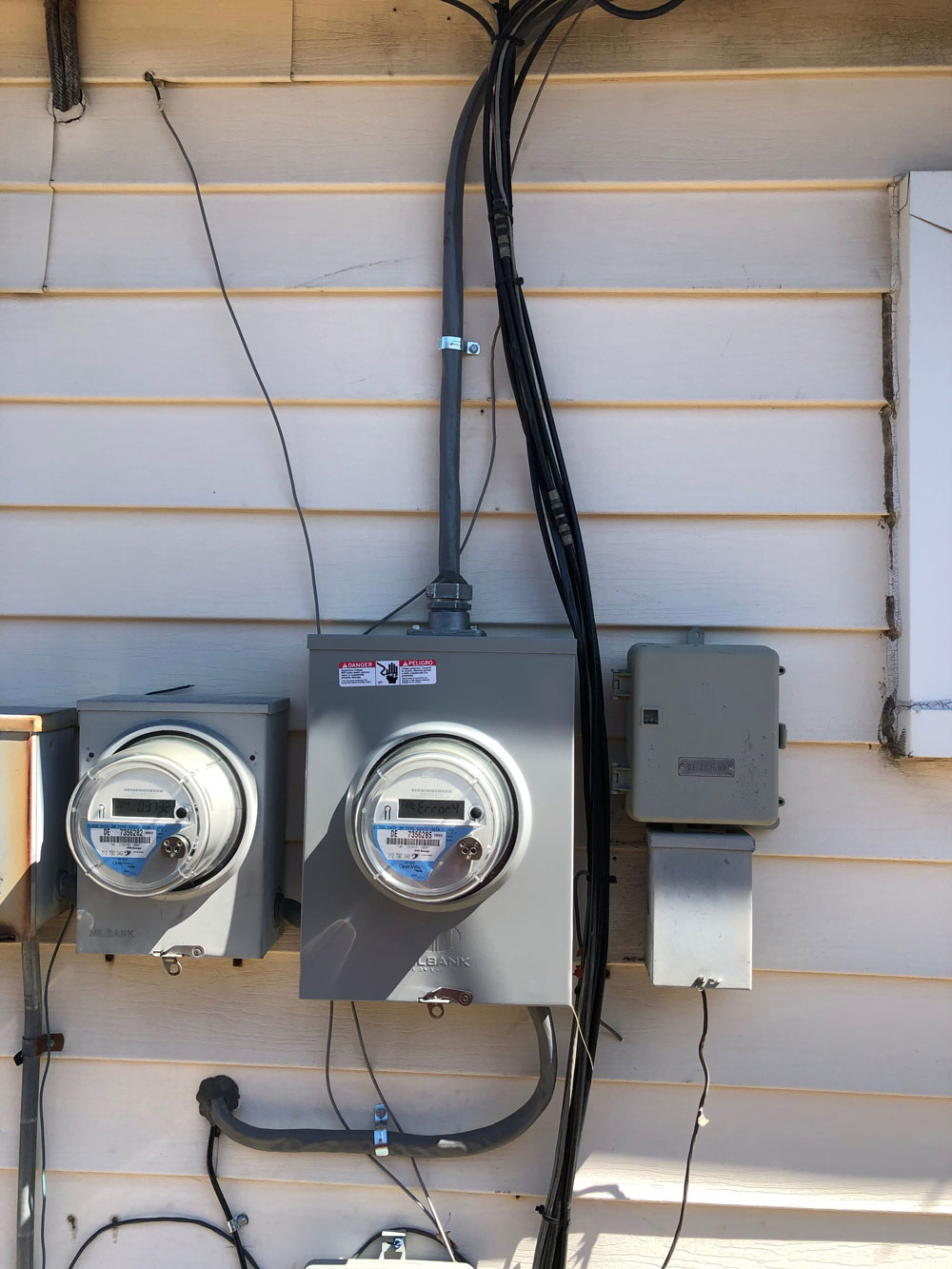
A successful standby generator project begins with an on-site assessment and ends with a system the owner understands. The installation must account for the generator, electrical panel or panels, transfer equipment, fuel source arrangements, placement requirements, and applicable permitting or inspection processes. Exact steps vary by home, so a professional review is more reliable than selecting equipment based only on square footage.
From electrical assessment to startup
The assessment phase is where the project takes shape. The electrical professional reviews the service equipment, identifies intended loads, and considers where the generator and related components may be positioned. This is also the time to discuss practical questions, including noise expectations, access for service, fuel type, and how the system will behave when utility power returns.
- Define outage priorities: Identify the systems and appliances that should receive backup power.
- Evaluate the home: Review electrical capacity, panel configuration, wiring pathways, generator placement, and fuel considerations.
- Select a system approach: Align generator output and transfer equipment with the desired backed-up loads.
- Complete installation work: Install the generator, electrical connections, transfer components, and required related equipment according to the project plan.
- Test and review operation: Verify the intended transfer sequence and explain basic owner responsibilities, including routine maintenance planning.
Site conditions matter as much as generator size. Clearance needs, existing landscaping, electrical routing, panel access, and the type of fuel available can all influence the final layout. Local permitting and inspection requirements may also apply, which is one reason a homeowner should address the full project scope before committing to equipment.
Why transfer equipment is central to safe backup power
Generator transfer switch installation is the part of a standby-power project that manages the change between utility power and generator power. The transfer switch isolates the home from the utility source while the generator is supplying electricity, which is essential for proper operation and helps prevent backfeeding. It also determines whether the system supplies selected circuits or supports a broader electrical load plan.
Automatic transfer switches are a major reason standby systems feel different from portable backup solutions. When utility power fails, the switch signals the generator to start and transfers approved loads after the unit is ready. When normal power returns, the equipment transfers the home back to the utility and allows the generator to shut down after its programmed cooldown sequence.
Questions to settle before you schedule the project
The most useful installation decisions are made before equipment arrives. Homeowners should be ready to discuss what they want power for, how long they expect to rely on backup power during an outage, and whether the household’s electrical needs may change. Clear expectations help prevent a system from being undersized for important loads or oversized for the intended purpose.
- Which appliances and systems are truly essential during an outage?
- Does the home use natural gas, propane, or another fuel arrangement that affects generator planning?
- Are there multiple electrical panels, additions, or high-demand appliances to consider?
- Where can the generator be placed while maintaining appropriate access and required clearances?
- What maintenance routine will help keep the unit ready for an unexpected outage?
It is also wise to ask how the system will be tested after installation and what the owner should know about routine exercise cycles, alerts, and service needs. Standby generators are mechanical and electrical systems, not set-it-and-forget-it appliances. Regular maintenance remains important for battery condition, engine operation, fluid levels, and overall readiness.
For households researching Generac generator installation, the value of professional planning is that the generator, transfer switch, electrical load strategy, and property conditions are considered as one system. Executive Electric can be a relevant contact for Birmingham, MI homeowners seeking to discuss those components with an electrical provider rather than making assumptions from a product label alone. The company’s listed location is 20504 Hall Rd, Clinton Township, MI 48038, not Birmingham, so location details should be confirmed when arranging service.
Make an informed backup-power decision
A generator project is most effective when it solves a specific outage problem. Some families want to avoid a cold home and a flooded basement. Others need continuity for work, communications, food storage, or essential equipment. Defining that problem first makes the conversation about generator capacity and backed-up circuits more focused and productive.
Executive Electric offers a direct contact path for customers considering standby generator installation and related electrical planning. Bring a list of priority loads, questions about your electrical panels, and any known fuel-source details to the discussion. That preparation can help turn a broad interest in backup power into a practical plan for the home.
Frequently asked questions
How does a Generac standby generator work during a power outage?
A Generac standby generator monitors incoming utility power through automatic transfer equipment. When an outage occurs, the generator starts and the transfer switch moves approved electrical loads to generator power. After utility service is restored, the switch returns the home to normal power and the generator completes its shutdown sequence.
Can a standby generator power my entire Birmingham, MI home?
It may, but whole-home backup depends on the generator’s output, the home’s electrical demand, the loads selected, and the transfer-switch configuration. High-demand equipment can significantly affect sizing. An electrical assessment is the appropriate way to determine whether whole-home coverage or essential-load coverage better fits the property.
What is the difference between a transfer switch and the generator itself?
The generator creates electricity during an outage. The transfer switch manages how that electricity reaches the home and separates generator power from utility power. Both components are necessary in an integrated standby system, and their compatibility with the home’s electrical layout is an important installation consideration.
Where is Executive Electric located for customers seeking generator work?
Executive Electric lists its location at 20504 Hall Rd, Clinton Township, MI 48038. Customers interested in Generac generator installation in Birmingham, Michigan can use the company’s contact process to discuss their property, service needs, and scheduling details.
Ready to discuss backup power for your property? Contact Executive Electric through the contact page to start a conversation about Generac standby generator planning, transfer equipment, and your priority electrical loads. Executive Electric is located at 20504 Hall Rd, Clinton Township, MI 48038 and can help you take the next step toward a more prepared home.