Generac generator installation Auburn Hills, MI
When an outage interrupts heat, refrigeration, lighting, internet access, or a home-based workday, a permanently installed standby generator can provide a more dependable plan than extension cords and a portable unit. Executive Electric provides a clear starting point for homeowners considering Generac generator installation in Auburn Hills, MI: evaluate the loads that matter, choose an appropriately sized system, and plan the electrical connection correctly.
Executive Electric is located at 20504 Hall Rd, Clinton Township, MI 48038. Auburn Hills is a service-focused target area, not a claimed Executive Electric office location. A conversation with the company can help you discuss your property, electrical needs, and whether a standby power solution is the right next step for your Michigan home.
What a standby generator installation is designed to do
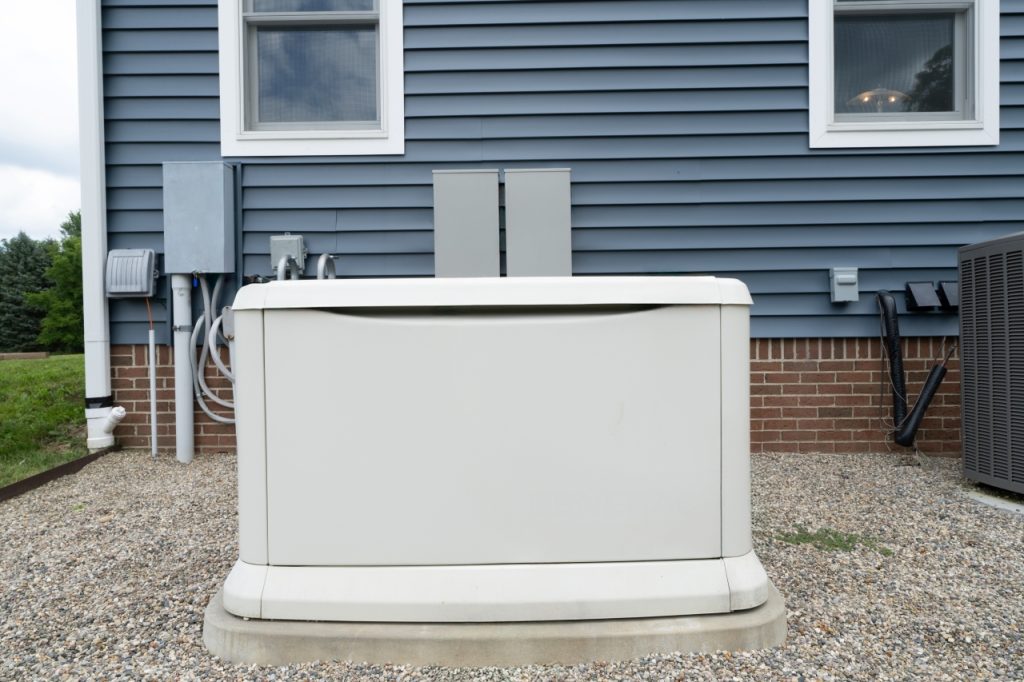
A standby generator is a permanently installed system that can supply selected electrical circuits, or potentially broader household loads depending on the design, when utility power fails. Unlike a portable generator that must be moved, fueled, and connected manually, a standby unit works with a transfer device that separates generator power from the utility supply. That separation is essential for safe operation and for preventing electricity from feeding back onto utility lines.
For many households, the value is continuity. A properly planned backup-power system can help keep essential appliances, a sump pump, certain heating equipment, security systems, medical-support equipment, communications devices, and refrigeration operating during an outage. The exact result depends on the generator capacity, fuel source, transfer-switch arrangement, and which circuits or loads the installation is designed to serve.
Who may benefit from whole-home or essential-load backup
Generac generator installation can be a practical consideration for homeowners who want less disruption during power interruptions, especially when losing a particular system would create a serious inconvenience or concern. It is not necessary for every home to power every electrical item at once. Some owners prefer an essential-load design that prioritizes key circuits, while others want capacity for a larger portion of normal household operation.
- Households relying on electric sump pumps, well pumps, or refrigeration
- Residents who need dependable connectivity for remote work or communication
- Homes with equipment that should not be left without power for extended periods
- Property owners seeking an automatic alternative to operating a portable generator
- Families who want a defined plan for outages rather than deciding what to power after the lights go out
The most useful choice begins with priorities, not a generator model number. Make a list of what needs power first, including starting loads for motors and equipment that cycles on and off. This helps distinguish a system intended for selected essentials from one designed to support more of the home.
Planning Generac generator installation for your property
A sound installation starts with an on-site assessment of electrical demand, panel configuration, equipment placement, fuel considerations, and the practical path for wiring. Executive Electric can use this planning stage to understand what the homeowner expects the system to do before equipment is selected or work is scheduled. Thoughtful planning helps avoid the common mistake of choosing capacity based only on square footage or a broad online estimate.
Load planning makes sizing more meaningful
Generator sizing is based on electrical loads, not simply the desire for “whole-home” power. Heating and cooling equipment, electric ranges, water heaters, dryers, pumps, compressors, and other high-demand appliances can substantially change the required capacity. An electrician should review what is already in the home and identify which loads may be managed, excluded, or prioritized during an outage.
This decision also involves tradeoffs. A larger system may support more equipment, but it can require a different budget, fuel supply approach, and installation plan. An essential-circuit system can be a sensible alternative when the goal is protecting the most important functions without designing for every convenience load.
Generator transfer switch installation connects the system safely
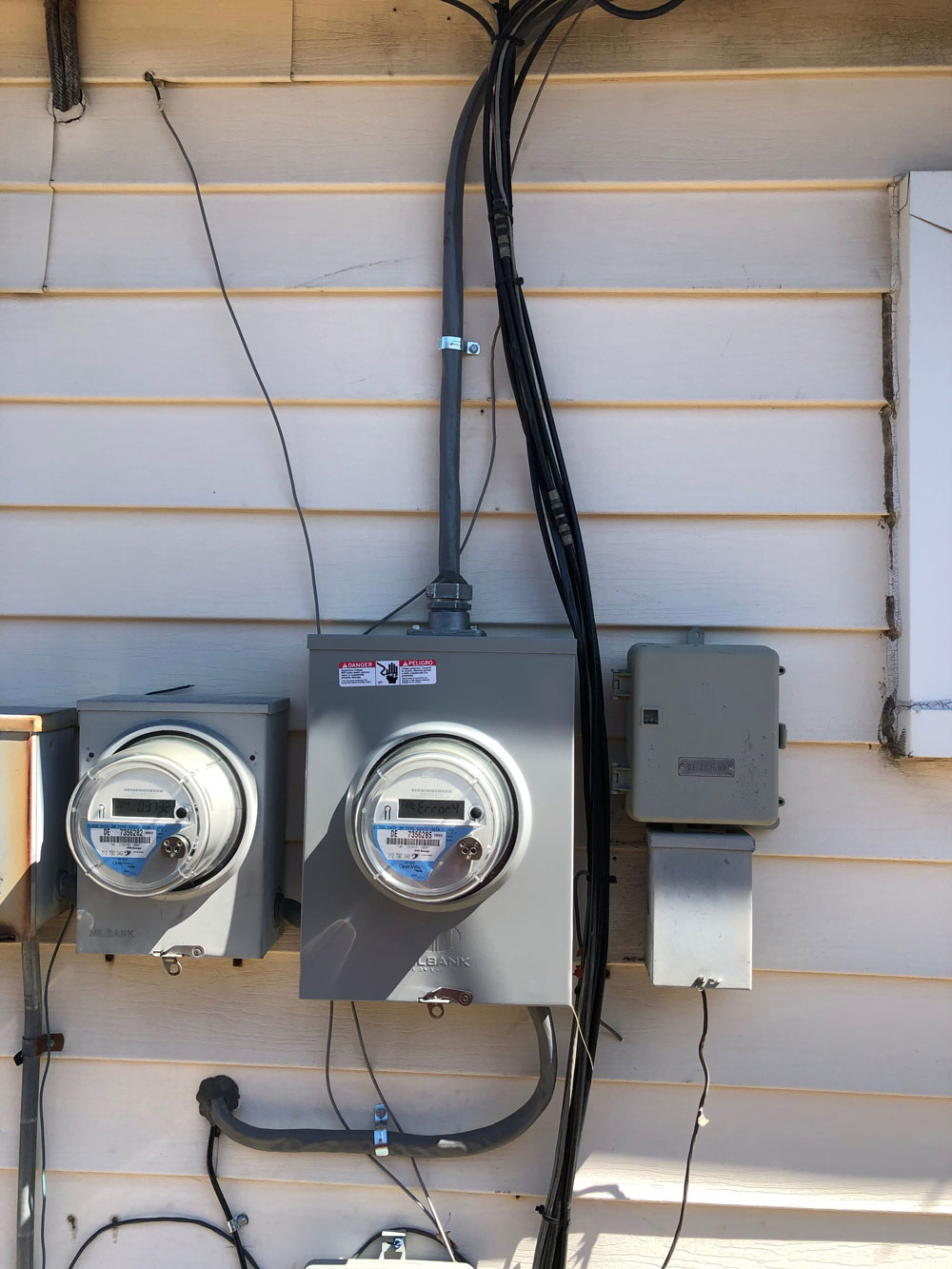
Generator transfer switch installation is the electrical work that allows a standby generator and the utility service to operate as separate power sources. The transfer equipment detects a utility interruption and, in an automatic configuration, directs designated power to the generator after the system starts. When utility service returns, the equipment transfers the home back to normal power and allows the generator to complete its programmed shutdown process.
The transfer switch also determines how power is distributed during an outage. Depending on the system design, it may serve a selected emergency panel, manage specified high-demand loads, or coordinate power for a broader service arrangement. Because panel capacity, circuits, and electrical service vary by home, this portion of the project should be matched to the property rather than treated as a one-size-fits-all accessory.
What to expect from the installation process
A residential standby-generator project generally moves from assessment to design, installation, testing, and owner orientation. Site conditions and local requirements can affect the sequence, so homeowners should ask about the anticipated steps for their particular property. The goal is not simply to place equipment outside, but to create an integrated backup-power system that functions predictably when utility power is unavailable.
- Discuss priorities and assess the home. Identify the appliances, systems, and circuits that matter during an outage, then review the existing electrical service and panel arrangement.
- Develop an equipment and connection plan. The plan considers generator capacity, the transfer method, placement, electrical routing, and fuel-source coordination where applicable.
- Complete installation work. This can include mounting the generator, installing transfer equipment, connecting electrical components, and completing applicable project requirements.
- Test operation and explain the system. Testing confirms the intended transition between utility and generator power. Homeowners should understand normal exercise cycles, basic status indicators, and when to request service.
Before work begins, clear access to the proposed equipment and electrical areas is helpful. It is also wise to identify any loads that cannot be interrupted easily, such as sensitive electronics or specialized equipment, so those needs can be part of the discussion. A qualified professional can explain what will happen during testing and how the planned configuration affects everyday electrical use.
Placement, fuel, and maintenance deserve early attention
Generator placement is more than a visual decision. The selected location needs to accommodate the equipment, electrical connection, ventilation needs, access for future service, and applicable clearance or permitting requirements. Fuel is equally important because a generator can only run as long as its fuel arrangement supports the demand placed on it.
Homeowners should also plan for ongoing care after installation. Standby systems commonly perform scheduled self-tests, but an exercise cycle is not a substitute for appropriate maintenance, inspection, or attention to warnings. Ask how to monitor the unit, what routine care is expected, and who to contact if the system indicates a fault or does not operate as expected.
Questions to consider before choosing a provider
The right provider conversation should focus on your home’s actual electrical needs and the scope of the proposed work. Be cautious of recommendations that promise complete outage coverage without reviewing significant loads, transfer equipment, and fuel considerations. A clear proposal should help you understand what the system is intended to power and what may remain unavailable during an outage.
- Which circuits, appliances, or systems will the proposed generator support?
- How was the recommended capacity determined?
- Will the design use an essential-load panel, load management, or a broader service connection?
- What transfer equipment is included, and how will it operate when utility power returns?
- What site, fuel, permitting, or utility coordination items may be relevant?
- What testing and owner instruction will occur once the work is complete?
Executive Electric can be relevant when you want to move from a general concern about outages to a property-specific electrical discussion. For homeowners researching Generac generator installation, the important next step is identifying the desired outcome, whether that means protecting essentials or planning for more extensive backup power. Clear expectations make it easier to evaluate system options without assuming that every home needs the same configuration.
Talk with Executive Electric about backup power
Backup power is most effective when it is planned before an outage, with a realistic understanding of the home’s electrical loads and the system’s intended role. Executive Electric, located at 20504 Hall Rd, Clinton Township, MI 48038, can help Auburn Hills, Michigan homeowners begin that planning conversation. Discussing the property, priority circuits, and generator goals early can provide a clearer path toward an appropriately designed installation.
If you are ready to explore a standby generator, contact Executive Electric to discuss your needs and request next-step information. Share the systems you want to protect, your concerns about outages, and any questions about transfer equipment or generator capacity. Executive Electric’s Clinton Township, MI location is available as the listed company location for this inquiry.
Generac generator questions from Auburn Hills homeowners
How does a Generac standby generator work during a power outage?
A Generac standby generator works with automatic transfer equipment. When utility power fails, the transfer equipment isolates the home from the utility, starts the generator, and supplies the circuits included in the design. When utility power returns, the system transfers back and the generator shuts down after its normal sequence.
Can a generator power my entire home?
It can be designed to support many household loads, but whether it powers the entire home depends on generator capacity, the electrical service, fuel arrangement, and the appliances operating at the time. High-demand equipment may require load management or a larger system. A load assessment is the reliable way to determine the appropriate scope.
Do I need a transfer switch with a standby generator?
Yes, transfer equipment is a central part of a standby-generator system. It separates generator power from utility power and directs electricity to the planned circuits or service arrangement. This is what allows an automatic standby system to transition between power sources without relying on extension cords or manual panel connections.
Is Executive Electric located in Auburn Hills, MI?
Executive Electric’s listed location is 20504 Hall Rd, Clinton Township, MI 48038. This page addresses Generac generator installation for homeowners seeking information in Auburn Hills, MI and throughout the surrounding Michigan region. Contact Executive Electric to discuss your property and confirm whether the project is a fit.