Home Generator Installation West Bloomfield Township, MI
When a utility outage interrupts lighting, refrigeration, heating equipment, internet access, or essential devices, a permanently installed generator can restore a practical measure of normalcy. Executive Electric provides information and a path to professional Home Generator Installation for homeowners seeking dependable backup power in West Bloomfield Township, MI. Executive Electric is located at 20504 Hall Rd, Clinton Township, MI 48038, and West Bloomfield Township is a service market, not a stated office location.
A home generator is not simply a larger portable unit. It is an integrated electrical system that is selected for the home’s needs, connected through appropriate transfer equipment, and designed to operate safely when normal utility power is unavailable. The right plan begins with understanding which circuits, appliances, and systems truly matter during an outage.
Build an outage plan around the way your household lives
The best generator plan starts with priorities, not a one-size-fits-all equipment choice. Some households want selected essentials running, while others want broad coverage for daily living during extended interruptions. A thoughtful assessment helps align electrical demand, fuel source, installation space, and budget with the level of backup power that makes sense for the property.
Essential-load coverage or broader whole-home power
Whole house generator installation is often considered by homeowners who want a system designed to support much of the home rather than only a short list of circuits. Actual capacity still matters: large electrical loads such as central air conditioning, electric ranges, electric dryers, spas, and well pumps can significantly affect generator sizing. Discussing normal household routines and the loads that cannot be interrupted provides a more useful starting point than choosing by square footage alone.
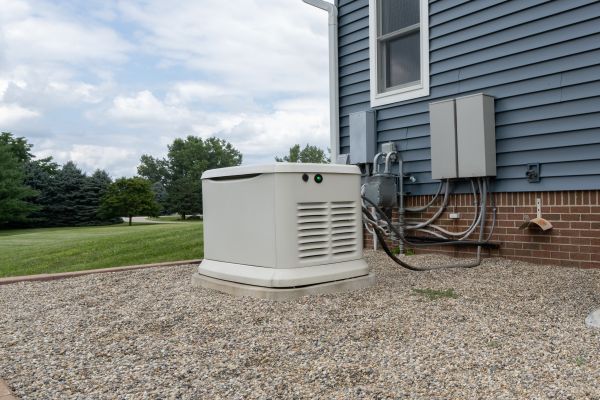
Standby generator installation typically refers to a permanently installed generator that works with an automatic transfer switch. When utility power fails, the transfer equipment separates the home from the utility supply and can signal the generator to start; when power returns, the system transitions back in a controlled manner. This automatic operation is a key distinction from manually deploying a portable generator after an outage begins.
A Home standby generator can be especially appropriate for households that travel, have frequent work-from-home needs, rely on sump equipment, or want to reduce the disruption of a power loss. It may also be a sensible consideration where a household depends on refrigeration, communications, security-related equipment, or electrically powered comfort systems. The practical goal is continuity for the loads the family identifies as important, not necessarily powering every device at once.
- Lighting, refrigerators, freezers, and internet equipment
- Sump pumps and other water-management equipment
- Furnaces, boilers, circulation pumps, or selected cooling loads
- Garage doors, security equipment, and key charging needs
- Selected kitchen circuits and medically necessary equipment, when applicable
Why load planning is more important than a nameplate number
Generator capacity must account for both running wattage and the higher starting demand created by certain motors and compressors. A planning conversation should identify what may run simultaneously, which loads can be managed or excluded, and whether future electrical changes could alter the demand. This approach helps avoid the common mistake of expecting a smaller system to operate all high-demand equipment at the same time.
Backup generator installation is therefore a system-design decision as much as an equipment decision. Transfer switching, load management, overcurrent protection, generator placement, and the home’s electrical configuration all influence the finished result. A professional review can clarify whether a selected-circuit arrangement or a more comprehensive automatic backup configuration better fits the household.
What a professional installation process should address
Home generator installation in West Bloomfield Township, MI should be approached as a coordinated electrical and site project. The work commonly includes evaluating the existing electrical service, establishing generator location and clearance considerations, selecting transfer equipment, planning the fuel connection, and addressing permits or inspections that may apply. Requirements can vary by property and local authority, so homeowners should confirm project-specific details before work begins.
- Discuss outage priorities. Identify essential circuits, comfort needs, sensitive equipment, and desired level of coverage.
- Review the electrical system and site. Consider panel configuration, service capacity, accessible equipment locations, routing, and practical maintenance access.
- Select the generator approach. Match capacity, transfer switching, load controls, and fuel type to the documented needs.
- Coordinate installation details. Address electrical connections, fuel work by the appropriate qualified provider, permits, and inspections as required.
- Test and learn the system. Verify operation and ensure the homeowner understands normal status indicators, exercise cycles, and maintenance responsibilities.
Residential generator services should make the electrical side of this process easier to understand, particularly for homeowners unfamiliar with transfer switches and load calculations. Ask what work is included, how the existing panel will be evaluated, who is responsible for fuel-related coordination, and what inspections may be needed. Clear answers help the homeowner compare proposals on scope and suitability rather than only on the generator’s advertised output.
Fuel choice and placement deserve early attention
Natural gas generator installation is a common option because a permanently connected fuel supply can support automatic standby operation without routine gasoline storage. Fuel availability, gas-line sizing, local requirements, generator capacity, and the demands of other gas appliances are important project considerations. A homeowner should not assume an existing gas line automatically supports every generator size without proper evaluation.
Propane may be an alternative where it suits the property and fuel plan, while portable gasoline-powered units serve a different, more manual use case. Permanent generators also require an outdoor location that supports safe exhaust clearance, airflow, service access, and compliance with applicable site rules. Generator placement should never be decided solely by convenience or appearance.
Choose a backup solution that fits real risks and expectations
The value of a generator is not limited to keeping lights on. Well-planned home electrical backup solutions can reduce the consequences of food spoilage, interrupted remote work, loss of selected heating or cooling capability, and water-management concerns during an outage. They also give homeowners a defined plan before a storm or grid interruption occurs, instead of requiring rushed decisions in difficult conditions.
Home electrical backup solutions can range from a portable generator used with a properly installed inlet and manual transfer equipment to an automatic standby system that supports selected or more extensive loads. A portable option may cost less initially and can fit limited needs, but it requires safe outdoor setup, manual operation, fuel handling, and close attention to connection safety. An installed standby system offers automation and greater continuity, but it involves more planning, equipment, and site coordination.
Power outage backup solutions should also include realistic expectations about what happens during an interruption. An automatic system may start after a short delay rather than providing instant power, and system capacity determines which loads can operate together. Routine maintenance and periodic testing remain important because backup equipment must be ready when it is needed, not merely installed.
Questions worth asking before you move forward
Before selecting a provider or system, request a conversation that focuses on your house rather than a generic package. It is reasonable to ask how loads will be calculated, which circuits or appliances are intended to operate, what transfer method will be used, and what permits or inspections may apply. You can also ask about required owner maintenance, testing expectations, equipment access, and how future additions such as an electric vehicle charger or new HVAC equipment could affect the plan.
- What essential loads should the system support first?
- Will the design power the full panel, selected circuits, or managed loads?
- What fuel arrangement is appropriate for the proposed capacity?
- What electrical upgrades, if any, may be identified during the assessment?
- Who handles each portion of electrical, fuel, permitting, and inspection coordination?
- How will the system be tested, and what ongoing maintenance does the manufacturer recommend?
Executive Electric can be a relevant contact when you want to turn these questions into a clearer next step. A focused discussion of your electrical priorities, property conditions, and desired outage coverage can help define an installation scope before you commit to equipment. For homeowners in Michigan, this planning stage is often the most useful way to distinguish an appropriate standby system from an oversized or underpowered assumption.
Practical answers for West Bloomfield Township homeowners
How does an automatic standby generator work during an outage?
An automatic standby generator monitors utility power through transfer equipment. When an outage is detected, the transfer switch isolates the home from the utility source and signals the generator to start. After the generator stabilizes, designated electrical loads receive generator power; when utility service returns, the system transfers back and the generator shuts down after its normal cooldown sequence.
Can a generator run my entire home?
It can, but that outcome depends on the generator’s capacity, the home’s electrical demand, the transfer-switch arrangement, and load-management design. Homes with substantial electric heating, air conditioning, cooking, drying, or other large loads may need a more detailed plan. Many homeowners choose to prioritize essential systems rather than assume every appliance will operate simultaneously.
Is a portable generator a substitute for a permanently installed unit?
A portable generator can provide temporary power for selected needs, but it is not the same as a permanently installed standby system. Portable operation requires manual setup, outdoor placement, safe fuel handling, and an appropriate transfer method. A stationary system is designed for automatic operation and can offer a more integrated response to an outage.
Does Executive Electric have an office in West Bloomfield Township, MI?
Executive Electric’s supplied location is 20504 Hall Rd, Clinton Township, MI 48038. This page addresses Home Generator Installation for customers seeking service information in West Bloomfield Township, MI, and does not represent West Bloomfield Township as an Executive Electric office location.
Start with a generator plan that reflects your home
Backup power is most useful when its limits, priorities, and operating expectations are understood before an outage occurs. Whether you are comparing automatic standby options, evaluating essential-load coverage, or considering fuel and transfer-switch requirements, Executive Electric can help begin the conversation. Contact Executive Electric at its Clinton Township, Michigan location to discuss Home Generator Installation needs for your West Bloomfield Township property.
Contact Executive Electric to discuss your household’s outage priorities, electrical setup, and next steps for a professionally planned generator project.