Home Generator Installation Washington Township, MI
When an outage interrupts heat, refrigeration, lighting, internet access, or essential home equipment, a permanently installed generator can restore selected or whole-home power automatically. Executive Electric provides a clear starting point for homeowners researching Home Generator Installation in Washington Township, MI, including system planning, electrical considerations, and the questions that shape a sound decision.
Executive Electric is located at 20504 Hall Rd, Clinton Township, MI 48038. Washington Township homeowners can use a consultation to discuss household priorities, the electrical load they want to support, fuel options, site conditions, and the practical scope of a generator project before moving forward.
What a permanently installed generator does for your home
A home generator system is designed to detect a utility interruption and supply power through properly installed transfer equipment. Unlike a portable unit that must be moved, fueled, and connected after an outage begins, an automatic system is installed as part of the home’s electrical infrastructure. The result can be faster, safer access to backup power for the circuits or appliances selected during planning.
Home Generator Installation is not simply choosing a generator by physical size. A successful plan considers what needs power, how much electricity those loads require at startup and while running, where the equipment can be placed, and how it will connect to the electrical panel. Careful planning helps prevent a system from being asked to carry more than its intended capacity.
Choose the loads that matter most
Every household has a different definition of essential power. Some owners prioritize a sump pump, refrigerator, furnace or other heating equipment, lighting, a garage door, and internet equipment. Others want broader coverage for central cooling, kitchen circuits, laundry equipment, or more of the home, which generally calls for a larger and more carefully evaluated system.
- Life-safety and water-management equipment, such as sump pumps and certain alarms
- Comfort essentials, including heating controls, selected cooling loads, and lighting
- Food preservation, cooking needs, and household water equipment where applicable
- Connectivity for remote work, communications, security equipment, and charging devices
Listing priorities before an appointment makes the discussion more productive. It also helps distinguish must-have circuits from items that can remain off during an interruption. That distinction is central to sensible generator sizing and budget planning.
Whole-home coverage and essential-circuit plans
Whole house generator installation is appropriate when a homeowner wants the backup system evaluated for broad household operation rather than only a short list of critical circuits. The required capacity depends on the actual electrical demands in the residence, especially larger motor-driven and heating or cooling loads. A load assessment is more reliable than selecting equipment based only on the home’s square footage.
For many properties, an essential-load approach is a practical alternative. It focuses capacity on the equipment that protects the home and keeps daily routines workable during an outage. The right option is not automatically the largest one, but the one aligned with realistic expectations and the home’s electrical characteristics.
How the generator installation process is typically planned
A professionally planned generator project starts with the home, not a catalog model. The goal is to define the desired backup experience, evaluate existing electrical equipment, and identify the work needed for safe integration. Executive Electric can discuss these project elements with homeowners seeking generator installation in the Washington Township area.
- Discuss outage priorities: Identify critical appliances, systems, and comfort needs, along with the level of coverage the household expects.
- Review electrical demand: Evaluate running and starting loads so the proposed system can be matched to the intended use.
- Consider placement and fuel: Plan an equipment location, connection route, ventilation clearances, and available fuel source.
- Integrate transfer equipment: Connect the generator through appropriate switching equipment so utility and generator power are managed correctly.
- Test and explain operation: After installation, verify the system’s operation and make sure the owner understands normal status indicators and ongoing care needs.
Permitting, utility requirements, and local code expectations can affect the final scope. Homeowners should ask how these factors will be addressed for their specific Michigan property instead of assuming all homes require the same configuration. It is also wise to ask what site preparation or coordination with a fuel provider may be needed before installation day.
Automatic standby systems versus portable generators
Standby generator installation creates a fixed backup-power arrangement that can operate automatically with a transfer switch when utility power fails. Portable generators can be useful for temporary, limited use, but they require manual setup, fuel handling, and correct outdoor operation. A permanently installed system is often considered by households that want a more consistent response to extended or unexpected outages.
A portable option may fit a smaller backup need, while an automatic standby unit can support a more deliberate electrical plan. Neither choice should involve unsafe connections to a home panel. Backfeeding power through an outlet or improvised connection can endanger occupants, utility workers, and electrical equipment.
Generator options that deserve a closer look
The equipment and design should reflect the household’s needs, not a one-size-fits-all recommendation. Comparing the following approaches helps Washington Township, MI homeowners frame a useful conversation with an electrical professional.
Understanding a home standby system
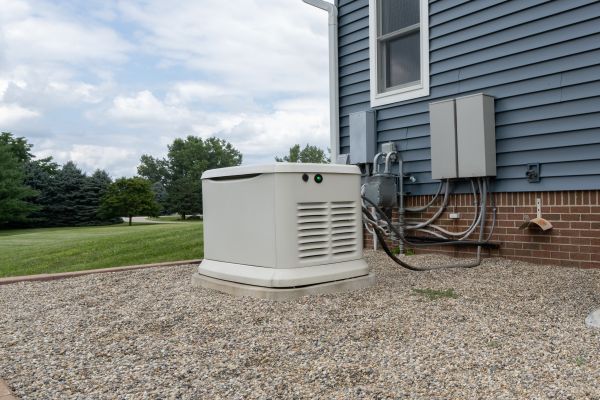
A Home standby generator is a permanently positioned unit that works with automatic transfer equipment to supply backup electricity after a power loss. It is intended to remain ready between outages, rather than being rolled out and connected only after one begins. Routine owner attention and manufacturer-recommended maintenance remain important to dependable operation.
This type of system can make particular sense for households with frequent work-from-home needs, vulnerable plumbing or water-management concerns, medically important equipment that requires reliable power, or a preference for reduced disruption. The specific equipment supported still depends on system capacity and the load plan. Clear expectations upfront prevent surprises when the generator is operating.
Fuel planning and natural gas considerations
Natural gas generator installation may be an attractive option for a home with an available gas service because it can avoid the repeated refueling routine associated with portable gasoline units. Fuel availability, meter capacity, piping requirements, equipment specifications, and applicable approvals should all be reviewed as part of the project. A site-specific evaluation is the appropriate way to determine whether this approach fits a particular property.
Some homeowners may consider other approved fuel arrangements where suitable. The important point is to plan the generator, fuel supply, electrical connection, and placement as one coordinated system. Equipment location must also account for manufacturer instructions and applicable safety clearances.
Backup power support for different household goals
Backup generator installation can be tailored around continuity rather than luxury. A focused design might keep a refrigerator, selected lights, communications equipment, a furnace control, and a sump pump available when utility service is interrupted. A broader design can address more loads, but it requires an honest capacity review and may affect equipment and installation scope.
Residential generator services encompass more than putting a unit beside a house. A useful project conversation includes electrical-panel integration, transfer switching, load selection, fuel coordination, placement, startup expectations, and future maintenance planning. Homeowners should request clarity about what is included in the proposed scope and what responsibilities remain with other parties.
Home electrical backup solutions give owners a way to plan for power loss before it becomes an urgent problem. The best solution may be a whole-home arrangement, a critical-circuit design, or a different backup strategy based on budget, fuel access, and daily needs. Evaluating those tradeoffs in advance makes it easier to select a system that is useful rather than oversized or underpowered.
Power outage backup solutions are especially relevant when losing electricity affects more than convenience. They can help a household preserve food, maintain communications, reduce certain water-related risks, and continue using carefully selected home systems. Backup power does not eliminate the need for outage preparedness, so homes should still keep emergency supplies, follow local safety guidance, and understand the limits of their chosen system.
Questions to settle before you choose a provider
The provider conversation should leave you with a defined plan, not just a generator model name. Ask how loads will be evaluated, what transfer equipment is anticipated, how fuel and placement will be considered, and whether permits or inspections may apply. You should also understand which circuits or appliances are expected to operate during an outage and which are not.
- Which household loads are essential, and which can be managed or left off?
- Will the proposal explain generator capacity and transfer-switching arrangements?
- What site, electrical-panel, fuel, permit, or inspection factors may affect the scope?
- What owner checks and manufacturer-recommended maintenance will the system need after installation?
For homeowners comparing options in Michigan, a detailed discussion can turn a broad desire for backup power into a practical project outline. Executive Electric’s Clinton Township location provides a direct point of contact for discussing your property, your outage concerns, and the next steps for an installation plan.
Frequently asked questions
How does an automatic home generator work during a power outage?
An automatic generator system monitors utility power through transfer equipment. When an outage is detected, the system starts the generator and transfers selected electrical loads to backup power. When utility service returns and stabilizes, the transfer equipment moves those loads back and the generator shuts down according to its operating sequence.
Do I need a whole-house generator to protect my home during an outage?
No. Many homes benefit from a system designed for essential circuits rather than every appliance. The right choice depends on the loads you need to maintain, the electrical demand of those loads, fuel considerations, available space, and the level of convenience you want during an outage.
Can a generator power central air conditioning and other large appliances?
It can, if the generator and transfer equipment are planned for those electrical demands. Air conditioning, pumps, and other motor-driven equipment can have significant startup requirements. A load evaluation should determine whether those items fit the proposed capacity alongside the home’s other intended backup loads.
Is Executive Electric located in Washington Township, MI?
Executive Electric is located at 20504 Hall Rd, Clinton Township, MI 48038. Homeowners looking for Home Generator Installation in Washington Township, Michigan can contact Executive Electric to discuss their property and determine whether a generator project aligns with their backup-power needs.
Plan your home backup power with Executive Electric
A generator is most valuable when its capacity, fuel arrangement, transfer equipment, and supported loads have been planned before an outage occurs. If you are considering an automatic backup system for a Washington Township home, bring your priority list and questions to the conversation. Executive Electric can help you begin with the practical details that matter.
Contact Executive Electric to discuss your home generator project at 20504 Hall Rd, Clinton Township, MI 48038. Share what you need to keep running, and take the next step toward a carefully considered backup-power plan.