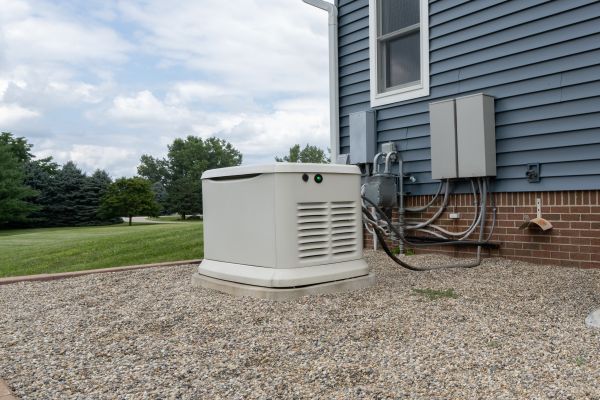
Home Generator Installation Troy, MI
When an outage interrupts heat, refrigeration, internet access, security equipment, or essential medical devices, a permanently installed generator can provide a more dependable plan than extension cords and a portable unit. Executive Electric helps homeowners explore Home Generator Installation options for Troy, MI, with planning centered on the circuits, appliances, and everyday needs that matter in each home. Executive Electric is located at 20504 Hall Rd, Clinton Township, MI 48038, and homeowners can contact the company to discuss their project.
A properly planned residential standby system detects a utility interruption, starts automatically, and transfers selected electrical loads to generator power. The right approach depends on what must keep running, the electrical capacity of the home, the available fuel source, and the site conditions. Rather than treating every property alike, start by defining what power continuity means for your household.
Plan backup power around the loads you cannot lose
The first decision is usually whether to support priority circuits or much of the home. A generator does not need to power every electrical item to deliver meaningful protection, but undersizing can limit comfort and oversizing can add unnecessary equipment and fuel demands. A site-specific load review helps turn an urgent concern about outages into a practical installation plan.
- Priority loads may include a furnace or boiler, sump pump, refrigerator, freezer, lighting, internet equipment, garage door opener, and selected outlets.
- Broader coverage may include additional heating and cooling equipment, kitchen circuits, well equipment, laundry loads, and more of the home’s panel.
- High-demand equipment, especially electric heat, large air-conditioning systems, and certain appliances, should be considered carefully during sizing.
For homeowners comparing approaches, Whole house generator installation generally refers to a system designed to carry most or all normal household loads within its rated capacity. That can offer a familiar, uninterrupted living experience during an outage, but it requires thoughtful load calculation, generator sizing, transfer equipment, fuel planning, and placement. A priority-load design can be a sensible alternative when the goal is to protect essential functions while managing scope.
Automatic transfer equipment is the safety connection
Standby generator installation includes more than setting a generator outside the house. It relies on correctly selected transfer equipment that isolates the home from utility lines before backup power is supplied, then returns the home to normal utility service when power is restored. This automatic transfer sequence is a central difference between a permanently installed standby setup and an improvised portable-generator connection.
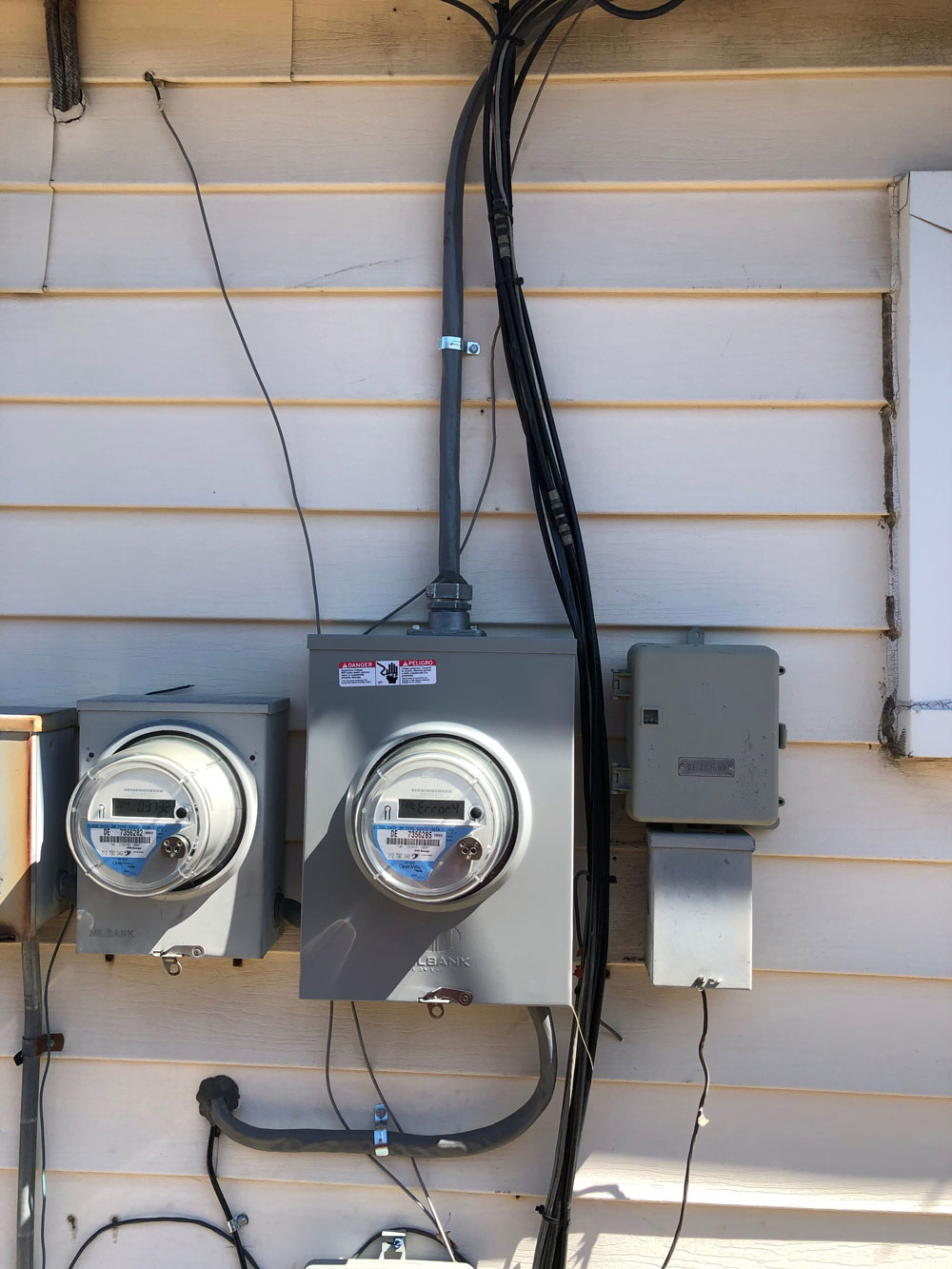
A transfer switch or suitable service-rated transfer equipment determines which loads receive generator power and prevents dangerous backfeeding into utility infrastructure. Electrical panel configuration, amperage, circuit selection, and the desired level of coverage all influence the design. Homeowners should ask how the proposed equipment will manage their selected loads, not simply focus on the generator’s nameplate rating.
Choose a system that fits how your household uses power
A Home standby generator is permanently positioned and intended to start automatically when utility power fails, making it especially useful when nobody is home or when manual setup would be difficult. It can support households that need dependable operation for comfort systems, water management, food storage, communications, or essential devices. The value is not only electricity during a storm, but also less disruption and less need to make time-sensitive decisions in poor conditions.
Portable generators can cost less initially and may be appropriate for temporary, limited needs, but they typically require manual deployment, fuel handling, outdoor positioning, and safe connection practices. A fixed system offers automation and dedicated transfer equipment, while a battery system may be better suited to selected loads and shorter-duration needs depending on capacity. Discussing the expected outage duration, fuel availability, and the loads your household actually uses helps clarify the tradeoff.
What a residential generator project typically involves
Reliable backup power begins with assessment, not with a one-size-fits-all generator recommendation. An electrical professional needs to understand the existing electrical service, panel arrangement, equipment you want supported, potential generator location, and fuel considerations. Local permits, utility requirements, manufacturer instructions, and applicable codes can also shape the final installation.
- Discuss outage priorities. Identify essential appliances, comfort equipment, pumps, communications, and any device that should remain available.
- Review electrical and site conditions. Evaluate the service equipment, likely transfer-switch arrangement, access, clearances, outdoor placement, and fuel path.
- Develop the system scope. Match generator capacity and transfer equipment to the chosen coverage level rather than assuming a single size fits every home.
- Coordinate installation requirements. Plan electrical work along with necessary fuel, permitting, inspection, and utility-related steps as applicable.
- Test and understand operation. After installation, verify normal and backup operation and learn the maintenance and exercise expectations for the equipment.
Backup generator installation is most useful when it is treated as a connected system, not just a piece of outdoor equipment. The generator, transfer equipment, electrical distribution, fuel supply, controls, and selected loads must work together during an outage. Early planning can also reduce surprises when a home has limited panel space, complex electrical loads, or equipment that needs special starting capacity.
Fuel choice and placement deserve early attention
Natural gas generator installation can be attractive for homes with an available natural-gas service because the system may draw from a fixed fuel supply instead of relying on refueling portable containers. Fuel piping capacity and pressure requirements still need careful review, particularly when other gas appliances operate at the same time. Where natural gas is not suitable or available, propane may be another option, with its own tank capacity and supply planning considerations.
Generator location is not simply a matter of finding open space. Outdoor equipment needs appropriate clearances from structures, openings, and other site features, along with a stable mounting location and access for service. Noise, exhaust direction, drainage, local requirements, and the route for electrical and fuel connections should be considered before equipment is selected or work begins.
Benefits that matter during a Michigan outage
Michigan weather and utility interruptions can create problems that extend beyond a dark room. A thoughtfully designed system can help reduce the risk of a basement water issue when a sump pump needs power, preserve refrigerated food, keep key communications online, and support a safer return to normal routines. Actual run time and supported equipment depend on the system design, fuel supply, load demand, and maintenance condition.
Residential generator services should help homeowners look beyond the purchase decision and consider the full life of the system. Before moving forward, it is useful to understand who will handle electrical scope, how transfer operation will be tested, what routine maintenance the manufacturer calls for, and how the homeowner will recognize alerts or service needs. Asking these questions upfront supports a better-informed decision and more realistic expectations after installation.
- Automatic response: selected household loads can receive backup power without rushing outside to start a portable unit.
- Targeted protection: a priority-circuit design can focus capacity on equipment that matters most during an interruption.
- Everyday resilience: backup power can help maintain lighting, connectivity, food storage, pumps, and heating-related equipment when utility service is unavailable.
- Safer planning: permanently installed transfer equipment avoids the unsafe practice of feeding generator power through an outlet.
Home electrical backup solutions can include several technologies, so the best choice is tied to the problem you are solving. A standby generator is often selected for automatic response and longer outage preparedness when fuel is available, while battery storage may serve limited loads without engine operation. A professional discussion should distinguish between emergency essentials, whole-home expectations, and the budget or site constraints that influence each option.
Power outage backup solutions are especially relevant for homeowners who have experienced repeated disruption or who cannot comfortably wait for utility restoration. The most effective plan identifies the consequences of an outage first, then selects equipment around those priorities. That framework helps avoid a common misconception that every backup system will run every appliance indefinitely or operate without periodic care.
Make an informed choice before scheduling installation
Before contacting Executive Electric, make a short inventory of what you want available when the power goes out and note equipment that cannot easily be without power. Include heating or cooling equipment, pumps, refrigeration, internet hardware, medical-support needs, and any large electric loads. It is also helpful to know whether natural gas is present and whether the electrical panel has had recent upgrades.
During a project conversation, homeowners in Troy, MI can ask about the proposed coverage level, how load calculations affect sizing, where transfer equipment would be located, and which parts of the project may require coordination. They can also ask what maintenance and periodic exercising the selected generator requires. Clear answers matter because a generator is a long-term electrical system, not a plug-in appliance.
Contact Executive Electric about backup power for your home
If you are weighing an automatic standby unit against a portable generator or battery backup, Executive Electric can be a practical point of contact for discussing your home-generator goals. Explain the appliances and systems you want protected, the kind of outages that concern you, and any known electrical or fuel constraints. That information provides a useful starting point for a focused project conversation.
Ready to take the next step? Contact Executive Electric to discuss Home Generator Installation for your Troy, Michigan home. Executive Electric’s listed location is 20504 Hall Rd, Clinton Township, MI 48038.
Questions homeowners ask about generator installation
What is included in Home Generator Installation?
Home Generator Installation typically includes planning the loads to be backed up, selecting appropriate generator and transfer equipment, connecting the system to the home electrical distribution, and coordinating fuel, permits, and inspections as applicable. The exact scope depends on the home’s electrical service, desired coverage, fuel source, site conditions, and local requirements.
Will a standby generator power my entire home?
It can, if the system is sized and designed for the home’s expected loads. Many homeowners instead choose essential-circuit coverage for items such as heating equipment, refrigeration, sump pumps, lighting, and internet equipment. Load calculations are important because large appliances and heating or cooling systems can significantly affect capacity needs.
How is a permanently installed generator safer than using extension cords?
A permanent system uses approved transfer equipment to isolate generator power from utility lines before supplying selected home loads. This controlled connection helps prevent backfeeding, a dangerous condition that can threaten utility workers and damage equipment. Portable generators must also always operate outdoors and follow manufacturer safety guidance.
Does Executive Electric have an office in Troy, MI?
Executive Electric’s supplied location is 20504 Hall Rd, Clinton Township, MI 48038. This page addresses Home Generator Installation for homeowners seeking information in Troy, MI; it does not state that Executive Electric has a physical office in Troy.