Home Generator Installation Shelby Township, MI
When an outage interrupts heat, refrigeration, sump pumps, internet access, or everyday routines, a permanently installed generator can keep essential systems available without the inconvenience of setting up a portable unit. Executive Electric provides a clear starting point for homeowners seeking Home Generator Installation in Shelby Township, MI, with service information and a direct way to discuss the needs of a particular property. The company is located at 20504 Hall Rd, Clinton Township, MI 48038.
A properly planned backup-power system is more than a generator placed outside the house. It is an electrical project that must account for the home’s load, the transfer equipment that separates utility and generator power, the fuel source, equipment placement, and safe connection to selected circuits or the entire electrical service. Careful planning helps homeowners choose a system that matches real priorities rather than simply choosing the largest unit available.
Choose backup power around the way your household operates
The right generator setup depends on what must continue operating during an outage and how much automatic convenience the household wants. Some Shelby Township households want coverage for a few critical loads, while others prefer a system sized to support most or all of the home. Executive Electric can be contacted to begin a conversation about the electrical side of that decision.
Whole-home coverage versus essential-circuit coverage
Whole house generator installation is designed around the goal of supporting the home broadly during a utility interruption, subject to proper load planning and generator sizing. This approach can be attractive for households that want heating or cooling equipment, kitchen appliances, lighting, well or sump equipment, and connected devices considered together. Because loads vary considerably, a professional assessment is important before deciding that whole-home coverage is the best fit.
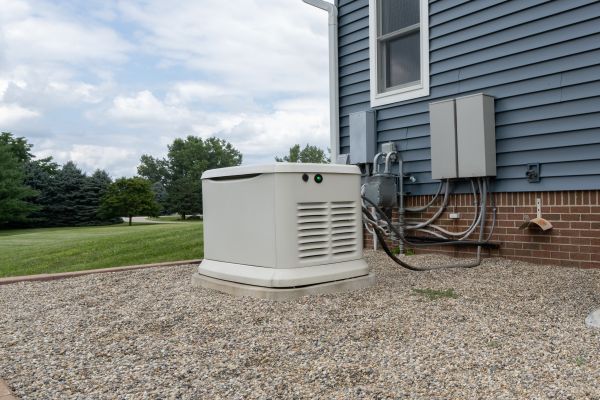
Standby generator installation generally refers to a permanently installed system that can start automatically when utility power fails and transfer the home to generator power through approved switching equipment. Unlike a portable generator, it is not a device that must be rolled out, fueled manually, and connected after an outage begins. Automatic operation can be especially useful when no one is home, during nighttime outages, or when a household needs continuity for essential equipment.
A Home standby generator is a practical option for owners who value readiness and a more integrated solution than extension cords and temporary connections. It commonly works with an automatic transfer switch that detects loss of utility power, starts the generator, and changes the power source safely. The generator’s actual capacity still matters, because automatic operation does not eliminate the need to decide which electrical loads can run at the same time.
Why load planning matters before equipment selection
Generator capacity is measured in watts or kilowatts, but the useful question is whether the unit can handle the home’s expected running loads and the higher starting demand of certain motors. Air-conditioning equipment, electric heat, pumps, ranges, dryers, and water heaters can substantially affect sizing. A load review helps distinguish needs from wants, identify circuits that need priority, and reduce the risk of selecting a system that is either inadequate or unnecessarily oversized.
- Essential-load plans often prioritize refrigeration, lighting, sump or well pumps, selected outlets, internet equipment, and heating controls.
- Broader plans may evaluate larger appliances, air conditioning, electric cooking, laundry equipment, and additional parts of the home.
- Fuel availability, generator location, electrical service configuration, and local approval requirements should be reviewed before work begins.
Backup generator installation can be tailored to essential circuits when full-home operation is not necessary or not practical. A carefully selected essential-load approach can protect the systems that matter most while keeping equipment scope aligned with household priorities. It is also a useful alternative for homeowners who want dependable outage preparedness without attempting to power every high-demand appliance at once.
What the installation process should address
Home generator work should be approached as an integrated electrical and power-management project. The goal is to create a safe, understandable system that transfers power correctly during an outage and returns to utility power when service is restored. Discussing the installation sequence in advance helps a homeowner know what decisions need to be made before the equipment is installed.
- Discuss outage priorities. Identify the appliances, systems, and rooms that need power first, along with any comfort or convenience loads the household would like to include.
- Review the electrical setup. The service panel, intended transfer equipment, circuit arrangement, and anticipated generator load all affect the design.
- Plan placement and fuel. Equipment location must accommodate manufacturer requirements, utility considerations, accessibility, and the selected fuel arrangement.
- Install and connect the system. The work includes the generator-related electrical equipment and the transfer method needed to prevent unsafe backfeeding.
- Test operation and understand ownership tasks. Homeowners should know how automatic operation works, what the controls indicate, and when to arrange routine generator maintenance.
Transfer switching is a safety-critical part of the system
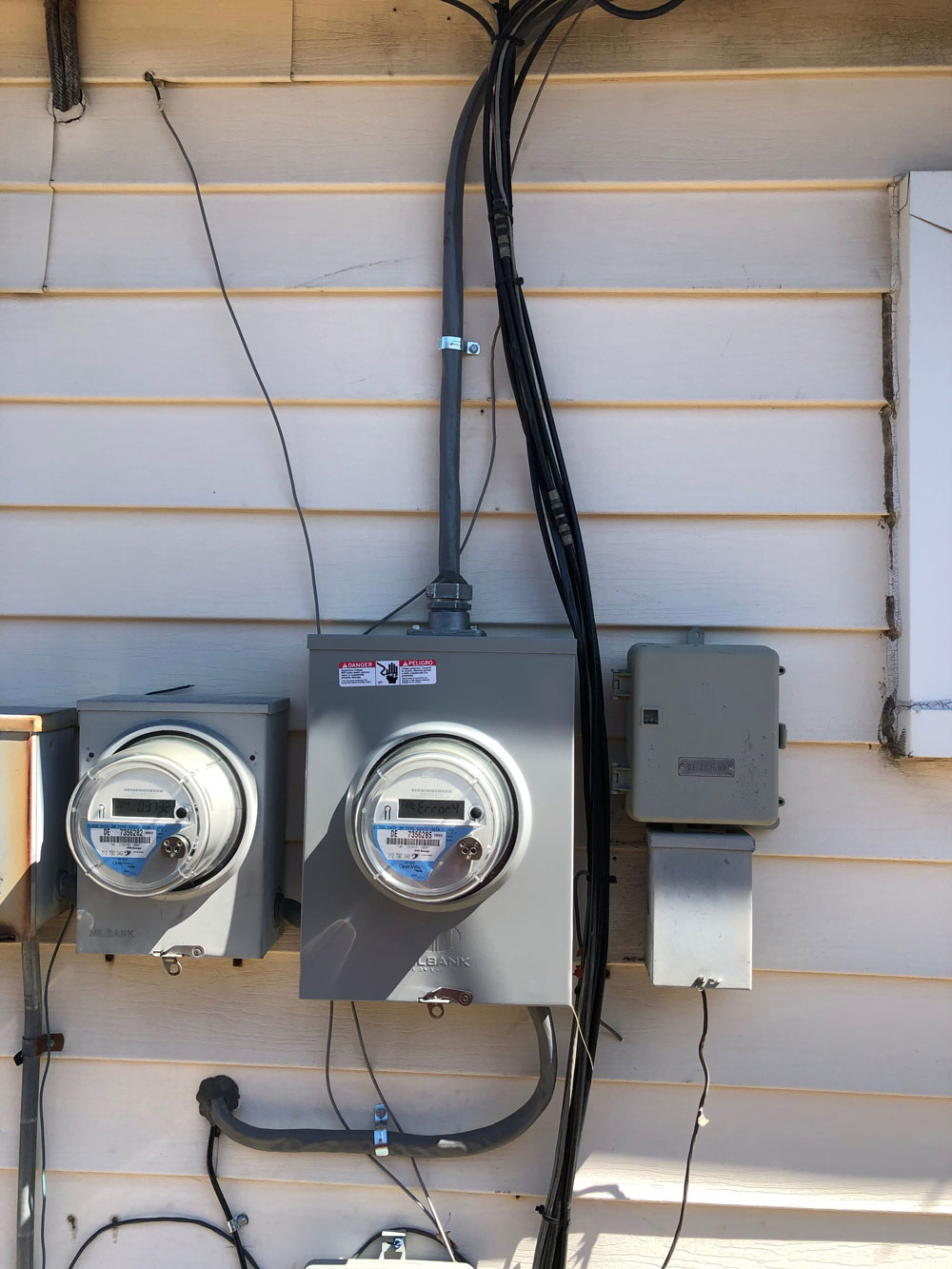
A generator must never send electricity back onto utility lines. Transfer equipment isolates the home from the utility before generator power serves the selected circuits, protecting the electrical system and helping prevent dangerous backfeed conditions. Whether the design uses automatic or manual transfer equipment, this is not a step to replace with improvised connections or extension-cord workarounds.
Residential generator services encompass the planning conversations that help homeowners connect backup-power goals with the realities of the home’s electrical system. A useful service discussion can cover desired loads, transfer-switch options, generator location, fuel considerations, and what the owner should expect after installation. That practical coordination is valuable because generator equipment, electrical distribution, and household usage all need to work together.
Home electrical backup solutions can include more than one approach, from a permanently installed automatic generator to a smaller essential-load design. The right choice depends on outage risk tolerance, desired level of automation, fuel options, electrical demand, and budget. Comparing options by the loads they protect is often more useful than comparing generator ratings alone.
Fuel, maintenance, and expectations after an outage
Many homeowners assume a generator will run every appliance indefinitely, but performance depends on the installed system, available fuel, and the loads being used. A backup system should be treated as a managed household resource during extended interruptions. Understanding its operating limits before an outage makes the system easier to use calmly and effectively.
Natural gas generator installation may appeal to homeowners who want a permanently connected fuel source instead of storing and replenishing portable-generator fuel. Natural gas availability and capacity must be evaluated for the specific property and generator design, and fuel requirements should be coordinated with the rest of the installation plan. Other fuel arrangements may be appropriate in some situations, so the best option is the one that supports the intended runtime and site conditions.
Power outage backup solutions should be evaluated for both short disruptions and longer utility interruptions. For example, a homeowner may prioritize keeping a sump pump, refrigerator, heating controls, medical-support equipment, or communications devices operating, then add comfort loads if capacity allows. Establishing that priority order helps prevent surprises when several large appliances request power at once.
Questions worth considering before contacting an installer
Before requesting an estimate or consultation, make a short list of the systems your household cannot comfortably lose. Note whether your home uses electric or gas heating, whether it has a sump or well pump, and whether cooling equipment is a priority. It is also helpful to consider how often the home is vacant, because automatic backup can serve a different role when no one is available to set up portable equipment.
- Which appliances and systems are essential during the first several hours of an outage?
- Do you want automatic restoration of power, or would a manual transfer setup meet your needs?
- What fuel source is available or suitable for the property?
- Are there high-demand electric loads that require special planning or should be excluded from backup operation?
- What maintenance, testing, and owner monitoring will the selected equipment require?
Executive Electric’s Clinton Township location at 20504 Hall Rd, Clinton Township, MI 48038 provides a concrete point of contact for homeowners researching generator power in the region. A focused conversation can help turn broad concerns about outages into a sensible plan for circuit coverage, automatic transfer, fuel coordination, and equipment selection. For Michigan homeowners, asking detailed questions at the beginning can make the final installation easier to understand and use.
Frequently asked questions about generator installation
What is included in Home Generator Installation for a Shelby Township, MI home?
Home Generator Installation typically includes planning the loads to be backed up, selecting an appropriate generator capacity, connecting transfer equipment, coordinating the fuel approach, installing required electrical components, and testing system operation. The precise scope depends on the home’s electrical service, the generator selected, and whether the owner wants essential circuits or broader coverage.
Can a standby generator power my entire home?
It can when the generator and transfer equipment are designed and sized for the home’s anticipated electrical demand. Not every home needs whole-home coverage, however. Essential-load systems can provide a practical alternative by powering selected circuits while avoiding the cost and capacity requirements associated with large simultaneous loads.
Is a portable generator a substitute for a permanently installed system?
A portable unit can provide temporary power for limited needs, but it generally requires manual setup, refueling, and safe connection practices each time it is used. A permanently installed standby system is intended for more integrated operation, often with automatic starting and transfer switching. The appropriate choice depends on convenience, coverage goals, and the property’s electrical needs.
Where is Executive Electric located for customers considering generator work?
Executive Electric is located at 20504 Hall Rd, Clinton Township, MI 48038. Shelby Township is a service focus for this page, while the supplied business address is in Clinton Township. Contact Executive Electric to discuss whether a generator installation plan fits your Michigan home and power priorities.
Ready to move from outage concerns to a clearer backup-power plan? Contact Executive Electric to discuss Home Generator Installation for your Shelby Township, MI property and connect with the team at 20504 Hall Rd, Clinton Township, MI 48038.