Home Generator Installation Sterling Heights, MI
When an outage interrupts lighting, refrigeration, sump pumps, internet access, or essential household equipment, a permanently installed generator can provide a more dependable plan than extension cords and portable equipment. Executive Electric helps homeowners evaluating Home Generator Installation for Sterling Heights, MI, with a practical focus on system sizing, safe electrical integration, and the realities of powering a home during an interruption.
Executive Electric is located at 20504 Hall Rd, Clinton Township, MI 48038. Homeowners in Sterling Heights and elsewhere in Michigan can contact the company to discuss their property, outage priorities, and the next appropriate steps for a generator project.
Plan backup power around the loads that matter most
A home generator is designed to supply selected circuits or, in some cases, much of a residence when utility power is unavailable. The right approach begins with an honest inventory of what must continue operating, rather than choosing equipment based on a broad wattage number alone. A professional installation also separates generator power from the utility supply through approved transfer equipment, which is essential for safe operation.
Many Sterling Heights households consider a generator because an outage can affect more than convenience. A loss of power may stop a furnace blower, refrigerator, well or sump equipment where applicable, security systems, internet service, garage access, and charging for communication devices. The best system is the one that supports the household’s actual needs without creating unrealistic expectations about running every electrical load at once.
Start with an essential-load list
Before requesting a proposal, identify the equipment your household considers non-negotiable during an outage. Include both the items you want powered and large loads that may need to remain off or be managed. This information gives the electrician a useful starting point for evaluating capacity and transfer-switch configuration.
- Heating equipment controls and blower motors, plus air conditioning if desired and capacity allows
- Refrigerator, freezer, kitchen lighting, and selected receptacles
- Sump pumps, garage doors, security equipment, and internet networking devices
- Medical or accessibility-related equipment that requires a reliable household power plan
- Selected lighting, laundry equipment, or other circuits based on the home’s priorities
Load planning is especially important with high-demand appliances. Electric ranges, dryers, water heaters, hot tubs, and central air conditioning can change the capacity calculation significantly. Asking an electrician to assess connected loads and startup demands helps prevent a system from being undersized, while avoiding unnecessary spending on capacity that does not serve your goals.
Understanding the main generator installation options
Generator projects are not one-size-fits-all. Fuel source, desired coverage, available space, electrical service characteristics, and the homeowner’s budget all influence the recommended design. Executive Electric can be a useful point of contact when you want to discuss these choices in relation to your Michigan home rather than rely on a generic online estimate.
Whole-home coverage versus selected circuits
Whole house generator installation generally refers to a design intended to support most or all normal household electrical needs, subject to system capacity and load management. This option can offer a more seamless experience, but it requires careful evaluation of major appliances and may call for a larger generator and more extensive electrical planning. Selected-circuit coverage is a practical alternative when the priority is to keep essential equipment running while controlling project scope.
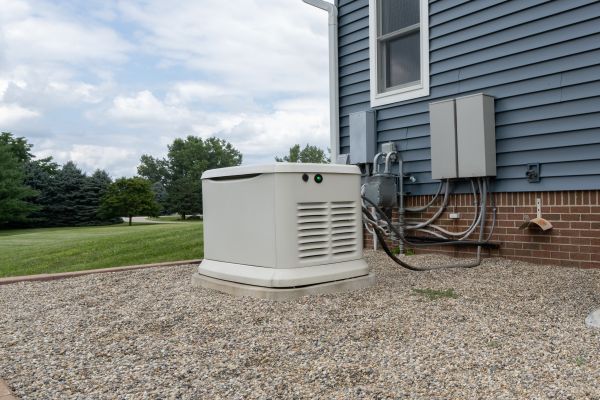
Standby generator installation describes a permanently located system that is connected to the home’s electrical system and set up to respond when utility power fails. Unlike a portable unit that must be positioned, fueled, and connected manually, a standby arrangement is built around automatic or managed transfer equipment. The exact operating sequence and coverage should be reviewed with the installer so the homeowner understands what will happen during an outage and when power returns.
A Home standby generator can be a strong fit for households that want an integrated, ready-to-operate backup power source. It is not simply a generator placed outside the house: proper design includes the generator, fuel arrangement, transfer switch, electrical connections, and a plan for the circuits or loads it will serve. Homeowners should also consider routine maintenance requirements and keep the installation area accessible for future service.
Fuel and placement deserve early attention
Natural gas generator installation may appeal to homeowners who prefer a fixed fuel supply instead of storing and replenishing gasoline. Fuel availability, generator requirements, property conditions, and applicable installation rules all need to be reviewed before the project is finalized. Propane may be another option in some situations, so it is useful to discuss fuel choices early rather than treating them as an afterthought.
Placement affects safety, noise considerations, access, fuel routing, and electrical connection planning. The generator must be located according to manufacturer instructions and applicable requirements, with appropriate clearance from openings and other site features. A site review allows the electrician to assess practical routing for conduit and conductors, the location of the electrical panel, and any conditions that could influence the work.
What to expect from a residential generator project
A well-planned project moves from discovery to design, installation, and familiarization. The details vary by home, but homeowners should expect questions about their electrical panel, fuel source, preferred coverage, and the equipment they rely on most. Clear answers at the beginning make it easier to align the generator system with the way the household actually lives.
- Discuss priorities and site conditions. Share your outage concerns, essential appliances, electrical service information, and preferred fuel option.
- Review capacity and equipment choices. The proposed design should account for anticipated loads, transfer equipment, and whether selected circuits or broader coverage is appropriate.
- Complete installation planning. The work may include generator placement, electrical connections, transfer-switch work, and coordination for fuel-related components as applicable.
- Test operation and understand ownership tasks. Ask how the system transfers power, what loads it supports, and what maintenance or service planning is recommended.
Backup generator installation is more than adding an appliance to the exterior of a property. It requires a coordinated electrical design that prevents generator power from feeding back into utility lines and establishes a controlled method for powering the home. That is why homeowners should avoid improvised connections and use qualified electrical planning for a permanent backup system.
Residential generator services can help homeowners evaluate a project from the first conversation through the ongoing questions that follow installation. Useful discussions include how much of the home should be covered, whether existing electrical equipment affects the design, and how the household will maintain readiness. Asking these questions before selecting equipment leads to a clearer decision and fewer assumptions about performance.
Questions worth raising before you commit
Comparing proposals is easier when each option addresses the same practical issues. Do not focus only on generator size or purchase price. Ask what loads are included, how transfer equipment will work, which fuel assumptions are being made, what site preparation is anticipated, and what the homeowner needs to do to keep the system ready.
- Which circuits, appliances, or whole-home loads are expected to receive generator power?
- How will load management affect high-demand equipment during an outage?
- What fuel supply is assumed, and who should evaluate its suitability?
- Where will the unit and transfer equipment be located?
- What testing, maintenance, and owner responsibilities should be expected after installation?
Choose a solution that supports your household routine
Home electrical backup solutions should reflect the consequences of losing power in a particular home. For one family, protecting a sump pump and refrigerator may be the priority; for another, continued heating operation, communications, accessibility equipment, or workspace power may matter most. Defining those priorities helps determine whether essential-circuit backup or more comprehensive coverage is the sensible investment.
Power outage backup solutions can include portable generators, battery-based equipment, and permanently installed standby systems, but these options solve different problems. Portable equipment may suit limited, manual use, while batteries can support specific loads for a defined period. A permanently installed generator is often considered when a homeowner wants automatic response, extended operation tied to an appropriate fuel source, and organized integration with the electrical system.
The practical benefit of a professionally planned system is not a promise that every inconvenience disappears. It is the ability to make informed choices in advance about the loads, fuel, and operating approach that matter when utility service is interrupted. For homeowners considering generator installation in Sterling Heights, MI, that preparation can turn an uncertain outage into a manageable event.
Talk with Executive Electric about your backup-power goals
Executive Electric can help you begin with the information that shapes a sound generator decision: your essential loads, desired level of coverage, fuel considerations, and site conditions. The company location is 20504 Hall Rd, Clinton Township, MI 48038, and homeowners seeking a generator solution for Sterling Heights can use the consultation to clarify options before moving forward.
Ready to plan for dependable household backup power? Contact Executive Electric to discuss Home Generator Installation, ask about the information needed for your property, and take the next step toward a safer, more prepared home.
Frequently asked questions
What is included in Home Generator Installation?
Home Generator Installation typically includes planning generator capacity, placing the unit, connecting it to an appropriate fuel source, installing transfer equipment, and integrating selected circuits or whole-home electrical coverage. The exact scope depends on the home, the generator selected, desired loads, and site conditions.
Should I choose essential-circuit backup or whole-home coverage?
Essential-circuit backup is often appropriate when you want to prioritize equipment such as refrigeration, heating controls, sump pumps, lighting, and communications while managing cost and generator capacity. Whole-home coverage may be preferable when broader normal operation is important, but it requires a more detailed assessment of large electrical loads and load-management needs.
Can a standby generator start automatically when utility power fails?
Many standby generator systems are designed to work with automatic transfer equipment that detects a utility outage, starts the generator, and transfers eligible household loads to generator power. The specific sequence, loads covered, and return-to-utility operation should be explained as part of the installation plan.
Is Executive Electric located in Sterling Heights, Michigan?
Executive Electric’s supplied location is 20504 Hall Rd, Clinton Township, MI 48038. The company can be contacted by homeowners looking into generator options for Sterling Heights, MI, so you can discuss your property and determine whether the planned service fits your needs.