Home Generator Installation Romeo, MI
When an outage interrupts lights, refrigeration, heating equipment, internet access, or essential household routines, a permanently installed generator can restore power automatically. Executive Electric provides a practical starting point for homeowners evaluating Home Generator Installation for properties in and around Romeo, MI, with planning centered on the loads that matter most to the household.
Executive Electric is located at 20504 Hall Rd, Clinton Township, MI 48038. The company’s location is in Clinton Township, not Romeo, but the page is designed to help Michigan homeowners understand the choices, site requirements, and questions involved before arranging a generator project.
Reliable backup power begins with the right plan
A standby system is more than a generator placed outside the home. It is an integrated electrical system that uses an automatic transfer switch to separate the home from the utility during an outage, then supplies selected circuits or the full electrical service with generator power. Thoughtful planning helps avoid an undersized system, overloaded equipment, or a design that does not match how the household actually lives.
Whole house generator installation is intended for homeowners who want broad, automatic coverage rather than choosing only a few critical circuits. The design process should consider central HVAC equipment, well or sump pumps, refrigeration, kitchen appliances, lighting, electronics, and other major loads that may operate at the same time. A whole-home approach can be appealing when comfort, convenience, and continuity throughout the house are priorities.
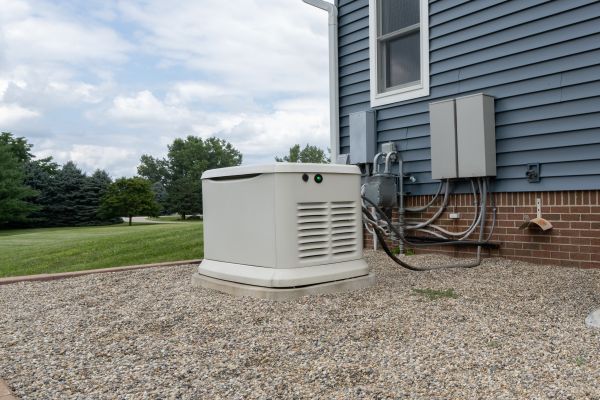
Standby generator installation commonly pairs a fixed outdoor generator with an automatic transfer switch and a fuel source. When utility power fails, the transfer equipment detects the loss, starts the generator, and moves the electrical load to backup power after a brief interval. When normal utility service returns, the system transfers back and the generator shuts down according to its operating sequence.
A Home standby generator differs from a portable unit because it is permanently connected, designed for automatic operation, and integrated into the electrical distribution system. Portable generators can be useful for limited, temporary needs, but they require manual setup, appropriate outdoor placement, refueling, and a safe connection method. A fixed system may be a better fit for households that do not want to manage equipment during difficult weather or while away from home.
Choose between essential-load and whole-home coverage
The most important sizing question is not simply how large the house is. It is which loads must run during an outage, which loads can remain off, and whether high-demand equipment will operate together. An essential-load design can support designated circuits, while a larger system may be planned for more comprehensive household operation.
- Essential-load coverage may prioritize refrigeration, lighting, internet equipment, a furnace blower, a sump pump, and selected outlets.
- Broader coverage can include additional appliances and comfort systems when the generator capacity and electrical design support them.
- Load management can help coordinate certain large loads so the generator is not asked to supply more than its intended capacity.
Homeowners should make a realistic inventory before requesting an estimate. Include equipment that is easy to overlook, such as garage door openers, security systems, medical-support devices, water treatment equipment, freezers, and charging needs. The goal is a backup plan based on actual priorities, not a generic assumption about what every home requires.
What a residential generator project usually involves
A professionally planned generator project begins with a property and electrical assessment, then moves through equipment selection, placement planning, fuel coordination, installation, and testing. The exact scope depends on the existing service equipment, desired coverage, local requirements, and the chosen generator system. Clear expectations help homeowners compare proposals on the work being performed, not only on generator size.
- Discuss outage priorities: Identify the circuits, appliances, and systems the household wants available during a utility interruption.
- Review the electrical system: The service panel, available space, load requirements, transfer equipment, and connection approach must be evaluated.
- Plan the installation location: Outdoor clearance, manufacturer instructions, ventilation, access for service, noise considerations, and utility connections all matter.
- Coordinate fuel and approvals: Fuel supply details and applicable permits or inspections should be addressed before the system is put into service.
- Test and explain operation: After installation, the system should be tested and the owner should understand routine exercise behavior, indicators, and maintenance needs.
Backup generator installation should include more than selecting a unit from a capacity chart. The transfer switch, electrical interconnection, circuit strategy, and fuel arrangement all affect whether the system operates safely and as intended. Asking how each part of the system will work together gives a homeowner a clearer picture of the finished project.
Fuel supply and generator placement deserve early attention
Natural gas generator installation can offer a continuous fuel source when a home has suitable gas service and the fuel supply is properly evaluated for the generator’s demand. Natural gas avoids the need to refill a portable unit during an extended outage, but fuel capacity, piping, utility considerations, and equipment specifications still need careful review. Some properties may instead use another approved fuel arrangement based on the system selected and site conditions.
Placement is not simply a matter of choosing an open patch of ground. Generator location should follow the equipment manufacturer’s required clearances and account for exhaust, airflow, doors, windows, utility equipment, drainage, and service access. A qualified installation plan also helps prevent improvised connections that could create hazards for occupants, electrical equipment, or utility workers.
Who benefits from automatic emergency power?
Homeowners often seek generator power because the consequences of an outage extend beyond inconvenience. A backup system can help protect refrigerated food, keep key lights and communications available, support a sump pump, and reduce disruption when severe weather or utility problems affect service. It can also provide added peace of mind for households with remote work needs, electric well pumps, mobility needs, or equipment that should not lose power.
Residential generator services should be approached as a household resilience decision, not as a one-size-fits-all appliance purchase. The right scope depends on the home’s electrical demand, the fuel available, the desired level of automation, and the family’s tolerance for operating with limited circuits. A homeowner who only needs essential loads may make a different choice than one who wants central systems and major appliances available.
Home electrical backup solutions can range from selected-circuit generator coverage to a larger automatic system serving much of the house. Battery storage and portable generators are reasonable alternatives in some situations, but they offer different runtime, load capacity, refueling, and automation characteristics. Comparing options against the homeowner’s likely outage duration and essential loads is more useful than assuming any one technology suits every property.
Compare the options by what happens during an outage
Automatic operation is a central distinction for many buyers. A permanent standby system can detect a utility failure and transfer power without the homeowner carrying equipment outside or connecting cords, while a portable generator generally requires hands-on action. Battery systems can provide quiet, immediate power for selected loads, yet available energy storage and recharge conditions may limit how long they support larger household demands.
- Ask which circuits or appliances will be powered and which will remain unavailable.
- Ask how the proposed transfer equipment protects against backfeeding the utility.
- Ask what fuel source the design uses and what is required to keep that fuel available.
- Ask about recommended maintenance, exercise cycles, and what the owner should do if an alert appears.
- Ask what permits, inspections, site preparation, and utility coordination may apply to the property.
Power outage backup solutions are most useful when they are matched to a household’s real risks and routines. A family concerned primarily about a basement sump pump may focus on different loads than a household that needs continuous internet access, refrigeration, heating support, or well-water operation. Defining those priorities first helps make capacity, transfer-switch design, and budget discussions more productive.
Make an informed choice for your Romeo-area home
Before choosing a provider, look for a clear conversation about electrical loads, system placement, transfer switching, fuel, and ongoing ownership responsibilities. Be cautious of proposals that promise whole-home comfort without identifying which high-demand loads are included or how they will be managed. A sound recommendation should make the limits and intended operation of the proposed system understandable.
Executive Electric can be a relevant contact for homeowners exploring generator installation from its Clinton Township location at 20504 Hall Rd, Clinton Township, MI 48038. For a Romeo, Michigan property, bring a list of essential equipment, recent electrical concerns, and questions about desired coverage to the conversation. That preparation supports a more useful discussion of backup power needs and installation considerations.
Questions homeowners often ask
What happens automatically after a standby generator detects a power outage?
A standby generator’s transfer switch senses the utility failure, starts the generator, and transfers selected electrical loads to backup power after a short delay. When utility power is restored and stable, the switch returns the home to utility service and the generator completes its shutdown sequence.
Can a generator power my entire home?
It can, but only when the generator capacity, transfer equipment, fuel supply, and electrical design are planned for the home’s expected loads. Many homeowners choose selected-circuit coverage instead, especially when they want to prioritize essentials and manage project scope.
How do I know what size generator I need?
Generator sizing should account for the appliances and systems you want to use, their running demand, and the extra power some equipment requires when starting. A load review is more dependable than choosing by square footage alone because two similarly sized homes can have very different electrical needs.
Is Executive Electric located in Romeo, MI?
Executive Electric’s supplied location is 20504 Hall Rd, Clinton Township, MI 48038. Homeowners seeking Home Generator Installation in Romeo, MI can contact Executive Electric to discuss their property, backup-power priorities, and whether a generator project is an appropriate next step.
Ready to move from outage concerns to a clearer backup-power plan? Contact Executive Electric to discuss Home Generator Installation needs for your Romeo-area property. Executive Electric is located at 20504 Hall Rd, Clinton Township, MI 48038 and can help begin the conversation with your household’s power priorities in mind.