Home Generator Installation Rochester, MI
When an outage interrupts heating, refrigeration, work, sump pumps, security equipment, or medical-support needs, a permanently installed generator can keep essential household systems available. For homeowners comparing Home Generator Installation Rochester, MI options, the goal is not simply to buy a generator. The goal is to design a safe, practical backup-power system that matches the home, the fuel source, and the circuits that matter most.
Executive Electric is located at 20504 Hall Rd, Clinton Township, MI 48038. Rochester homeowners and property owners elsewhere in Michigan can contact Executive Electric to discuss their backup-power plans, installation considerations, and the information needed to evaluate a professionally connected residential generator system.
What a permanently installed generator changes during an outage
A home generator is connected to the electrical system through approved switching equipment so utility power and generator power do not feed the home at the same time. When utility service fails, the transfer equipment isolates the home from the grid and allows the generator to supply selected circuits or broader household loads, depending on system design. This is fundamentally different from running extension cords from a portable unit.
Whole house generator installation is a suitable conversation for households that want many or all major electrical loads considered in the backup plan. Load calculation is especially important because central air conditioning, electric ranges, dryers, well pumps, and other high-demand equipment can substantially affect generator sizing. A clear plan identifies which loads can operate together and which may need to be managed.
Choose essential circuits or broader coverage
Not every home needs the same level of outage protection. An essential-load design may prioritize refrigeration, lighting, internet equipment, garage access, a furnace or boiler, sump pumps, and selected receptacles. A more comprehensive system can support a larger share of the home, but it may require more capacity, more fuel planning, and careful load management.
- Essential-circuit backup: A focused option for the systems that protect comfort, food, communication, and water management.
- Managed whole-home backup: A larger design that can coordinate major appliances and reduce the chance of generator overload.
- Portable-generator alternative: Lower upfront equipment cost, but it requires manual setup, safe outdoor placement, refueling, and properly planned connection equipment.
Standby generator installation generally refers to a fixed system that is ready to operate through an automatic transfer switch rather than a generator that must be rolled out and connected after the power goes out. Automatic operation can be particularly valuable when nobody is home, when an outage occurs overnight, or when a household cannot safely manage manual setup. The system still needs professional design so its electrical connection, fuel arrangement, and load expectations work together.
Automatic standby power versus portable power
An automatic system offers convenience and a more integrated connection, while a portable generator can be a reasonable limited-use choice for some households. Portable equipment must never operate indoors, in a garage, or near openings where exhaust can enter the home. It also should not be connected to home wiring without proper transfer equipment, because unsafe backfeeding can endanger occupants, utility workers, and electrical equipment.
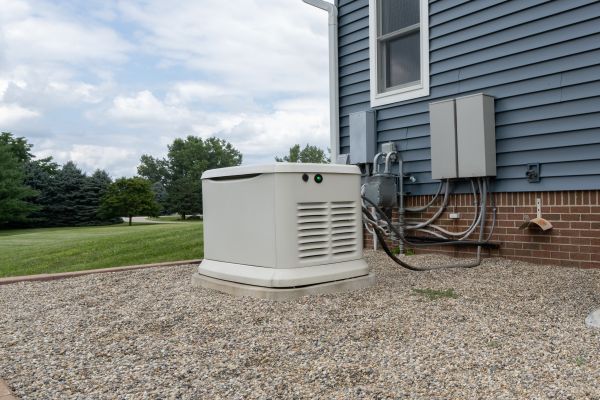
A Home standby generator is intended to remain outdoors in a designated location and start in response to a utility outage when paired with compatible automatic controls. It is often chosen by owners who want less hands-on outage response than a portable unit requires. Equipment capacity, placement, noise expectations, and the loads selected for backup should all be reviewed before making a final choice.
A thoughtful installation starts with the home, not a generator size
The right system begins with an assessment of household priorities and electrical demand. Generator capacity is commonly discussed in kilowatts, but a useful recommendation depends on more than square footage. The electrical panel, appliance types, heating and cooling equipment, pump loads, startup demand, and desired comfort level all influence the design.
- Identify outage priorities. List the equipment that should stay operational and note what can remain off temporarily.
- Review electrical demand. Consider running wattage, startup loads, panel capacity, and whether load-management controls are appropriate.
- Select fuel and placement. Evaluate available fuel options and choose an outdoor location that supports safe installation and future service access.
- Plan the connection. Determine how the transfer switch, generator, electrical panel, and protected circuits will work together.
- Complete startup and owner orientation. After installation and applicable approvals, homeowners should understand normal operation, alerts, testing, and maintenance responsibilities.
Backup generator installation is more than placing equipment beside a house. It involves integrating a generator with the electrical distribution system in a way that separates utility and generator power correctly. Discussing intended loads early helps avoid a system that is either undersized for household needs or larger than the planned use requires.
Fuel, placement, and electrical protection deserve equal attention
Fuel planning affects how long a generator can support a home and how the system operates during an extended outage. Natural gas can offer a continuous fuel supply where service is available, while other generator fuel arrangements may require stored fuel and periodic monitoring. Placement also matters because the unit needs outdoor clearance, ventilation, stable support, and access for inspection or service.
Natural gas generator installation can be appealing because it avoids the routine refueling associated with many portable generators. A homeowner should still confirm fuel availability, coordinate the electrical and fuel-side scope appropriately, and make sure the generator’s expected demand is considered. The electrical installation includes transfer equipment and wiring, while fuel connection requirements must be addressed through the appropriate qualified professionals.
Permits, inspections, and local requirements can be part of a permanent generator project. Requirements vary by jurisdiction and project scope, so homeowners should ask how code compliance, utility coordination where applicable, and required approvals will be handled. A responsible decision also includes asking who will explain testing intervals, warning indicators, and the manufacturer-recommended maintenance plan after the system is operational.
Build a backup-power plan around real household needs
Reliable backup power is not only about convenience. It can help protect against a cold home, food spoilage, loss of internet connectivity, water intrusion when a sump pump cannot run, or disruption to equipment a household depends on. The most useful plan is specific about what will be powered and transparent about what may be limited during an outage.
Residential generator services should account for the homeowner’s needs before, during, and after installation. Before work begins, that means evaluating priorities and the existing electrical system; during the project, it means coordinating a safe permanent connection. Afterward, homeowners benefit from knowing how to monitor the system, arrange routine maintenance, and respond if an alert occurs.
Some homes may be best served by a smaller automatic system protecting essential circuits, while others need capacity for wider household operation. The decision should reflect the consequences of losing power, the household’s budget range, the fuel option, and the equipment already installed in the home. Asking for a clear explanation of the selected loads is more useful than choosing capacity based on a broad rule of thumb.
Questions to raise before approving a project
Homeowners can make comparisons easier by preparing details about electrical appliances, existing panel information, fuel access, and the systems that cannot be without power. It is also helpful to decide whether automatic starting is a requirement or a preference. A detailed conversation makes it easier to understand the tradeoffs between coverage, capacity, controls, and long-term ownership responsibilities.
- Which circuits, appliances, and comfort systems are priorities during an outage?
- Will the proposed generator support those loads at the same time, or will controls sequence some equipment?
- What transfer switch configuration is planned, and how will it protect against backfeeding?
- What site, fuel, permitting, inspection, testing, and maintenance considerations apply to this home?
Home electrical backup solutions can include a permanently installed generator, a focused essential-circuit setup, or a portable-generator strategy with approved transfer equipment. Each option has different costs, operating steps, coverage limits, and maintenance needs. A conversation with Executive Electric can help turn a general concern about outages into a more defined electrical plan.
Power outage backup solutions are especially relevant when a household needs dependable power for a sump pump, refrigeration, heating controls, communications, or other critical loads. The best approach depends on what the household must keep running, not on a one-size-fits-all equipment label. Planning ahead is safer and less stressful than making electrical connection decisions after a storm has already caused an outage.
Talk with Executive Electric about your Rochester backup-power goals
Executive Electric can be a practical contact point when you are ready to move from outage concerns to a defined generator project. Share the systems you want to protect, information about your electrical panel and fuel options, and whether you want essential-load or broader backup coverage. That preparation supports a clearer discussion of residential generator installation choices for a Rochester, MI home.
For Home Generator Installation in Rochester, MI and surrounding Michigan planning needs, contact Executive Electric to begin the conversation. Executive Electric’s listed location is 20504 Hall Rd, Clinton Township, MI 48038. A well-planned system can give your household a safer, more organized response when utility power is unavailable.
Frequently asked questions about home generators
What does a home generator installation include?
A permanent home generator installation typically includes the generator, an approved transfer switch or transfer equipment, electrical wiring and connections, and a plan for selected loads. The exact scope also depends on generator size, fuel arrangement, site conditions, permitting requirements, and whether the goal is essential-circuit or broader household backup.
How do I know what generator size my home needs?
Generator size should be based on the electrical loads you want to run, including major equipment startup demand, rather than square footage alone. Make a list of priority appliances and systems, then discuss simultaneous use, panel configuration, and load-management options with a qualified electrical professional before selecting equipment.
Can a standby generator run the entire house?
Some systems are designed for broad household coverage, but capacity and load management determine what can run at one time. High-demand appliances such as air conditioners, electric ranges, dryers, and pumps can significantly affect sizing. An essential-load design may be a more practical fit for some homes.
Is Executive Electric physically located in Rochester, Michigan?
Executive Electric’s supplied location is 20504 Hall Rd, Clinton Township, MI 48038. This page addresses Home Generator Installation Rochester, MI planning for homeowners seeking backup-power information and a contact option. Contact Executive Electric directly to discuss the property, desired coverage, and project considerations.