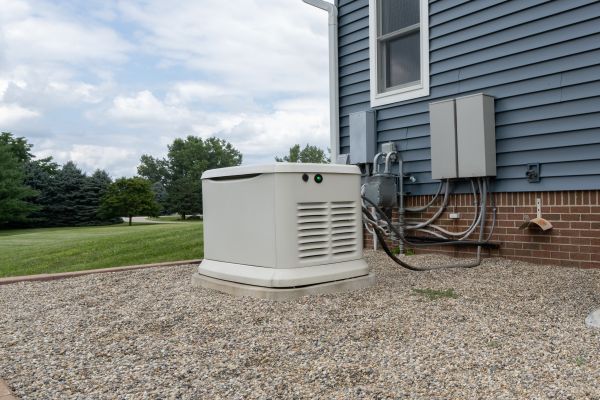
Home Generator Installation Novi, MI
When an outage interrupts lights, refrigeration, internet access, heating equipment, or essential medical devices, a permanently installed generator can help a household stay functional. Executive Electric provides Home Generator Installation guidance for homeowners in Novi, MI who want a dependable plan for utility interruptions rather than relying on extension cords and a portable unit. The company is located at 20504 Hall Rd, Clinton Township, MI 48038, and serves homeowners seeking informed electrical backup planning in the region.
A properly planned system does more than produce power. It connects selected household circuits or the full electrical service through appropriate switching equipment, starts when utility power fails, and shuts down after normal service returns. The right approach depends on what your home needs to keep operating, the available fuel source, the electrical load, and the installation conditions at the property.
Choose backup power around the way your household lives
The best generator plan starts with priorities, not simply generator size. Some Novi households want to protect a few critical loads, while others want a system capable of supporting most or all normal routines during a prolonged interruption. Identifying those priorities early helps prevent an undersized system, unnecessary expense, and unrealistic expectations about what will run at the same time.
- Essential circuits may include a refrigerator, sump pump, furnace blower, selected lighting, internet equipment, garage door opener, and necessary receptacles.
- Higher-demand items can include central air conditioning, electric ranges, dryers, electric water heaters, well pumps, and EV charging equipment.
- Comfort and safety needs may change with the season, household size, remote work requirements, or reliance on electrically powered equipment.
Whole-home coverage and essential-load coverage are different decisions
Whole house generator installation is designed around supplying the home more broadly, often allowing everyday electrical use to continue with fewer circuit-by-circuit restrictions. That option generally requires a careful load evaluation because large appliances and HVAC equipment can create substantial starting and running demand. Essential-load coverage can be a practical alternative when the goal is to keep the most important systems operating while managing the overall project scope.
A useful discussion should distinguish between convenience loads and truly critical loads. For example, a homeowner may prioritize sump protection and refrigeration before considering entertainment devices or every room in the house. Making those choices in advance gives the installer a clearer basis for evaluating capacity, transfer equipment, panel configuration, and fuel planning.
Automatic operation changes the outage experience
Standby generator installation refers to a permanently installed system that can automatically respond to a utility failure through a transfer switch and control equipment. Unlike a portable generator, a standby unit is not intended to require the homeowner to move it outside, connect temporary cords, and manually manage individual appliances after the power is already out. Automatic transfer also helps separate generator power from utility lines, an important part of safe operation.
A Home standby generator is often a strong fit for households that travel, have frequent work-from-home demands, need dependable support for essential equipment, or want less hands-on work during an outage. Automatic systems still need appropriate sizing and periodic maintenance, but their value is in being ready before the disruption occurs. Homeowners should ask how the system will start, which loads it will support, and what happens when utility power is restored.
What a thoughtful generator installation process includes
Home generator work is an electrical planning project, not a one-size-fits-all appliance purchase. A clear process evaluates the existing electrical service, identifies the loads that matter most, considers fuel and placement conditions, and determines how the generator will transfer power. Executive Electric can be a relevant contact point when you want to discuss these practical decisions before moving forward.
- Discuss outage priorities. List the appliances, systems, and circuits you want available when the utility is down.
- Review electrical demand. Consider both continuous usage and high-demand equipment that may start at different times.
- Evaluate placement and fuel. The generator location needs to accommodate equipment clearances, access, connections, and applicable requirements.
- Plan the transfer method. Automatic transfer equipment determines how the home safely moves from utility power to generator power and back.
- Confirm operation and upkeep. Understand normal exercise cycles, alerts, fuel considerations, and the need for ongoing manufacturer-recommended service.
Load calculation is central to backup generator installation
Backup generator installation should be based on a realistic picture of electrical demand rather than a guess based on square footage alone. Heating and cooling choices, appliance types, pump loads, panel capacity, and the number of circuits selected all affect the recommendation. A professional assessment helps homeowners understand whether load management, essential-circuit selection, or a larger-capacity system makes the most sense.
It is also important to distinguish running wattage from starting demand. Motors in equipment such as air conditioners, refrigerators, and pumps can draw more power when starting than while running. Planning for those conditions helps the system perform predictably instead of tripping or forcing the household to turn off critical equipment at the wrong time.
Fuel, transfer equipment, and electrical safety considerations
The generator itself is only one part of the backup-power system. Fuel supply, electrical interconnection, overcurrent protection, grounding, and transfer equipment all affect safe, useful operation. A homeowner should be cautious about any solution that suggests feeding generator power into a home without a properly designed transfer method, because generator electricity must not backfeed onto utility lines.
Why fuel planning deserves attention before equipment selection
Natural gas generator installation can appeal to homeowners who want a permanently connected fuel source instead of storing and refilling gasoline during an outage. The available gas service and the generator’s expected fuel demand should be evaluated as part of the project, particularly when other gas appliances may operate at the same time. Fuel considerations should be addressed early, since they influence equipment options, operating expectations, and site planning.
Portable gasoline units remain a reasonable short-term option for some people, especially when the goal is limited emergency power and the homeowner can safely set up and monitor the equipment. However, they require manual operation, outdoor placement, fuel handling, and careful cord or inlet planning. A fixed standby system may be more appropriate when automatic operation and a more integrated household backup plan are the priorities.
Electrical backup should be integrated, not improvised
Home electrical backup solutions bring together the generator, transfer switch, selected circuits or whole-home connection, and the existing electrical service. This integrated view is important because a generator that is large enough on paper may still be poorly matched if the transfer arrangement or load priorities are not clearly defined. Thoughtful electrical design makes it easier to understand what the system is intended to power during an interruption.
Power outage backup solutions should also account for how a household will use electricity when normal service is unavailable. A family may decide to limit major appliances while preserving refrigeration, heat circulation, lighting, communications, and water-management equipment. Setting those expectations before installation supports safer, more comfortable use when an outage actually occurs.
When a permanent generator may be worth considering
Generator backup is not necessary for every property, but it can be a practical investment when losing electricity creates significant disruption or risk. Homeowners often seek a permanent system after experiencing a previous outage, discovering that a portable generator cannot support enough equipment, or recognizing that manual setup is difficult during severe weather. In Michigan, seasonal temperature changes can make dependable power for heating support, refrigeration, and sump-related equipment especially important to consider.
- Households that need reliable power for refrigerated food, communications, or remote work.
- Properties where a sump pump, well pump, or other electrically powered system is a priority during an interruption.
- Residents who want automatic operation when they are asleep, away from home, or unable to manage portable equipment.
- Homeowners who prefer a planned, fixed installation over temporary cords and fuel storage.
Residential generator services should address the complete homeowner decision, including capacity goals, automatic transfer, fuel considerations, circuit selection, and future maintenance needs. The right recommendation will vary between a home that needs a few protected circuits and a home that seeks broader coverage. Asking detailed questions at the planning stage is the most direct way to align the system with your budget, electrical needs, and comfort expectations.
Plan your Novi backup-power project with clear expectations
Before contacting an installer, write down what happened during your last outage and what you wished had remained powered. Note major appliances, heating and cooling equipment, pumps, internet needs, and any equipment that cannot be interrupted. This list gives Executive Electric useful starting information for a Home Generator Installation conversation in Novi, MI and helps you compare essential-load and whole-home approaches more confidently.
Executive Electric is located at 20504 Hall Rd, Clinton Township, MI 48038. Contact the team to discuss your household’s outage priorities, electrical configuration, and generator options, and to take the next step toward a more prepared Michigan home. Contact Executive Electric to discuss your generator installation needs.
Frequently asked questions about generator installation
What does home generator installation include?
Home generator installation typically includes evaluating electrical loads, selecting the circuits or whole-home coverage to support, planning generator placement and fuel connection, and installing transfer equipment that safely changes the home from utility to generator power. The exact scope depends on the property, generator type, and desired backup capacity.
Should I choose a whole-home generator or essential-circuit backup?
Choose whole-home coverage when you want broader use of household systems and are prepared to size the system for larger electrical demand. Choose essential-circuit backup when protecting selected needs, such as refrigeration, lighting, heating support, pumps, and communications, is the main objective. A load review helps clarify the practical tradeoff.
Can a standby generator run automatically during an outage?
Yes. A standby generator paired with compatible automatic transfer equipment can detect utility loss, start the generator, transfer selected loads to backup power, and return the home to utility power when service is restored. The supported loads and operating sequence depend on the system’s design and capacity.
Is Executive Electric located in Novi, MI?
Executive Electric’s supplied location is 20504 Hall Rd, Clinton Township, MI 48038. Homeowners looking for generator planning in Novi can contact Executive Electric to discuss their property, electrical priorities, and whether a permanent backup system is appropriate for their needs.