Home Generator Installation Grosse Pointe Woods, MI
When an outage interrupts lighting, refrigeration, communications, heating or cooling equipment, a permanently installed generator can help a home continue operating with far less disruption. For homeowners researching Home Generator Installation in Grosse Pointe Woods, MI, Executive Electric provides a clear starting point for discussing backup-power goals, the electrical work involved, and the questions that should be resolved before a project begins. Executive Electric is located at 20504 Hall Rd, Clinton Township, MI 48038, rather than in the target city.
A home generator is not simply a larger portable unit. A complete system commonly combines a generator, an automatic transfer switch, electrical connections, controls, a fuel source where applicable, and a plan for the circuits or loads the homeowner wants to support. Thoughtful planning matters because the right setup depends on the home’s electrical demand and the level of continuity the household expects during a Michigan outage.
What a properly planned backup-power system can do
A permanently connected generator can detect a utility interruption and, when designed with automatic transfer equipment, supply selected or broader household loads without running extension cords from a portable device. The practical objective is not necessarily to power every electrical device at once. It is to create a safe, appropriately sized plan for the systems that matter most to the household.
- Keep essential lighting, refrigeration, internet equipment, and receptacles available.
- Support equipment that may be important for comfort, food storage, sump operation, or home-office continuity.
- Reduce the need to handle fuel containers and run temporary cords outside during adverse weather.
- Separate generator power from utility power through the correct transfer equipment.
Backup power should be tailored to the home, not selected by generator size alone. A family that only needs selected essentials has different needs than a household seeking coverage for major appliances, HVAC-related equipment, electric cooking, or a larger portion of the panel. Listing priorities before requesting an estimate makes the conversation more productive and helps prevent unpleasant compromises after installation.
Whole-home coverage versus selected essential circuits
Whole house generator installation is generally considered when a homeowner wants automatic support for much of the home’s electrical system rather than a limited group of critical circuits. This approach requires careful load evaluation because large appliances and heating or cooling equipment can substantially affect capacity requirements. It may offer a smoother outage experience, but a homeowner should still understand which simultaneous loads are realistic for the selected equipment.
A selected-load arrangement can be a practical alternative when the goal is to maintain priority circuits while controlling equipment size and project scope. The decision should reflect daily habits, seasonal needs, and what the household considers nonnegotiable during an outage. A professional electrical assessment is valuable because panel configuration, service capacity, and load characteristics all influence the final design.
Automatic operation and transfer equipment
Standby generator installation typically refers to a permanently installed system that is intended to operate automatically when utility power is lost. The automatic transfer switch is central to that experience: it manages the transition between utility and generator power and helps prevent generator electricity from feeding back into utility lines. That distinction is a major safety and usability advantage over improvised temporary connections.
Automatic does not mean maintenance-free. Homeowners should review how the generator exercises, what alerts or controls are provided by the chosen equipment, and who will handle ongoing service needs. A backup system works best when its operating expectations, fuel arrangement, and periodic testing plan are understood before the first outage occurs.
Choosing the right generator approach for your household
The best generator choice begins with an honest inventory of priorities, not a guess based on square footage. A home may have sensitive electronics, a sump pump, medical-support needs, a refrigerator and freezer, a home office, or electric loads that demand special attention. Bringing those priorities to a consultation gives Executive Electric and the homeowner a useful framework for discussing system design.
Understanding the role of a home standby unit
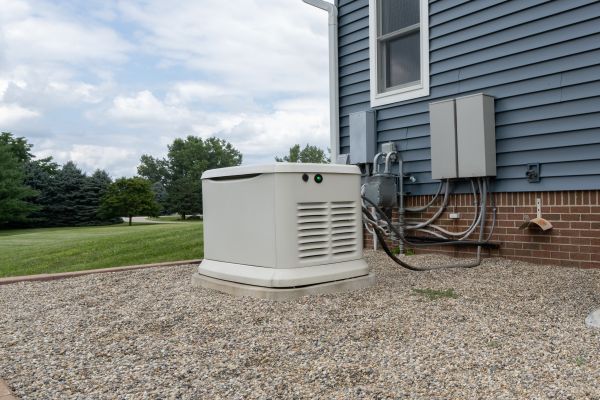
A Home standby generator is a fixed backup-power unit designed to work with a home’s electrical system and a transfer switch, rather than a portable generator plugged into individual appliances. It can be an appealing option for homeowners who want an outage response that does not depend on being present to start equipment or deploy cords. Its suitability still depends on load planning, placement considerations, available fuel, and the electrical infrastructure of the property.
Portable generators remain a reasonable alternative for limited, temporary needs, but they require hands-on operation and careful outdoor use. They also do not replace correctly installed transfer equipment when a homeowner wants power delivered through household wiring. Comparing these options by convenience, capacity, fuel handling, and intended loads helps clarify which approach fits the home.
Fuel planning is part of electrical planning
Natural gas generator installation can be attractive because an established gas supply may eliminate the routine refueling associated with gasoline-based portable equipment. The fuel supply must still be evaluated for the generator’s requirements, particularly when other gas appliances may operate at the same time. A homeowner should not assume an existing line is automatically adequate without having the installation requirements reviewed.
Fuel type affects more than convenience. It can influence where equipment is placed, what site coordination is needed, runtime expectations, and the planning conversations that happen before electrical work begins. The right choice should account for the property’s existing utilities and the homeowner’s expectations during an extended utility interruption.
How the installation process is typically organized
Generator projects benefit from a step-by-step process because electrical design, equipment placement, fuel arrangements, and local requirements can overlap. Executive Electric can discuss the project with homeowners who are evaluating a generator system and want to understand the electrical portions of the work. Clear questions at the beginning help homeowners compare options based on their actual needs instead of a generic package.
- Identify priorities: Note the appliances, circuits, and systems that should remain available during an outage.
- Review the electrical system: Consider service equipment, panel layout, existing loads, and transfer-switch needs.
- Select a coverage strategy: Decide between essential-load support and broader whole-home coverage based on realistic demand.
- Plan placement and fuel: Account for the generator location, required clearances, fuel source, and any needed coordination.
- Complete installation and commissioning: Connect the equipment correctly, test the transfer sequence, and learn the operating basics.
Backup generator installation should include a deliberate review of what happens when utility power drops and when it returns. Homeowners should understand which loads are supported, whether the system starts automatically, and what indicators or controls require attention. Asking for that explanation at the end of the project helps turn installed equipment into a backup plan the household can actually use.
For Grosse Pointe Woods, Michigan homeowners, the most useful pre-project preparation is a written list of outage priorities and a candid discussion of budget, electrical capacity, and desired automation. It is also sensible to ask how the generator will interact with high-demand equipment, what ongoing maintenance the selected unit requires, and what responsibilities may fall to other trades. These details are more meaningful than choosing solely by nameplate rating.
Electrical details that deserve careful attention
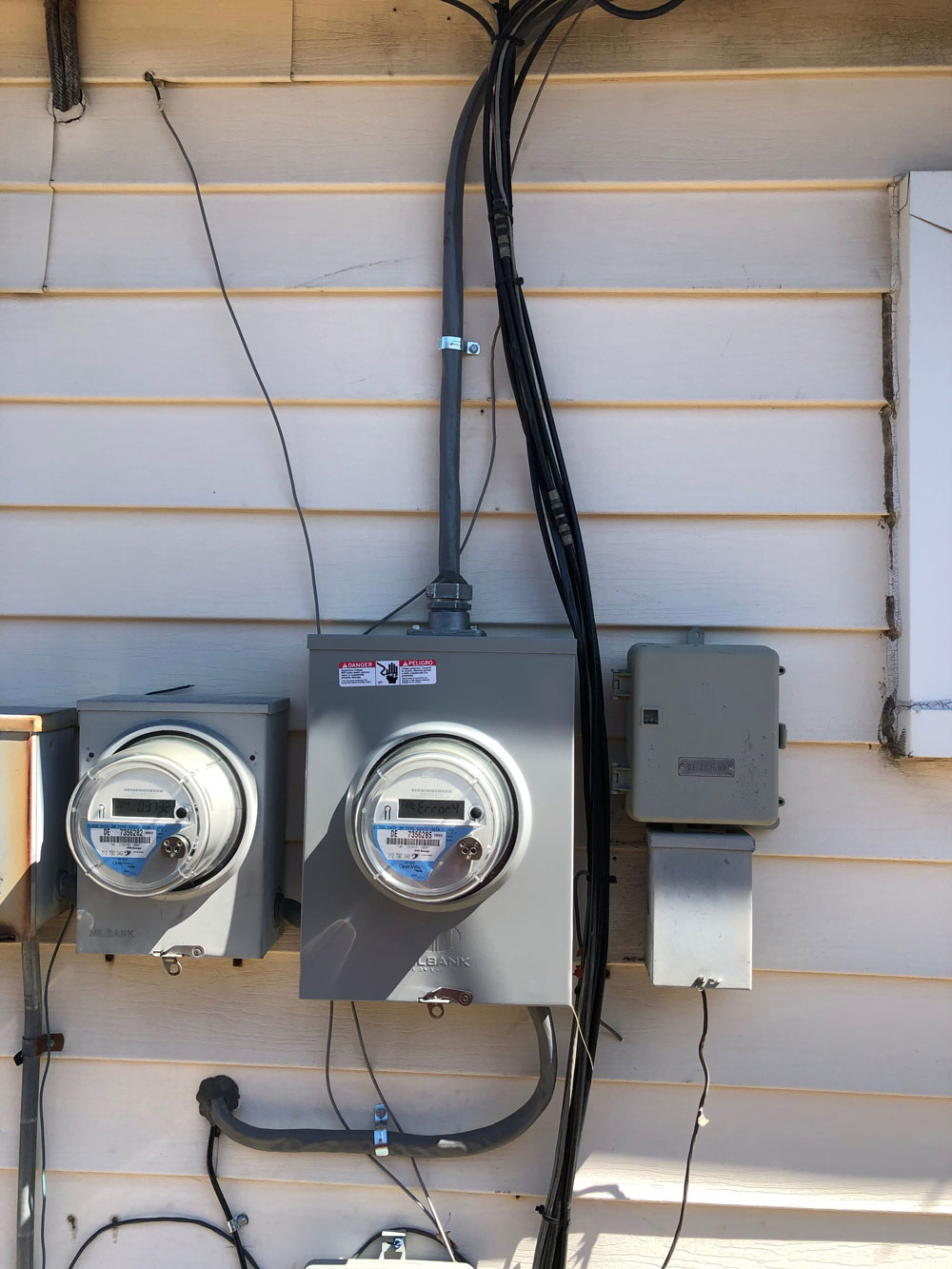
Residential generator services encompass more than placing a generator beside a house. The electrical scope may involve transfer equipment, feeder conductors, breaker-panel work, load management, grounding and bonding considerations, and functional testing. Each component should be planned as part of one coordinated system so the backup source and the home electrical system work together safely.
Home electrical backup solutions can range from limited essential-circuit support to an automated arrangement intended to cover a substantially broader set of household loads. The correct option depends on what the homeowner wants to protect and what the existing electrical system can support. A detailed conversation is especially useful when the home contains larger electric appliances, multiple HVAC components, or changing family needs.
Power outage backup solutions should be evaluated for everyday usability as well as emergency capacity. Consider who will be home during an outage, whether someone can safely manage a portable unit, how long the household may need support, and which loads have the highest consequence if they stop. This practical lens often makes the value of automatic transfer and permanently connected equipment easier to assess.
Questions worth raising before you commit
Before selecting equipment or approving an installation, homeowners should request a clear explanation of the proposed electrical scope. Ask which circuits or loads are included, how the generator is sized, how transfer equipment will operate, what fuel assumptions are being made, and what maintenance the equipment manufacturer recommends. It is also appropriate to ask about permits, inspections, placement requirements, and any coordination needed with a fuel provider or other contractor.
Executive Electric’s Clinton Township location gives homeowners a direct business address when considering an electrical contractor for a generator discussion. The strongest decision is one based on defined loads, a realistic fuel plan, proper transfer switching, and a clear understanding of the work proposed. That process helps a homeowner distinguish a complete standby-power system from a vague promise of backup electricity.
Common questions about generator projects
What is included in home generator installation?
Home generator installation generally includes connecting a permanently installed generator to the home through appropriate transfer equipment and electrical wiring. The exact scope varies by generator type, fuel source, desired loads, panel configuration, site conditions, required approvals, and whether the homeowner wants essential-circuit or broader coverage.
Can a generator power my entire home?
It can, depending on the generator’s capacity, the home’s electrical demand, and the load-management plan. Whole-home coverage is not automatic simply because a generator is installed. High-demand appliances, HVAC equipment, and simultaneous use must be considered to determine which loads can operate reliably together.
Do I need an automatic transfer switch?
An automatic transfer switch is commonly used with a standby system to sense utility loss, start the generator when configured to do so, and transfer the home or selected loads to generator power. It also manages the return to utility power, avoiding unsafe backfeeding through household wiring.
Is Executive Electric located in Grosse Pointe Woods, MI?
Executive Electric’s supplied location is 20504 Hall Rd, Clinton Township, MI 48038. Homeowners seeking generator information in Grosse Pointe Woods, Michigan can contact Executive Electric to discuss their project, electrical needs, and whether the proposed work is an appropriate fit.
Take the next step toward a more prepared home
If you are weighing automatic standby power against a portable-generator approach, start with the systems your household cannot comfortably lose. Executive Electric can help begin the conversation around generator electrical planning, transfer equipment, and the questions that shape a sensible installation. A well-defined scope is the foundation for a backup-power system that aligns with your home and priorities.
Contact Executive Electric at its location, 20504 Hall Rd, Clinton Township, MI 48038, to discuss your Home Generator Installation goals for Grosse Pointe Woods, MI. Contact Executive Electric to share the loads you want to protect and request the next steps for your project.