Home Generator Installation Grosse Pointe, MI
When an outage interrupts heat, refrigeration, lighting, internet access, or essential household routines, a permanently installed generator can provide an automatic source of electricity. Executive Electric is located at 20504 Hall Rd, Clinton Township, MI 48038, and is a practical contact for homeowners researching Home Generator Installation for a property in Grosse Pointe, MI. A thoughtful plan begins with the loads that matter most, the fuel available at the home, and a clear understanding of how the system will operate when utility power fails.
A standby system is not simply a portable generator placed outside. It is a connected electrical system designed to sense a utility interruption, start the generator, and transfer selected circuits or the home’s electrical load to generator power. For Michigan homeowners, that distinction can make outage preparation more orderly, safer, and less dependent on being present to run equipment manually.
Plan backup power around the way your household lives
The right generator approach depends on what needs to remain powered, not just on the size of the house. Some households want protection for a furnace or boiler, refrigerator, sump pump, a few lights, and communications equipment. Others prefer broader coverage for central cooling, kitchen appliances, well equipment, medical-supporting household devices, or most electrical circuits.
- Essential-load coverage prioritizes critical circuits and can be an efficient choice when the goal is keeping core equipment running.
- Whole-home coverage is intended for households that want more normal operation during an outage, subject to a proper load calculation and fuel capacity.
- Automatic transfer equipment separates generator power from utility power and manages the changeover when an outage occurs.
- Fuel planning considers whether a suitable natural gas or propane supply can support the intended generator load.
Good planning also accounts for the appliances that cycle on and off, especially motors and HVAC equipment. Their starting demand can be higher than their normal running demand, which is why selecting a unit by a rough wattage guess can create disappointing results. A professional electrical evaluation helps identify which loads should be backed up and how the transfer equipment should be configured.
Whole-home power and essential circuits are different decisions
Whole house generator installation is a useful option for homeowners who want a system designed to support a broad range of household functions during an outage. It generally requires careful load analysis because large appliances, air conditioning, electric heating components, and other high-demand equipment affect system sizing. A whole-home approach can offer greater continuity, while an essential-circuit design may better fit households focused on core safety, comfort, and preservation needs.
Neither option is automatically right for every property. The most useful conversation identifies what cannot reasonably be without power, what can wait, and whether the electrical service and fuel source support the desired level of coverage. This makes the eventual recommendation easier to understand and prevents a homeowner from paying for capacity that does not match real priorities.
What automatic standby operation means
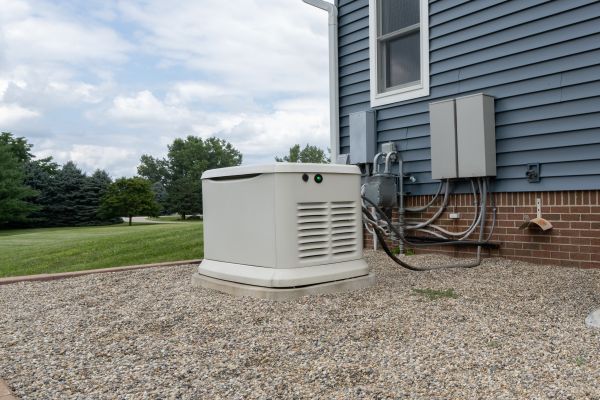
Standby generator installation refers to installing a fixed generator with transfer equipment that is intended to respond automatically to a loss of utility service. Unlike a portable unit that must be moved, fueled, started, and connected by the homeowner, a standby arrangement is integrated with the home’s electrical system. The result is a more hands-off backup-power process, subject to the system design, maintenance, and available fuel.
A Home standby generator is often considered by households where an outage may occur while no one is home, or where manually handling portable equipment is impractical. The unit remains outdoors in an approved location and is connected to a transfer switch, allowing it to isolate generator power from the utility supply. Homeowners should still understand its operating limits, including the loads selected for backup and the need for periodic maintenance.
What to expect from the installation process
Home Generator Installation is a sequence of design, electrical, fuel, placement, and startup considerations rather than a one-size-fits-all appliance purchase. The exact work depends on the property, local requirements, utility-related considerations, fuel arrangement, and the generator system selected. Asking clear questions before work begins helps set realistic expectations about the scope of the project.
- Review the home’s priorities. Identify essential equipment, preferred coverage, existing electrical service details, and fuel options.
- Develop the system design. Determine suitable generator capacity, transfer-switch strategy, placement considerations, and the circuits or loads to be supported.
- Coordinate the installation work. The project may involve electrical connections, generator placement, fuel-source coordination, and applicable permitting or inspections.
- Test the changeover. After installation, the system should be reviewed so the homeowner understands normal operation, outage response, and routine maintenance needs.
Backup generator installation should include attention to safe integration with the home’s electrical system, rather than relying on improvised connections. Transfer equipment is important because generator power must not feed back into utility lines. Homeowners can also use the planning stage to decide whether certain large loads should be managed, excluded, or added only when the generator capacity supports them.
Fuel, placement, and electrical capacity deserve early attention
Natural gas generator installation can appeal to homeowners who have access to a suitable natural gas supply and want to avoid refueling portable gasoline equipment during a prolonged interruption. Fuel availability and capacity should be evaluated for the generator size and anticipated backed-up loads. If natural gas is not the appropriate option for a property, propane may be another fuel path worth discussing with the relevant professionals.
Generator location also affects the project. The unit needs an appropriate outdoor location, sufficient clearances, a stable installation surface, and a practical route for electrical and fuel connections. Electrical service capacity, panel condition, and the transfer-switch approach can influence both the design and the scope of work, so these details are best addressed before choosing a system solely by advertised output.
How a generator can support a Grosse Pointe household
Residential generator services encompass more than selecting a generator model. For a homeowner, the useful value is a coordinated approach to load planning, electrical connection, transfer equipment, and questions about using the system over time. Discussing the household’s daily routines helps translate a general desire for backup power into an installation plan with defined priorities.
Home electrical backup solutions can be tailored to different levels of resilience, from protecting a limited set of critical circuits to supporting much of the home. A standby generator is one option, but it is not the only way to prepare. Battery storage, portable generators, and load-reduction strategies can be reasonable alternatives depending on the home, budget, duration of expected outages, and the equipment that truly needs power.
Power outage backup solutions are especially valuable when a household needs to preserve food, maintain indoor comfort equipment, keep a sump pump operating, or retain communications during utility interruptions. The benefit is not unlimited electricity. It is reliable planning around selected loads, a properly designed changeover method, and an understanding of how long the available fuel source can support the system.
For residents considering generator installation in Grosse Pointe, MI, it is helpful to make a short priority list before contacting an electrical professional. Include equipment that affects safety, water management, temperature control, food storage, work connectivity, and household accessibility. That list gives Executive Electric a clearer starting point for discussing an appropriately scoped project in Michigan.
Questions to ask before choosing a generator installer
Choosing a provider should involve more than comparing generator sizes or advertised pricing. The installation must work with the specific home, its electrical configuration, and the level of backup power the household expects. A detailed conversation can reveal whether a proposed design is focused on essential circuits, managed loads, or broader household coverage.
- Which appliances and systems will operate during an outage, and which will not?
- How will the transfer switch isolate generator power from utility power?
- What fuel source is planned, and what coordination is needed for it?
- What site, clearance, permitting, and inspection considerations may apply?
- How will the homeowner test the system and keep it maintained after installation?
It is also reasonable to ask for an explanation in plain language of the load calculation and the tradeoffs between a smaller essential-load system and a larger whole-home arrangement. A clear answer helps a homeowner compare proposals on design, functionality, and long-term usability instead of only comparing equipment names. Executive Electric can be contacted to begin that conversation from its Clinton Township location at 20504 Hall Rd, Clinton Township, MI 48038.
Frequently asked questions
What happens during a home generator outage transfer?
A properly designed standby system detects a utility outage, starts the generator, and uses transfer equipment to move supported electrical loads to generator power. When utility power returns and stabilizes, the system transfers the loads back. The specific sequence and loads available depend on the installed equipment and system design.
How do I know whether I need whole-home or essential-circuit backup?
Start by listing what must remain on during an outage. Essential-circuit backup is often appropriate for items such as refrigeration, heating equipment, a sump pump, lighting, and communications. Whole-home coverage may suit households that want more normal operation, but it typically requires greater generator capacity and more detailed load planning.
Can a standby generator run every appliance in my home?
Not necessarily. Generator capacity, electrical design, fuel supply, and the transfer-switch configuration determine what can operate. High-demand appliances and motor loads may require load management or may be excluded from backup. Reviewing these limits before installation is the best way to avoid assumptions about performance during an outage.
Where is Executive Electric located for Grosse Pointe, MI generator inquiries?
Executive Electric is located at 20504 Hall Rd, Clinton Township, MI 48038. Grosse Pointe is the service-focused geography of this page, not a claimed Executive Electric office location. Contact the company to discuss your property, backup-power priorities, and whether a generator installation plan is appropriate.
Ready to move from outage concerns to a practical plan? Contact Executive Electric to discuss Home Generator Installation for your Grosse Pointe, MI property. Executive Electric is located at 20504 Hall Rd, Clinton Township, MI 48038, and can help begin a conversation about your household’s power priorities, fuel considerations, and preferred level of backup coverage.