Home Generator Installation Bloomfield Township, MI
Reliable electricity matters most when utility power is unavailable. For homeowners researching Home Generator Installation in Bloomfield Township, MI, Executive Electric offers a practical starting point for planning a permanent backup-power system that can support the circuits and appliances that matter to your household.
Executive Electric is located at 20504 Hall Rd, Clinton Township, MI 48038. The company is not presented as having an office in Bloomfield Township, so this page is designed to help Michigan homeowners understand the installation decision, prepare for a professional conversation, and request service details directly from Executive Electric.
Plan backup power around the way your home actually operates
A permanently installed generator is more than an engine outside the house. It is an integrated electrical system that detects a utility interruption, starts when needed, and transfers selected electrical loads to generator power through properly designed equipment. The right approach begins with identifying what your household needs to keep running, not simply choosing the largest unit available.
Homeowners often consider generator power after a disruptive outage, but the value is broader than convenience. A well-planned system can help preserve refrigerated food, keep a sump pump operating, maintain heating or cooling equipment when compatible with the selected load plan, and support lighting, internet, security devices, and essential medical or work-from-home needs. The most useful system is one sized for realistic priorities.
Whole-home coverage versus essential-circuit coverage
A whole-home approach is intended to support a broad range of household electrical loads, while an essential-load design focuses on predetermined circuits. Neither option is automatically right for every property. The decision depends on the electrical demand of the home, the appliances the owner wants available, the fuel source, the service equipment, and the budget for the overall project.
- Essential-load plans may prioritize refrigeration, lighting, internet equipment, sump pumps, selected outlets, and heating controls.
- Broader coverage may be appropriate when homeowners want more appliances and systems available during an outage.
- Large electric loads, such as certain air-conditioning equipment, electric ranges, dryers, hot tubs, or EV charging, require careful load planning.
- A load calculation helps determine which circuits can operate together without overloading the generator.
Whole house generator installation is a consideration for households that want extensive coverage rather than a small group of critical circuits. A professional evaluation should compare the anticipated electrical demand with the generator capacity and transfer equipment, because whole-house capability does not mean every high-demand appliance should run simultaneously without a plan.
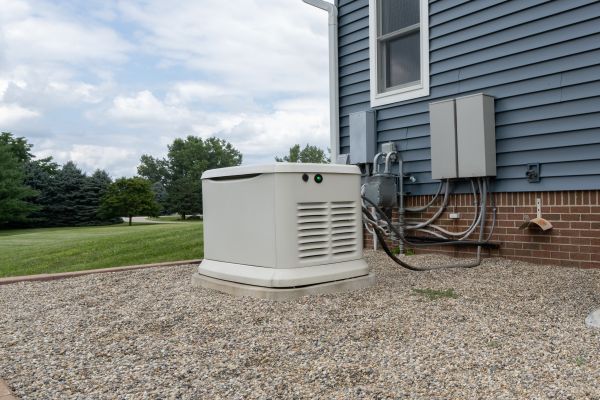
Standby generator installation generally refers to a fixed system that can start automatically when the utility supply fails. Unlike a portable unit that must be positioned, fueled, and connected manually, a standby setup is designed around permanent equipment, an automatic transfer switch, and an approved fuel arrangement.
A Home standby generator can be a strong fit for people who cannot easily manage a portable generator during severe weather or while away from home. Automatic operation can reduce the need for manual response, but homeowners should still understand the load plan, routine maintenance needs, alarm information, and safe operating expectations for their specific system.
What a residential generator project should include
Thoughtful preparation makes a generator project safer, clearer, and easier to evaluate. Before equipment is selected, the electrical system and the intended backup loads should be reviewed so the proposed design aligns with how the home is used. This process also gives homeowners an opportunity to ask direct questions about equipment placement, fuel, transfer operation, permits, and the work sequence.
From first discussion to outage readiness
- Discuss your outage priorities. Make a list of appliances, circuits, comfort systems, safety equipment, and devices that matter during an interruption.
- Review electrical demand. Determine starting and running loads, especially for motors and larger appliances, to guide generator sizing.
- Evaluate the installation layout. Consider the generator location, electrical connection path, service panel arrangement, fuel availability, and access for future maintenance.
- Confirm local requirements. Permitting, placement, clearances, and other rules can affect project design. A qualified installer can explain what applies to the property.
- Install, test, and review operation. The finished system should be tested through the transfer sequence, and the homeowner should know how to monitor it and when to arrange service.
Backup generator installation should include more than setting a generator on a pad and connecting a cable. The transfer switch and distribution strategy are central to safe operation because they isolate generator power from the utility supply and direct power to the selected portions of the home.
Residential generator services are relevant before and after a new system is installed. Homeowners may need help assessing loads, understanding an existing transfer setup, planning an upgrade, or identifying the information needed to keep a generator ready for use, depending on the scope Executive Electric confirms for the project.
Fuel choice, placement, and electrical compatibility
Fuel planning is a major part of a permanent backup system. Natural gas and propane are common choices for standby equipment, while portable generators often use gasoline. The practical fit depends on the property, available fuel infrastructure, expected runtime needs, equipment specifications, and applicable installation requirements.
Natural gas generator installation may appeal to homeowners with an available natural-gas service because it avoids the need to refill gasoline containers during an outage. Fuel supply capacity still needs to be evaluated for the selected generator and other gas appliances, so it should be addressed as part of the complete design rather than treated as an afterthought.
Generator placement deserves the same attention as generator size. Equipment needs adequate clearance, a stable location, proper electrical and fuel connections, and a layout consistent with manufacturer instructions and applicable requirements. Avoid making assumptions based on a neighbor’s installation, since property layout and electrical configurations can differ significantly.
Choose a solution that matches the problem you need to solve
Not every outage concern calls for identical equipment. A portable generator can be a reasonable alternative for limited, manual backup needs, while a battery system may suit selected loads and shorter-duration planning. A permanently installed generator is often chosen when automatic restoration, longer outage preparation, and broader household support are priorities.
Home electrical backup solutions should be evaluated as a complete system rather than as a single product purchase. The best fit depends on what must stay powered, whether automatic transfer is important, how much manual setup the household can manage, and the electrical and fuel conditions at the property.
Power outage backup solutions can protect daily routines by keeping priority equipment available when the grid is down. For a Bloomfield Township household, the most helpful preparation is to identify critical loads before an outage occurs, then discuss those needs with Executive Electric instead of trying to make last-minute decisions under stressful conditions.
Questions worth raising before you commit
Clear answers are more valuable than broad promises when selecting an installer. Ask how the system will handle the loads you identify, what transfer equipment is proposed, what fuel considerations apply, how permitting will be addressed, and what operational testing will occur after installation. You can also ask what routine maintenance the equipment manufacturer recommends and what signs indicate that a system needs attention.
- Which circuits or appliances are included in the proposed backup plan?
- How was the generator capacity selected for the home’s expected demand?
- Will the system use an automatic transfer switch, and what does it control?
- What property, fuel, electrical-panel, or permitting factors could affect the project?
- What should the homeowner do to stay familiar with normal operation and maintenance requirements?
Executive Electric can be a relevant contact for Bloomfield Township, MI homeowners who want to move from general outage concerns to a focused conversation about a permanent generator system. Share the appliances and systems you want protected, describe any past power interruptions that shaped your priorities, and ask for guidance based on the actual conditions of your Michigan home.
Frequently asked questions about generator installation
How does a home generator work during a power outage?
A standby generator monitors utility power through its connected transfer equipment. When an outage is detected, the system starts the generator and transfers designated electrical loads to generator power. When normal utility power returns, the transfer equipment returns those loads to the utility supply and the generator shuts down after its programmed cooldown cycle.
Do I need a whole-house generator to protect my home?
No. Many homeowners choose an essential-load system that supports only the circuits they consider most important, such as refrigeration, lighting, sump pumps, internet equipment, and selected comfort-system controls. A load review helps determine whether essential coverage or broader coverage better matches the household’s expectations and electrical demand.
Can a generator run every appliance in the house at once?
It depends on generator capacity, the home’s electrical loads, and which appliances are operating at the same time. High-demand equipment can require careful sequencing or a larger design. A professional load assessment is the practical way to avoid assuming that all appliances can operate together during an outage.
Is Executive Electric located in Bloomfield Township, Michigan?
Executive Electric’s supplied location is 20504 Hall Rd, Clinton Township, MI 48038. Homeowners seeking Home Generator Installation for a Bloomfield Township property can contact Executive Electric to discuss their project needs, location details, and whether the requested service can be arranged.
Ready to make a more informed backup-power decision? Contact Executive Electric to discuss Home Generator Installation needs for your Bloomfield Township property. Executive Electric is located at 20504 Hall Rd, Clinton Township, MI 48038, and can help you begin the conversation with your essential loads, fuel questions, and installation priorities in mind.