EV Charger Electrical Panel Upgrade Washington Township, MI
An EV charger can make daily driving simpler, but the charger is only as dependable as the electrical system supplying it. For homeowners seeking an EV Charger Electrical Panel Upgrade in Washington Township, MI, Executive Electric can be a practical contact point for discussing whether the existing panel has the capacity for a dedicated charging circuit. Executive Electric is located at 20504 Hall Rd, Clinton Township, MI 48038, serving customers who need clear information before planning an electrical upgrade.
Level 2 home charging commonly requires more electrical capacity than an ordinary household outlet. A panel that is already supporting air conditioning, electric cooking, a dryer, workshop equipment, or other major loads may need evaluation before a new circuit is added. The goal is not simply to install a charger, but to create a charging setup that is appropriately planned for the home’s overall electrical demand.
Why an EV charger may require a panel upgrade
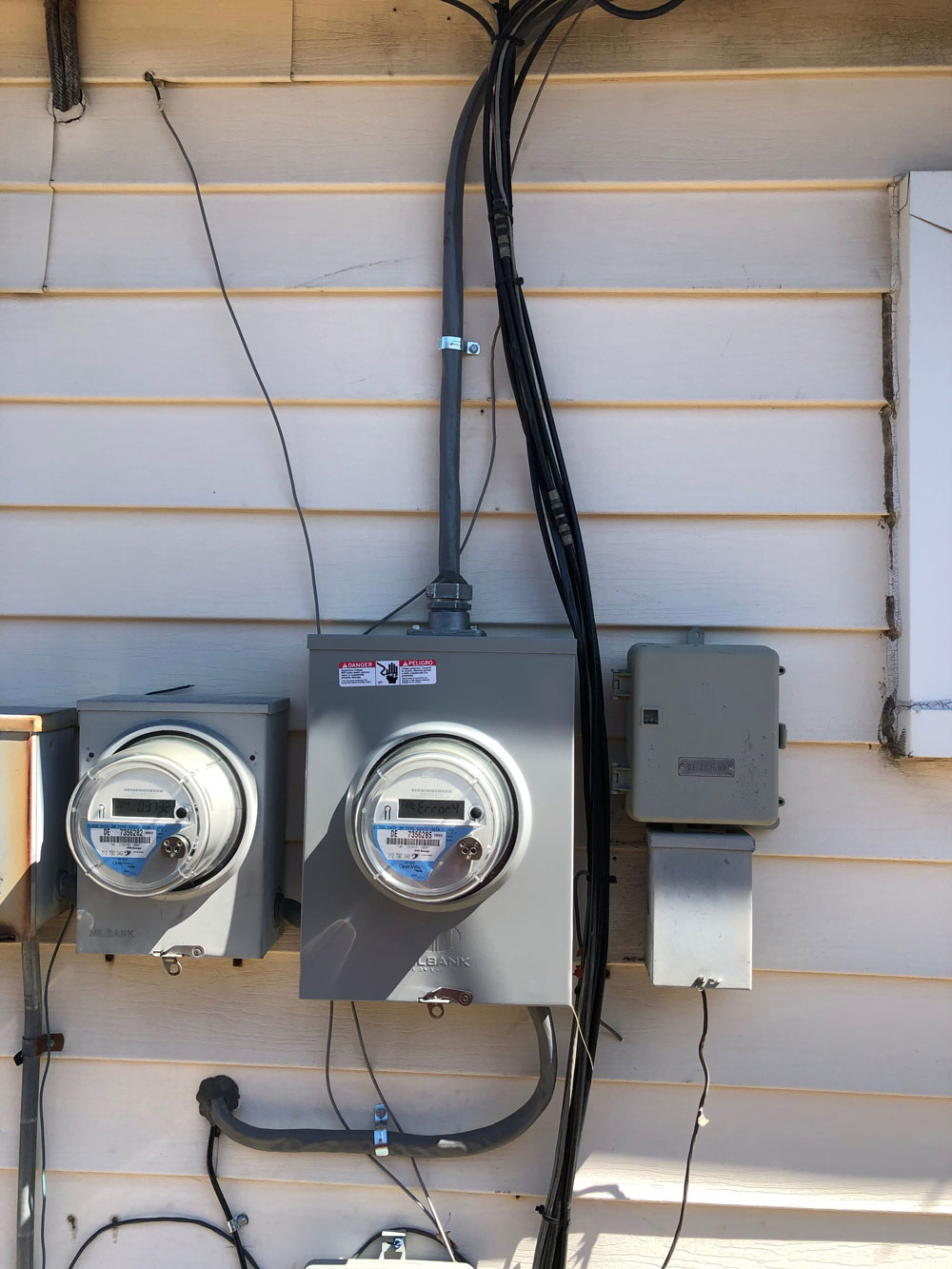
An electrical panel upgrade may be appropriate when a home cannot safely accommodate the additional continuous load associated with EV charging. The service can involve assessing the service size, panel condition, available breaker spaces, existing circuits, and anticipated charging equipment. It is a system-level decision rather than a one-size-fits-all add-on.
Electric vehicle charging is different from briefly using a countertop appliance because it can draw power for extended periods. Electrical planning accounts for the charging circuit and the loads already present in the residence, helping determine whether the existing equipment can support the intended installation. A careful assessment also helps avoid choosing a charger configuration before knowing what the home can reasonably supply.
Common signs that capacity deserves a closer look
Not every Washington Township, Michigan home needs a new panel to add EV charging. A newer panel with adequate service capacity, open space, and a manageable load calculation may only need a correctly sized dedicated circuit. Older equipment, a full breaker panel, or frequent electrical issues can be reasons to have the system evaluated before moving ahead.
- The panel has no available breaker spaces for a new dedicated circuit.
- The home uses several large electric appliances or has recently added major loads.
- Breakers trip, lights flicker, or the panel shows signs of age or damage.
- The desired charger amperage exceeds what the current electrical service can reasonably support.
- A homeowner wants to prepare for a second EV, future electrification, or an expanded garage setup.
These signs do not automatically mean replacement is required. They do indicate that a qualified electrical review is more useful than guessing based on the charger’s plug type or advertised output. The right path may range from adding a circuit to installing a subpanel, adjusting charging capacity, or considering a main service and panel replacement.
Panel space and service capacity are not the same thing
A panel can have an empty breaker position yet still lack sufficient calculated capacity for a substantial new load. Conversely, a service may have adequate capacity while the panel needs a practical solution for additional circuit space. Separating these issues is important because it helps homeowners understand why the recommendation might be a circuit addition, a subpanel, a load-management approach, or a broader electrical service upgrade.
Charging output also affects the decision. A lower-output charging arrangement may fit a home’s present conditions, while a higher-amperage Level 2 unit can call for more planning. Choosing the largest charger available is not always the best value if the household’s driving routine can be met with a more modest charging rate and less electrical work.
What an electrical assessment should clarify
Before purchasing or installing charging equipment, homeowners benefit from understanding the condition and capability of the electrical infrastructure. Executive Electric can discuss an EV Charger Electrical Panel Upgrade in the context of the home’s current loads and the intended charging plan. That conversation helps move the decision from a general concern about power to a more defined scope of work.
- Identify the charging objective. Consider the vehicle, typical miles driven, time parked at home, and whether one or more vehicles may charge there.
- Review the existing electrical system. Evaluate the panel, service equipment, circuit availability, and major household electrical loads.
- Compare feasible options. Consider a dedicated circuit, panel modifications, a subpanel, reduced charging output, or a larger upgrade when appropriate.
- Plan the installation details. Determine a sensible charger location, wiring route, protection requirements, and the work needed to support the selected equipment.
- Complete the work and verify operation. After installation, the homeowner can use the charger with a clearer understanding of the circuit and equipment supporting it.
The scope can vary considerably between homes. Garage layout, distance from the panel, wall construction, underground routing, and the desired charger location can all influence the work involved. Discussing those details early makes it easier to compare options based on practicality, not just the charger’s purchase price.
A dedicated circuit supports a more reliable charging plan
Home EV chargers are generally planned on a dedicated branch circuit so the charging load is not competing with unrelated household receptacles or equipment. Proper circuit sizing, breaker selection, conductor sizing, and installation methods matter because EV charging can be a sustained load. A professionally planned circuit also provides a clearer foundation if a homeowner later changes charging equipment or vehicle ownership needs.
The phrase EV Charger Panel Upgrade often describes the work of improving the panel or service arrangement so a home can accommodate charging more appropriately. It may include resolving a lack of breaker space, addressing capacity concerns, or coordinating the panel work with a dedicated EV circuit. The necessary solution depends on the individual home, not on a universal panel-upgrade package.
Choosing between charging options and upgrade paths
For many drivers, the decision is less about whether to charge at home and more about what charging rate makes sense. Level 1 charging uses a standard household receptacle and can be adequate for limited daily driving, provided the receptacle and circuit are suitable. Level 2 charging typically offers faster home charging but usually requires a dedicated 240-volt circuit and may expose limitations in an older or heavily loaded panel.
A lower-amperage Level 2 configuration can sometimes be a sensible compromise when overnight charging time is ample. It may reduce the needed circuit size or avoid a more extensive project, although it does not eliminate the need for an electrical assessment. A higher-output setup can be attractive for longer daily travel, multiple EVs, or shorter charging windows, but the home’s service capacity should guide that choice.
- Dedicated circuit only: Often considered when the existing panel and service have adequate space and capacity.
- Panel or subpanel work: May help when circuit space is the main constraint while the broader electrical service remains suitable.
- Service and panel upgrade: May be considered when calculated demand and existing equipment point to a larger capacity issue.
- Adjusted charger output: Can be worth discussing when driving habits allow a lower charging rate and it better fits the home’s electrical conditions.
It is also useful to think beyond the first vehicle. A homeowner in Washington Township, MI who expects to add a second EV, replace gas appliances with electric alternatives, or build out a garage workspace may prefer a plan that leaves room for future loads. Future-ready planning does not mean overspending by default. It means comparing today’s needs with reasonable upcoming changes before electrical work is finalized.
What to look for when planning the work
Clear communication matters because a charger installation combines vehicle needs, household use, and fixed electrical equipment. Ask for an explanation of what the current panel can support, why a particular charging output is recommended, and what work is included in the proposed scope. A homeowner should also know whether the discussion concerns breaker space, calculated load, equipment condition, wiring distance, or more than one of these factors.
Executive Electric provides a local point of contact from 20504 Hall Rd, Clinton Township, MI 48038 for customers evaluating an EV-related electrical project in the region. A productive conversation begins with the vehicle or charger being considered, photos or details of the panel when available, and an honest picture of major electrical appliances in the home. That information helps frame the practical choices without assuming every Michigan home needs the same upgrade.
Prepare useful details before contacting an electrician
Having a few basics ready can make the initial discussion more efficient. Note whether the charger will be hardwired or receptacle-connected, where it will be located, the approximate distance to the electrical panel, and any known service size markings. If the household has experienced tripping breakers or plans other electrical changes, include that context as well.
Do not rely on a panel’s age alone to determine suitability. Some older panels may require more attention, while some newer panels may be limited by load or available spaces. The value of an assessment is that it considers the actual installation conditions and the intended EV charging demand together.
Frequently asked questions
Does every Level 2 charger require an electrical panel upgrade?
No. A Level 2 charger needs a properly planned dedicated 240-volt circuit, but a panel upgrade is only needed when the existing equipment lacks adequate capacity, breaker space, or suitable condition for the added load. An electrical assessment identifies the appropriate path for the specific home.
Can I install the charger first and deal with the panel later?
It is generally better to evaluate the panel and service before finalizing charger installation. The selected charger output, circuit size, wiring route, and existing household loads all affect the project. Planning in the correct order helps avoid purchasing equipment that does not fit the home’s electrical capabilities.
What is the difference between a panel upgrade and a service upgrade?
A panel upgrade focuses on the distribution equipment and available circuit space. A service upgrade addresses the capacity of electrical service entering and supplying the home, which can involve additional equipment and coordination. Sometimes both are needed, but one does not automatically mean the other.
Can Executive Electric help customers seeking this service in Washington Township, Michigan?
Executive Electric is located at 20504 Hall Rd, Clinton Township, MI 48038 and can be contacted to discuss an EV charger electrical panel project and its electrical considerations. Share your home’s charging goals and panel details so the conversation can focus on the most relevant next steps.
Plan your EV charging upgrade with a clearer electrical picture
A well-planned charger setup starts with the electrical system, not with assumptions about what the panel can handle. Whether the answer is a dedicated circuit, panel-related work, a different charging output, or a more comprehensive upgrade, understanding the options can protect the usefulness of the investment. Executive Electric can help you start that conversation from its Clinton Township, MI location.
Ready to discuss EV charging capacity for your home? Contact Executive Electric to share your EV charging goals, current panel details, and questions about an electrical panel upgrade. Reach out to Executive Electric at 20504 Hall Rd, Clinton Township, MI 48038 to begin planning a practical next step for your Washington Township area home.