EV Charger Electrical Panel Upgrade Royal Oak, MI
An electric vehicle charger can be a major convenience at home, but the charger is only as dependable as the electrical system supporting it. For homeowners planning an EV Charger Electrical Panel Upgrade in Royal Oak, MI, the key question is whether the existing panel, service capacity, circuits, and wiring can safely handle the added continuous load. Executive Electric can help you begin the conversation with a clear look at the electrical considerations behind a home charging installation.
Executive Electric is located at 20504 Hall Rd, Clinton Township, MI 48038. While that is the company location provided, this page is intended for people evaluating an EV charging project in and around Royal Oak, Michigan, who need practical information before moving forward. A thoughtful panel assessment can help prevent overloaded circuits, nuisance breaker trips, and avoidable changes after a charger has already been selected.
Why an EV charger may require an electrical panel upgrade
A panel upgrade is not automatically required for every home charger, but it becomes important when the existing electrical service does not have enough capacity for the vehicle charging load alongside normal household demand. Level 2 chargers generally draw substantially more power than a standard 120-volt outlet, and EV charging is commonly treated as a continuous load when the electrical system is designed. The right solution depends on the home’s existing service, panel rating, available breaker spaces, circuit load, and the charging equipment you plan to use.
Many homes in Michigan have electrical panels that were sized for the appliances and routines common when the home was built. Adding central air conditioning, electric cooking, a hot tub, a workshop, a heat pump, or another high-demand appliance can change the calculation. An EV charger adds another significant demand, especially when you want faster overnight charging rather than slow charging from a conventional outlet.
Signs your current electrical system deserves a closer look
An older panel does not necessarily mean replacement is needed, and a newer panel does not automatically mean there is adequate capacity. The useful step is to evaluate the actual system instead of assuming that an unused breaker position or a high panel rating answers every question. A professional electrical assessment helps identify whether a dedicated circuit alone is appropriate or whether broader work should be considered.
- The panel is full, crowded, or has no practical space for a new dedicated breaker.
- The main service rating may be limited relative to present household electrical use.
- Breakers trip during normal use, lights dim, or existing circuits already seem heavily loaded.
- You are adding other large electrical equipment now or expect to add it soon.
- Your preferred charger amperage exceeds what the existing capacity can reasonably support.
These conditions are not a diagnosis by themselves. They are reasons to ask for a complete review before installation planning. A capacity calculation and visual inspection provide more useful answers than choosing a charger based only on its advertised speed.
What an EV Charger Electrical Panel Upgrade can involve
An EV Charger Electrical Panel Upgrade may range from making room in an existing panel to replacing a panel, increasing service capacity, or coordinating other electrical changes required for a dedicated charging circuit. The scope should match the home and equipment, not a one-size-fits-all package. Executive Electric can discuss the practical difference between a straightforward branch-circuit installation and a project that needs a more substantial power-distribution update.
The goal is to create a charging setup that supports everyday driving needs without ignoring the rest of the household load. A larger panel or service may offer room for future electrical changes, but it is not automatically the right answer for every homeowner. In some situations, selecting a lower-amperage charger, managing loads, or using a different charging approach may be a reasonable alternative when it aligns with the home’s needs and the applicable electrical requirements.
Panel space, service capacity, and charger speed are different issues
Available panel space refers to whether the panel can physically accept the required breaker and connection. Service capacity refers to how much electrical demand the home can support overall. Charger speed refers to the charging output selected for the vehicle and the circuit, so these three factors are related but should not be treated as interchangeable.
For example, a panel may have open spaces but still need a load calculation before a high-output Level 2 charger is added. Conversely, a home may have sufficient overall service capacity but require a panel change because there is no appropriate place for the new circuit. Understanding the distinction helps homeowners compare recommendations and ask more precise questions before authorizing work.
How Executive Electric approaches the planning conversation
For a Royal Oak, MI charging project, the most productive first step is to collect details about the vehicle, charger preference, electrical panel, and desired charger location. Executive Electric can use that information to frame the electrical questions that matter before installation decisions are made. This planning-first approach helps you understand likely requirements rather than treating the panel as an afterthought.
- Identify charging goals. Consider how far you drive, when the vehicle is typically parked, and whether overnight charging meets your needs.
- Review the existing electrical system. The panel rating, breaker configuration, visible condition, available spaces, and current large loads all affect the project.
- Evaluate the charger location. Garage, driveway, attached structure, cable routing, and distance from the panel can influence wiring scope and installation planning.
- Determine the appropriate electrical solution. This may involve a dedicated circuit, panel modifications, a panel replacement, service work, or a different charger configuration.
- Plan for inspection and future needs. Ask how the selected approach supports present charging needs and whether future electrical additions could affect capacity.
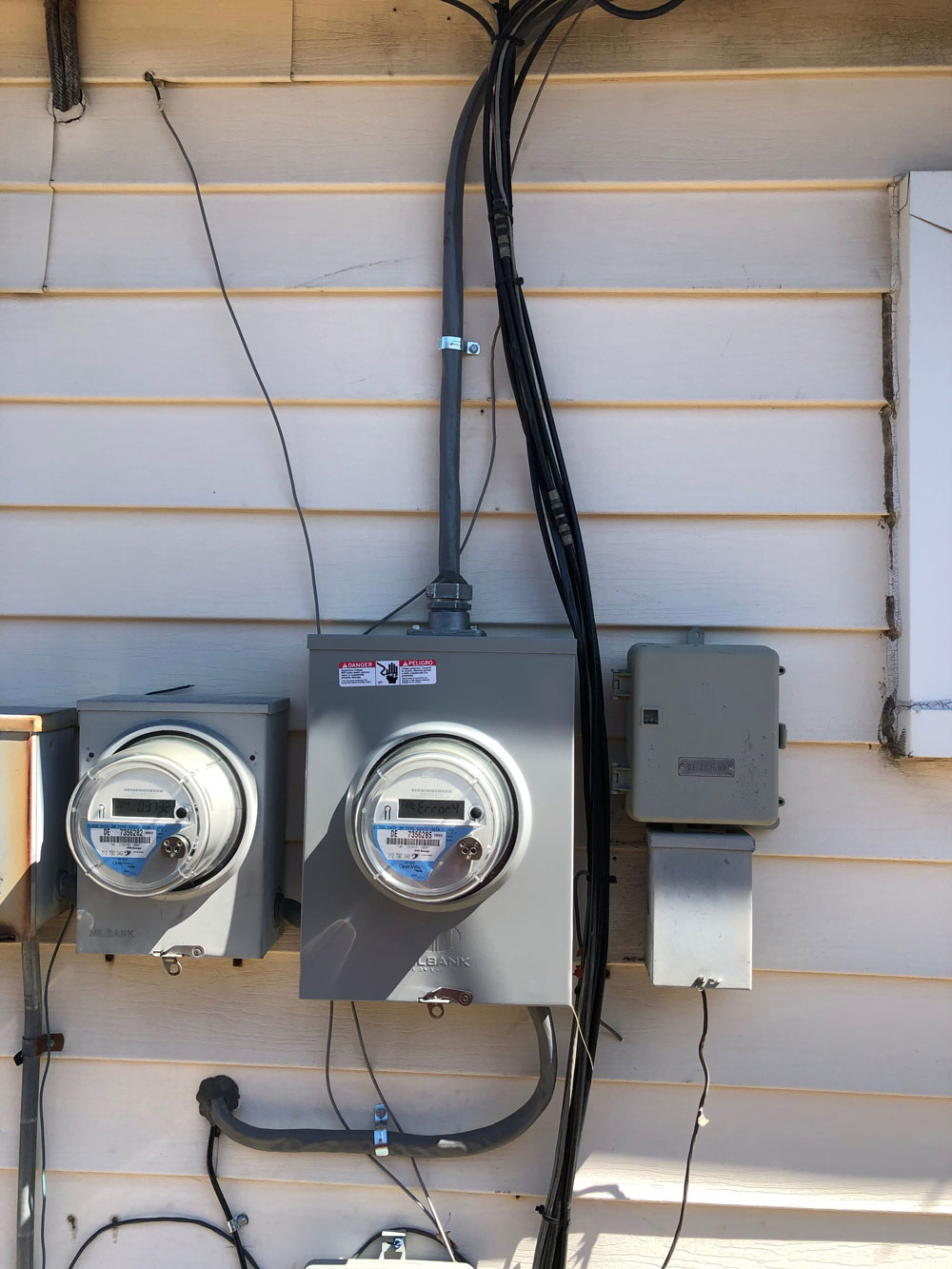
Before contacting an electrician, it can be helpful to note the make and model of the vehicle, the charger model if one has been chosen, photographs of the panel label and breaker layout, and the proposed charger location. You do not need to solve the electrical design yourself. Providing these details simply makes the initial discussion more efficient and gives the electrician better context for evaluating the project.
Choosing the right charging arrangement for your household
The fastest available charger is not always the most practical choice. A moderate Level 2 setup may comfortably recharge many vehicles overnight while placing fewer demands on the home’s electrical system. On the other hand, households with longer daily commutes, more than one EV, irregular schedules, or limited charging windows may have stronger reasons to explore higher charging capacity and the panel work that may accompany it.
It is also worth considering future electrification plans. If you expect to install another EV charger, replace gas appliances with electric equipment, add a heat pump, or build out a workshop, mention those plans during the evaluation. Planning around foreseeable demand can reduce the chance of making a narrowly sized change that needs to be revisited soon afterward.
A practical look at the EV Charger Panel Upgrade decision
A properly planned EV Charger Panel Upgrade addresses the electrical infrastructure behind convenient home charging, not just the charger mounted on the wall. It can provide the dedicated circuit capacity needed for the selected equipment while helping account for the demands already placed on the home. The decision should be based on an evaluation of your system, household load, driving habits, and future plans.
Homeowners sometimes assume that any existing garage outlet can be adapted for EV charging. A standard outlet may be useful for slower charging in some circumstances, but it is not a substitute for evaluating the wiring, circuit protection, and continuous load requirements of the chosen charging arrangement. Likewise, adding a charger without considering service capacity can create problems that may not be obvious until several large household loads operate at the same time.
- Dedicated circuit planning: The charger should be considered alongside other household electrical loads, not treated as a casual plug-in addition.
- Equipment compatibility: Vehicle capability, charger output, connector type, and circuit size should work together.
- Location and routing: Longer wire runs, finished walls, detached structures, and outdoor locations can affect installation complexity.
- Future flexibility: A solution that supports anticipated electrical changes can be valuable when it fits the home’s needs and budget.
Executive Electric can be a relevant contact when you want a clear discussion of those factors for a Royal Oak, Michigan project. Rather than making assumptions from a panel photo alone, use the conversation to understand what information is needed, what electrical options may exist, and what a responsible next step looks like for your property.
Questions to consider before scheduling EV panel work
The best provider-selection conversations are specific. Ask how the home’s electrical demand will be evaluated, whether the proposed charger circuit matches the equipment requirements, and what panel or service changes are actually necessary. You can also ask what will affect the work scope, including the charger location, wire route, panel condition, and any required local approvals or inspections.
It is reasonable to request an explanation in plain language. You should understand whether the recommendation is for additional breaker space, a new panel, increased electrical service, a dedicated circuit, or a combination of these items. Clear explanations make it easier to compare options and decide whether to proceed now, select a different charger output, or plan the electrical upgrade around other future improvements.
Frequently asked questions
Do I always need a panel upgrade for a Level 2 EV charger?
No. A Level 2 charger may only need a properly sized dedicated circuit if the electrical panel and service have adequate capacity. An evaluation should consider the home’s existing loads, panel space, service rating, charger output, wiring route, and applicable electrical requirements before determining whether an upgrade is needed.
What is the difference between replacing an electrical panel and upgrading electrical service?
Replacing a panel updates the equipment that distributes power to branch circuits. Upgrading electrical service can involve increasing the capacity supplied to the home and may include panel work. Some EV charging projects need only panel space or circuit changes, while others may require a broader service-capacity solution.
Can I choose a lower-amperage charger instead of upgrading the panel?
In some homes, a lower-output charging configuration may be a practical option when it provides enough charging time for daily driving and fits the existing electrical capacity. That choice should still be evaluated against the vehicle, circuit requirements, household load, and future charging expectations. It is a tradeoff between charging speed, infrastructure scope, and long-term flexibility.
Where is Executive Electric located for customers considering work in Royal Oak, MI?
Executive Electric is located at 20504 Hall Rd, Clinton Township, MI 48038. If you are considering an EV Charger Electrical Panel Upgrade in Royal Oak or elsewhere in Michigan, contact Executive Electric to discuss your property, charging goals, and the information needed to evaluate the electrical scope.
Discuss your home charging plans with Executive Electric
Home charging can be simpler and more useful when the electrical system is evaluated before equipment choices become final. Whether you are preparing for your first EV, replacing an existing charger, or planning for future household electrification, an informed panel and capacity review can help you make a more confident decision.
Contact Executive Electric to discuss an EV Charger Electrical Panel Upgrade for your Royal Oak, MI property. Executive Electric is located at 20504 Hall Rd, Clinton Township, MI 48038, and can help you start with the electrical questions that matter for safe, practical charging planning.