EV Charger Electrical Panel Upgrade Rochester, MI
Adding home charging can be one of the most practical parts of owning an electric vehicle, but the charger is only as capable as the electrical system supplying it. For homeowners researching an EV Charger Electrical Panel Upgrade Rochester, MI, Executive Electric can help start the conversation with the part that matters most: whether the existing panel has the safe capacity and layout needed for a dedicated charging circuit. Executive Electric is located at 20504 Hall Rd, Clinton Township, MI 48038, and serves customers seeking informed electrical service decisions in the Rochester area.
An electrical panel upgrade is not automatically required for every Level 2 charger installation. It becomes an important consideration when a load calculation shows limited available capacity, the panel is full, existing equipment is outdated, or the home’s overall electrical demand has grown. Understanding those conditions before installation helps a homeowner choose a charging approach that fits both daily driving needs and the home’s electrical infrastructure.
When an EV charger calls for more panel capacity
A Level 2 EV charger typically needs a dedicated 240-volt circuit, which can place a meaningful continuous load on a residence. The key question is not simply whether an electrical panel has an unused breaker space. A qualified evaluation considers the panel rating, service capacity, connected loads, planned charging amperage, and the condition of existing electrical equipment.
Homes in Rochester, MI may be good candidates for a service panel upgrade when the electrical system was designed around much smaller household loads than today’s needs. Central air conditioning, electric ranges, dryers, hot tubs, workshop equipment, and newer electric appliances can all affect the calculation. A panel that appears adequate at first glance may not have enough capacity for charging at the desired rate without a thoughtful plan.
Common signs an upgrade should be evaluated
Electrical panels do not need to be replaced solely because an EV is arriving, but several practical signals justify a professional assessment. Frequent breaker trips, a crowded panel, corrosion or physical damage, obsolete equipment, and plans to electrify additional appliances all deserve attention. A review before charger selection can avoid buying equipment whose maximum output is not realistic for the home.
- The panel has no open spaces for a new two-pole breaker.
- The home has a lower-amp service or substantial existing electrical demand.
- Breakers trip, lights flicker, or the panel shows signs of age or damage.
- The desired charger amperage would compete with major appliances or HVAC equipment.
- A remodel, addition, solar project, or future electrification plan is also under consideration.
Capacity and breaker space are different issues
Available breaker positions and available electrical capacity are related but different. A panel can have empty spaces while a load calculation indicates that the service should not support another large continuous load. Conversely, a panel with adequate capacity but no physical room may need a different panel configuration or other code-compliant solution, rather than a larger utility service.
That distinction is why an EV charging panel assessment should go beyond a quick visual check. The electrician needs to identify the service rating, review the major loads already in use, and account for the intended circuit. This process helps clarify whether the appropriate path is a new dedicated circuit, a panel replacement, a service upgrade, or a lower-output charging option.
What an electrical panel evaluation should include
A useful evaluation gives you a clear basis for deciding how to power your charger. Executive Electric can discuss the planned charging equipment and inspect the electrical factors that affect installation, rather than treating every project as identical. The goal is to match the electrical solution to the home, vehicle use, and future plans.
- Discuss charging goals. Consider the vehicle, daily mileage, time available to charge, and whether one or more EVs may be charged at home.
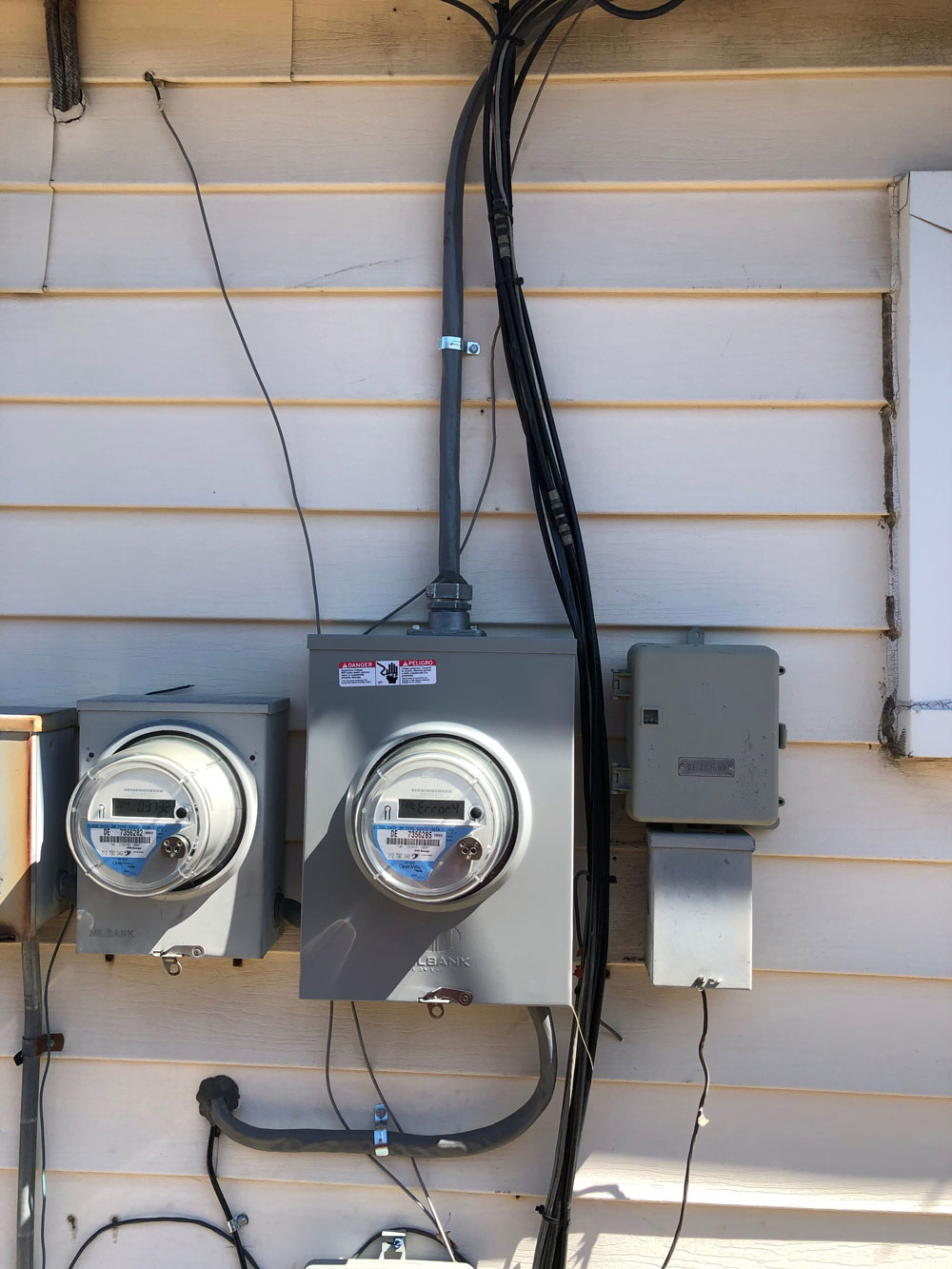
- Review the existing system. Identify the panel rating, breaker layout, service equipment, visible condition, and major household loads.
- Perform or support the load assessment. Determine whether the proposed continuous charging load can be accommodated appropriately.
- Compare practical options. Consider the circuit size, charger output, panel changes, and any broader electrical work needed.
- Plan the installation. Confirm the scope, equipment location, permitting requirements where applicable, and the work sequence before moving forward.
The assessment also gives homeowners a chance to discuss how the charger will be used in real life. Someone who drives modestly each day may be well served by a lower-amperage Level 2 setup, while a household with multiple drivers or limited overnight charging time may value higher output. Bigger is not inherently better if it requires avoidable expense or exceeds what the vehicle and schedule actually require.
Choosing between a panel upgrade and other charging approaches
A full panel upgrade can create capacity and improve organization when a home genuinely needs it, but it is not the only answer. In some situations, a properly sized dedicated circuit for a lower-amperage charger may meet the household’s needs. Load-management equipment may also be worth discussing when appropriate, though its suitability depends on the specific electrical design and local requirements.
It is also useful to distinguish a panel replacement from a service upgrade. Replacing a panel may address space, condition, or distribution needs, while increasing the home’s service capacity can involve additional components and coordination beyond the panel itself. Asking which issue applies to your Michigan home helps keep the scope aligned with the actual electrical limitation.
How an EV Charger Panel Upgrade supports reliable home charging
An EV Charger Panel Upgrade is the broader electrical planning work that makes it possible to add charging capacity without overlooking the rest of the home’s demand. It can involve evaluating the service, improving the distribution panel, adding a dedicated circuit, and selecting a charging level that works with the available load. Addressing these items together supports a more deliberate installation instead of treating the charger as an isolated appliance.
For many homeowners, the value is predictability. A properly planned charging circuit is designed for the charger’s continuous-duty requirements and helps avoid relying on extension cords, improvised connections, or an overloaded electrical system. It also provides a better foundation if the household later adds another EV or other high-demand electric equipment.
Questions to ask before approving the work
The right proposal should explain what problem the recommended work solves. Homeowners should be able to understand whether capacity, physical panel space, equipment condition, or desired charging speed is driving the recommendation. Clear answers make it easier to compare options based on function and long-term usefulness, not just the initial scope.
- What charging amperage is being planned, and how does it fit my vehicle and daily routine?
- Does my electrical service have sufficient calculated capacity for that continuous load?
- Is the recommendation a new circuit, a panel replacement, a service-capacity increase, or a combination?
- What existing loads were considered during the evaluation?
- Will the work require permits or inspections under the rules that apply to the property?
- How would this plan accommodate a future second EV or additional electric appliances?
Provider selection should also center on communication and scope clarity. Ask for an explanation of the proposed circuit, the location of the charger, the panel work involved, and any assumptions about the existing equipment. A professional electrical review is especially appropriate when the panel is older, the home has recurring electrical concerns, or the owner is making several electrification changes at once.
Why Rochester-area homeowners plan ahead
Charging at home is easiest when the electrical design is considered before equipment is purchased and mounted. Early planning can identify constraints that influence charger placement, wiring route, circuit size, and the value of a panel upgrade. It can also help prevent a last-minute change from the charging speed a homeowner expected to a smaller configuration dictated by the existing system.
Executive Electric offers a direct point of contact for people considering an EV Charger Electrical Panel Upgrade for a Rochester, MI property. The company’s listed location is 20504 Hall Rd, Clinton Township, MI 48038. Contacting Executive Electric with details about your vehicle, preferred charger, existing panel, and household electrical plans can make the first discussion more productive.
Michigan homeowners should view panel capacity as part of a larger household energy plan. A charger may be the immediate reason for electrical work, but planned additions such as heat pumps, electric water heating, induction cooking, finished basements, or workshop circuits can change the best long-term choice. Considering those future loads now may reduce the need to revisit the same electrical limitations later.
Answers for EV charging panel decisions
Do I always need a panel upgrade to install a Level 2 EV charger?
No. A Level 2 charger may be installed without a panel upgrade when the electrical service has adequate calculated capacity, usable breaker space, and equipment in suitable condition. An evaluation determines whether a dedicated circuit alone is appropriate or whether panel or service work is needed.
What is the difference between a panel upgrade and adding an EV charger circuit?
Adding a charger circuit creates the dedicated 240-volt supply for the EVSE. A panel upgrade addresses the distribution equipment when it lacks space, suitable condition, or capacity for that circuit. Some properties need only the circuit, while others need both types of work.
Can I choose a lower-amperage charger instead of increasing service capacity?
Possibly. A lower-output Level 2 charger can still replenish many drivers’ daily usage overnight and may fit an existing electrical load calculation. The practical choice depends on vehicle charging limits, daily driving, available charging time, and the home’s other electrical demands.
Where is Executive Electric located for Rochester, MI customers?
Executive Electric is located at 20504 Hall Rd, Clinton Township, MI 48038. Rochester is the target service area referenced on this page, not a claimed Executive Electric office location. Contact the company to discuss your property and the electrical work you are considering.
Discuss your home charging plan with Executive Electric
If you are comparing charger options, dealing with a full electrical panel, or preparing a Michigan home for an EV, start with the electrical facts before committing to equipment. Executive Electric can help you discuss an EV charging panel evaluation and the possible next steps for a Rochester-area property. Contact Executive Electric to discuss your EV charger electrical panel upgrade needs and provide details about your home, charging goals, and existing electrical setup.