EV Charger Electrical Panel Upgrade Novi, MI
Adding home charging can be straightforward, but the electrical system behind the charger must be ready for the added continuous demand. For homeowners researching EV Charger Electrical Panel Upgrade Novi, MI, Executive Electric provides a practical starting point: evaluate the existing panel, identify the capacity needed for the charging plan, and determine whether an upgrade is the sensible path before installation moves ahead.
Executive Electric is located at 20504 Hall Rd, Clinton Township, MI 48038. That is not a claimed Novi office location, but it gives Novi-area property owners a clear company address when deciding whom to contact about an electrical panel assessment, EV charging circuit, or related questions in Michigan.
Why an EV charger can reveal a panel-capacity issue
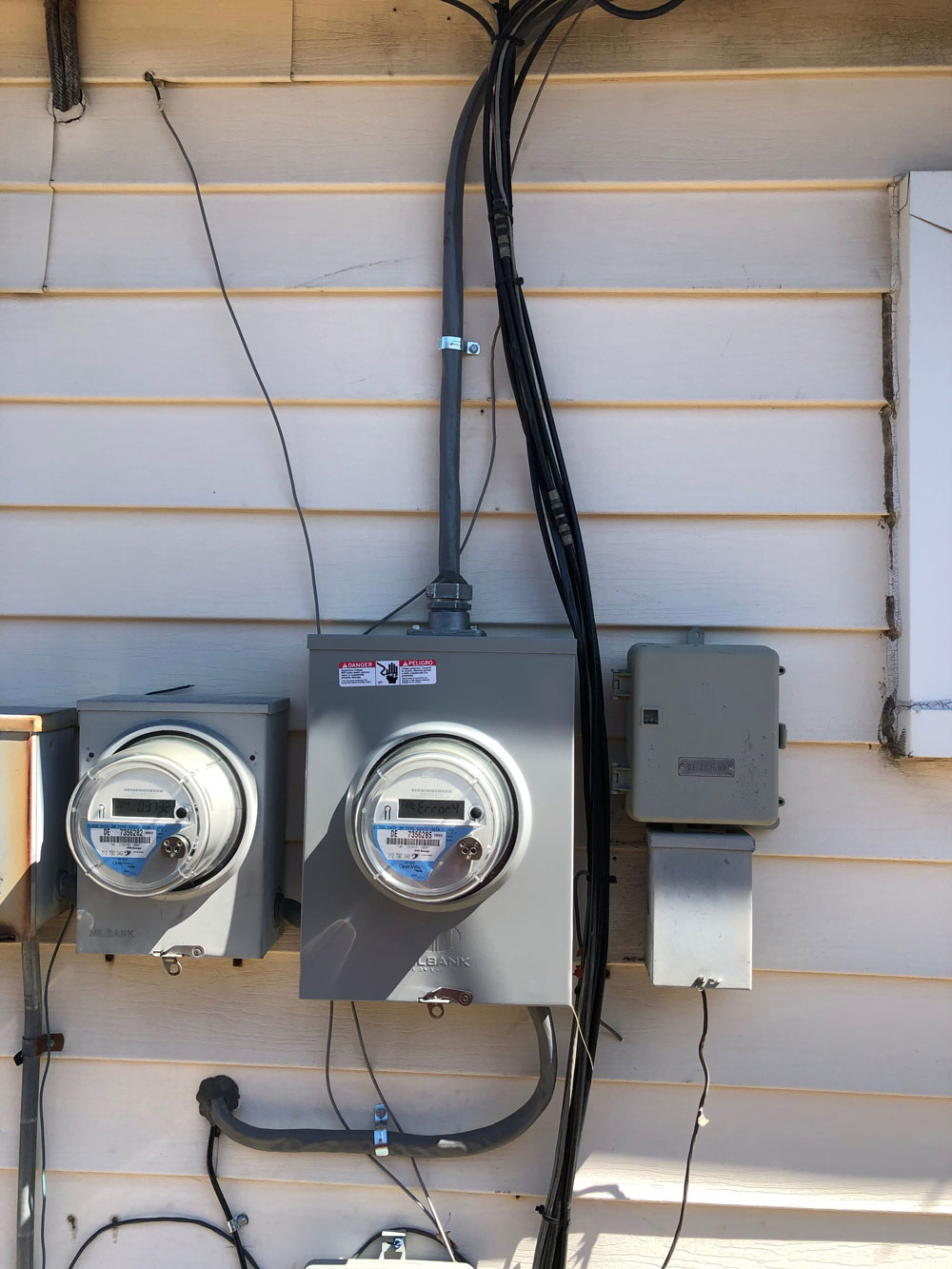
An EV charger is not the same as plugging a small appliance into an existing receptacle. Level 2 equipment commonly requires a dedicated 240-volt circuit and may draw power for long periods, so the home’s service and load capacity deserve careful review. A panel that has served a household well for years can still be too limited, too full, or too outdated for the new electrical load.
Electric-vehicle charging is generally treated as a continuous load, meaning circuit and load calculations must account for sustained operation rather than a brief burst of use. The appropriate circuit size depends on the charging equipment, vehicle capabilities, existing electrical demand, and the home’s electrical configuration. A professional assessment helps avoid choosing a charger first and discovering later that the infrastructure cannot support it as planned.
Signs it may be time to assess the electrical panel
A panel review is worthwhile before buying or installing charging equipment when capacity is uncertain. It can also be appropriate when a homeowner is planning other major electrical additions, such as electric cooking equipment, a heat pump, a hot tub, or a future renovation. An assessment clarifies the electrical starting point instead of relying on assumptions about the panel’s amp rating or unused breaker spaces.
- The panel has no open spaces for the required dedicated breaker.
- The home’s main service capacity may be small relative to present household loads.
- Breakers trip, lights flicker, or the panel shows visible age or damage.
- The charging plan calls for higher-amperage Level 2 charging.
- Several electrification projects are planned at the same time.
Open breaker spaces and available electrical capacity are different things. A crowded panel may need a physical expansion or replacement to make room for a breaker, while a panel with open spaces may still lack adequate calculated capacity. Conversely, a load calculation may show that the existing service can support a charger even if an upgrade initially seemed inevitable.
What an EV-related panel upgrade is designed to accomplish
An electrical panel upgrade for EV charging is intended to provide a safe, properly planned distribution point for the added circuit while accounting for the home’s overall demand. Depending on the assessment, the work may involve replacing an undersized or obsolete panel, increasing service capacity, adding breaker spaces, or making other changes necessary for the selected charger and electrical conditions. The right scope is based on the property, not a one-size-fits-all package.
In a normal paragraph of planning, an EV Charger Electrical Panel Upgrade should be discussed as part of the entire home electrical system, not as an isolated panel swap. The charging circuit, overcurrent protection, conductor sizing, panel capacity, service equipment, grounding and bonding considerations, and installation location all affect the final design. This broader review can help a homeowner make an informed decision about charging speed, future expansion, and project timing.
Level 1, Level 2, and load-management choices
Homeowners do not always need the same charging solution. Level 1 charging uses a standard household outlet and is slower, while Level 2 charging uses 240 volts and can provide faster replenishment when the vehicle and equipment support it. A Level 2 installation often creates the strongest case for a dedicated circuit and panel-capacity review, especially when higher charging output is desired.
There are meaningful tradeoffs between maximizing charging rate and minimizing electrical upgrades. A lower-amperage Level 2 setting may fit an existing system more readily and still meet an owner’s overnight driving needs, while a higher-output charger can be attractive for larger daily mileage or more limited charging windows. In some circumstances, managed charging or load-management equipment may be considered, but suitability depends on the equipment and site conditions rather than a universal rule.
EV Charger Panel Upgrade planning should begin with how the vehicle will actually be used, including daily miles, expected overnight parking time, and whether another EV may be added later. That information helps frame a sensible electrical discussion instead of assuming every household needs the largest possible charger. It also helps align the panel work, circuit design, and charging equipment with present needs and realistic future plans.
A clear process before, during, and after the work
A careful process reduces surprises and gives the homeowner useful information before a major electrical decision. Executive Electric can be contacted to discuss the property and the intended EV charging project, with the existing panel and service evaluated as appropriate. The goal is to establish what the electrical system can support and what work may be needed to move forward responsibly.
- Define the charging goal. Identify the vehicle, desired charger type, preferred location, and typical charging schedule.
- Review the existing electrical system. Consider the service rating, panel condition, breaker space, major household loads, and routing for a dedicated circuit.
- Determine the project scope. The result may be a dedicated circuit, panel modifications, a panel replacement, service work, or a different charging approach.
- Plan the installation details. Confirm equipment specifications, electrical routing, required approvals or inspections when applicable, and disruption considerations.
- Complete and verify the work. After installation, the charging equipment and circuit should be used according to manufacturer instructions and the completed electrical design.
Panel work can require a planned interruption of power because the service equipment is being changed or accessed. Homeowners should ask how the work is expected to affect refrigeration, internet equipment, medical devices, work-from-home needs, security systems, and other household priorities. Discussing these details in advance allows for realistic preparation rather than treating a panel upgrade as a quick, no-impact task.
Details that affect scope, cost, and scheduling
The electrical panel is only one part of a charging installation. Charger location, the distance from the panel, wall construction, garage or exterior placement, trenching needs, service condition, and the selected equipment can all influence the work required. A thorough review separates what is essential for safety and capacity from optional decisions about convenience or future expansion.
Permitting and inspection requirements may apply to panel and charging-circuit work in Michigan, and requirements can vary by the authority having jurisdiction. Rather than assuming a permit is or is not needed, homeowners should ask how local requirements apply to their specific project. The same discussion should address whether utility coordination may be relevant if the project includes a service-capacity change.
How to choose an approach that fits the home
The best choice is often the one that matches charging needs with the home’s actual electrical capacity. A homeowner who drives modest daily distances and has long overnight parking may be well served by a lower-output charging plan. A household with frequent driving, a larger battery, or a second planned EV may place more value on greater charging capacity and a panel designed with expansion in mind.
- Ask whether the current service and panel can support the intended charger after a load calculation.
- Ask what charging output is practical for the vehicle and daily routine.
- Ask whether the panel has adequate physical space and electrical capacity for the dedicated circuit.
- Ask what other household loads could affect the design now or later.
- Ask about anticipated power interruption, approvals, inspection, and equipment responsibilities before work begins.
Choosing a provider should involve more than comparing a single headline price. A useful conversation addresses the condition of the existing electrical equipment, the desired charging output, circuit routing, likely project variables, and the homeowner’s future plans. This approach supports a more complete decision and helps prevent a charger installation from being planned around incomplete electrical information.
Talk with Executive Electric about Novi-area charging readiness
For a Novi, MI home, an electrical panel assessment can turn a broad EV charging idea into a practical plan. Executive Electric can be contacted from its location at 20504 Hall Rd, Clinton Township, MI 48038 to discuss an EV charger circuit, panel capacity concerns, or a potential electrical service upgrade. Michigan homeowners benefit from beginning with the electrical facts, then selecting an approach that fits their vehicle, property, and charging routine.
Ready to discuss your charging project? Contact Executive Electric to start the conversation about EV charging and electrical panel needs for your Novi-area property. Share the charger you are considering, the panel information you have available, and any future electrical plans so the next steps can be considered with the full picture in mind.
Frequently asked questions
Do I always need a panel upgrade to install a Level 2 EV charger?
No. A Level 2 charger may be possible without replacing the panel if a load calculation shows adequate capacity, the panel has suitable space, and the required dedicated circuit can be installed properly. A panel upgrade is considered when capacity, condition, configuration, or service limitations make it necessary.
How do I know what charger amperage my home can support?
The supported amperage depends on the home’s calculated electrical load, service size, panel capacity, existing major appliances, and the charger configuration. The vehicle’s maximum acceptance rate is only one factor. An electrical review is the reliable way to match charger output to the property without overloading the system.
Will a panel upgrade make future electrical projects easier?
A properly planned panel upgrade can provide additional breaker capacity and support for future loads, but the benefit depends on the selected equipment and the home’s service capacity. Discuss likely additions, such as another EV or electric appliances, during planning so future needs can be considered instead of added as an afterthought.
Is Executive Electric located in Novi, Michigan?
Executive Electric’s supplied location is 20504 Hall Rd, Clinton Township, MI 48038. This page addresses EV charger electrical panel upgrade considerations for homeowners searching in and around Novi, MI; it does not represent that Executive Electric has a physical office in Novi.