EV Charger Electrical Panel Upgrade Mount Clemens, MI
An electric vehicle charger can be a major convenience, but the home electrical system has to support it. For homeowners researching EV Charger Electrical Panel Upgrade Mount Clemens, MI, the central issue is whether the existing panel, service capacity, and available breaker space can safely accommodate the charging equipment alongside everyday household loads. Executive Electric is located at 20504 Hall Rd, Clinton Township, MI 48038, and provides a clear contact point for people seeking professional guidance about this important electrical decision.
Many Michigan homes were designed before Level 2 home charging became common. A charger may need a dedicated 240-volt circuit, and adding that circuit without evaluating the total electrical demand can create problems ranging from frequent tripping to an installation that does not fit the home’s power needs. A panel assessment helps determine the sensible path before equipment is selected or work begins.
Electrical capacity is not just about the number printed on a panel door. The right approach considers the home’s service rating, the loads already in use, the condition and layout of the panel, and the charging rate you plan to use. That information helps turn a broad idea of “adding a charger” into an informed upgrade plan.
When an electrical panel upgrade may make sense
An electrical panel upgrade may be appropriate when a load calculation shows the present service cannot support a new EV circuit, when no suitable breaker space is available, or when the existing equipment needs attention before expansion. It is not automatically required for every electric vehicle owner. The assessment is valuable because it separates a straightforward dedicated-circuit installation from a project that calls for panel or service work.
Homes with electric heating, central air conditioning, electric dryers, ranges, hot tubs, workshops, or other high-demand equipment often need closer review. These loads do not necessarily operate at full demand at the same time, which is why a proper calculation matters more than guessing from the panel’s age or size. Michigan weather can also influence household electrical use through heating and cooling seasons, making realistic load planning especially useful.
- Limited panel space: The panel has no acceptable position for the new dedicated breaker.
- Capacity concerns: Existing and planned loads leave insufficient room for the charger at the desired amperage.
- Frequent electrical issues: Breakers trip, equipment is damaged, or the panel condition warrants professional evaluation.
- Future electrification plans: The household expects to add appliances, heating equipment, solar-related equipment, or another EV later.
Panel space and service capacity are different questions
A crowded panel can be short on physical breaker positions even when the home’s calculated electrical load has room for another circuit. Conversely, a panel with open spaces may still be connected to a service that is already near its practical capacity. Executive Electric can help a homeowner understand which constraint applies, so the discussion is based on the actual electrical system rather than a one-size-fits-all assumption.
Possible solutions differ depending on the finding. In some cases, rearranging circuits or using equipment that is appropriate for the panel can address space; in others, a panel replacement or service upgrade may be the better route. The right choice should preserve safe operation and leave the system capable of handling normal household use.
Choose the charging plan before sizing the work
The charger’s intended output affects circuit requirements, conductor sizing, breaker selection, and the load calculation. A homeowner who drives modest daily mileage may have different charging needs than a household with a long commute, multiple EVs, or limited overnight charging time. Matching the electrical work to actual driving habits can prevent paying for more charging rate than the household needs while still supporting reliable daily use.
Level 1 charging uses a standard receptacle and adds range slowly, while Level 2 charging uses 240 volts and commonly provides a more practical overnight solution. Level 2 equipment can be hardwired or plug-in, depending on the chosen equipment and installation plan. A qualified electrical review should account for the manufacturer’s installation instructions and the dedicated circuit the equipment requires.
What an EV charging electrical assessment should address
A useful assessment connects the vehicle-charging goal with the rest of the home’s electrical demand. It should identify the existing panel and service characteristics, evaluate likely charger location and circuit routing, and determine whether a panel capacity upgrade is indicated. This planning stage is where homeowners can compare options before committing to a charging unit or a larger electrical project.
- Discuss your charging goals. Consider vehicle type, daily mileage, preferred charging window, and whether another EV may be added later.
- Review existing electrical loads. Major appliances and permanently connected equipment influence the available capacity calculation.
- Inspect the panel and possible circuit path. The panel configuration, breaker space, and route to the charger location affect scope.
- Compare practical options. The outcome may be a new dedicated circuit, panel work, a service-capacity project, or a charging-rate adjustment.
- Plan the next step. Confirm the proposed scope, equipment compatibility, local permitting requirements where applicable, and scheduling details before work proceeds.
The physical route from panel to charger matters because it can influence the amount of wiring, wall or ceiling access, and the final location of a receptacle or hardwired unit. A garage, driveway-side installation area, or detached structure can present different routing considerations. Discussing the preferred parking and charging position early helps avoid an electrical design that is technically possible but inconvenient in daily life.
Understanding the EV Charger Panel Upgrade decision
A properly planned EV Charger Panel Upgrade evaluates more than whether a new breaker can be installed. It considers whether the electrical distribution equipment can supply the charger while serving the home’s established loads, and whether the selected charging rate makes sense for the available capacity. This perspective can help homeowners choose between upgrading equipment now, selecting a lower-output charging configuration, or planning an expanded electrical project around future needs.
For some properties, a lower-amperage Level 2 configuration may meet daily driving needs without requiring the same scope as a higher-output installation. For other households, a panel modernization or increased service capacity may provide better long-term flexibility, particularly if more electric appliances are planned. Neither option is universally better, because the best fit depends on the calculation, equipment condition, and household priorities.
Benefits of planning the panel upgrade with the charger
Coordinating panel work and EV charging design gives the project a clearer purpose. Instead of treating the charger as an isolated add-on, homeowners can evaluate it as part of the home’s overall electrical plan. That approach supports better decisions about capacity, circuit placement, future expansion, and the charging experience they want.
- More dependable charging: A dedicated circuit designed for the selected equipment supports consistent use at home.
- Better capacity awareness: A calculation identifies how the charger relates to major existing and anticipated loads.
- Room for future decisions: Planning can account for a second EV or additional electric equipment where appropriate.
- Clearer scope: Understanding panel condition, wiring path, and equipment needs reduces uncertainty before proceeding.
A panel upgrade can also be an opportunity to improve organization and labeling when electrical equipment is being evaluated or replaced. Clear circuit identification makes future troubleshooting and household changes easier to discuss. The exact work should always reflect the property’s needs, applicable requirements, and the findings of the electrical review.
Questions to consider before contacting an electrician
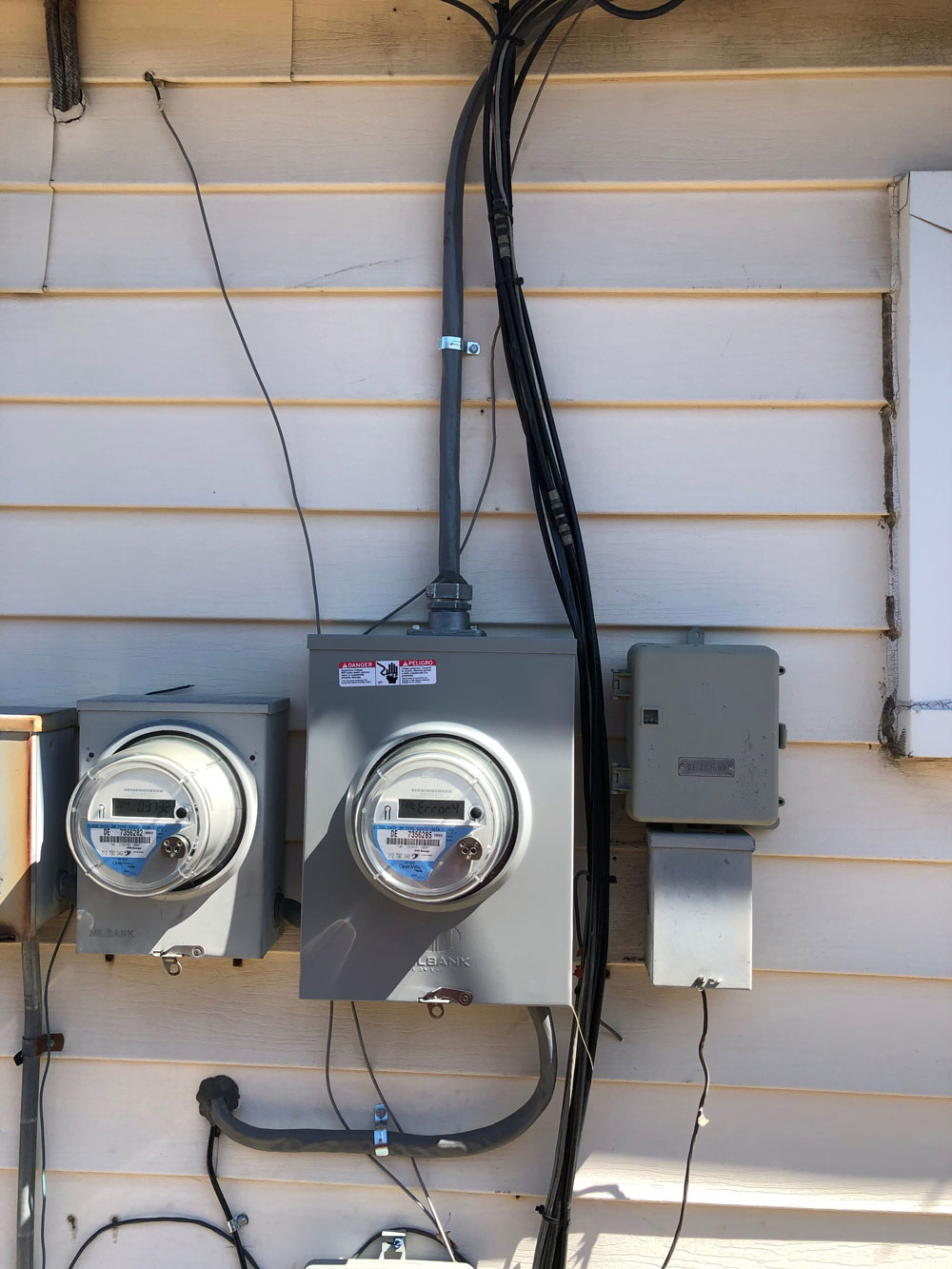
Arriving with a few details helps make an initial conversation more productive. You do not need to diagnose the panel yourself, but knowing your goals and observing the current setup can help frame the project. If possible, have the vehicle or charger specifications available, along with photos of the electrical panel and the desired charging location.
Consider the answers to these practical points before discussing an EV electrical panel upgrade:
- Do you already own the EV or charger, and what charging rate are you considering?
- Where will the vehicle typically park while charging?
- What large electric appliances and comfort systems are currently in the home?
- Have breakers tripped or has the panel shown other signs that deserve attention?
- Are you planning other electrical additions in the next few years?
Provider selection should focus on clear communication about the assessment, the proposed scope, and the relationship between charger output and household capacity. Ask what will be evaluated, whether the plan addresses the complete load calculation, and how the recommended option fits your current and anticipated needs. A transparent explanation helps you compare a basic circuit addition with a more comprehensive panel or service solution.
Get a clear path to home EV charging
Executive Electric offers a direct way to start the conversation from its listed location at 20504 Hall Rd, Clinton Township, MI 48038. If you are considering an EV charger electrical panel upgrade for a Mount Clemens-area property, contact the company with your charging goals, current panel information, and preferred installation location. A focused discussion can help identify the questions that should be answered before you invest in equipment or electrical upgrades.
Do not rely on a panel’s appearance or available breaker spaces alone to decide what your home can handle. A careful review can clarify whether the next step is a dedicated EV circuit, electrical panel work, a service-capacity evaluation, or a different charging approach. Contact Executive Electric to discuss the electrical planning needed for your home in Michigan.
Frequently asked questions
Does every EV charger require an electrical panel upgrade?
No. An electrical panel upgrade is only needed when the existing panel, available breaker space, service capacity, or load calculation does not support the planned dedicated EV charging circuit. A professional assessment identifies whether a new circuit alone is appropriate or whether panel-related work should be considered.
What is included in an EV Charger Electrical Panel Upgrade assessment?
The assessment generally considers the home’s existing service and panel, major electrical loads, available circuit space, desired charger output, and the potential wiring route to the charging location. These details help determine whether the system can support the installation and what scope is appropriate.
Can a lower-output Level 2 charger reduce the need for a larger upgrade?
It may. Lower-output charging can reduce the electrical demand assigned to the new circuit while still providing useful overnight charging for many drivers. The tradeoff is slower charging, so the decision should reflect daily mileage, charging time available, and the home’s calculated capacity.
Is Executive Electric physically located in Mount Clemens, MI?
Executive Electric’s supplied location is 20504 Hall Rd, Clinton Township, MI 48038. This page is intended for people seeking EV charging panel guidance in or around Mount Clemens, MI, and the company location should be used when planning your contact and service discussion.