EV Charger Electrical Panel Upgrade Lake Orion, MI
An EV charger can be only as capable as the electrical system that supplies it. For homeowners researching EV Charger Electrical Panel Upgrade Lake Orion, MI, the central issue is usually whether the existing panel has enough safe, usable capacity for a dedicated charging circuit. Executive Electric is located at 20504 Hall Rd, Clinton Township, MI 48038, and provides a clear starting point for Lake Orion, MI property owners who want to discuss their electrical upgrade needs.
Adding home charging is not always as simple as mounting a charger and running wire. A Level 2 charger commonly needs a dedicated 240-volt circuit, and the right circuit size depends on the charging equipment, vehicle requirements, planned load, panel condition, and applicable electrical requirements. A thoughtful evaluation helps prevent nuisance breaker trips, overloaded equipment, and a charging setup that does not match the household’s long-term plans.
Why an EV charger can make a panel upgrade necessary
A panel upgrade may be appropriate when a home’s current electrical service or panel cannot safely accommodate the added continuous load of EV charging. The answer depends on more than the panel’s printed amp rating. Available capacity, existing major appliances, the condition of breakers and bus bars, and how electricity is used throughout the home all matter.
Electric vehicle charging is often treated as a continuous electrical load because it can operate for hours at a time. That makes correct circuit sizing, overcurrent protection, conductor selection, and load calculation especially important. A licensed electrical professional can evaluate the full picture rather than relying on an empty breaker space as proof that a charger can be added.
- A 100-amp panel is already supporting electric heat, air conditioning, laundry, cooking, or other large loads.
- The panel is full, has no suitable breaker space, or needs a subpanel arrangement to support the new circuit.
- The homeowner wants faster Level 2 charging instead of a standard 120-volt receptacle.
- There are plans to add a second EV, a future charger, solar equipment, battery storage, or additional electric appliances.
- The panel or service equipment shows age, damage, corrosion, heat concerns, or other conditions that deserve professional attention.
A load calculation is more useful than a quick visual check
A proper assessment considers calculated demand, not simply the sum of every breaker in the panel. An electrician reviews the electrical loads that may operate at the same time and determines whether the service and distribution equipment can support a new EV circuit. This approach can identify when a straightforward branch-circuit installation is reasonable and when a larger electrical service upgrade should be considered.
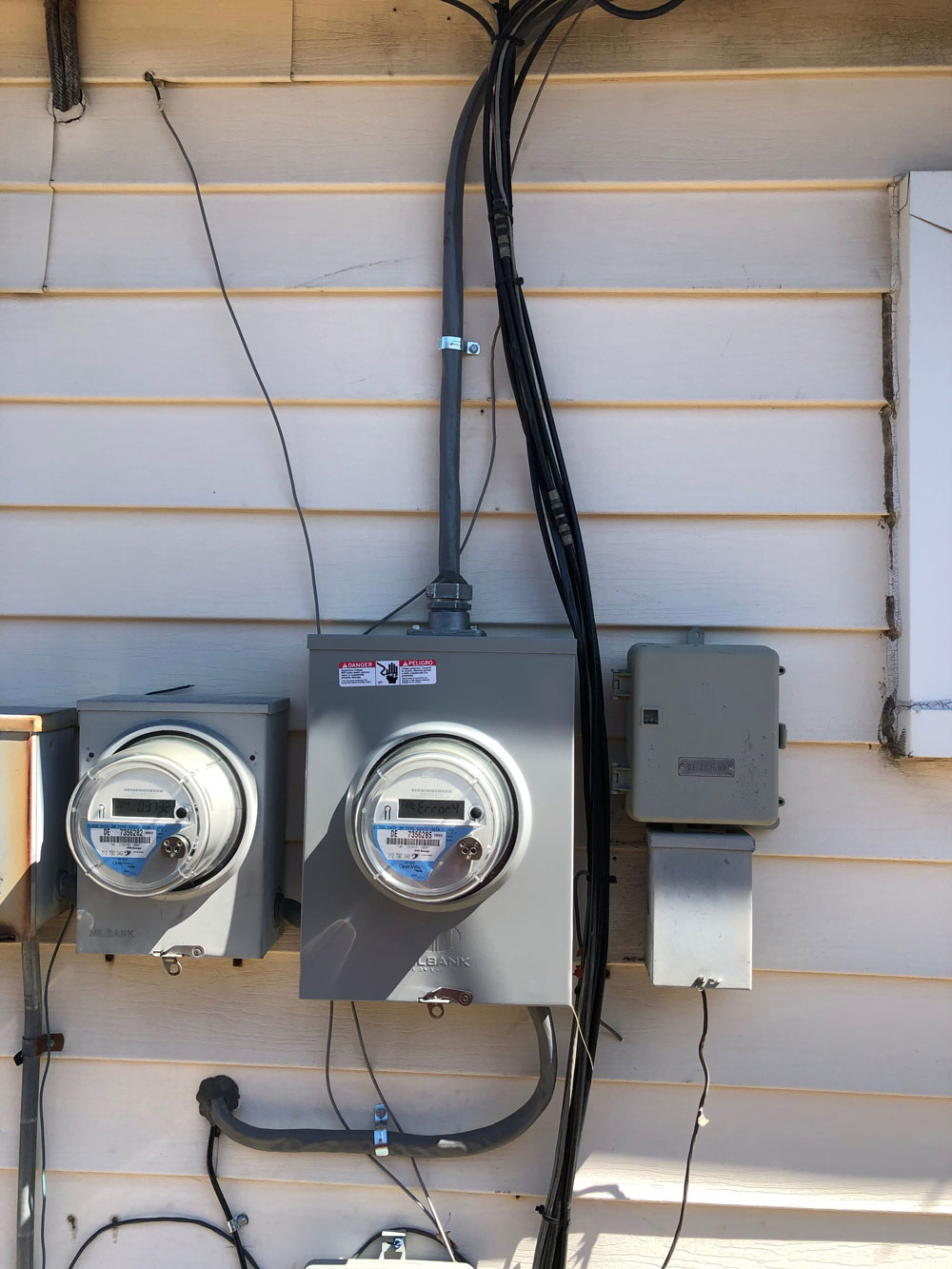
For some Lake Orion homes, the existing system may have adequate capacity even if the panel looks busy. For others, a higher-capacity panel, meter equipment work, service conductors, or a carefully planned load-management approach may be the practical path. The goal is not to replace equipment unnecessarily, but to make a safe, code-conscious decision based on the property’s actual electrical demand.
Level 1, Level 2, and future charging goals
Level 1 charging uses a standard 120-volt outlet and can suit drivers with low daily mileage and ample overnight time. Level 2 charging uses 240 volts and generally provides substantially more charging capability, but it also creates a larger demand on the home’s electrical system. Choosing between them is a practical decision based on driving habits, parking time, vehicle compatibility, and the capacity available at the panel.
A homeowner who is satisfied with slower charging today may still benefit from planning for tomorrow. A panel upgrade for EV charging can create a more flexible foundation for a second vehicle or changes in household electrification. Discussing future needs before walls are opened or equipment is selected can reduce the chance of repeating electrical work later.
What an EV charging electrical evaluation should cover
An EV charging electrical evaluation should connect the charger choice to the building’s existing electrical infrastructure. It begins with the service panel and ends with a safe, practical route to the intended charging location. Executive Electric can be contacted to discuss the scope of an electrical panel assessment and the next steps for a Lake Orion, Michigan project.
- Discuss the charging plan. Identify the vehicle, the charger or charging level under consideration, desired charging speed, and whether one or more EVs may be charged at home.
- Review the electrical system. Evaluate panel rating, breaker spaces, existing loads, service equipment, and visible conditions that could affect the installation.
- Determine the appropriate solution. The result may be a dedicated circuit, panel replacement, service upgrade, subpanel, or another design appropriate to the calculated load and site conditions.
- Plan the installation path. Consider charger placement, wiring route, garage or exterior conditions, disconnecting requirements where applicable, and permit or inspection steps required by the authority having jurisdiction.
- Complete and verify the work. After installation, the charging circuit and equipment should be tested so the homeowner understands how the new setup operates.
Panel replacement and service upgrades are not identical
A panel replacement updates the distribution panel and breakers, while a service upgrade can involve increasing the electrical service capacity supplied to the home. These projects can occur together, but one does not automatically mean the other. The correct recommendation depends on whether the existing service has sufficient calculated capacity and whether the equipment configuration supports the planned charger.
There are also tradeoffs in cost, disruption, and future flexibility. Installing only the circuit may be the right choice when the panel and service are already suitable. Investing in expanded capacity can make more sense when the home is approaching its electrical limits or when upcoming renovations will add significant loads.
An EV Charger Panel Upgrade is not merely a way to add amperage. It is a coordinated review of electrical capacity, panel space, protective devices, wiring, and the charging equipment’s specifications. Planning these elements together helps a homeowner select an approach that supports reliable daily charging without treating the vehicle charger as an isolated appliance.
Choosing the right circuit and charger location
The charging unit’s output and the circuit rating must be compatible, and the circuit should be dedicated to the EV equipment. Higher output can shorten charging time, but it may require more electrical capacity and can increase the complexity of the installation. A homeowner does not necessarily need the largest available charger to have a convenient daily routine.
Location affects the project as well. A charger installed near the panel may have a simpler wiring route than one serving a detached garage or a distant parking area, although every property is different. The equipment location should support normal vehicle parking, protect the cable from avoidable strain, and align with manufacturer instructions and applicable requirements.
Benefits of improving panel capacity for home charging
A well-planned electrical upgrade can make home charging more convenient while addressing the electrical system as a whole. It can also give homeowners better visibility into the condition and organization of their service equipment. The benefit is not simply faster charging, but a charging solution designed around the home’s real capacity.
- Dedicated power for the charger: The EV circuit is designed for the charging equipment instead of sharing a general-purpose outlet circuit.
- Support for daily routines: Level 2 charging may make it easier to replenish driving range during regular overnight parking.
- Room for planned changes: Additional capacity can be valuable when a household expects to add electrical loads in the future.
- Clearer equipment organization: A modernized panel layout can make circuits easier to identify and manage.
- More informed decisions: A professional review distinguishes between a panel that is truly undersized and one that simply needs a carefully designed new circuit.
Michigan homeowners should also remember that electrical requirements, permitting, and inspection practices can vary by jurisdiction and project scope. Asking about these considerations before work starts helps set reasonable expectations for the project sequence. It also reinforces why EV charging equipment should be evaluated as part of the home’s electrical system rather than installed as a casual add-on.
How to prepare for a conversation with Executive Electric
Useful project details help an electrical contractor understand the likely scope before making recommendations. Have the EV make and model, charger information if already selected, a photo of the panel directory, the panel’s amp rating, and the intended parking or charger location available. If the home has recent additions, electric appliances, or plans for future upgrades, include those details in the discussion.
Executive Electric’s listed location is 20504 Hall Rd, Clinton Township, MI 48038. That location should not be confused with an office in Lake Orion. When you contact Executive Electric about an EV Charger Electrical Panel Upgrade, describe your Lake Orion property, desired charging arrangement, and the capacity concerns you have so the conversation can focus on the right electrical questions.
Questions that help clarify the scope
Before selecting a provider or charger, focus on questions that connect electrical capacity to how you will actually use the vehicle. Ask whether a load calculation is needed, whether the existing panel has suitable space and condition, and what equipment changes may be necessary for the preferred charging level. It is also reasonable to ask how the proposed work accounts for permits, inspections, manufacturer requirements, and future electrical needs.
A careful proposal should make it easier to understand what is included and why. Compare the planned circuit rating, charger compatibility, panel or service work, routing considerations, and any assumptions about site access or existing equipment. This decision-support information is more useful than choosing solely on a charger price or an advertised charging speed.
Frequently asked questions about EV panel upgrades
Do I need a panel upgrade to install a Level 2 EV charger?
You may not. A Level 2 charger needs a dedicated 240-volt circuit, but whether an upgrade is necessary depends on a load calculation, available panel space, panel condition, service capacity, and the charger’s planned output. An electrical assessment determines if the existing system can safely support it.
Can an empty breaker slot prove my panel has enough capacity?
No. An open slot only shows there may be physical space for a breaker. It does not establish that the service has sufficient calculated capacity for a continuous EV charging load, especially in a home with multiple large electric appliances.
Is a 100-amp panel automatically too small for an electric vehicle charger?
No. Some 100-amp services can support a particular charging arrangement, while others cannot. Household loads, charger output, available capacity, and future plans determine the answer. A qualified electrical review is the appropriate way to decide between a dedicated circuit, load-management solution, or larger upgrade.
Does Executive Electric have a location in Lake Orion, MI?
Executive Electric’s supplied location is 20504 Hall Rd, Clinton Township, MI 48038. Lake Orion, MI homeowners can use the contact page to share their EV charger electrical panel upgrade needs and request information about the appropriate next step.
Discuss your Lake Orion charging upgrade plans
Home charging works best when the vehicle, charger, circuit, and panel are planned as one system. If you are weighing a new Level 2 charger, a full panel replacement, or a service-capacity question at a Lake Orion, Michigan home, Executive Electric can be your point of contact for discussing the project details. Clear information about your existing panel and charging goals can lead to a more focused evaluation.
Contact Executive Electric today through the contact page to discuss an EV charger electrical panel upgrade. Executive Electric is located at 20504 Hall Rd, Clinton Township, MI 48038, and can help you begin the conversation with the property and charging details that matter.