EV Charger Electrical Panel Upgrade Harrison Township, MI
Adding home charging can be simple when the electrical system has enough capacity, but many homes need a closer look before a Level 2 charger is installed. An EV Charger Electrical Panel Upgrade helps create a safer, more practical path for supplying a dedicated charging circuit without overloading the service equipment. For homeowners researching charging options in Harrison Township, MI, Executive Electric provides a clear starting point for evaluating the panel, service capacity, and charger plan.
Executive Electric is located at 20504 Hall Rd, Clinton Township, MI 48038. That is the company location provided for this service page, not an office address in Harrison Township. Homeowners in the Harrison Township area can contact Executive Electric to discuss their project details, electrical concerns, and next steps for a residential EV charging installation in Michigan.
Why an EV charger can reveal panel capacity limits
A Level 2 EV charger is a continuous electrical load that usually needs its own properly sized circuit. Unlike plugging a small appliance into a standard outlet, vehicle charging can draw significant power for hours at a time. The existing panel may have room for a breaker but still need a formal load calculation to determine whether the electrical service can support the new demand.
Older homes, homes with electric heat, and homes that already use large electric equipment may be especially likely to need a capacity review. Air conditioning, electric water heating, ranges, dryers, hot tubs, workshops, and planned additions all affect the calculation. A professional evaluation looks at the whole electrical picture rather than assuming that an open panel space means a charger can be added safely.
Signs a panel assessment should come before installation
A panel upgrade is not automatically required for every EV owner. It becomes an important consideration when the service is undersized, the panel is full, the equipment condition raises concerns, or the calculated load leaves little capacity for charging. Addressing these issues upfront can help avoid nuisance tripping, limitations on charger selection, or a plan that does not leave adequate room for normal household use.
- Your breaker panel has no available spaces for a dedicated two-pole breaker.
- The home has a lower-capacity service or electrical equipment that is outdated or crowded.
- Large electric loads already operate regularly, particularly heating, cooling, cooking, or shop equipment.
- You want faster Level 2 charging but are unsure what charging rate the home can accommodate.
- You are planning additional electrical improvements alongside the vehicle charger.
Electrical panel work is about more than increasing a number on a service label. The scope may involve a load calculation, panel replacement or expansion, breaker and conductor sizing, grounding and bonding considerations, and coordination with the charger location. The right approach depends on the home and the proposed equipment, so a site-specific assessment is more useful than a one-size-fits-all recommendation.
What an EV Charger Electrical Panel Upgrade involves
The purpose of an EV Charger Electrical Panel Upgrade is to give the charging equipment an appropriate, code-conscious electrical foundation based on the home’s actual load and configuration. Executive Electric can discuss the electrical conditions that affect the project and help homeowners understand whether a panel modification, a service upgrade, or a different charging approach may be appropriate. The goal is a charging setup that fits the property rather than forcing a charger onto an unsuitable circuit.
From electrical evaluation to energized charging
The process typically starts with information about the vehicle, the desired charger, the electrical panel, and the intended parking or charging location. The installer needs to understand the distance and route between the panel and charger, as well as visible constraints such as finished walls, garages, exterior mounting areas, and existing electrical loads. Plans and permits, when required by the authority having jurisdiction, should be handled according to applicable local requirements.
- Review the charging goal. Determine whether the homeowner wants Level 1 charging, a lower-output Level 2 setup, or a higher-capacity Level 2 charger.
- Assess the electrical system. Evaluate panel capacity, available breaker space, service characteristics, and major household loads.
- Develop the installation plan. Identify the dedicated circuit, wire route, protective devices, and any panel or service work needed.
- Complete the electrical work. Install or update the panel equipment and charger circuit in the agreed scope.
- Verify operation. Confirm that the circuit and charging equipment operate as intended after installation and required inspection steps.
Charging speed is a common source of confusion. A charger with a higher advertised output does not guarantee that every home, vehicle, or electrical service should use that maximum output. The vehicle’s onboard charging capability, the circuit rating, the panel load calculation, and the manufacturer’s installation instructions all shape the practical result. Choosing a sensible charging rate can sometimes reduce upgrade needs, although it should not be used to bypass an electrical assessment.
Panel replacement, subpanel, or load management: weighing the options
A full main-panel or service upgrade can provide more long-term capacity when the existing equipment is undersized or future electrical demand is expected to grow. A subpanel may create needed breaker space in some layouts, but it does not automatically increase the home’s overall service capacity. Load-management equipment or a lower-output charger may be viable in certain designs, yet those options still need professional evaluation to ensure they suit the service and charging objective.
The best choice balances current charging needs with realistic plans for the home. A household preparing for an electric vehicle, induction cooking, heat pumps, or additional garage equipment may value room for future circuits. Conversely, a homeowner with modest daily driving and sufficient overnight time may find that a lower charging rate meets the need without pursuing the largest possible electrical upgrade.
How panel work supports a better home charging experience
A properly planned charging circuit can make daily vehicle ownership more convenient because the car can replenish while it is parked at home. Panel capacity work also helps separate the EV load from existing general-use circuits, which is important for reliability and equipment protection. The practical benefit is confidence that the charging plan accounts for the rest of the home’s electrical demand.
- A dedicated circuit matched to the charger and vehicle charging needs.
- More suitable breaker capacity and panel space for a new continuous load.
- A clearer understanding of what charging speed the home can reasonably support.
- Potential flexibility for later electrical projects when upgrade planning considers future loads.
- A documented, professional path for addressing electrical concerns before installation.
It is also useful to separate a panel upgrade from a charger purchase. The charging unit, wall connector, receptacle or hardwired connection, branch circuit, panel, and incoming electrical service are related but distinct parts of the project. Discussing all of them together helps prevent surprises after a charger has already been selected.
Understanding an EV Charger Panel Upgrade before you commit
An EV Charger Panel Upgrade is a planning and electrical-capacity decision, not simply an accessory added to the garage. It can involve making space for a dedicated circuit, updating distribution equipment, or increasing service capability when the load calculation supports that need. Reviewing the vehicle manual, charger specifications, expected driving routine, and household electrical use helps define a sensible scope.
For a broader look at the primary service, an EV Charger Electrical Panel Upgrade should be evaluated in relation to the specific panel and property, not assumed based on the age of the home alone. Some newer panels still lack capacity because of the home’s electric appliances, while some older properties may have a workable path after a careful assessment. Executive Electric can be contacted to discuss the details that affect your project.
Choosing the right electrical provider for a charging project
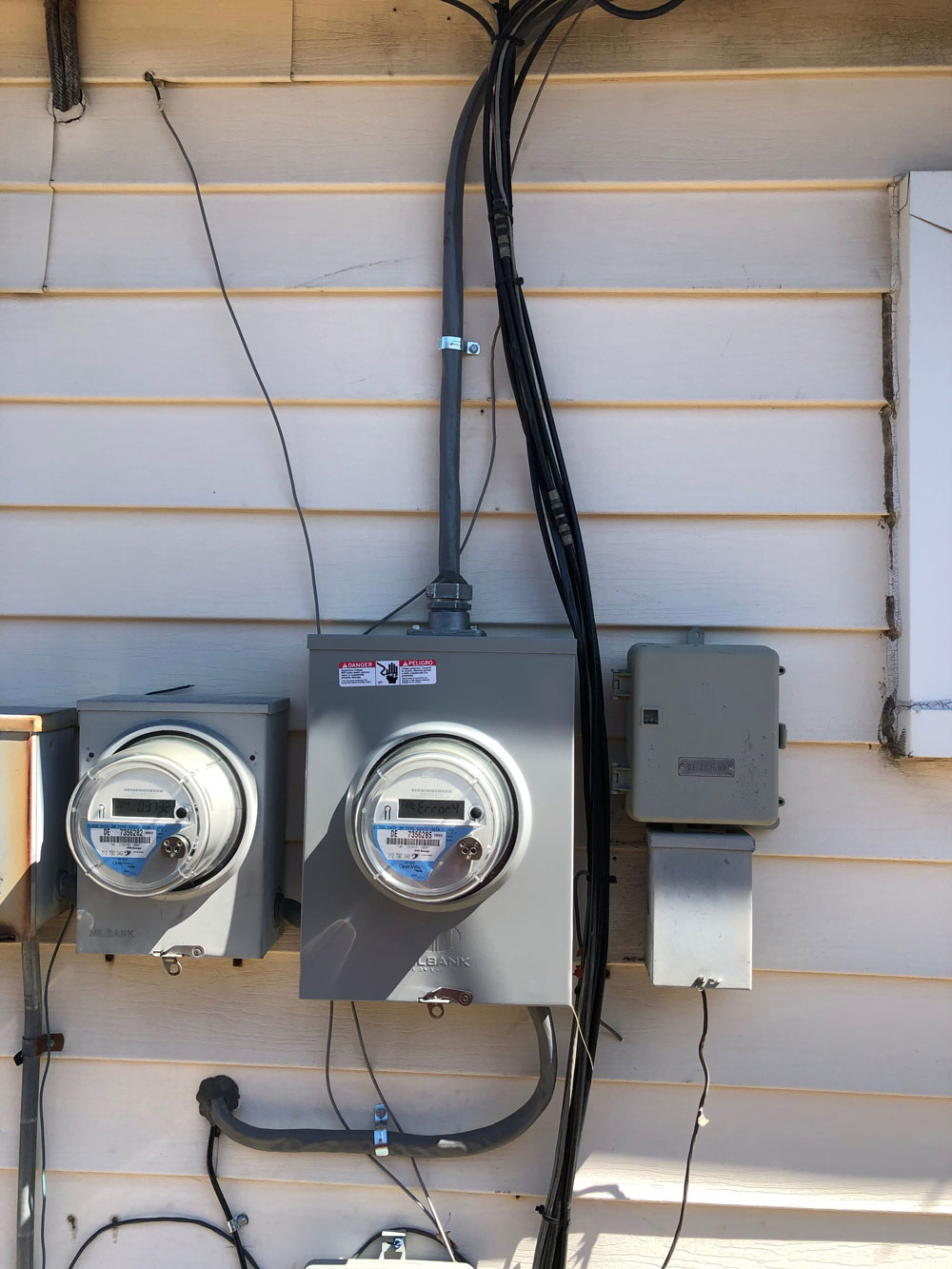
The provider conversation should focus on the electrical facts that determine a safe, useful installation. Share photographs of the panel if requested, the charger model under consideration, the vehicle information, and the approximate charger location. Clear information early in the process helps define whether the project is a straightforward dedicated circuit or a more involved panel and service-capacity upgrade.
Homeowners should also make sure the proposed scope addresses the complete path from panel to charger. Circuit length, routing access, mounting location, outdoor exposure where applicable, and the distinction between hardwired and plug-in equipment can all affect the installation. A careful discussion is especially valuable before making final equipment purchases or scheduling other renovation work around the charging location.
Executive Electric offers a direct contact option for property owners seeking guidance on EV charging electrical work around Harrison Township, MI. The company’s listed location is 20504 Hall Rd, Clinton Township, MI 48038, providing a clear point of contact for Michigan homeowners who want to discuss panel capacity and charger installation requirements. Contacting the company with the property and equipment details is the practical next step toward defining an appropriate scope.
Common concerns about EV charging panel upgrades
Does every Level 2 charger require a panel upgrade?
No. A Level 2 charger requires a dedicated circuit and an appropriate electrical assessment, but a panel upgrade is only needed when the existing panel, service capacity, breaker space, or calculated household load cannot support the proposed installation. The decision should be based on the property’s electrical conditions and charger plan.
How does a load calculation affect EV charger installation?
A load calculation evaluates expected electrical demand from the home’s existing equipment alongside the proposed continuous EV charging load. It helps determine whether the service and panel have sufficient capacity. An available breaker slot alone does not establish that a new charger circuit is appropriate.
Can a lower-output charger avoid major electrical work?
Sometimes. A lower charging rate can reduce the added electrical load and may fit a home’s available capacity better, especially when overnight charging meets the driver’s needs. It is not a universal solution, however, because circuit requirements, equipment condition, and total household load still need evaluation.
Where is Executive Electric located for Harrison Township-area inquiries?
Executive Electric is located at 20504 Hall Rd, Clinton Township, MI 48038. Harrison Township is the service-page geography, not a stated office location. Contact Executive Electric to discuss your home’s panel, intended charger location, and the electrical work that may be needed.
Discuss your home charging plan with Executive Electric
Whether you are preparing to buy an EV, replacing an existing charger, or discovering that your current panel may be at capacity, it is wise to address the electrical foundation before installation day. Executive Electric can help begin the conversation around a dedicated charging circuit, panel capacity, and the practical options for your property. A clear evaluation can make the next decision easier and help align the charging setup with everyday use.
Contact Executive Electric to discuss an EV Charger Electrical Panel Upgrade for a Harrison Township, MI property. Reach the company at its listed location, 20504 Hall Rd, Clinton Township, MI 48038, and provide your charger goals and available panel details to start planning the right electrical approach.