EV Charger Electrical Panel Upgrade Grosse Pointe Park, MI
An EV charger should make daily driving simpler, not create uncertainty about whether a home’s electrical system can support it. For homeowners researching EV Charger Electrical Panel Upgrade Grosse Pointe Park, MI, Executive Electric can be a practical point of contact for understanding panel capacity, charging-load demands, and the electrical work that may be needed before a dedicated charger circuit is installed. Executive Electric is located at 20504 Hall Rd, Clinton Township, MI 48038; Grosse Pointe Park is a service-market reference, not a claimed office location.
Panel upgrades are not automatically required for every electric vehicle charger. The right decision depends on the existing service size, the panel’s condition and available breaker space, the charger’s planned output, and the household’s other electrical loads. Evaluating those factors before installation helps a homeowner choose a charging setup that fits the property rather than relying on assumptions.
Why an EV charger can expose a panel-capacity problem
Level 2 home charging is typically a continuous electrical load, which means its circuit must be sized and protected differently than an occasional plug-in appliance. A charger that draws power for hours can materially affect the available capacity in a home, particularly when heating, cooling, cooking, laundry, or other major loads operate at the same time. An electrical evaluation identifies whether the current service can carry that demand appropriately.
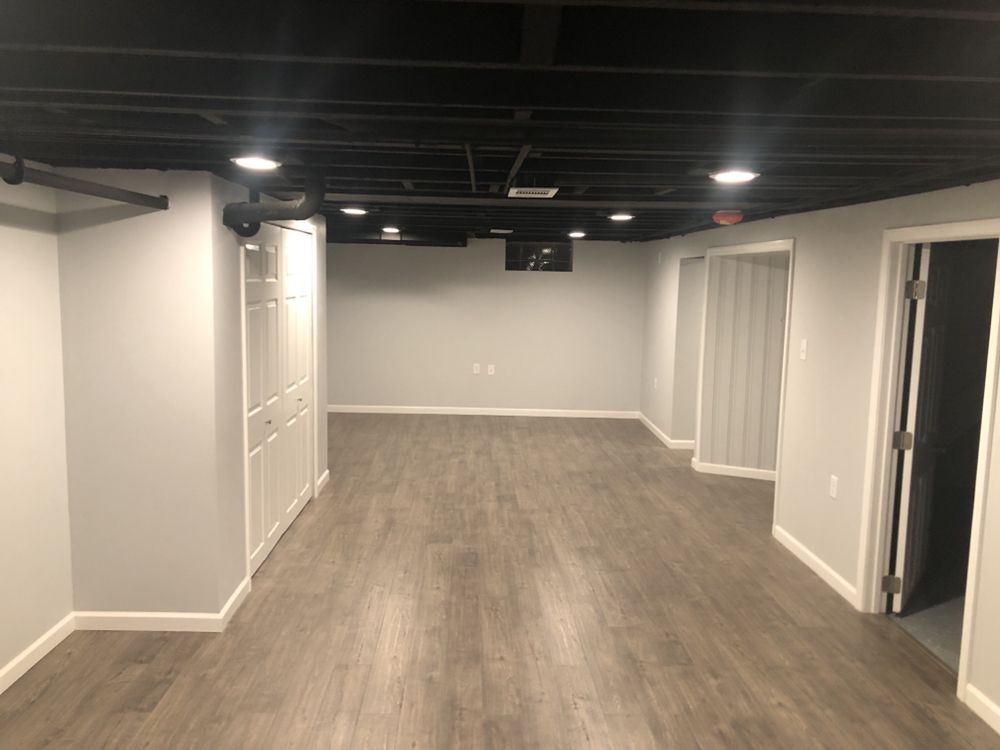
Older panels may have limited physical breaker spaces even when a load calculation indicates enough overall capacity. In other homes, the panel may be crowded by additions, finished basements, electric appliances, or prior circuit changes. A panel replacement or service upgrade can create room for a dedicated EV circuit while organizing the distribution equipment around current household needs.
A dedicated circuit is central to reliable home charging
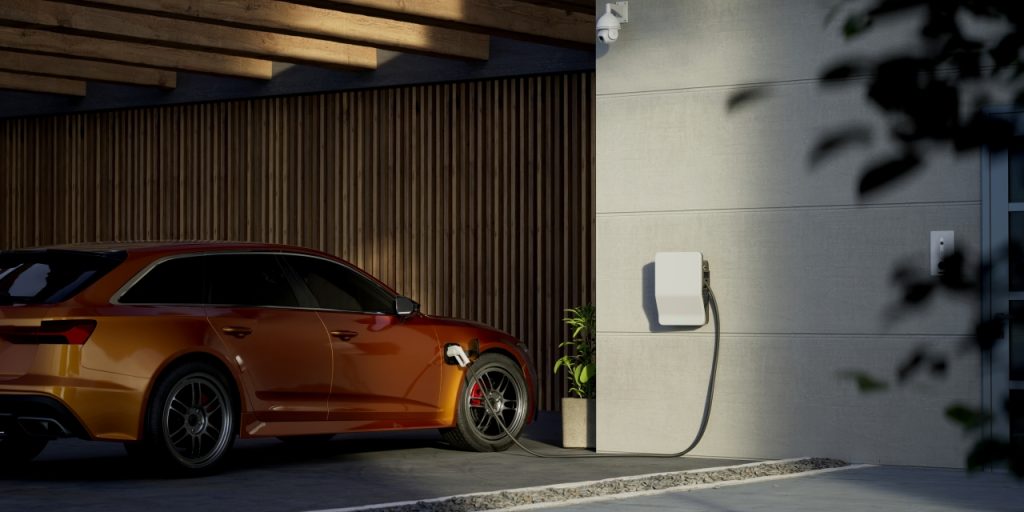
An EV charger is normally supplied by its own dedicated branch circuit, correctly matched to the charging equipment and installed in accordance with applicable electrical requirements. Sharing an existing circuit or using an improvised extension arrangement is not a substitute for properly planned charging infrastructure. The circuit, overcurrent protection, conductor sizing, panel connection, and charger location should be considered together.
That planning also supports future flexibility. A homeowner who expects to add a second electric vehicle, replace gas appliances with electric models, or expand the home may benefit from discussing future load needs while electrical work is being considered. Building in appropriate capacity can reduce the chance that a later project begins with the same limitation.
Signs it is time to ask about an electrical service upgrade
Frequent breaker trips, a full panel, corrosion or visible wear, obsolete equipment, and plans for substantial new electrical loads are all reasons to have the system assessed. These signs do not prove that a panel must be upgraded, but they do make a professional review more important before adding EV charging. A visible inspection alone is not enough to determine usable capacity.
- Your electrical panel has no open spaces for a new double-pole breaker.
- You want a faster Level 2 charger instead of slower plug-in charging.
- The home is adding electrical heating, air conditioning, a range, a dryer, or other high-demand equipment.
- Breakers trip when several appliances operate, or the panel condition raises safety concerns.
- You want to prepare the property for another EV or a future electrical renovation.
What an EV Charger Electrical Panel Upgrade evaluation should cover
A useful evaluation connects the vehicle charger to the entire electrical system. It considers the charger’s intended amperage, the home’s calculated load, panel capacity and condition, breaker-space availability, and a practical route for the new wiring. It also provides an opportunity to discuss where the charging equipment will be placed and how that location affects the installation.
When discussing an EV Charger Electrical Panel Upgrade, it helps to bring the charger specifications, vehicle charging information, and a list of significant electrical equipment in the home. This allows the conversation to move beyond a generic panel-size recommendation. The goal is to identify a configuration that aligns the charger, circuit, service equipment, and expected household use.
Load calculations matter more than a panel label
A main breaker rating does not, by itself, answer whether a home can add EV charging. A load calculation reviews the demand created by lighting, receptacles, fixed appliances, HVAC equipment, cooking equipment, and other relevant loads, then accounts for the charger as a continuous demand. The result helps determine whether the present service has room, whether charging output should be adjusted, or whether a larger electrical service is warranted.
There are meaningful tradeoffs between these paths. Installing a lower-output charger may work when driving needs are modest and capacity is constrained, while a panel or service upgrade can be appropriate for households seeking faster charging or broader electrification. A decision should be based on the property and charging goals, not solely on the highest charger rating available.
Panel replacement and service upgrade are related, but not identical
A panel replacement generally addresses the distribution panel inside the home, such as adding usable breaker space or replacing aging equipment. A service upgrade can involve increasing the electrical service capacity that supplies the home, which may be necessary when calculated demand exceeds what the existing service can support. The scope can therefore range from adding a suitable circuit to coordinating more extensive electrical equipment changes.
Permitting and inspection requirements can apply to this type of work, and local requirements may affect the project plan. Discussing the anticipated scope before work begins gives the homeowner a clearer view of what the project entails. It also helps separate a simple charger-circuit installation from a more comprehensive electrical modernization.
How the project typically moves from assessment to charging
An organized process reduces surprises and gives the homeowner a basis for comparing options. The exact sequence depends on the property, the charger selected, and whether panel or service work is needed. Still, most EV charging electrical projects follow a recognizable path from planning through final readiness.
- Review the charging objective. Identify the vehicle, desired charging speed, daily driving needs, and whether future EV capacity is a consideration.
- Assess the existing electrical system. Review service equipment, available breaker spaces, panel condition, and major household loads.
- Perform load and installation planning. Determine the electrical approach, circuit requirements, equipment location, and feasible wiring route.
- Define the scope. Establish whether the project calls for a dedicated circuit only, a panel replacement, a service upgrade, or a combination of work.
- Complete required installation steps. Install the planned equipment and address any applicable permitting or inspection process.
- Confirm practical use. After the electrical work is complete, the homeowner can proceed with the charger setup and understand the circuit’s intended use.
Access to the electrical panel, garage, driveway, or proposed charger location may be needed during the planning and installation stages. Homeowners can make the process more efficient by clearing the panel area, locating charger documentation, and noting any electrical issues already observed. If the charger has not been selected, the desired charging speed and vehicle requirements still provide useful starting information.
Choosing the right scope for your Michigan home
The most cost-conscious choice is not always the smallest immediate job. A dedicated circuit may be the right fit when the existing panel and service have adequate capacity, while a panel upgrade can solve space, equipment-condition, or distribution issues. A service-capacity increase becomes more relevant when the home’s calculated electrical demand is the limiting factor.
The term EV Charger Panel Upgrade is often used broadly, but it can describe several different electrical decisions. Some properties need more breaker capacity, others need more service capacity, and some simply need a correctly sized dedicated charging circuit. Clarifying the difference helps homeowners compare recommendations on scope and purpose instead of treating every EV installation as the same project.
Michigan weather can also influence how homeowners think about charging routines. A properly planned home charger can make it easier to begin the day with a charged vehicle, while the electrical design remains focused on safe, appropriate capacity rather than convenience alone. For a Grosse Pointe Park, MI property, Executive Electric can help start the conversation with the existing electrical system and the intended charging setup.
Useful details to have ready before you make contact
Good project information leads to a more productive initial discussion. You do not need to know every electrical detail, but a few basics can help identify likely considerations quickly. Photos of the panel and proposed charger area may be useful when requested, along with the vehicle and charger information.
- The charger make and model, or its planned amperage and voltage.
- Whether the charger will be hardwired or use an appropriate receptacle configuration.
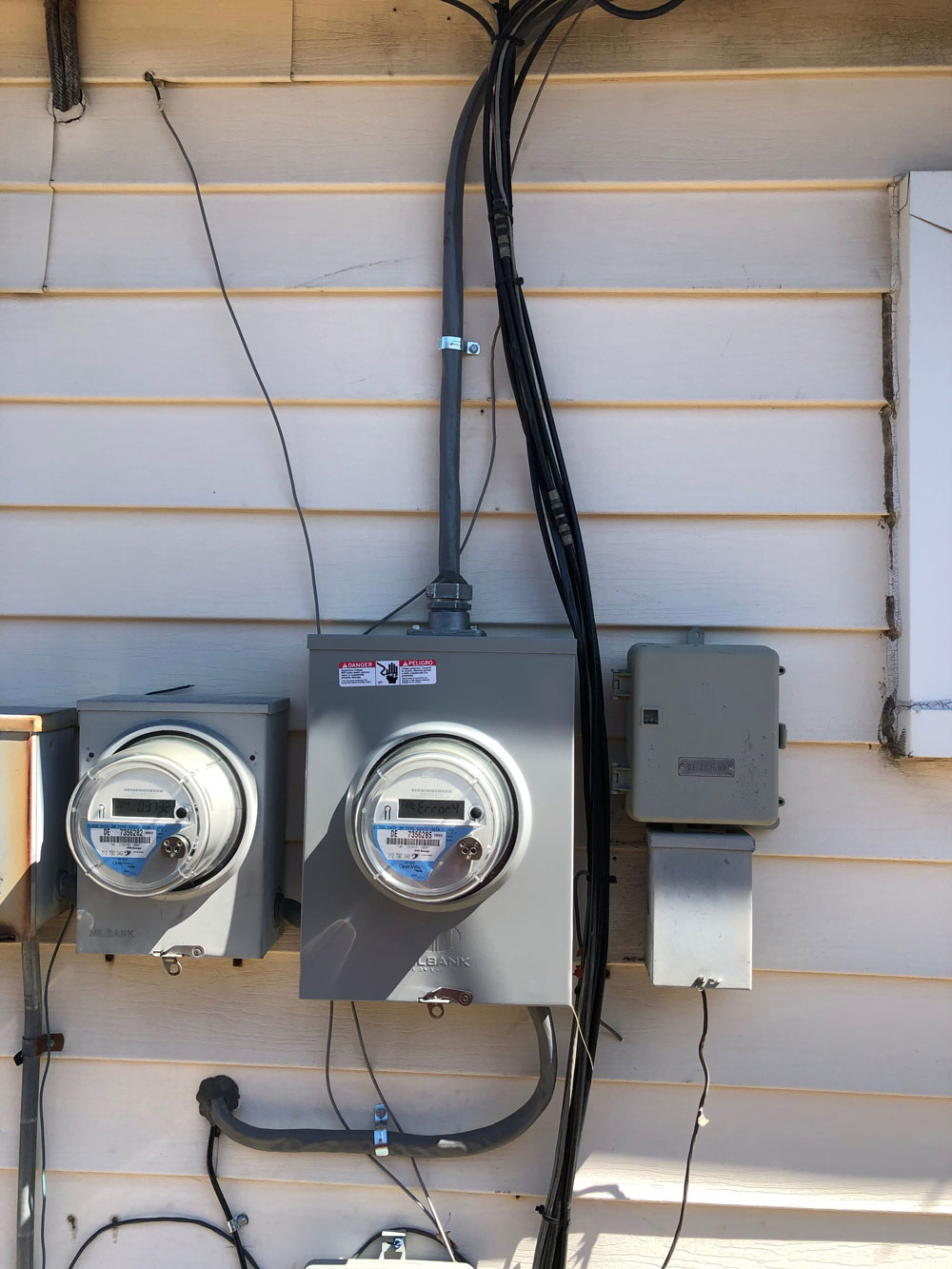
- The panel’s visible labeling, main-breaker rating, and any known breaker-tripping history.
- Major electrical equipment in the home, including HVAC, electric cooking, drying, or heating loads.
- The proposed charger location and whether another EV may be added later.
Plan your next step with Executive Electric
Choosing an electrical approach for EV charging is easier when the charger’s needs are evaluated alongside the home’s real electrical demand. Executive Electric can be contacted to discuss an EV charging project, panel capacity concerns, and the information needed to determine an appropriate scope. The company’s listed location is 20504 Hall Rd, Clinton Township, MI 48038.
If you are considering EV Charger Electrical Panel Upgrade Grosse Pointe Park, MI, do not wait until a new charger is ready to be connected to ask whether the panel can support it. A timely review can clarify whether a dedicated circuit, panel work, or service-capacity planning is appropriate for your Michigan home. Contact Executive Electric to begin the conversation.
Common questions about EV charging and panel capacity
Do I always need a panel upgrade to install an EV charger?
No. A panel upgrade is only needed when the existing panel lacks suitable space, is in poor condition, or the home’s load calculation shows insufficient capacity for the planned charging circuit. A qualified electrical assessment determines whether a dedicated circuit alone is appropriate.
What is the difference between upgrading an electrical panel and upgrading electrical service?
A panel upgrade replaces or improves the distribution equipment and may add breaker space. A service upgrade increases the capacity supplied to the home when overall electrical demand requires it. One project may involve either improvement or both, depending on the existing system and calculated load.
Can I choose a lower-amperage Level 2 charger if my home has limited capacity?
In some situations, a lower-output charging configuration may better fit the home’s available capacity and daily driving needs. It is still important to use a properly designed dedicated circuit and have the overall load evaluated. The appropriate choice depends on the property, charger specifications, and anticipated use.
Is Executive Electric physically located in Grosse Pointe Park, MI?
Executive Electric’s provided location is 20504 Hall Rd, Clinton Township, MI 48038. This page addresses EV charger panel considerations for homeowners searching in or around Grosse Pointe Park, Michigan, without representing that the company has an office in Grosse Pointe Park.