EV Charger Electrical Panel Upgrade Clinton Township, MI
Adding home charging can make EV ownership far more convenient, but the charger is only as dependable as the electrical system feeding it. For homeowners researching an EV Charger Electrical Panel Upgrade in Clinton Township, MI, the key question is whether the existing panel and service have enough calculated capacity for a dedicated charging circuit. Executive Electric is located at 20504 Hall Rd, Clinton Township, MI 48038, and provides a local point of contact for discussing the electrical work your charging plan may require.
A panel upgrade is not automatically required for every Level 2 charger. It becomes an important consideration when a load calculation shows limited available capacity, when the panel is obsolete or crowded, or when the home needs safer, more practical space for a new dedicated circuit. A thoughtful evaluation helps you plan for charging without overlooking the other electrical demands already present in the home.
When an EV charger calls for more panel capacity
An EV charger electrical panel assessment determines how a new charging load fits with the home’s existing electrical use. Electric vehicles may charge for several hours at a time, and Level 2 equipment generally operates at a higher voltage and power level than a standard household outlet. The goal is not simply to find an open breaker space, but to evaluate whether the electrical system can support the intended circuit appropriately.
Your existing panel tells only part of the story
A panel may look full because it lacks physical breaker spaces, yet still have adequate calculated service capacity. Conversely, a larger-looking panel may have room for another breaker but insufficient available capacity once heating, air conditioning, cooking equipment, water heating, laundry, and other loads are considered. An electrical load calculation provides a more useful answer than a visual inspection alone.
Homeowners often seek an electrical panel upgrade for EV charging after purchasing a vehicle, but evaluating the electrical system before selecting charging equipment can prevent avoidable changes later. Charger amperage, charging schedule, existing major appliances, and future additions all influence the right approach. This planning is especially useful when a household expects to add a second EV, electric HVAC equipment, a hot tub, workshop tools, or other substantial loads.
- A breaker panel has no practical space for a new dedicated circuit.
- The calculated electrical load leaves little or no capacity for the charger you want.
- The existing equipment is aging, damaged, incompatible with needed breakers, or otherwise due for professional evaluation.
- You want to replace a smaller panel with one that better accommodates present and anticipated electrical needs.
- A utility-side service change may be necessary to support the home’s planned electrical demand.
Not every situation requires replacing the entire panel. Depending on the load calculation and condition of the equipment, practical alternatives can include selecting a lower-amperage charging setting, using load-management equipment where appropriate, reorganizing circuits, or installing a subpanel. A qualified assessment can distinguish between a simple dedicated circuit project and a broader service or panel modernization project.
What an EV charging panel upgrade is designed to accomplish
An EV Charger Electrical Panel Upgrade is intended to create an appropriate electrical path from the home’s service equipment to a dedicated EV charging circuit. The work may involve panel replacement, a service-capacity change, a new breaker, conductor upgrades, grounding and bonding review, or a combination of these items, depending on the property. The correct scope should be based on the actual electrical system rather than a one-size-fits-all package.
Dedicated circuits protect the charging plan
Level 2 EV charging equipment is typically supplied by its own circuit, sized for the equipment and installation requirements. A dedicated circuit avoids sharing a substantial charging load with unrelated household outlets or appliances. It also gives the electrical professional a defined path to size overcurrent protection, wiring, disconnecting means when required, and panel capacity around the charger’s intended use.
The term EV Charger Panel Upgrade can describe several connected improvements, from adding capacity at the distribution panel to preparing the service equipment for a new hardwired charger. The important point is that panel work should support the charger’s continuous-use characteristics and the home’s total calculated load, not just the vehicle’s battery size. A vehicle may be capable of accepting a certain charging rate, but the house and installed equipment determine what rate is appropriate.
For a homeowner comparing options, a larger charger is not always the better value. Higher-amperage charging may reduce charging time, but it can require larger conductors, a larger breaker, more available panel capacity, and potentially more extensive upgrades. If the vehicle is parked overnight for long periods, a moderate charging rate may still meet daily driving needs while reducing pressure on the electrical system.
Panel replacement, subpanels, and service upgrades are different decisions
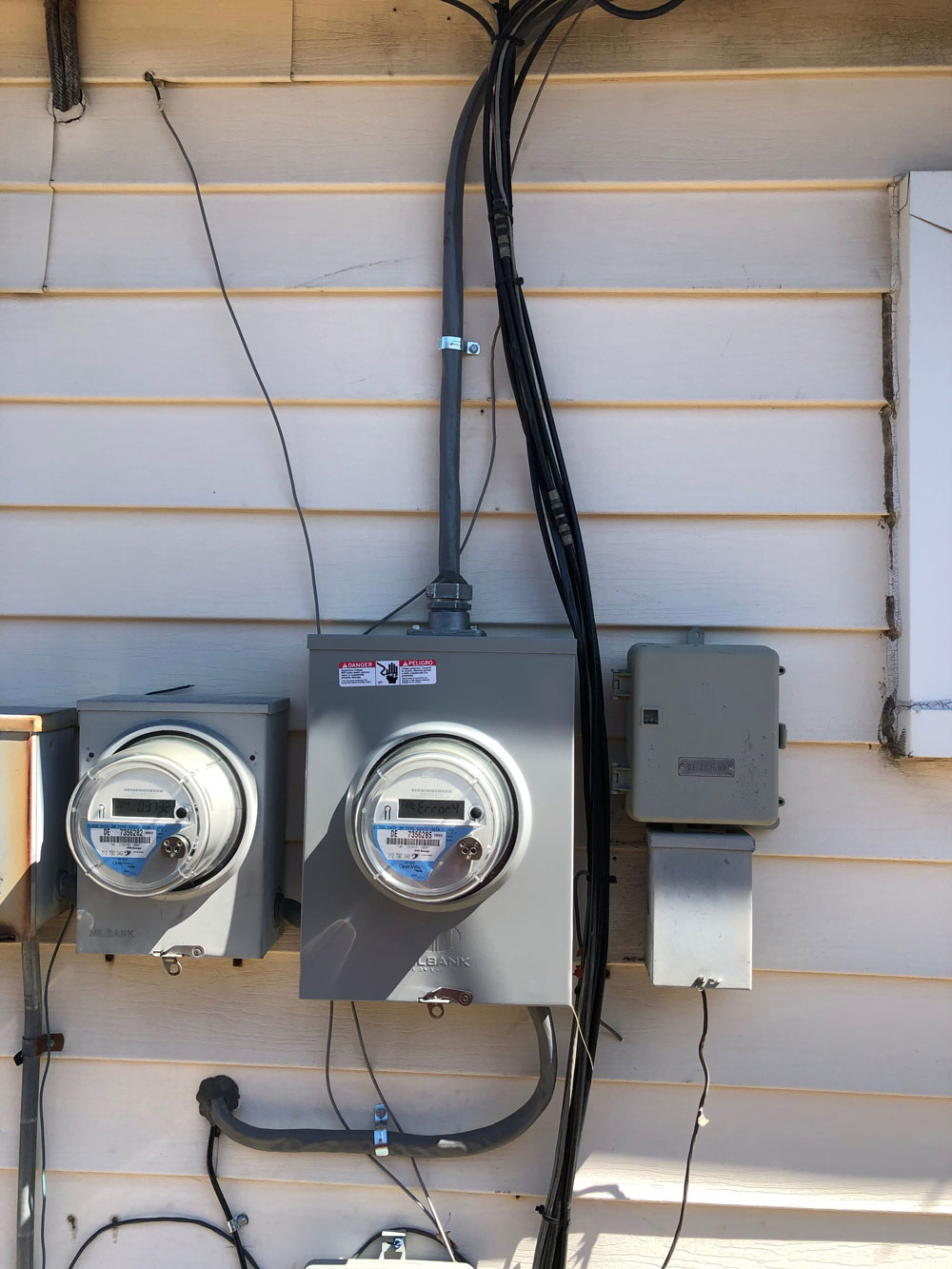
A panel replacement generally updates the equipment where branch circuits are controlled, often providing better organization and room for additional circuits. A subpanel can extend circuit space from an adequately sized main service, though it does not by itself create more service capacity. A service upgrade addresses the electrical supply capacity to the home and may involve coordination beyond the panel itself.
These distinctions matter because an estimate should identify what problem is being solved. Replacing a crowded panel may be sensible for circuit-space needs, while a load calculation may reveal that the existing service rating remains adequate. On the other hand, if the home’s demand has grown over time, a new panel alone may not resolve the capacity limitation.
- Discuss the charging goal. Identify the vehicle, preferred charger type, target charging speed, parking location, and whether future EV charging is likely.
- Review the electrical system. Examine the panel, available spaces, service rating, visible condition, major loads, and practical route for new wiring.
- Calculate and plan. Use the home’s load information to determine whether a dedicated circuit, panel update, subpanel, load-management approach, or service work is appropriate.
- Define the installation scope. Confirm equipment placement, circuit requirements, access needs, permitting considerations, and the work needed to prepare for charging.
- Complete and verify the work. After installation, the charging circuit and associated equipment should be checked so the homeowner understands the completed setup and operating considerations.
Planning a practical installation at your Clinton Township home
A successful EV charger project begins with the vehicle’s real charging routine, not simply the highest charging speed advertised by a charger. Consider how many miles are driven on a typical day, how long the vehicle is normally parked, whether one or two vehicles will charge, and where the connector will reach the vehicle safely. These details help shape a charging design that fits everyday use.
Electrical access and wiring routes affect the scope
The distance between the electrical panel and the desired charger location can affect material needs, labor, and installation complexity. Finished walls, basements, garages, crawl spaces, and the available route for conduit or cable all deserve review before a final plan is made. A site-specific conversation is more useful than assuming every garage installation follows the same path.
Michigan weather also makes location planning worthwhile. Charging equipment and wiring methods should be selected and installed for the actual indoor or outdoor environment, with attention to exposure, physical protection, and access. If the charger will be outdoors, homeowners should consider where the cable will be stored and how daily use will work during wet, cold, or snowy conditions.
For households in Clinton Township, MI, an early electrical review can be helpful even if the EV has not arrived yet. Preparing the panel and circuit path during a garage renovation, service update, or other electrical project may reduce the need to reopen finished areas later. It also lets the homeowner account for future charging rather than treating it as an afterthought.
Questions to consider before selecting a provider
The right provider conversation should focus on the condition and capacity of your actual electrical system, your preferred charging equipment, and the complete path from panel to parking space. Be cautious about conclusions based only on a photograph of the panel door or a promise that every home needs the same service size. A thorough plan identifies the reason for each recommended component.
- Will the electrical load calculation support the desired charger circuit?
- Is a panel upgrade needed for capacity, physical breaker space, equipment condition, or a combination of reasons?
- Would a lower-amperage charger or load-management option meet the household’s needs?
- What wiring route is proposed, and how will finished spaces or exterior areas be handled?
- What permits, inspections, utility coordination, or equipment documentation may apply to this particular project?
- How could the plan accommodate a second EV or future electrification upgrades?
Permitting and inspection requirements can vary by jurisdiction and project scope. An electrical professional can help clarify what should be considered for a planned EV charging installation, including whether work at the service equipment changes the process. Homeowners should also review charger manufacturer instructions and any requirements associated with their specific equipment before work begins.
Executive Electric can be a useful contact when you want to discuss whether your existing service equipment is ready for home charging or whether a panel-capacity solution should be explored. Through an EV Charger Electrical Panel Upgrade discussion, you can describe your vehicle, electrical panel, parking arrangement, and future plans before deciding on a path forward. Clear information at the start supports a better-informed choice between a straightforward circuit installation and more involved electrical upgrades.
Move from charging uncertainty to an electrical plan
Home charging should feel convenient, but convenience depends on designing the electrical side correctly. A dedicated circuit and sufficient capacity can help support predictable charging while keeping the home’s other electrical needs in view. If your panel is crowded, your service is older, or you are unsure what charger size makes sense, it is reasonable to seek professional input before purchasing equipment.
Executive Electric is located at 20504 Hall Rd, Clinton Township, Michigan 48038. Contact Executive Electric to discuss your EV charging goals, panel capacity questions, and next steps for an EV charger electrical panel upgrade in the Clinton Township area. Contact Executive Electric to start the conversation.
EV charging and panel upgrade questions
Do I always need a panel upgrade to install a Level 2 EV charger?
No. A Level 2 charger may only require a new dedicated circuit if the existing panel has suitable space, is in acceptable condition, and the home’s calculated load supports the charger. A panel or service upgrade becomes appropriate when capacity, breaker space, equipment condition, or future electrical needs make it necessary.
How is the right EV charger circuit size determined?
The circuit size is based on the charger’s electrical requirements, the vehicle charging plan, applicable installation requirements, conductor sizing, overcurrent protection, and the home’s available capacity. A higher-rated charger is not automatically the right choice. The preferred circuit should provide practical charging for your routine while fitting the electrical system safely and appropriately.
Can a subpanel solve an EV charging capacity problem?
A subpanel can add convenient circuit space when the main service has adequate calculated capacity, but it does not increase the amount of power available to the home. If the service load calculation is already near its limit, a subpanel alone may not solve the underlying capacity issue. The main panel and service must still support the added charging load.
Where is Executive Electric located for Clinton Township customers?
Executive Electric is located at 20504 Hall Rd, Clinton Township, MI 48038. Homeowners can use the contact page to discuss an EV charger project, provide basic details about the panel and desired charging location, and determine an appropriate next step for their property.