EV Charger Electrical Panel Upgrade Chesterfield, MI
Reliable home charging starts with enough electrical capacity. For homeowners researching an EV Charger Electrical Panel Upgrade in Chesterfield, MI, the goal is to determine whether the existing service panel can safely support a Level 2 charger alongside the appliances and systems already used in the home.
Executive Electric is located at 20504 Hall Rd, Clinton Township, MI 48038. The company can be a practical contact for customers seeking clear information about electrical panel capacity, charging-circuit planning, and the work involved before installing an EV charger in the Chesterfield area.
An electric vehicle can be charged from a standard outlet in some situations, but a dedicated 240-volt Level 2 circuit is often preferred for faster, more convenient charging. Before adding that circuit, an electrician should evaluate the panel rather than assuming an open breaker space means the electrical system has sufficient capacity.
When an Electrical Panel Upgrade Makes Sense for EV Charging
An EV charger electrical panel upgrade may be appropriate when a home’s current panel, service capacity, breaker spaces, or load calculation does not support a new dedicated charging circuit. The right solution depends on the home’s actual electrical demand, the charger selected, and how charging will fit into everyday use.
Many Chesterfield, MI homeowners begin this process after buying an EV, planning a vehicle purchase, or becoming frustrated with slow overnight charging. A panel evaluation can identify whether the existing system is ready for a charger, whether adjustments may be possible, or whether a service-panel upgrade should be considered before installation.
Common signs your current panel needs a closer look
Not every home needs a larger panel to add EV charging, but several conditions deserve professional review. The issue is not simply the age of the panel. It is whether the equipment and service can safely handle the combined load expected in normal use.
- The panel has no practical space for a new double-pole breaker.
- The home already uses significant electric loads, such as electric heat, air conditioning, a range, dryer, hot tub, or workshop equipment.
- Breakers trip regularly, the panel shows signs of damage, or electrical components appear outdated.
- The desired charger amperage would add substantial demand to an already busy electrical service.
- A homeowner wants to prepare for a second EV, future electrification, or other planned electrical additions.
A load calculation is central to the decision. It considers applicable electrical loads and demand factors to help determine what the service can reasonably support. That assessment is more useful than choosing a panel size based on a neighbor’s setup or the maximum rating advertised for a charger.
Panel space and electrical capacity are different issues
A panel can be physically full even when the service has adequate calculated capacity, and a panel with open spaces can still lack sufficient capacity for a high-amperage charging circuit. This distinction affects the available options and the scope of work. In some cases, rearranging circuits or using appropriate listed equipment may address space concerns, while other situations call for a panel or service upgrade.
The vehicle’s onboard charging capability and the EV charging equipment rating also matter. A charger set up for a higher continuous load generally requires a larger circuit than a lower-amperage option. Selecting charging equipment after the electrical assessment helps avoid paying for charging capacity the home cannot efficiently or safely support.
What an EV Charger Panel Upgrade Can Include
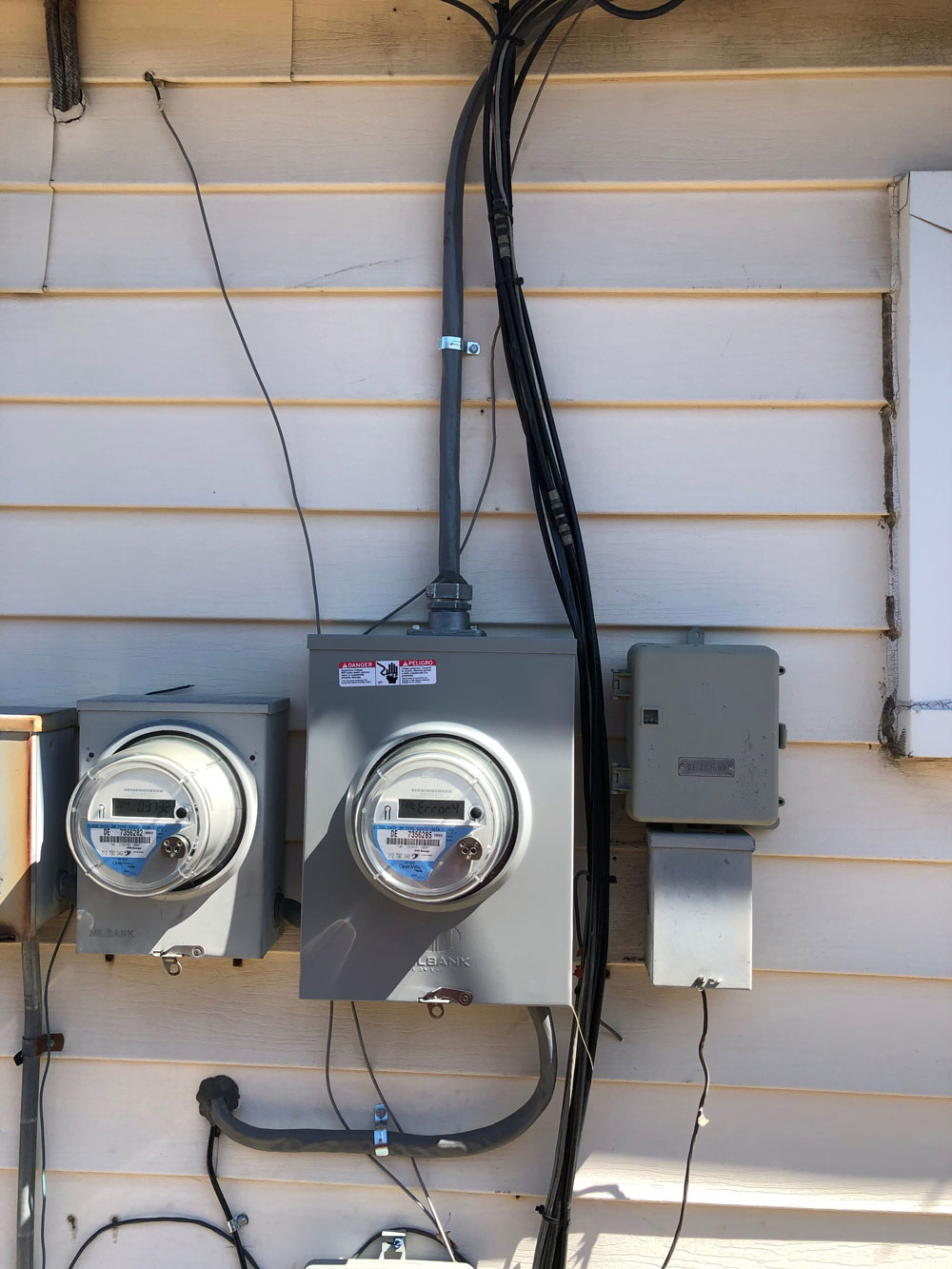
An EV Charger Panel Upgrade can involve more than replacing a breaker box. Depending on the assessment, the project may include a new dedicated circuit, panel replacement or expansion, service equipment changes, grounding and bonding work, and coordination around required permits or inspections.
The needed scope should be tied to the home and charging plan, not a one-size-fits-all package. A homeowner who only needs a modest Level 2 charging rate may have different electrical needs than someone installing high-amperage equipment while also planning additional electric appliances. Discussing present and future needs early can help make the work more useful over time.
Dedicated circuits protect the charging plan
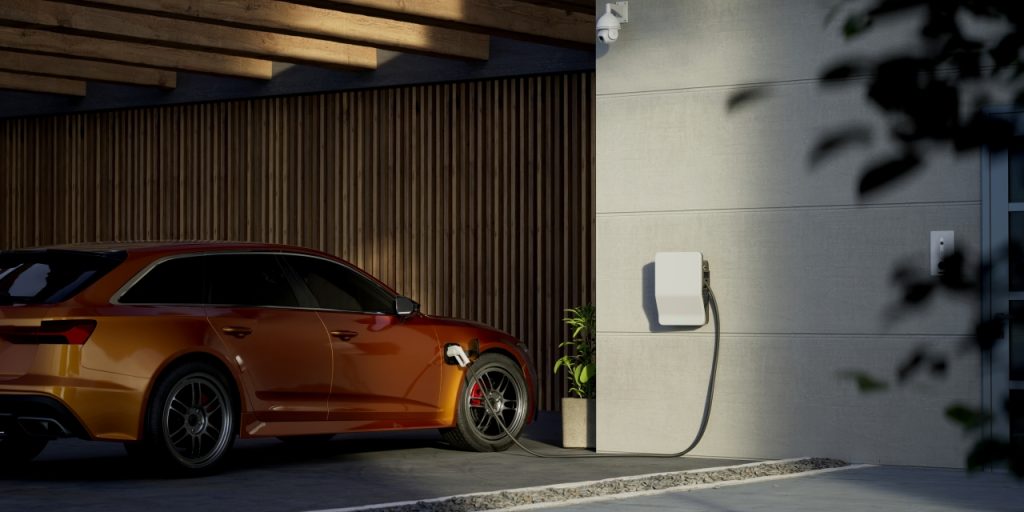
Level 2 EV charging equipment is typically supplied by a dedicated 240-volt circuit sized for the equipment and installation requirements. A dedicated circuit helps keep vehicle charging separate from other household loads and allows the installation to be designed around the charger’s continuous electrical demand.
Hardwired chargers and receptacle-based chargers have different installation considerations. The charger location, cable routing, garage or exterior conditions, panel distance, and manufacturer instructions can influence the final approach. An electrical review helps align the circuit, disconnecting requirements where applicable, and equipment choice with the planned installation.
A Practical Path From Panel Review to Home Charging
Planning an EV Charger Electrical Panel Upgrade begins with understanding the home’s existing electrical system and ends with a charging setup that fits the household’s routine. Executive Electric can be contacted to discuss the property, the vehicle or charger being considered, and the electrical questions that should be resolved before work is scheduled.
- Gather the important details. Note the panel rating, major electric appliances, desired charger location, vehicle model if known, and whether another EV may be added later.
- Review the electrical load and panel condition. The evaluation should look beyond empty breaker positions to assess capacity, equipment condition, and the likely circuit requirements.
- Compare charging options. Consider the charging speed needed for daily driving, the vehicle’s capabilities, the available electrical capacity, and the practical cost of different approaches.
- Define the installation scope. The plan may involve a dedicated circuit only, panel modifications, a panel replacement, or other service-related work based on the findings.
- Plan for completion. Ask how equipment, permits, inspections, utility-related coordination if needed, and final charger connection will be addressed for the specific project.
Homeowners often focus first on how quickly a charger can refill a battery. Charging speed matters, but the better decision is usually the setup that supports normal daily driving without overbuilding the electrical project. A lower-amperage Level 2 charger can be sufficient for many routines, while a higher-capacity circuit may be worthwhile when driving demands, vehicle capability, or future plans justify it.
Questions to Consider Before Choosing a Provider
Electrical panel work affects a central part of the home, so a clear scope and careful assessment matter. Rather than comparing only a headline price, compare what each proposed approach is designed to solve. A useful conversation should distinguish between adding charging access now and preparing the property for broader electrical changes later.
- Has the existing service and anticipated household load been evaluated?
- Is the recommendation based on the selected charger’s circuit requirements and continuous load?
- Does the proposal explain whether the issue is breaker space, service capacity, equipment condition, or a combination of factors?
- What work is included at the panel, and what is included between the panel and charger location?
- Are permits and inspections relevant to the proposed installation, and who will address them?
- How would a future second EV or additional electric appliance affect today’s plan?
For Michigan homeowners, seasonal weather can make overnight garage or driveway charging especially appealing, but the electrical planning principles remain the same throughout the year. The installation should be based on safe load management, suitable equipment placement, and the home’s real operating conditions. An informed assessment helps replace assumptions with a plan tailored to the property.
Why planning ahead can reduce repeat electrical work
It is reasonable to install only the charging capacity needed today, especially when a vehicle spends many hours parked at home. It is also reasonable to consider future electrical demand when a panel is already being evaluated. The decision comes down to balancing current needs, expected vehicle use, budget priorities, and the likelihood of later additions.
For example, a household expecting to add another EV, convert appliances from gas to electric, or build out a workshop may want those possibilities considered during the panel review. That does not automatically mean every future upgrade must happen now. It means the homeowner can make a more deliberate choice about circuit routing, panel capacity, and whether staged work makes sense.
Talk With Executive Electric About Your Chesterfield Charging Plan
Executive Electric provides a direct point of contact for homeowners evaluating an EV charging circuit and the electrical panel behind it. Starting with the specifics of your home, charger goals, and current electrical loads can help clarify whether a straightforward circuit installation, panel work, or a broader service upgrade is the appropriate next step.
If you are considering home charging in Chesterfield or elsewhere in Michigan, reach out before purchasing equipment that may not match your available capacity. Contact Executive Electric to discuss your EV charger electrical panel needs. The company location is 20504 Hall Rd, Clinton Township, MI 48038.
Frequently Asked Questions
Do I need an electrical panel upgrade for a Level 2 EV charger?
Not always. A Level 2 charger needs a properly sized dedicated 240-volt circuit, but an upgrade is only needed when the existing panel lacks safe capacity, usable breaker space, suitable equipment condition, or adequate service for the added load. A professional load evaluation determines the appropriate path.
How is EV charger circuit size determined?
Circuit size is based on the charging equipment rating, the vehicle and charger specifications, and applicable electrical requirements for continuous loads. The home’s calculated load and panel capacity must also support that circuit. Choosing the highest-amperage charger is not automatically the best choice for every property.
Can an electrician add an EV circuit if my panel is full?
A full panel does not automatically require a complete service upgrade. The electrician must determine whether the concern is physical breaker space, calculated electrical capacity, panel condition, or all three. Possible solutions vary by equipment and site conditions, so an assessment is necessary before selecting a remedy.
Where is Executive Electric located for Chesterfield, MI customers?
Executive Electric is located at 20504 Hall Rd, Clinton Township, MI 48038. Chesterfield is the target service area for this page, not a claimed company office location. Contact Executive Electric to discuss your property, charging objectives, and whether panel-related work may be appropriate.