EV Charger Electrical Panel Upgrade Bloomfield, MI
Adding home charging can be straightforward when the electrical system has enough capacity for it. For homeowners researching an EV Charger Electrical Panel Upgrade Bloomfield, MI, the central question is whether the existing service panel can safely support a dedicated charging circuit alongside everyday loads such as HVAC equipment, appliances, lighting, and electronics. Executive Electric provides a practical point of contact for customers in the region from its location at 20504 Hall Rd, Clinton Township, MI 48038.
An electric vehicle charger is not simply another plug-in appliance. Level 2 charging equipment commonly needs a dedicated 240-volt circuit and represents a sustained electrical load, so panel capacity, circuit space, wiring condition, and the home’s overall demand all deserve careful review before installation. A well-planned upgrade can support dependable charging while helping avoid overloaded equipment and improvised electrical solutions.
When a home may need more panel capacity for EV charging
A panel upgrade is appropriate when an existing electrical service cannot safely accommodate the charger circuit and the home’s anticipated demand. The need is not determined by the EV alone. It depends on the rating and condition of the panel, available breaker positions, the charger output, and what other equipment may run at the same time.
Older homes may have lower-capacity services, crowded breaker panels, legacy equipment, or limited room for a new two-pole breaker. Even a newer panel can require changes if it is already heavily loaded by electric heating, air conditioning, a hot tub, workshop tools, an electric range, a dryer, or planned home additions. A professional evaluation helps distinguish a true service upgrade from a smaller panel modification or a charging solution with a lower electrical demand.
Clues that deserve a professional electrical evaluation
Visible symptoms do not confirm the answer on their own, but they can indicate that it is time to assess the electrical system before purchasing or installing charging equipment. The goal is to identify capacity limits early, rather than discovering them after the charger, vehicle, or installation date has been selected.
- A breaker panel has no open spaces for the required dedicated circuit.
- Breakers trip, lights flicker, or electrical equipment behaves inconsistently during normal household use.
- The home has an older fuse box, a damaged panel enclosure, corrosion, heat marks, or unclear circuit labeling.
- The household is adding other major loads, such as an electric appliance, renovation, or climate-control equipment.
- The preferred charger output would require more capacity than the current system can reasonably support.
It is important not to treat an unused-looking breaker space as proof that a charger will fit safely. Breaker spaces and available electrical capacity are different issues. A load calculation and equipment review provide the information needed to make a responsible decision.
What an EV charger panel assessment should address
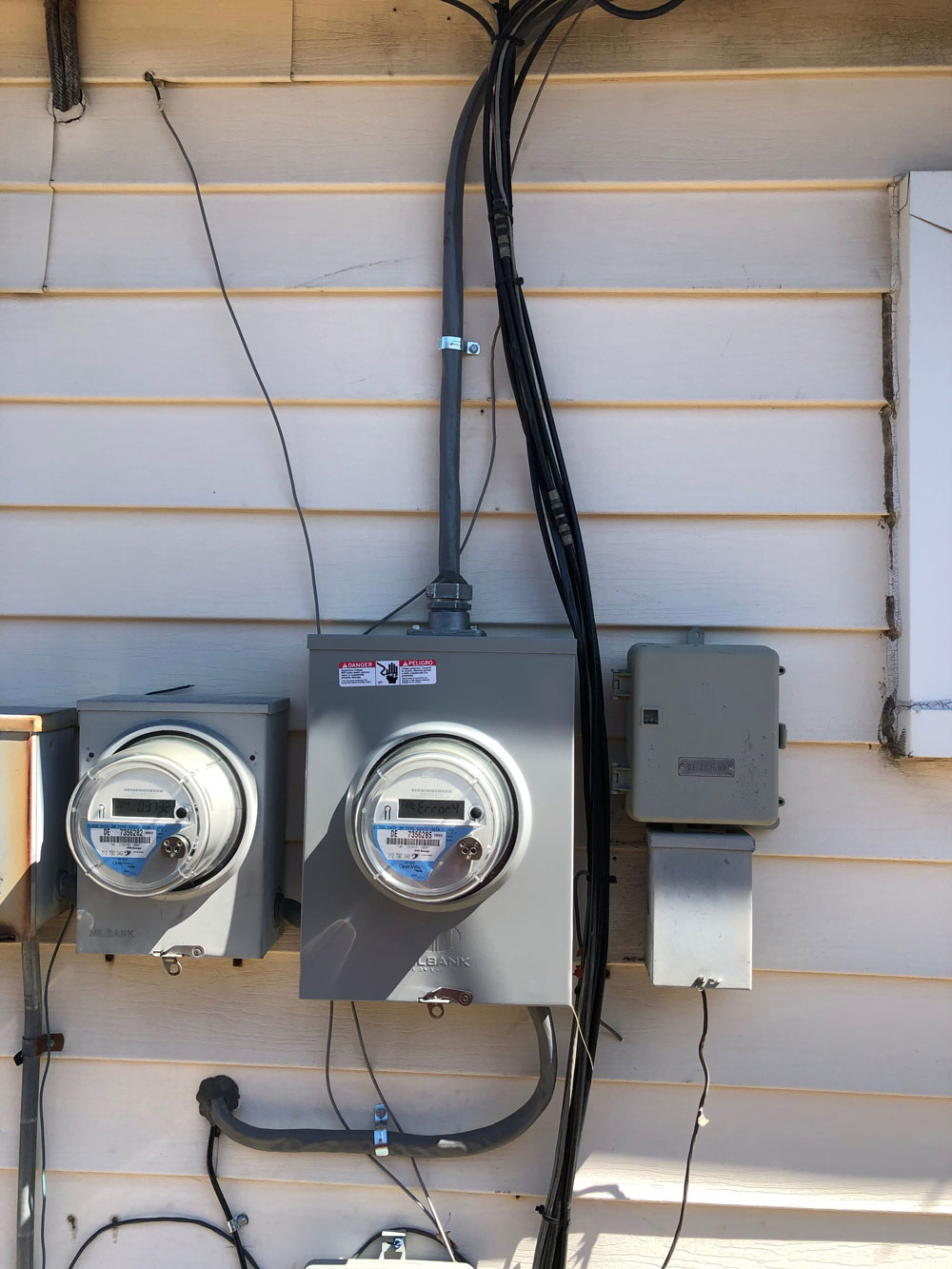
A useful assessment connects the charging plan to the actual home, not just to the vehicle’s advertised charging speed. Executive Electric can help a Bloomfield, Michigan homeowner start the conversation by identifying the details that affect scope, including the electrical panel, service entrance equipment, charger location, route for the new wiring, and local approval requirements.
Capacity, dedicated circuits, and load management
Electric vehicle supply equipment, often called EVSE, delivers power through a dedicated circuit sized for the selected equipment and installation conditions. Because vehicle charging can continue for hours, electricians account for continuous-load requirements rather than treating it like a brief-use receptacle. The selected circuit, breaker, conductors, and EVSE setting need to work together.
A EV Charger Electrical Panel Upgrade can involve replacing or increasing the capacity of the main service equipment, installing a larger panel, adding a properly designed subpanel, or making other code-conscious changes based on the assessment. The best option depends on the home’s calculated demand and physical layout. More charging power is not automatically better if a lower setting meets daily driving needs and avoids unnecessary changes.
Some households may also want to discuss managed charging or load-management equipment. These approaches can coordinate charging with household demand in suitable situations, but they are not a universal substitute for adequate service capacity. A professional should evaluate compatibility, manufacturer instructions, and the intended electrical design before relying on a control device.
Choosing charger output with realistic expectations
Level 1 charging uses a standard household receptacle and adds range slowly, which can work for limited daily driving but may not meet every household’s needs. Level 2 charging generally offers faster home charging through a 240-volt circuit, yet actual charging time also depends on the EV, battery state, onboard charger, and EVSE setting. Selecting output should start with overnight needs, daily mileage, and available capacity, not with the highest number on a product label.
For homeowners comparing options, EV Charger Panel Upgrade planning is valuable because it considers the panel and charging equipment as one system. A modestly sized Level 2 circuit may be a sensible fit when daily charging is sufficient, while a future-oriented service upgrade may make sense when the household expects additional electrical loads. Discussing both present and anticipated needs can reduce the chance of revisiting the electrical work later.
A practical path from inspection to ready-to-use charging
Planning the electrical work before charger installation gives homeowners a clearer picture of scope and avoids decisions based solely on marketing specifications. The sequence may vary by property and local permitting requirements, but a careful process addresses safety, accessibility, and future use before the final connection is made.
- Define the charging goal. Identify the vehicle, preferred charging location, typical overnight window, and any future EV plans.
- Review the existing electrical system. Examine panel rating, breaker space, service equipment, visible condition, and major household loads.
- Calculate and plan. Determine whether the home supports the proposed circuit or whether a panel replacement, service change, subpanel, or different charger setting is more appropriate.
- Map the installation route. Consider the garage, driveway, wall location, cable path, weather exposure where applicable, and practical access to the charging connector.
- Complete required approvals and installation. Electrical work may require permits and inspection under the authority having jurisdiction. The work should follow applicable requirements and equipment instructions.
- Test and use the system. After installation, verify operation and understand the charger settings, circuit identification, and everyday charging routine.
Permitting requirements can differ by jurisdiction, so Bloomfield, MI homeowners should avoid assuming that a project elsewhere in Michigan follows the same process. Asking about permits, inspections, and utility-related considerations before work begins helps establish realistic expectations. It also gives the homeowner a documented path for an upgrade that changes the electrical service or panel.
Panel upgrade, subpanel, or lower-output circuit?
These options solve different problems. A full electrical service or main-panel upgrade may be appropriate when the existing service lacks capacity, equipment is outdated, or a broader modernization is needed. A subpanel can add circuit space in a convenient location, but it does not by itself increase the home’s service capacity, so it is only suitable when the load calculation supports it.
A lower-output Level 2 circuit may be a reasonable alternative when it meets the household’s charging schedule and allows the project to proceed without a larger electrical change. Conversely, homeowners expecting a second EV, electric appliances, or a remodel may prefer to evaluate future demand now. The right choice is the one that balances charging convenience, electrical capacity, installation conditions, and long-term plans.
What to look for when choosing an electrical provider
The quality of planning matters as much as the charger hardware. A prospective customer should look for a provider that can discuss the existing electrical system in concrete terms and explain why a recommended circuit or panel solution fits the home. Clear communication is especially useful when comparing a simple charger circuit installation with a more extensive electrical panel upgrade.
- Ask whether the scope includes an evaluation of service capacity and existing loads.
- Ask how the proposed EVSE output, breaker, and conductor sizing relate to one another.
- Ask whether the panel has room, whether capacity is adequate, and what alternatives are available.
- Ask how permit and inspection responsibilities will be addressed for the project.
- Ask what access, wall location, wiring path, and equipment information should be ready before scheduling.
Executive Electric offers a direct contact option for people considering an EV charger electrical panel upgrade near Bloomfield. Sharing basic details at the outset, such as a panel photo, charger model if selected, desired installation location, and planned electrical additions, can make the initial discussion more productive. A focused review helps turn a general interest in home charging into a safer, more usable plan.
Questions Bloomfield homeowners often consider
Does every Level 2 EV charger require an electrical panel upgrade?
No. A Level 2 charger needs a properly sized dedicated 240-volt circuit, but a panel upgrade is only needed when the existing electrical system lacks adequate capacity, breaker space, or suitable equipment. An electrical assessment and load calculation determine whether the present system can support the planned charging setup safely.
Can a subpanel make room for an EV charger?
A subpanel can create additional circuit space or place the new circuit closer to the charging location, which may simplify wiring. However, a subpanel does not increase the capacity of the main electrical service. The home still needs adequate calculated capacity for the EV load and all other expected electrical demands.
Should I buy the charger before arranging the electrical work?
It can help to know the charger model and desired output, but it is wise to confirm that the home can support that choice first. An assessment may identify a practical circuit size, installation route, or equipment setting that better matches the panel and household usage. This can prevent selecting equipment that requires avoidable changes.
Is Executive Electric located in Bloomfield, Michigan?
Executive Electric’s supplied location is 20504 Hall Rd, Clinton Township, MI 48038. The company is presented here as a contact option for customers seeking EV charging electrical planning in the Bloomfield area, without representing Bloomfield as an office location.
Start with a clear electrical plan for home charging
Home charging is most convenient when the electrical system has been evaluated for the way the household actually uses power. Whether the answer is a new dedicated circuit, a panel change, a subpanel, or a different charging approach, the decision should be based on capacity and installation conditions rather than assumptions.
Contact Executive Electric to discuss an EV Charger Electrical Panel Upgrade for your Bloomfield, MI property. Reach out through the Executive Electric contact page and reference the company’s location at 20504 Hall Rd, Clinton Township, MI 48038 when beginning the conversation about your charging project.