EV Charger Electrical Panel Upgrade Birmingham, MI
Adding home charging can be a practical way to make EV ownership easier, but the charger is only as capable as the electrical system that supplies it. For homeowners seeking an EV Charger Electrical Panel Upgrade in Birmingham, MI, the important first step is determining whether the existing panel has enough safe capacity and physical space for the new load. Executive Electric is located at 20504 Hall Rd, Clinton Township, MI 48038 and provides a clear point of contact for discussing your electrical upgrade needs in Michigan.
A panel upgrade is not automatically required for every charger installation. However, an older, full, undersized, or overloaded panel may need attention before a dedicated EV charging circuit can be added responsibly. Understanding the assessment process, upgrade options, and questions to ask helps Birmingham-area homeowners make an informed decision before purchasing or installing charging equipment.
When an EV charger may require a panel upgrade
An electrical panel upgrade is often considered when a home cannot accommodate the continuous electrical demand of Level 2 charging along with everyday household loads. Electric ranges, dryers, air conditioning equipment, electric heat, hot tubs, and other major appliances all affect the calculation. The right answer depends on the home’s actual service capacity, existing circuits, planned charger output, and anticipated electrical use.
A Level 1 charger typically uses a standard household receptacle and charges more slowly, while a Level 2 charger generally needs a dedicated 240-volt circuit. Level 2 equipment can offer significantly more charging convenience, but the higher electrical demand makes a professional review especially important. A panel with available capacity may only need a correctly sized dedicated circuit, whereas another home may need a service or panel modernization before charging can be added.
Signs your existing electrical setup deserves a closer look
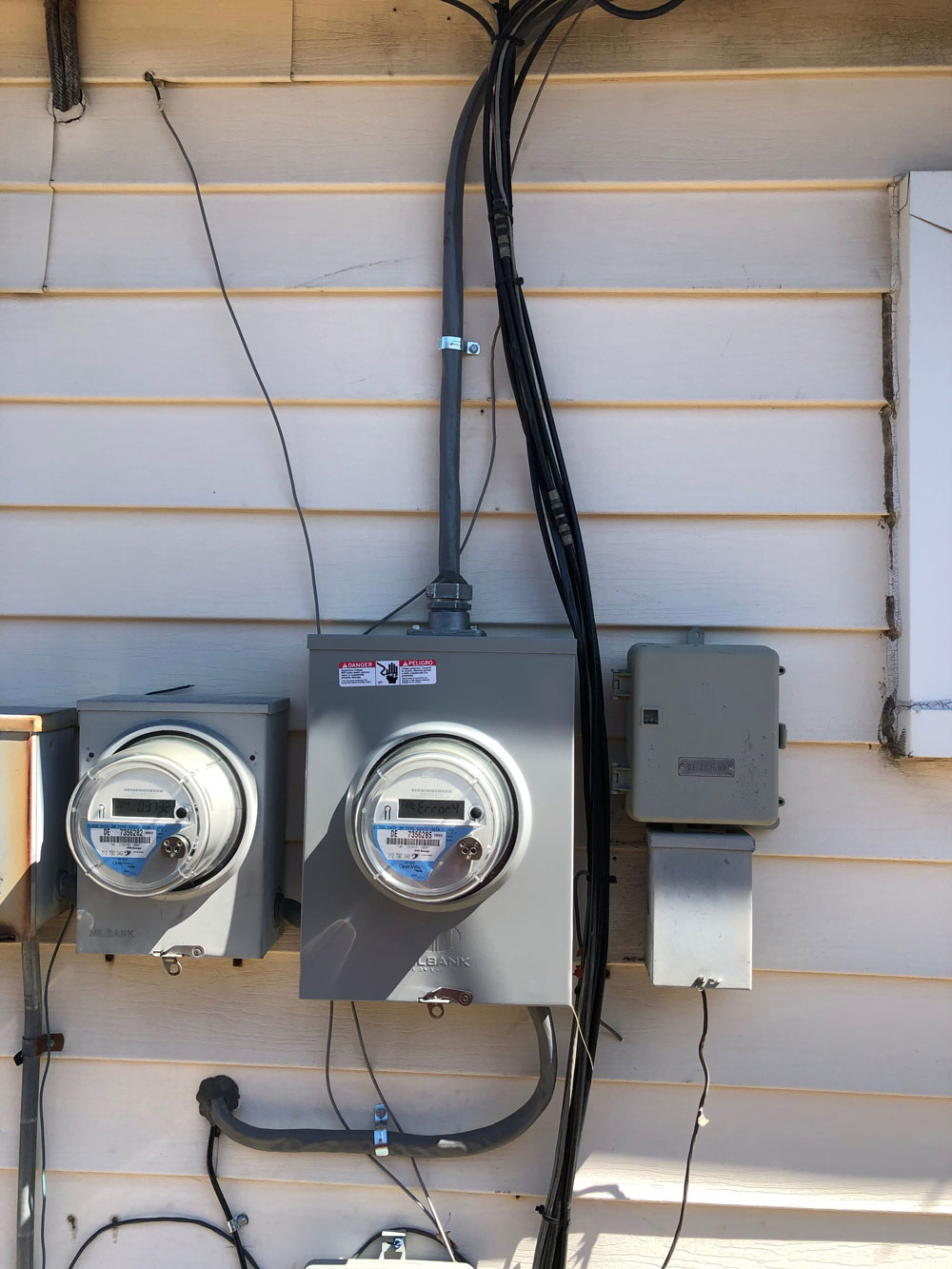
Some signs are visible, such as a panel with no open breaker spaces, frequently tripped breakers, corrosion, damaged components, or a panel that has been altered repeatedly over time. Other concerns are less obvious, including the total connected load and whether the service can support a charger at the desired amperage. A visual inspection alone cannot replace a load calculation, but it can identify reasons to schedule a professional evaluation.
- Your breaker panel is full and has no appropriate space for a new dedicated circuit.
- You plan to install a Level 2 charger rather than rely on slower 120-volt charging.
- Your household is adding other electrical equipment, such as a heat pump, electric range, or workshop tools.
- Breakers trip under normal use, lights dim noticeably, or the panel shows signs of age or damage.
- You want charging capacity that fits both present needs and likely future electrical additions.
It is important not to assume that a larger breaker is the solution. Breaker size, conductor size, circuit rating, panel capacity, and charger settings need to work together. Installing equipment that exceeds what the wiring or service can safely support can create nuisance tripping, equipment problems, or more serious electrical hazards.
What an EV charging electrical assessment should cover
A useful evaluation connects the charger choice to the entire home electrical system, not just an empty slot in the panel. The goal is to identify a compliant, practical path for supplying a dedicated charging circuit. That can mean using available capacity, adjusting the planned charger output, upgrading the panel, or considering another charging approach based on the home’s needs.
Load calculation, panel space, and charger output
The review generally begins with the electrical service rating, panel condition, and the household’s existing loads. A load calculation helps determine how much additional demand the service can reasonably support under applicable requirements. The discussion should also account for the EV charger’s continuous load, because continuous loads are treated differently from occasional appliance use when circuit capacity is planned.
Physical panel space matters as well as electrical capacity. A panel may have enough service capacity but lack room for the required breaker, while another panel may have open spaces but insufficient load capacity. In some cases, a subpanel or load-management approach may be worth discussing; in others, a main panel upgrade is the clearer long-term solution.
A complete EV Charger Electrical Panel Upgrade review should match the charging equipment, circuit design, and home service rather than treating the charger as a stand-alone appliance. This approach helps a homeowner compare immediate installation cost with future flexibility for additional electric appliances. It also creates an opportunity to address deficiencies in the panel before they interfere with reliable day-to-day charging.
Typical steps from planning through installation
Every property is different, but a panel-related charging project usually follows a predictable sequence. The exact scope can change once the panel, service equipment, and proposed charger location are reviewed. Asking for an explanation of the proposed work can help you understand which items are essential for safety and which are optional future-planning choices.
- Identify the vehicle’s charging needs, preferred charger type, and desired charging speed.
- Review the main panel, service rating, available breaker space, existing loads, and likely circuit path.
- Perform the appropriate load evaluation and determine whether a dedicated circuit alone is suitable.
- Plan any needed panel, service, wiring, grounding, or equipment changes before installing the charger circuit.
- Complete the installation in accordance with applicable electrical requirements and arrange required inspection steps where applicable.
- Test the charging circuit and review how the homeowner should use the new equipment.
Permitting and inspection requirements can vary by jurisdiction and project scope. A homeowner should ask how those requirements apply to the property rather than assuming a small-looking charger project has no approval considerations. Clear planning also helps avoid ordering charging equipment with an output that does not fit the home’s available electrical capacity.
Choosing between a circuit addition, panel upgrade, and other options
The best choice depends on capacity, condition, and how you expect your home to change over time. A dedicated circuit addition can be an efficient option when the existing panel and service already support it. A panel upgrade may be more appropriate when the present equipment is crowded, aging, or unable to accommodate the calculated EV load.
Lowering the charger’s configured output can sometimes reduce electrical demand, but it also increases charging time. That tradeoff may be acceptable for drivers with long overnight parking windows and modest daily mileage. Homeowners who need faster replenishment, expect to add another EV, or plan other electrification projects may see more value in designing for additional capacity now.
- Dedicated circuit only: Suitable when the service, panel condition, available spaces, and load calculation support the selected charger.
- Panel upgrade: Can provide room and capacity for EV charging when current equipment cannot suitably support a new circuit.
- Reduced-output charging: May limit installation demands, with the practical tradeoff of slower charging.
- Future-ready planning: Considers later additions such as another EV, electric HVAC equipment, or kitchen electrification.
Cost is understandably a major consideration, but a quote should be evaluated by scope rather than a single number alone. Panel condition, service capacity, wiring distance, charger amperage, equipment selection, access, required approvals, and repair work can all influence a project. A detailed conversation gives you a better basis for comparing options than choosing solely by the advertised power rating of a charger.
Why the panel is central to dependable home charging
Your electrical panel distributes power throughout the home and protects individual circuits with breakers. When an EV is charging for hours, the circuit must be designed for that sustained demand while the rest of the home continues operating. A correctly planned electrical service upgrade for EV charging can support a more dependable routine without asking an already constrained system to do more than it was designed to handle.
For many homeowners, the practical benefit is convenience. Instead of coordinating trips around public charging, a properly supplied home charger can allow the vehicle to replenish while parked. The electrical work behind that convenience matters, because the goal is not simply to energize a charger but to integrate it thoughtfully with the home’s electrical infrastructure.
Questions to ask before moving forward in Birmingham
A productive service conversation should make the recommended path understandable. You do not need to know every electrical term before contacting a professional, but sharing your vehicle, charger plans, household equipment, and typical driving routine can make the initial assessment more useful. Executive Electric can be contacted to discuss an EV charging panel evaluation for a Birmingham, MI property and the factors that may affect the work.
The phrase EV Charger Panel Upgrade can refer to several related scopes of work, from creating space for a new breaker to replacing or modernizing equipment that cannot support the added load. The key distinction is whether the current service and panel can safely accommodate the charger after a proper evaluation. Knowing that distinction helps homeowners avoid paying for a larger upgrade than needed or attempting a circuit addition that does not resolve the underlying capacity issue.
Before selecting a charger or approving electrical work, consider gathering the panel’s service rating if visible, photos of the panel directory, the charger model under consideration, and a list of major electric appliances. These details can help frame the discussion, although an on-site evaluation may still be needed. If you have a planned location for the charging equipment, note whether it is in a garage, driveway area, or another parking location so wiring route considerations can be reviewed.
Plan your home charging project with Executive Electric
Executive Electric offers a direct contact option for homeowners considering panel capacity and dedicated-circuit needs for EV charging. The company’s listed location is 20504 Hall Rd, Clinton Township, MI 48038. Birmingham residents can use the contact process to explain their home’s current electrical setup, their vehicle and charger plans, and any concerns about an aging or crowded breaker panel.
A thoughtful electrical assessment can help turn a charger purchase into a practical home charging plan. Whether your home appears ready for a dedicated circuit or may need a more substantial electrical panel upgrade, getting the relevant questions addressed early can reduce uncertainty. Contact Executive Electric to discuss your EV charging project and next electrical steps.
Frequently asked questions
Do I always need a panel upgrade to install a Level 2 EV charger?
No. A Level 2 charger may only require a new dedicated 240-volt circuit if the existing panel has suitable space, condition, and electrical capacity. A load calculation and panel review determine whether an upgrade is needed, rather than the charger type alone.
How does a load calculation affect EV charger installation?
A load calculation evaluates the home’s existing electrical demand alongside the proposed charger load. It helps determine whether the current service can support charging without exceeding its planned capacity. This assessment is especially important when a home uses several large electric appliances or has an older electrical service.
Can I choose a lower-amperage charger instead of upgrading the panel?
Sometimes. Lower-output charging can reduce the additional electrical demand and may allow a different installation path, but it will charge the vehicle more slowly. Whether that is a workable alternative depends on your daily driving, available overnight charging time, current panel capacity, and the condition of the existing equipment.
Is Executive Electric located in Birmingham, Michigan?
Executive Electric’s supplied company location is 20504 Hall Rd, Clinton Township, MI 48038. This page addresses EV Charger Electrical Panel Upgrade considerations for Birmingham, MI homeowners; contact Executive Electric to discuss your property and the appropriate next step for your charging plans.