EV Charger Electrical Panel Upgrade Auburn Hills, MI
Adding home charging can be simple when the existing electrical system has room for it. When it does not, an EV Charger Electrical Panel Upgrade in Auburn Hills, MI can create the capacity needed for a dedicated charging circuit while helping the home’s electrical distribution work more reliably. Executive Electric is located at 20504 Hall Rd, Clinton Township, MI 48038, and homeowners can contact the company to discuss the electrical needs of an Auburn Hills project.
An electric vehicle charger is not just another plug-in appliance. Level 2 charging equipment is commonly a substantial, continuous electrical load, so the panel, service size, breaker space, wiring path, grounding, and load calculation all deserve careful attention before installation. A thoughtful evaluation helps identify whether a new circuit is sufficient, whether the panel needs changes, or whether a larger service-related solution should be considered.
When a panel upgrade may be the right step
A panel upgrade may be appropriate when a home lacks available capacity or safe space for the circuit an EV charger requires. The goal is not automatically to replace every older panel. The goal is to determine whether the home can support planned charging along with the loads it already uses, including heating and cooling equipment, electric cooking, dryers, water heating, and other major appliances.
For many homeowners, the decision begins with a load calculation rather than the age of the house alone. A newer-looking panel can still be heavily loaded, while an older installation may have adequate calculated capacity but no physical breaker space. The right recommendation depends on the electrical facts at the property and the charging equipment being planned.
Signs your electrical system deserves an assessment
Frequent breaker trips, a full breaker panel, visible corrosion, outdated equipment, or plans to electrify more of the home are all reasons to arrange a professional review. These conditions do not automatically mean the service must be replaced, but they can change the scope of a charger installation. An assessment is especially useful before purchasing equipment that has a specific amperage requirement.
- The main panel has no open spaces for a new two-pole breaker.
- The calculated electrical demand leaves little room for a continuous charging load.
- The homeowner wants faster Level 2 charging than the present system can reasonably support.
- A garage, driveway, or detached structure requires a longer wiring route or additional distribution equipment.
- Other electrical improvements are planned, such as a heat pump, induction range, electric dryer, or future solar equipment.
It is also important to separate a panel upgrade from a service upgrade. Replacing or enlarging the panel may address breaker capacity and organization, while a utility service upgrade can involve equipment upstream of the panel and may be needed when the existing service rating is insufficient. A site-specific electrical evaluation clarifies which option, if any, fits the project.
What an EV charging electrical evaluation should cover
A useful evaluation looks at the entire charging path, not only the panel door. Executive Electric can be contacted about an Auburn Hills, Michigan project so the conversation can start with the vehicle, charging goals, panel details, and the intended charger location. Gathering this information early helps avoid selecting an installation approach based on assumptions.
Load, equipment, and charging goals
The charger’s electrical rating matters because charging is generally treated as a continuous load, which affects circuit sizing. A higher-amperage charger can shorten charging time only when the vehicle, charging equipment, branch circuit, panel capacity, and service can all support that configuration. A lower-amperage Level 2 setup may be a practical alternative for drivers with overnight parking and modest daily mileage.
Before moving ahead, homeowners should consider how the vehicle will actually be used. Someone who returns home each evening and has many hours to charge may not need the maximum charging rate, while a household with multiple EVs or limited overnight time may place a greater value on added capacity. Selecting a charger should follow the electrical assessment, not force an unsuitable electrical system to meet an oversized charger choice.
Panel space, circuit routing, and protection
Even when the load calculation supports charging, physical installation details still matter. The electrician needs to account for available breaker positions, compatible overcurrent protection, conductor size, the distance to the charger, routing through finished areas, and the mounting location. A long route or a detached garage can add complexity and may influence whether a subpanel or another distribution approach is worth considering.
Grounding and bonding, enclosure condition, working clearance, and the condition of existing wiring are also part of a sound electrical conversation. These details help create an installation that is organized, serviceable, and aligned with the requirements applicable to the project. Homeowners should expect the final approach to reflect the actual property rather than a one-size-fits-all package.
- Share the vehicle model, charger type, desired charging speed, and intended installation location.
- Review the electrical panel, service rating, breaker availability, and major household loads.
- Determine whether a dedicated circuit alone, panel modifications, a subpanel, or a broader upgrade is appropriate.
- Plan the wiring route, equipment placement, and any required permitting or inspection steps for the project.
- Complete the installation scope and verify that the charging circuit and equipment operate as intended.
Understanding EV Charger Panel Upgrade options
An EV Charger Panel Upgrade can mean several different electrical solutions, from adding capacity in an existing panel to replacing a crowded panel or coordinating work that supports a larger service. The best option is the one that matches the calculated load, the available equipment space, and the homeowner’s real charging needs. Choosing only by the highest advertised charger amperage can lead to unnecessary cost or an impractical design.
One option is a dedicated EV branch circuit when the existing panel and service have adequate capacity. Another is a panel replacement or expansion when space, condition, or distribution limitations are the main issue. In some homes, managed charging equipment or a lower-output charger may reduce demand enough to avoid a larger upgrade, but that decision should be based on a qualified review of the equipment and household loads.
Choosing between more capacity and smarter charging
More electrical capacity can support current and future electrification, but it is not always the only reasonable path. Load-managed charging can be useful in certain situations because it adjusts charging demand in response to the home’s other electrical use. It is a design choice with its own equipment and compatibility considerations, not a substitute for evaluating a panel that is damaged, unsafe, or otherwise unsuitable.
Homeowners should also distinguish between a receptacle-based charging setup and hardwired equipment. Both can have different installation requirements, and the charging equipment manufacturer’s instructions matter. The right choice may depend on the planned charger, desired flexibility, location, protection requirements, and the details revealed during the electrical assessment.
What Auburn Hills homeowners should ask before scheduling work
Clear questions help make an electrical project easier to compare and understand. Rather than asking only for a price, ask what the existing electrical system can support, what assumptions affect the scope, and whether the proposed charger output matches the household’s schedule. A clear explanation of the recommended work gives a homeowner a better basis for deciding how to proceed.
- What charging amperage does the vehicle and selected EVSE actually need?
- Will the proposed circuit fit within the home’s calculated electrical load?
- Is the limitation breaker space, panel condition, service capacity, or the wiring route?
- Would a lower-amperage charger or managed charging meet the household’s needs?
- What permitting, inspection, manufacturer instructions, and local requirements may apply to this installation?
- How would the recommendation accommodate likely future electrical loads?
Executive Electric’s Clinton Township, Michigan address is 20504 Hall Rd, Clinton Township, MI 48038. That location should not be confused with an Auburn Hills office location. For homeowners seeking EV Charger Electrical Panel Upgrade Auburn Hills, MI support, a direct conversation with Executive Electric can help establish the project details and the appropriate next step.
Plan your home charging project with a clear electrical scope
A properly planned panel and charging project can help make daily EV ownership more convenient while avoiding preventable strain on the electrical system. The practical benefit is not simply faster charging. It is having a dedicated charging arrangement sized around the home, vehicle, and future plans instead of relying on guesswork or an overloaded panel.
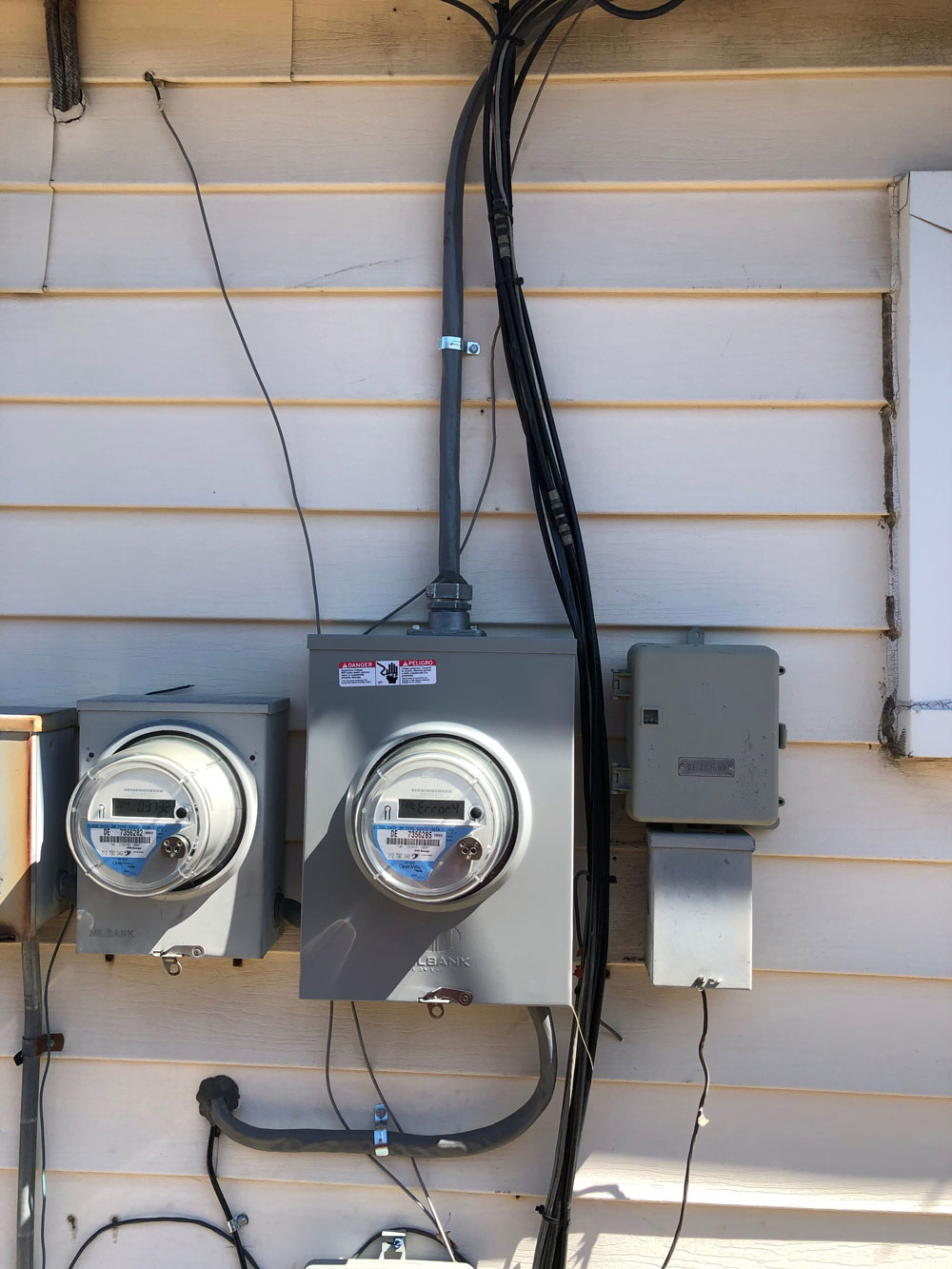
Executive Electric offers a clear contact point for homeowners considering this type of electrical work. Bring any available photos of the panel, information about the vehicle and charger, and a description of the desired parking location to the conversation. Those details can make it easier to discuss whether the project may involve a new circuit, panel work, service considerations, or an alternative charging approach.
Ready to discuss your EV charging electrical needs? Contact Executive Electric to start a conversation about your Auburn Hills project. Executive Electric is located at 20504 Hall Rd, Clinton Township, MI 48038, and can help you clarify the electrical questions that should be addressed before an EV charger installation.
Frequently asked questions about EV charger panel upgrades
Do I always need a panel upgrade to install an EV charger?
No. An EV charger may only need a dedicated circuit if the existing panel has adequate calculated capacity, compatible space, and suitable condition. A professional review of the service, panel, major loads, charger rating, and wiring route determines whether a panel upgrade is necessary.
How is a panel upgrade different from installing a charger circuit?
A charger circuit is the dedicated wiring and breaker that supply the EV charging equipment. A panel upgrade changes the electrical distribution equipment when breaker space, condition, or capacity is a concern. Some homes need both, while others only need the new circuit.
Can a lower-amperage Level 2 charger avoid a larger electrical upgrade?
Sometimes. A lower-output Level 2 charger may provide sufficient overnight charging while placing less demand on the electrical system. Whether it avoids a larger upgrade depends on the home’s load calculation, existing equipment, vehicle needs, and the rest of the planned electrical work.
Is Executive Electric located in Auburn Hills, MI?
Executive Electric’s supplied location is 20504 Hall Rd, Clinton Township, MI 48038. Homeowners researching an EV Charger Electrical Panel Upgrade in Auburn Hills, MI can contact Executive Electric to discuss their property, charging goals, and the electrical scope that may be appropriate.