Commercial EV charger installation West Bloomfield Township, MI
Businesses planning Commercial EV charger installation in West Bloomfield Township, MI need more than a charging unit mounted on a wall. A commercial charging project must account for how drivers use the site, the electrical capacity available, parking layout, equipment selection, permitting, and the path from planning to safe operation. Executive Electric is located at 20504 Hall Rd, Clinton Township, MI 48038, and provides a clear point of contact for organizations evaluating an EV charging project in Michigan.
Whether the goal is to support employees, attract customers, serve tenants, or prepare a fleet for electrification, the right approach starts with the property rather than with a one-size-fits-all charger. Charging demand can vary widely between an office with all-day parking, a retail destination with shorter visits, a multifamily property, and a vehicle fleet that returns on a schedule. Thoughtful commercial EV infrastructure planning helps a property owner match charging speed, quantity, access rules, and future expansion to real operating needs.
Plan charging around the way your property operates
The most useful commercial charging system is one that fits driver dwell time and the site’s electrical conditions. Level 2 charging is commonly considered for locations where vehicles will remain parked for hours, while higher-powered DC charging may be considered when quicker turnover is essential and the site can support it. The appropriate choice depends on the use case, not simply on choosing the highest available power level.
Commercial properties in and around West Bloomfield Township can use charging to make parking more useful for the people already coming to the site. Employers may want a workplace amenity, property managers may need a tenant-facing solution, and customer-facing businesses may consider charging part of a broader visitor experience. A well-scoped project also gives decision-makers a practical way to manage current demand while preserving options for additional ports later.
Start with a site and electrical review
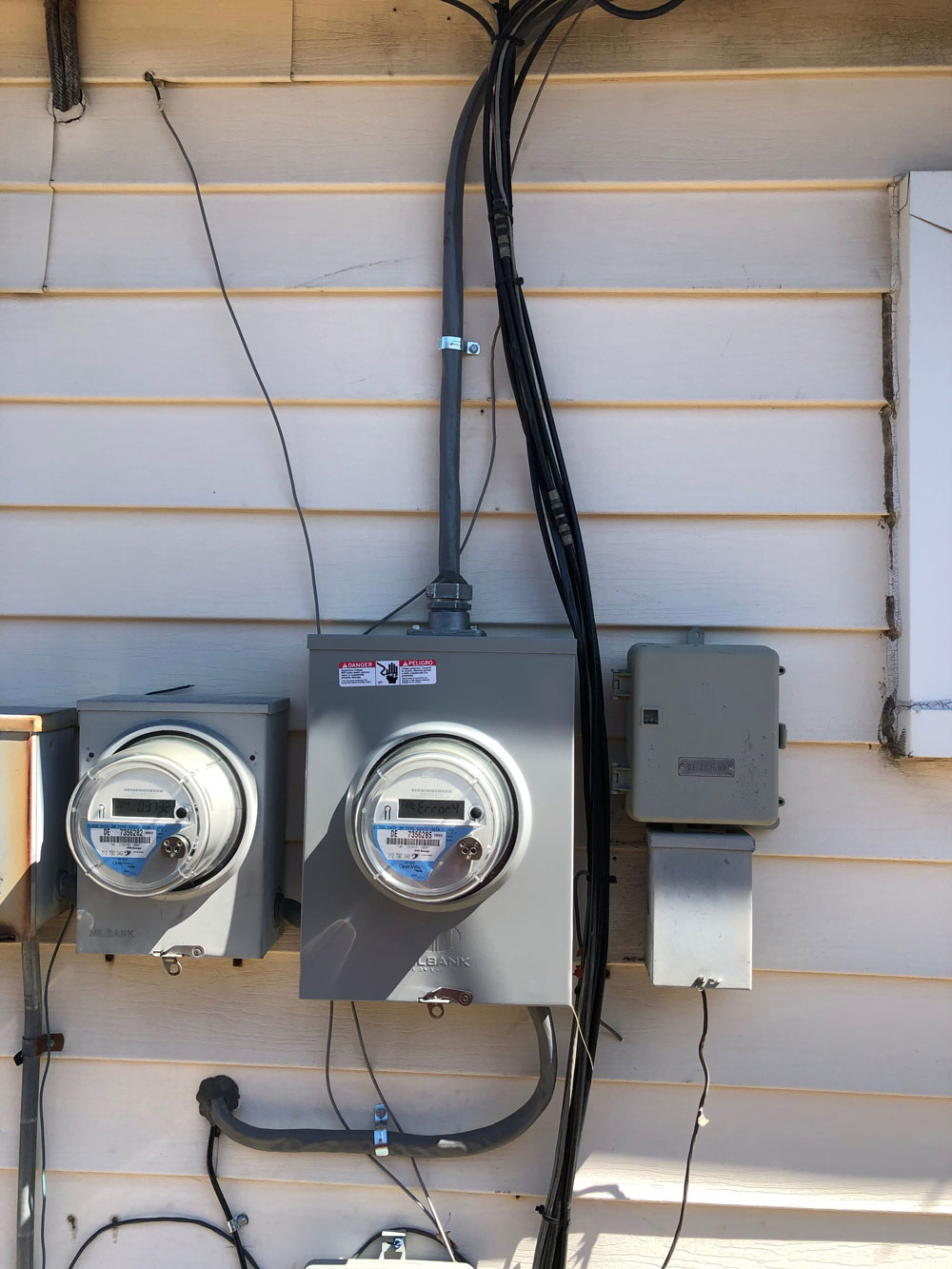
Before equipment is selected, a project should examine the existing electrical service, distribution equipment, available capacity, parking locations, and likely cable routes. The review can reveal whether chargers can be served from existing infrastructure or whether upgrades may be needed. It also helps identify practical considerations such as bollard protection, accessibility, lighting, signage, trenching, network connectivity, and the distance between the electrical source and proposed charging spaces.
Executive Electric can discuss the information a commercial property should assemble before moving forward, including basic facility details, parking patterns, desired charger access, and anticipated vehicle use. Bringing those details into the early conversation can reduce avoidable revisions later. It also gives owners a more realistic framework for comparing equipment and installation approaches.
Choose charging levels based on time, not assumptions
Charging power and parking duration should work together. For example, an employee vehicle parked throughout a workday may have very different charging needs from a delivery vehicle that must return to service quickly. Faster charging can involve more demanding electrical infrastructure and higher project complexity, so it is important to assess whether the operational benefit justifies that investment.
- Level 2 charging: Often appropriate for workplaces, overnight parking, destination charging, and longer dwell times.
- DC fast charging: May suit sites where shorter charging sessions and vehicle turnover are central to the operation.
- Scalable layouts: Conduit pathways, panel capacity planning, and space allocation can make later additions more manageable.
- Access strategy: The site should decide whether chargers are employee-only, tenant-only, fleet-only, customer-facing, or available to more than one group.
Commercial charging options for workplaces, public sites, and fleets
Commercial EV charger installation can serve several different business models, but the equipment and operating plan should reflect who will plug in and when. A private employee amenity does not have the same access, payment, uptime, or parking-management needs as a public charging destination. Separating these needs early makes it easier to evaluate the right charging configuration and avoid investing in features that do not support the property’s goals.
Support employees with a practical workplace program
Workplace EV charger setup gives employers a structured way to provide on-site charging for employees who drive electric vehicles. A useful workplace plan considers the number of expected users, how long vehicles typically remain parked, whether access is restricted, and how parking spaces will be managed. Employers may also need to consider whether charging is offered as an employee benefit, a paid service, or a limited shared resource.
For an office, medical practice, warehouse, or other employer site, Level 2 units may align well with workday parking durations. Clear signage and a simple parking policy can help prevent charging spaces from becoming general parking spaces. Future-ready electrical planning can be especially valuable when an employer expects EV adoption among staff to grow over time.
Make customer and visitor charging easier to evaluate
A Public EV charger installer project requires careful thinking about how visitors will find, access, and use the equipment. Public or customer-facing stations may require attention to equipment visibility, parking turnover, user instructions, payment capabilities, network communications, and the property’s desired level of access. The best fit depends on whether charging is intended as an amenity for existing visitors or as a service intended to draw drivers to the property.
Property owners should also consider the operational impact of opening stations to the public. Questions about hours of availability, parking enforcement, maintenance responsibilities, and driver support are as important as the physical installation. A clear access plan protects the value of the investment and helps create a more predictable experience for drivers.
Design charging locations that are durable and usable
EV charging dock installation involves more than placing a pedestal or wall-mounted unit near a parking space. Charger placement should support safe cable reach, protect equipment from vehicle contact, preserve accessible routes where required, and allow drivers to park without creating obstacles. The installation path may also involve wall penetrations, underground conduit, surface restoration, and electrical connections that should be planned as one coordinated scope.
Placement decisions can influence both convenience and long-term maintenance. Units positioned too far from spaces can create cable-management problems, while poor protection can expose equipment to preventable damage. Reviewing the parking geometry before work begins helps owners avoid a layout that looks workable on paper but is awkward in daily use.
Understand when fast charging is the right investment
EV fast charger installation is generally most relevant when a business, fleet, or customer-facing site needs vehicles to gain meaningful range during relatively short stops. DC fast charging can be a strong operational tool for some applications, but it usually requires a more detailed assessment of available electrical capacity, equipment requirements, utility coordination, and total project scope. It is not automatically the best choice for every commercial parking area.
A fleet that cycles vehicles through the property may value faster charging differently than a workplace with eight-hour parking windows. Decision-makers should compare expected utilization with the infrastructure needed to support higher-power equipment. In many cases, a mix of charging types or a phased expansion strategy may provide a more balanced path than installing maximum power everywhere at once.
What a well-organized installation process looks like
Commercial EV charging projects are easier to manage when the steps are defined before construction begins. The process typically moves from goals and site conditions to equipment decisions, electrical design, approvals, installation, and final commissioning. While each property is different, early coordination helps align the charging plan with the building, parking operation, and budget considerations.
- Define the use case: Identify drivers, parking duration, desired number of ports, access rules, and expected growth.
- Review site conditions: Evaluate service capacity, electrical distribution, equipment locations, pathways, and site constraints.
- Select equipment and layout: Match charging level, mounting style, cable reach, protection, and communication needs to the property.
- Coordinate approvals: Plan for applicable permits, inspections, utility considerations, and local requirements before installation.
- Install and commission: Complete electrical work, place equipment, test operation, and prepare the site for its intended users.
Permitting and inspection requirements can vary by project and jurisdiction, so they should be addressed as part of the planning process rather than after equipment is purchased. Owners should also ask how the installed equipment will be used after activation, including responsibilities for access administration, cleaning, parking enforcement, and manufacturer or network support. These operational details affect whether a charging system remains useful after the initial installation is complete.
Questions to ask before selecting a commercial charging provider
The right provider conversation should help a business clarify its electrical and operational requirements, not just compare charger models. Executive Electric can be a relevant contact for organizations that want to begin the discussion with the installation realities of their commercial property. A focused project conversation can make it easier to define scope and identify the information needed for an informed decision.
- What charging behavior is the property trying to support: all-day, overnight, short-stop, or fleet turnaround?
- What electrical capacity is available today, and what changes may be necessary for the planned number of chargers?
- Where should chargers be located for safe parking, cable reach, equipment protection, and convenient driver access?
- Should the project reserve capacity or pathways for future chargers even if fewer units are installed now?
- Who will manage charger access, parking rules, payment features, and ongoing equipment support after activation?
For many Michigan businesses, the most important decision is not merely whether to add EV charging but how to create a system that fits the property’s actual traffic and power profile. A phased approach can be sensible when demand is still emerging, while a more robust build may make sense when fleet plans or tenant commitments are already defined. Clear answers to these questions help shape a commercial electrical installation that is purposeful rather than reactive.
Frequently asked questions about commercial EV charging
How long does commercial EV charger installation take?
The timeline depends on the site, equipment, electrical capacity, permit requirements, and whether service upgrades or trenching are needed. A straightforward installation may involve fewer steps than a multi-port project with significant electrical work. The planning review is the best time to identify factors that could affect scheduling.
Do commercial properties always need DC fast chargers?
No. DC fast charging is best evaluated against the amount of time vehicles will be parked and the business need for rapid charging. Many workplaces, multifamily properties, and destination locations may find Level 2 charging better aligned with longer parking periods and the site’s available electrical infrastructure.
Can a business install a few chargers now and add more later?
Yes, a phased strategy may be possible when the initial design considers future electrical capacity, conduit routes, panel space, and parking layout. Planning for expansion during the first project can reduce disruption when additional stations are needed. The appropriate approach depends on the property’s current conditions and anticipated demand.
Does Executive Electric have an office in West Bloomfield Township, MI?
Executive Electric’s supplied location is 20504 Hall Rd, Clinton Township, MI 48038. The company should not be assumed to have a physical office in West Bloomfield Township. Contact Executive Electric to discuss commercial EV charging needs for a property in the area and to confirm project details.
Discuss your commercial charging project with Executive Electric
A commercial charging decision affects electrical infrastructure, parking operations, and the daily experience of employees, customers, tenants, or fleet drivers. If you are considering Commercial EV charger installation in West Bloomfield Township, MI, bring your property goals, parking needs, and available site information to the conversation. Executive Electric is located at 20504 Hall Rd, Clinton Township, MI 48038 and can help you start with the practical questions that shape a commercial EV charging project.
Contact Executive Electric to discuss your Michigan commercial EV charger installation needs and next steps for your property.