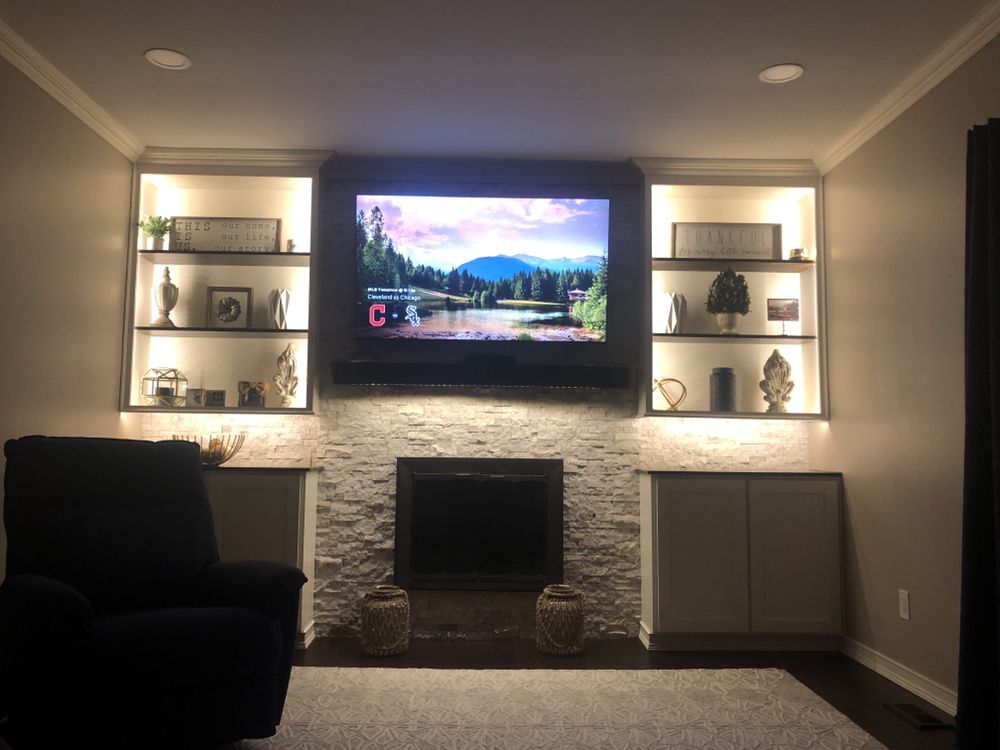
Commercial EV charger installation Washington Township, MI
Commercial EV charger installation Washington Township, MI, gives property owners a practical way to support electric-vehicle drivers while preparing a site for changing transportation needs. Executive Electric can be contacted for commercial charging projects serving this market from its location at 20504 Hall Rd, Clinton Township, MI 48038. A well-planned charging project considers more than the charger itself: electrical capacity, parking layout, user access, safety, and future expansion all shape the result.
For offices, retail properties, multifamily communities, fleet facilities, and customer-facing businesses, the right charging approach can create a useful amenity without treating every parking space the same. Some sites need a few dependable Level 2 ports for all-day parking, while others may need higher-output equipment for shorter stays or operational vehicles. Executive Electric helps start the conversation around the electrical work and planning considerations behind a commercial charging station project in Michigan.
Plan charging around how people actually use your property
The best commercial EV charging installation begins with a clear use case. Before selecting equipment, a property decision-maker should identify who will charge, how long vehicles typically remain parked, whether access is private or public, and how charging costs will be managed. Those answers help determine the quantity, power level, controls, and placement that make sense for the property.
Commercial charging is not one-size-fits-all. A workplace with employees parked for a full shift may prioritize multiple Level 2 connections and simple access rules. A fleet site may prioritize charging windows, circuit capacity, and operational continuity. A retail or visitor-facing location may weigh visibility, turnover, payment capability, and parking circulation differently.
- Employee amenities: Charging can support staff who drive plug-in vehicles during the workday.
- Tenant and resident access: Shared-property charging requires thoughtful parking policies and scalable electrical planning.
- Customer convenience: Visitor charging can complement longer appointments, shopping, dining, or other on-site activities.
- Fleet readiness: Business vehicles often require a schedule-driven design with room to add capacity over time.
Start with the electrical and site assessment
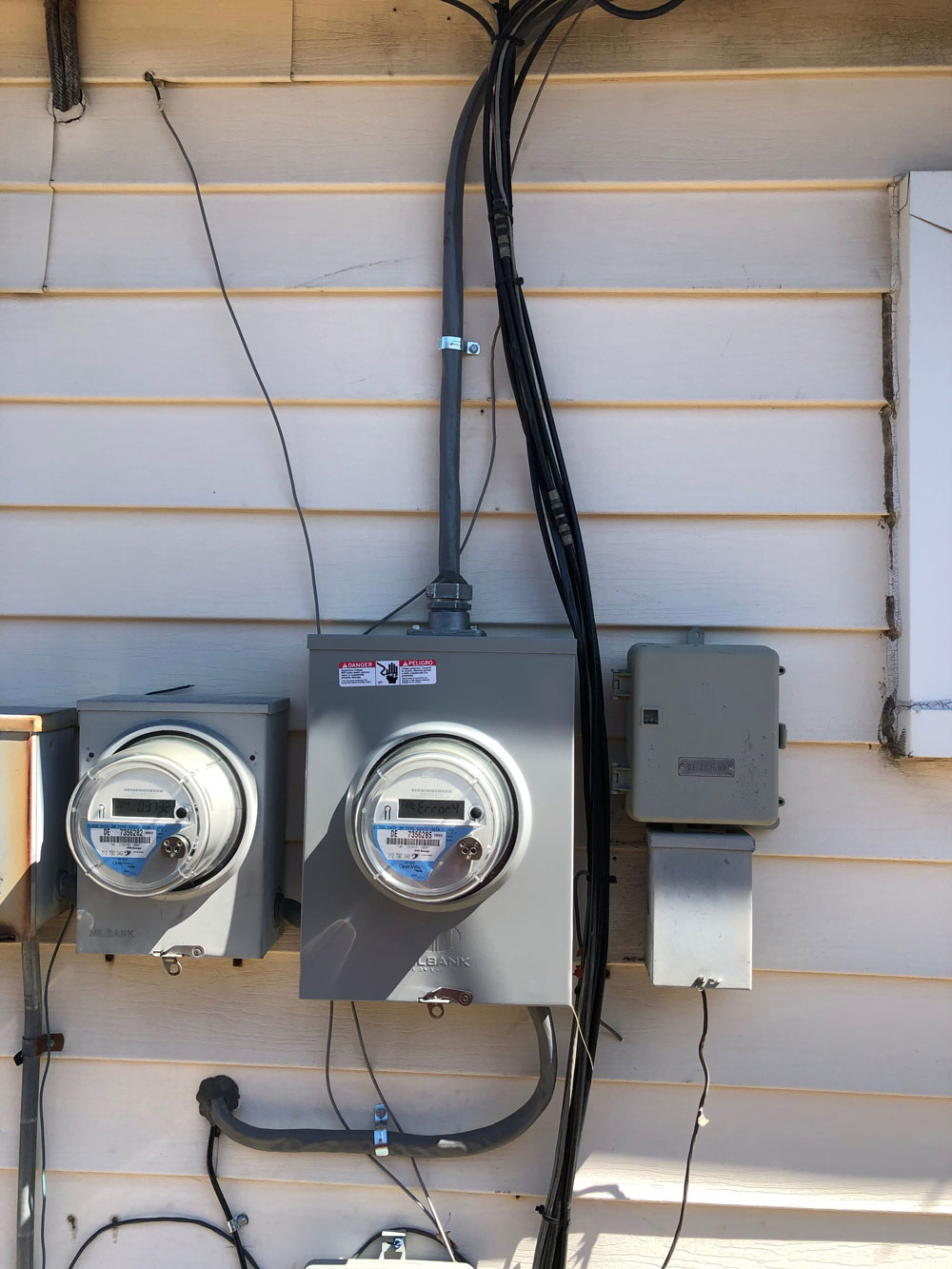
Existing electrical service is a central factor in commercial EV charger installation. An assessment typically reviews available capacity, panel space, the anticipated charging load, distance to parking spaces, pathway options, and the condition of existing equipment. It also identifies whether a project may require service changes, distribution upgrades, trenching, protective measures, or load-management strategies.
Parking layout matters just as much as electrical routing. Charging spaces should be positioned so cable reach, vehicle access, bollards, accessible parking considerations, and pedestrian movement can be evaluated before installation begins. Planning these details early helps a property avoid placing equipment where it creates conflicts or makes future maintenance harder.
Workplace charging should fit your policies and schedule
Workplace EV charger setup is most useful when equipment, electrical capacity, and employer policies work together. An organization can decide whether charging is employee-only, visitor-accessible, complimentary, scheduled, or managed through another approach. Clear rules about parking duration and charger sharing help prevent a valuable amenity from becoming a source of daily confusion.
For workplace sites, Level 2 charging is often a sensible starting point because many vehicles remain parked for hours. However, the number of ports should be based on expected demand rather than on a single early adopter. A phased plan can reserve pathways and electrical capacity for additional stations later, reducing disruption if participation grows.
Choose equipment and power levels with a long-term view
Commercial charging equipment is commonly discussed in terms of Level 2 and DC fast charging. Level 2 equipment is generally suited to longer dwell times and can serve many common workplace, multifamily, and destination-charging applications. DC fast charging provides substantially faster charging but usually demands more electrical infrastructure, a higher-capacity design, and a business case that supports its use.
The decision should be driven by driver behavior and site capability, not simply by the highest available charging speed. Higher output can be valuable for time-sensitive turnover, but it may add significant electrical and construction considerations. Lower-output or managed Level 2 installations can offer a more practical path for properties where vehicles stay parked for much of the day.
When dock-style equipment makes sense
EV charging dock installation can provide a defined, durable place for drivers to connect while keeping equipment organized within a parking area. The selected form factor should account for where vehicles park, cable management, mounting needs, protection from vehicle impact, and the desired user experience. A dock or pedestal arrangement may be appropriate when wall mounting is not practical or when chargers need to serve spaces away from a building.
Equipment placement should also leave room for access and service. A charger that is easy to reach but poorly protected can be vulnerable to vehicle contact, while a charger placed too far from the intended space may create cable hazards. The installation design should balance convenience, protection, and a clean parking-lot layout.
Understanding faster charging infrastructure
EV fast charger installation is a distinct project type because high-power DC equipment can place greater demands on a commercial electrical system. It is often considered for locations where drivers need meaningful charging in a shorter stop, or where vehicle operations have limited idle time. Project planning should examine utility coordination, available capacity, equipment specifications, civil work, site circulation, and the operating model before a fast-charging decision is made.
Fast charging is not automatically the right answer for every commercial property. A site with long parking durations may gain more usable access from several Level 2 ports than from one high-output unit. Comparing dwell time, expected utilization, upgrade requirements, and expansion goals gives owners a sounder basis for choosing between approaches.
What a commercial charging project typically involves
A commercial EV charging project moves from needs assessment to design, installation, and final readiness checks. The exact sequence changes with the property and equipment selected, but early coordination helps reduce avoidable redesigns. Executive Electric can discuss the electrical scope relevant to your proposed charging layout and project goals.
- Define the charging purpose. Identify the intended users, hours of access, likely parking duration, and desired number of charging spaces.
- Review the site. Consider service capacity, panels, routes from electrical equipment to parking, and physical placement constraints.
- Select a practical configuration. Compare Level 2 or DC fast charging, mounting options, network features, and a plan for future ports.
- Coordinate the installation scope. Electrical distribution, conduit, wiring, equipment mounting, protection, and related site work should be planned as one system.
- Prepare for operation. Confirm access policies, signage, user communications, maintenance responsibilities, and any required commissioning steps.
Permitting and inspection requirements can apply to commercial electrical work, and property owners should allow time for those steps in project scheduling. Equipment manufacturers, utilities, network providers, owners, and electrical professionals may all have roles depending on the project. Establishing who is responsible for each decision helps keep the installation process organized.
Public access requires operational planning
A Public EV charger installer should be considered as part of a broader customer-access strategy, not only as an equipment provider. Public or customer-facing stations may require decisions about hours, payment or access methods, signage, support expectations, parking enforcement, and how drivers will find and use the spaces. These operational choices affect the value of the station long after the electrical installation is complete.
Property owners should also consider whether publicly accessible charging fits their parking demand. Spaces dedicated to charging need rules that are understandable to both EV drivers and other visitors. When the intended use is limited to customers, tenants, or employees, access controls and site communication can help align charger availability with that purpose.
Questions to weigh before selecting an installation provider
Choosing a provider for commercial EV infrastructure should involve more than comparing a charger model or a preliminary price. The provider should be able to discuss the electrical scope in relation to your property, including current capacity, routing, equipment location, protective needs, and expansion planning. A productive initial conversation starts with accurate information about the site rather than assumptions about what a typical project looks like.
- What charging behavior are we trying to support: overnight, all-day, short-stay, or fleet turnaround?
- What does the current electrical system realistically support, and what upgrades may need evaluation?
- How many ports are needed now, and what should be prepared for a later phase?
- Where can equipment be installed without interfering with parking, traffic flow, or pedestrian paths?
- Who will set user rules, handle access, and maintain the operational side of the charging program?
For a project in Washington Township, MI, a clear scope can protect the property from surprises caused by hidden electrical limitations or incomplete site assumptions. Commercial EV charger installation should be approached as an integrated electrical and property-planning project, especially when the goal is to add chargers without limiting future options. Executive Electric’s Clinton Township, Michigan location provides a clear point of contact for discussing your project requirements.
Discuss your Washington Township charging project with Executive Electric
Whether you are considering a first charger, a workplace amenity, a customer-facing station, or a phased fleet plan, the next step is to define the property needs and electrical questions. Share the number of spaces you are considering, the vehicles or users you expect to serve, and any timing or access concerns. That information creates a more useful starting point than selecting equipment in isolation.
Executive Electric is located at 20504 Hall Rd, Clinton Township, MI 48038. For commercial EV charger installation planning related to Washington Township, Michigan, contact Executive Electric to discuss your site, charging goals, and the electrical considerations that may shape the project.
Frequently asked questions
What is commercial EV charger installation?
Commercial EV charger installation is the process of planning and installing EV charging equipment and the supporting electrical infrastructure at a business, multifamily, fleet, retail, or other nonresidential property. The scope may include electrical capacity review, distribution equipment, conduit and wiring, equipment mounting, protection, and operational planning for drivers.
Should a commercial property choose Level 2 or DC fast charging?
The right choice depends primarily on how long vehicles remain parked and what the electrical system can support. Level 2 charging often fits all-day workplace, multifamily, and destination parking. DC fast charging may suit short-stop or time-sensitive uses, but it commonly requires more substantial electrical infrastructure and planning.
Can a property add chargers in phases?
Yes. A phased approach can install the chargers needed now while considering conduit routes, panel capacity, equipment locations, and parking layout for later additions. Planning ahead can make a future expansion more orderly than treating each new charger as a separate, unrelated project.
Is Executive Electric physically located in Washington Township, MI?
Executive Electric’s supplied location is 20504 Hall Rd, Clinton Township, MI 48038. Washington Township, MI is the service-page geography for this commercial charging discussion, not a stated Executive Electric office location. Contact the company to discuss your specific property and project needs.