Commercial EV charger installation St. Clair Shores, MI
Businesses planning Commercial EV charger installation in St. Clair Shores, MI need more than a charging unit mounted on a wall. A successful project connects driver needs, parking layout, electrical capacity, equipment selection, and a practical plan for operating the stations after installation. Executive Electric is located at 20504 Hall Rd, Clinton Township, MI 48038, and is a contact point for businesses evaluating commercial charging infrastructure in the region.
Adding EV charging can help a property serve employees, customers, tenants, fleet drivers, or visitors who need dependable access while they work, shop, stay, or conduct business. The right approach starts by defining who will charge, how long vehicles typically park, and whether the organization needs a few AC stations, higher-output equipment, or a phased buildout. Those early decisions shape the electrical work and the long-term usefulness of the investment.
Plan the charging experience before selecting equipment
Commercial charging works best when the equipment matches the way people use the site. A workplace lot where vehicles remain parked for several hours usually has different needs than a customer-facing site with short visits or a fleet that must return to service quickly. Executive Electric can be contacted to discuss the project details that affect a commercial EV charging project in St. Clair Shores, Michigan.
Start with users, dwell time, and access rules
A clear user plan prevents a common mistake: buying charging equipment before deciding what the stations must accomplish. Management may want complimentary employee charging, tenant amenities, a customer benefit, controlled fleet access, or a public-facing charging program. Each model can affect connector placement, network features, payment options, signage, and the number of ports worth installing initially.
- Employees and tenants: Often benefit from Level 2 charging during longer parking periods.
- Customers and guests: Need visible, easy-to-access stations that fit the typical length of a visit.
- Company fleets: May require scheduled charging, load planning, and dependable overnight availability.
- Public users: May need clear access rules, station visibility, payment capability, and maintenance planning.
Workplace EV charger setup is most useful when an employer treats charging as part of the daily employee experience rather than as a standalone amenity. Planning should account for where employees park, whether access will be limited to staff, and how charging demand may grow as more drivers adopt EVs. A thoughtful design can reduce conflicts over spaces while making the benefit easier to manage.
Choose charging speed for the parking pattern
Charging speed is a business decision as much as an electrical one. Level 2 equipment is commonly suited to places where vehicles remain for hours, while direct-current fast charging is designed for substantially faster energy delivery when short turnaround is important. Higher output is not automatically better, because it can require more electrical capacity and may not fit the time drivers actually spend at the property.
EV fast charger installation deserves careful site evaluation before equipment is selected. Fast-charging projects can involve significant load requirements, equipment siting considerations, and coordination around the available electrical service. For a site with limited dwell time or operationally critical vehicles, the added capability may be appropriate; for all-day employee parking, Level 2 stations may be the more practical fit.
What a commercial charging project typically involves
Commercial EV charger installation is an electrical infrastructure project, not simply an equipment purchase. The process generally begins with a site and electrical assessment, then moves through design decisions, applicable approvals, installation, testing, and handoff. Discussing these stages upfront helps a business budget realistically and avoid disruptions created by late changes.
- Review the site: Identify intended parking spaces, travel paths, mounting options, electrical room access, and possible routing for conduit and conductors.
- Assess electrical demand: Evaluate the existing service and distribution equipment in relation to the proposed charging load and operational needs.
- Develop the layout: Determine charger locations, protection from vehicle impact where appropriate, accessibility considerations, signage, and future expansion paths.
- Coordinate approvals: Confirm the permitting and inspection requirements that apply to the project location and scope.
- Install and verify: Complete electrical work, mount and connect the equipment, test operation, and address the practical details needed for use.
An EV charging dock installation should consider both the charger itself and the physical environment around it. Cable reach, pedestal or wall mounting, parking-space geometry, conduit protection, and the chance of vehicle contact can all influence the final layout. Planning for a clean route from electrical equipment to the docks can also make future additions less disruptive.
Electrical capacity and load management deserve early attention
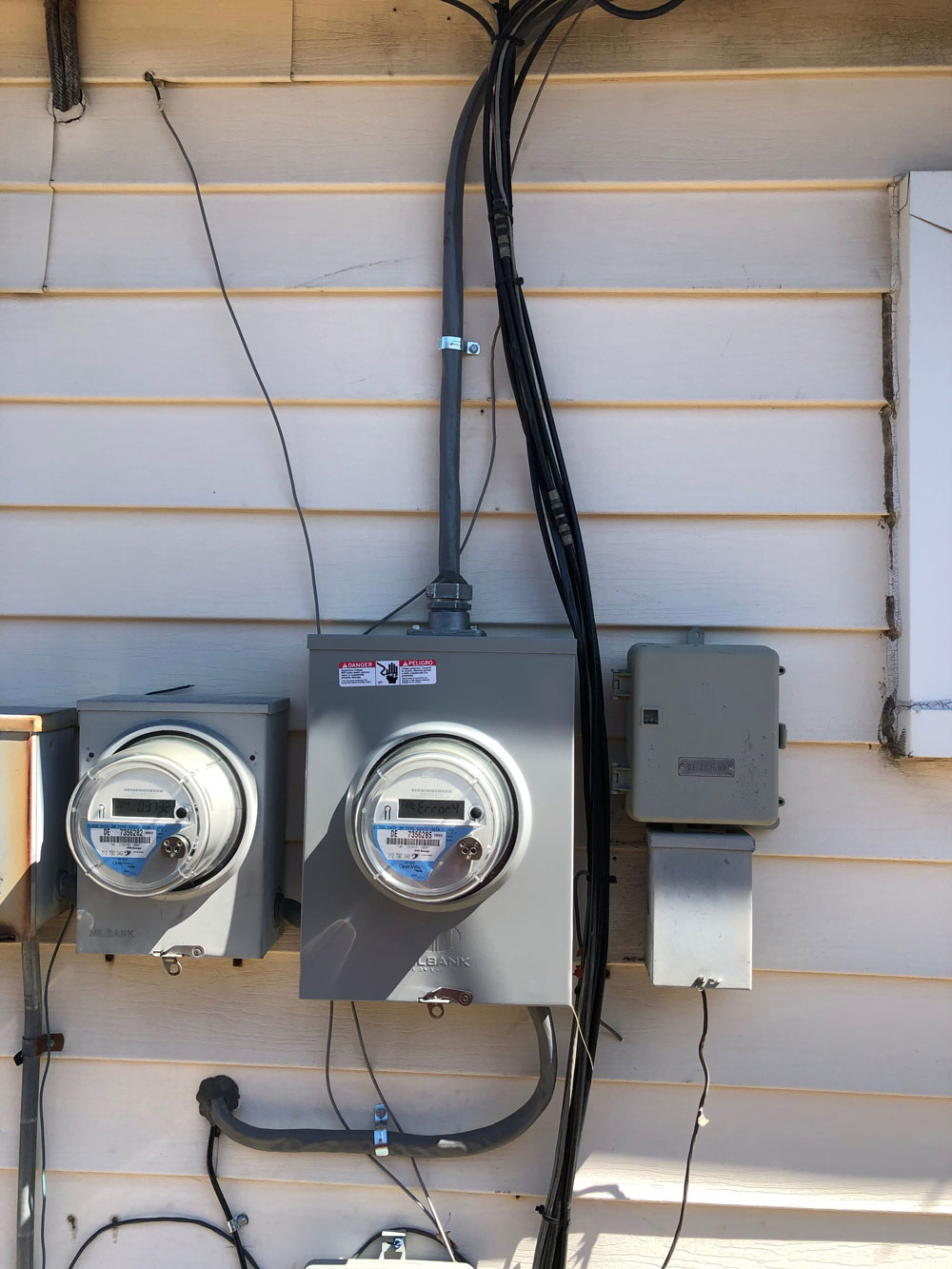
Electrical capacity is often the key technical question in a commercial charging project. Existing buildings may have enough available capacity for a modest installation, while other properties may require changes to distribution equipment or a staged approach. A professional assessment helps distinguish what the site can support today from what may be possible after electrical upgrades.
Load management can be a useful option when a property wants multiple charging ports without assuming every vehicle will draw maximum power at the same moment. Depending on the selected system and project design, charging power can be managed across connected stations to align with site constraints. This approach should be evaluated alongside actual demand, operating schedules, and plans for growth rather than treated as a one-size-fits-all answer.
When public, customer, and fleet charging differ
The best commercial EV charging solution depends on who controls access and how drivers use the parking area. A business may provide stations solely for its workforce, make them available to customers during business hours, reserve them for a fleet, or choose a public-access model. Those choices affect equipment features, operating policies, visibility, and the level of support the organization expects from the charging system.
A Public EV charger installer discussion should begin with access expectations and site operations. Public-facing stations may require a straightforward driver experience, durable placement, parking rules, and a plan for handling availability, pricing, or usage policies. Property owners should also consider whether public access supports their business goals or whether controlled access better protects capacity for employees, customers, or fleet vehicles.
- Controlled workplace charging can prioritize employee access and predictable daily use.
- Customer charging can add convenience where guests have time to park during a visit.
- Fleet charging can be aligned with dispatch, return-to-base, and overnight operating schedules.
- Public charging can broaden access but requires deliberate decisions about access, parking enforcement, and station operation.
Build for growth without overbuilding today
Many organizations expect EV demand to increase, but that does not mean every parking space needs a charger in the first phase. A sensible expansion strategy can reserve space, plan conduit pathways, or consider electrical provisions that make later additions easier. The first installation should meet a current need while leaving room for informed growth as employee, customer, tenant, or fleet demand changes.
Ask practical questions before committing to a scope: How many vehicles need to charge on a typical day? How long are they parked? Which users receive priority? Is the site’s electrical capacity sufficient for the desired output? What future construction would be difficult if pathways are not planned now? Clear answers make equipment and installation decisions more defensible.
Why contact Executive Electric for a St. Clair Shores project?
Executive Electric provides a straightforward point of contact for organizations considering commercial charger infrastructure near St. Clair Shores, MI. The company location is 20504 Hall Rd, Clinton Township, Michigan 48038, not St. Clair Shores, so businesses can discuss their project needs without assuming an office is located in the target city. Sharing the property type, approximate number of spaces, intended users, and desired timeline gives the conversation a useful starting point.
Before contacting a provider, gather any available electrical drawings, recent utility or facility information, photos of the proposed parking area, and a simple description of how charging will be used. These details can clarify whether the priority is employee retention, guest convenience, tenant service, fleet readiness, or a public amenity. They also help frame questions about equipment type, electrical upgrades, permitting, layout, and future expansion.
Frequently asked questions
How long does commercial EV charger installation take?
Timing depends on the site, electrical capacity, equipment selection, permit requirements, and the complexity of conduit routing. A straightforward installation may involve fewer steps than a project requiring service changes, distribution upgrades, or multiple charging areas. Planning early helps identify the factors that influence the schedule before equipment and construction decisions are finalized.
Is Level 2 or DC fast charging better for a business?
Neither is universally better. Level 2 charging generally fits vehicles parked for hours, such as employee, tenant, or overnight fleet parking. DC fast charging may fit short-stay customer locations or operations needing rapid turnaround, but it can require greater electrical capacity and a more substantial project scope.
Can a property add more chargers later?
Yes, expansion can often be easier when the initial design accounts for future parking locations, conduit routes, panel capacity, and equipment placement. A phased approach lets a business address current charging demand while preserving options for later growth. The feasibility of expansion still depends on the building’s electrical infrastructure and the final project design.
Is Executive Electric located in St. Clair Shores?
Executive Electric’s supplied location is 20504 Hall Rd, Clinton Township, MI 48038. Executive Electric can be contacted about Commercial EV charger installation for properties in and around St. Clair Shores, Michigan; the page does not represent the Clinton Township address as a St. Clair Shores office.
Discuss your commercial charging plans
Whether you are comparing Level 2 stations with fast charging, planning a fleet-ready site, or exploring a first set of employee chargers, a focused conversation can clarify the next steps. Contact Executive Electric to discuss Commercial EV charger installation needs for your St. Clair Shores, MI property and share the details that matter most, including parking use, electrical conditions, and anticipated growth. Reach Executive Electric at 20504 Hall Rd, Clinton Township, MI 48038 through the contact page.