Commercial EV charger installation Romeo, MI
Commercial EV charger installation in Romeo, MI gives businesses, property owners, and fleet operators a practical way to support electric driving where people work, shop, stay, or park. The right system is more than a charger mounted on a wall: it is an electrical project that must fit the site’s available capacity, parking layout, anticipated users, and operational goals. Executive Electric is located at 20504 Hall Rd, Clinton Township, MI 48038, and can be contacted to discuss the requirements of a commercial charging project in the Romeo area.
A well-planned charging installation can make a property more useful to employees, visitors, tenants, or vehicles that return to a central location each day. It can also help a business prepare for changing transportation needs without selecting equipment that exceeds current demand or overwhelms the electrical service. The most useful first step is identifying who will charge, how long vehicles will be parked, and what level of charging the property can reasonably support.
Build a charging plan around the way your property operates
Commercial charging works best when the equipment, electrical infrastructure, and parking rules are planned together. A workplace with cars parked for most of the day may have different needs than a customer-facing site with shorter visits or a fleet that must return to service quickly. Before equipment is selected, Executive Electric can help frame the electrical and installation considerations that shape a workable scope.
Start with users, dwell time, and charging goals
Daily use patterns determine whether fewer chargers with longer charging windows or higher-output equipment makes more sense. Employee parking, apartment or condominium facilities, retail lots, hospitality properties, municipal parking areas, and delivery fleets can all have different demand profiles. Thinking through access, likely peak periods, payment or authorization preferences, and future vehicle adoption helps avoid treating every parking space as though it has the same requirement.
- Employee and tenant charging: Often aligns with longer parking periods and predictable access rules.
- Customer and visitor charging: Requires clear parking placement, simple user access, and consideration of turnover.
- Fleet charging: Depends on route schedules, vehicle battery needs, overnight dwell time, and operational readiness.
- Future expansion: May influence conduit routes, panel planning, equipment locations, and site layout today.
For an organization considering Commercial EV charger installation, the central question is not simply how many ports to install. The better question is how the charging system will serve the property’s actual users while remaining manageable for the electrical service and site operations. Establishing that purpose early gives the project a clearer basis for equipment, infrastructure, and budget decisions.
Evaluate electrical capacity before choosing equipment
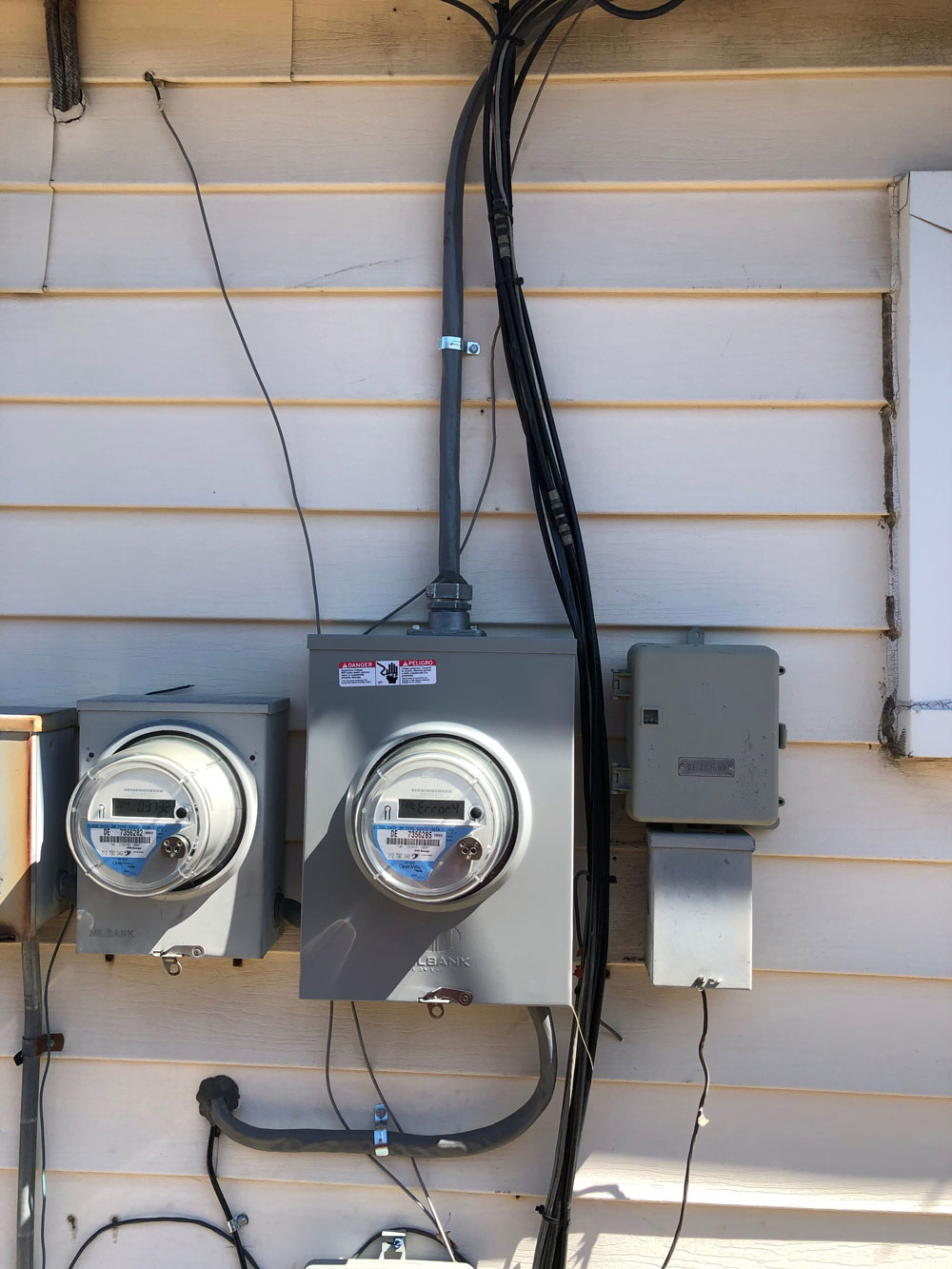
An existing service and distribution system must be reviewed before a commercial EV charging station is specified. The evaluation may include available panel capacity, existing loads, feeder paths, transformer considerations, distance from the electrical source, and whether upgrades could be needed. Charging equipment output affects both the user experience and the load the building must accommodate, so it should be matched to the site rather than selected by charging speed alone.
Load management can be an important planning tool when a property cannot or does not need to supply maximum power to every port at the same time. Depending on the selected equipment and project design, charging output may be managed across connected units to align with available capacity. Discussing future expansion during the initial review can also make it easier to plan conduit and electrical pathways that reduce disruption if more chargers are added later.
Choose a commercial charging approach that fits the site
Commercial EV charging equipment is commonly discussed in terms of Level 2 charging and DC fast charging. Level 2 is often suited to longer parking periods, while DC fast charging is intended for substantially faster charging where electrical infrastructure, user needs, and operating objectives support it. Neither approach is automatically right for every Romeo, Michigan property.
Workplace charging should support the workday, not interrupt it
Workplace EV charger setup is a practical option for employers that want to offer charging during normal work hours or for facilities where staff vehicles remain parked for extended periods. Planning should account for the number of potential users, parking assignments, signage, cable reach, accessibility considerations, and how the business will handle spaces after a vehicle has finished charging. A right-sized workplace system can support an employee amenity while avoiding unnecessary complexity in the parking area.
It is also useful to decide how charging access will be managed before installation begins. Some organizations want chargers reserved for staff, while others may need a system that accommodates visitors or multiple tenant groups. The selected equipment may offer different access-control, monitoring, or payment capabilities, so the intended operating policy should guide the equipment conversation instead of being treated as an afterthought.
Public-facing charging requires attention to access and turnover
A Public EV charger installer can help a property owner think through the physical and electrical work involved in making charging available to guests, customers, or other approved users. Public-facing installations benefit from visible placement, durable parking-lot planning, clear signs, and an approach to cable management that keeps the area orderly. The owner should also consider who is authorized to use the chargers, what charging duration is appropriate, and how spaces will be kept available for charging rather than general parking.
Public access does not necessarily mean every commercial site needs the highest charging output. A restaurant, office-adjacent lot, lodging property, or destination business may have different visitor dwell times and different reasons for adding charging. Evaluating how long vehicles are likely to remain on site helps distinguish a useful amenity from an overbuilt system that does not match the property’s normal traffic pattern.
Understand dock placement and fast-charging tradeoffs
EV charging dock installation involves more than selecting a pedestal or wall-mounted unit. The installation location must account for vehicle parking orientation, cable reach, bollards or other protective measures where appropriate, trenching or surface restoration needs, and a route back to the electrical source. Thoughtful placement can make chargers easier to use while reducing conflicts with traffic flow, doors, sidewalks, snow removal, and routine property maintenance.
EV fast charger installation is generally considered when drivers need a shorter charging stop and the site can support the associated electrical demands. DC fast charging can be a strong fit for certain public, corridor, or fleet applications, but it may require more substantial electrical planning than lower-output AC charging. A project discussion should compare desired charging speed with utility and service capacity, installation complexity, expected utilization, and the practical time vehicles will remain parked.
What to expect from a commercial installation project
A commercial electrical vehicle charging project usually moves from site assessment to design decisions, approvals, installation, inspection, and commissioning. The exact scope depends on the property and selected equipment, but an organized process reduces surprises around electrical pathways, parking impacts, and the need to coordinate with building operations. Early communication is especially valuable when work may affect tenants, employees, customers, or fleet schedules.
- Discuss the property’s goals: Identify intended users, charging windows, desired number of ports, and plans for growth.
- Review the site: Assess electrical infrastructure, charger locations, routing options, parking layout, and physical constraints.
- Develop the installation scope: Align equipment needs with the electrical work, protective features, and site restoration considerations.
- Coordinate approvals and installation: Address applicable permitting and inspection requirements, then complete the electrical and equipment work.
- Commission and orient the owner: Confirm that the installed system is ready for intended use and that the owner understands basic operation.
Permitting and inspection requirements can vary by jurisdiction and project details. Commercial property owners should avoid assuming that a charger can be connected to any nearby panel without a load review, permits, or code-compliant installation practices. A professional conversation before purchase can help clarify what needs to be evaluated and prevent equipment from being selected before the site is ready for it.
Questions that help compare project approaches
When evaluating a commercial charging project, focus on the information that affects long-term usefulness rather than only the initial equipment price. Ask how the proposed charger output fits typical parking duration, what electrical upgrades may be involved, where conduit will run, and how future chargers could be added. It is also reasonable to ask about parking protection, access management, equipment compatibility, local approvals, and the expected effect of installation work on normal operations.
Executive Electric can be a relevant contact when a Romeo, MI property needs a grounded discussion of commercial electrical charging requirements. The company’s listed location is 20504 Hall Rd, Clinton Township, MI 48038, not Romeo, so the address should be considered separately from the service area named on this page. Clear project information, including photos or plans when available, the number of spaces under consideration, and the property’s charging goals can make an initial conversation more productive.
Frequently asked questions about commercial charging
How do I know whether Level 2 or DC fast charging is right for my commercial property?
Choose based on vehicle dwell time, expected daily use, available electrical capacity, and operating goals. Level 2 commonly fits workplaces and longer stays, while DC fast charging may suit time-sensitive public or fleet uses. A site review helps identify whether the electrical infrastructure supports the desired charging output.
Can a commercial charger be installed without upgrading the building electrical service?
Sometimes, but it depends on the existing service capacity, current building loads, selected chargers, and proposed number of ports. A load evaluation is needed before making that assumption. Load management or a phased installation may be considered in some projects, but the appropriate approach depends on the specific site.
What should be considered when placing chargers in a parking lot?
Placement should support safe vehicle access, cable reach, visibility, protection from vehicle contact, accessible paths, and a practical route for electrical conduit. The location should also work with the property’s traffic flow and maintenance needs. Proper placement can reduce user confusion and limit disruption to ordinary parking operations.
Is Executive Electric physically located in Romeo, Michigan?
Executive Electric’s provided business location is 20504 Hall Rd, Clinton Township, MI 48038. This page addresses Commercial EV charger installation for customers considering a project in Romeo, MI. Contact Executive Electric to discuss the property, charging goals, and whether the project’s scope can be evaluated.
Ready to move from a general idea to a practical charging plan? Contact Executive Electric to discuss Commercial EV charger installation for your Romeo, Michigan property. Share the intended use, parking configuration, and any known electrical details so the conversation can focus on the equipment and installation approach that fits your site.