Commercial EV charger installation Rochester, MI
Commercial EV charger installation in Rochester, MI helps organizations give employees, customers, residents, fleet drivers, and visitors a practical place to charge while they work, shop, live, or conduct business. A successful project is more than mounting a charging unit. It starts with understanding how people will use the stations, what the existing electrical system can support, and how the site can be prepared for safe, convenient daily operation.
Executive Electric is located at 20504 Hall Rd, Clinton Township, MI 48038. For Rochester property owners and decision-makers considering electric vehicle charging infrastructure, Executive Electric provides a direct point of contact for discussing project requirements, site conditions, and the next steps for a commercial charging plan in Michigan.
Plan charging around how your Rochester property operates
The right commercial charging approach depends on dwell time, driver demand, parking layout, available electrical capacity, and the business purpose of the installation. A workplace with cars parked for most of a shift generally has different needs than a public-facing location where drivers may want a faster stop. Defining the use case before selecting equipment can reduce costly changes later.
Commercial EV charging can fit a wide range of properties, including office buildings, retail centers, multifamily housing, municipal or community facilities, hospitality sites, warehouses, and fleet yards. Some organizations install stations as an employee amenity, while others want to serve customers, support electric fleet vehicles, or make a property more appealing to tenants. The best configuration is the one that aligns charging access with the people expected to use it.
- Employee and tenant charging: Convenient access during longer parking periods.
- Customer and visitor charging: An added on-site service for people spending time at the property.
- Fleet charging: A planned energy supply for vehicles that return to a defined location.
- Future-ready parking: Raceway, panel capacity, and space planning that can make later expansion more manageable.
Workplace charging should match employee schedules
Workplace EV charger setup is most useful when the station location, access rules, and charging speed reflect the workday. Employees who park for several hours may be well served by Level 2 charging, while a small number of shared stations can require a clear policy for parking, time limits, or vehicle rotation. Management should also decide whether charging is offered at no cost, managed through a network, or reserved for designated users before equipment is selected.
For an office, medical facility, professional building, or industrial workplace, charging stations should be placed where drivers can access them without disrupting deliveries, accessible parking requirements, pedestrian routes, or normal traffic flow. Planning for signage, bollards where appropriate, cable reach, and parking-space striping supports a cleaner experience after the electrical work is complete. Thoughtful workplace charging can make a practical amenity easier to manage rather than creating a recurring parking conflict.
Public access requires a different operating plan
A Public EV charger installer should be considered when a property owner wants stations available to customers, visitors, or the wider driving public. Public-facing charging requires decisions about visibility, hours of access, payment options, station networking, customer support expectations, and how the property will communicate parking rules. The owner should also consider whether the chargers are intended to attract longer visits or provide a quicker stop.
Retail, dining, lodging, and destination properties often benefit from matching charging time to the normal length of a visit. A charger that is too slow for the intended user may cause frustration, while a higher-powered option may involve greater electrical infrastructure needs. Clear expectations about access and parking help protect the investment and give drivers a more predictable experience.
What commercial EV charger installation typically involves
Commercial EV charger installation is a coordinated electrical and site-planning project. The process typically includes evaluating the electrical service, identifying a feasible route for feeders or branch circuits, selecting charger locations, and determining what permitting or utility coordination may apply. Executive Electric can be contacted to discuss the information needed for an informed project conversation.
- Define the goal: Identify who will charge, how many vehicles may need access, and whether the project is for employees, customers, residents, visitors, or a fleet.
- Review the site: Consider parking geometry, electrical room or panel location, service capacity, trenching or conduit paths, and protection from vehicle traffic.
- Select the charging approach: Compare charging levels, connector compatibility, network features, access controls, and the potential need for phased expansion.
- Coordinate approvals: Account for applicable permits, inspections, property approvals, and any needed utility discussions before installation proceeds.
- Install and prepare for operation: Complete electrical work, place equipment, test the system, and establish site rules so users understand where and how charging is available.
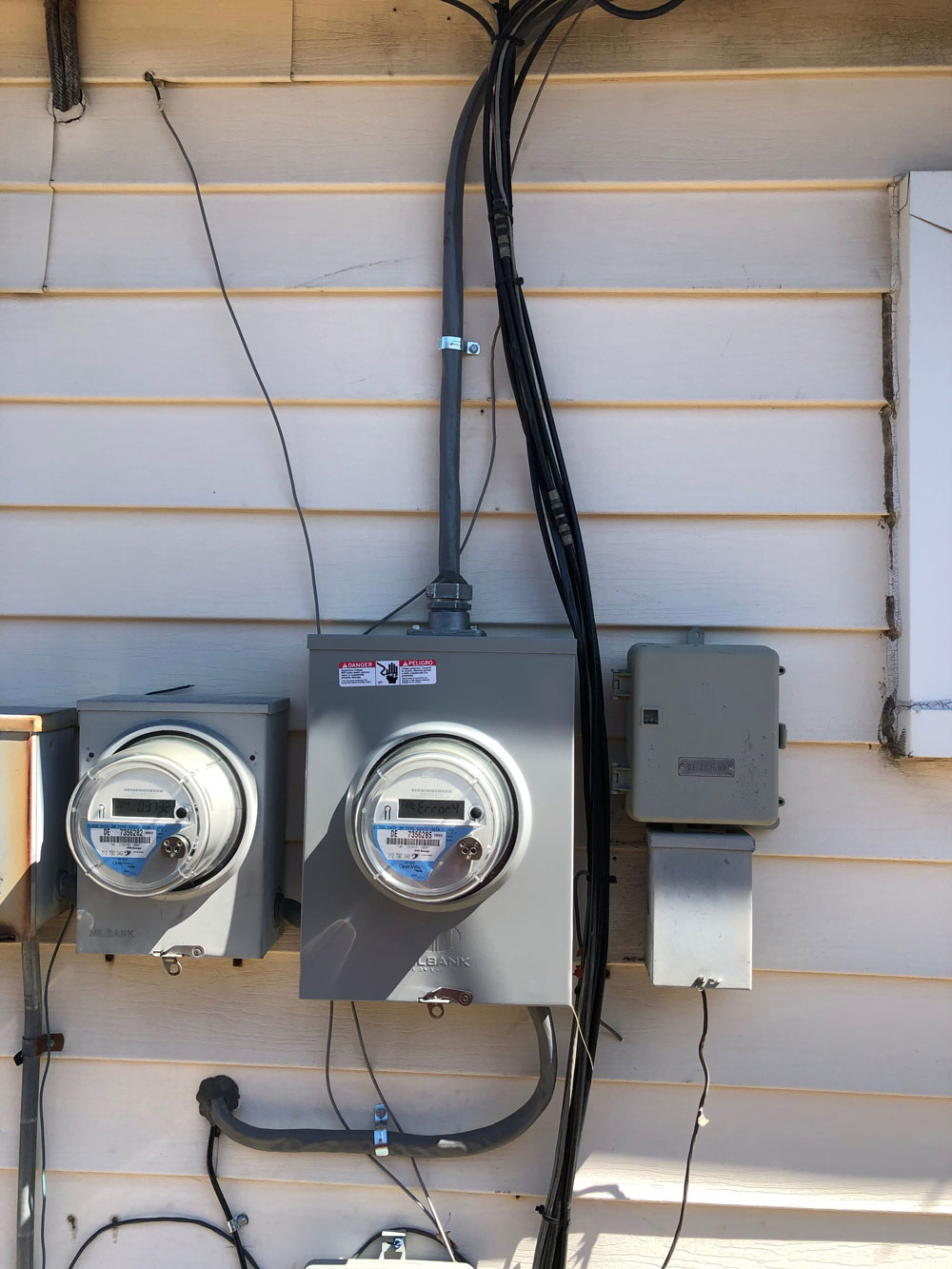
An early electrical assessment matters because the charger is only one part of the system. Existing panel capacity, transformer capacity, distance from the electrical source, load calculations, and the number of stations all affect the overall design. In some cases, load management or a phased rollout may be worth evaluating so a property can add charging access without overbuilding on day one.
Equipment placement affects reliability and user experience
EV charging dock installation includes more than choosing an open parking space. The dock or pedestal must be positioned so its cable reaches the vehicle comfortably, users can park safely, and the equipment is protected from avoidable impact or obstruction. A placement plan should account for accessible routes, drainage, curbs, lighting considerations, and the practical path for electrical conduit.
Property owners should think about expansion while the site is being evaluated. Reserving room at electrical equipment, planning conduit pathways, or designing parking layouts with future stations in mind may be helpful even when the first phase includes only a limited number of chargers. This type of planning can support a more orderly buildout as EV adoption changes among employees, tenants, customers, or fleet operators.
Choosing between Level 2 and faster charging
Level 2 charging and DC fast charging solve different business problems. Level 2 equipment is often appropriate where vehicles remain parked for hours, such as workplaces, apartments, hotels, and longer customer visits. DC fast charging is designed for shorter dwell times, but it commonly requires greater electrical capacity, more complex infrastructure planning, and a larger commitment to site design.
EV fast charger installation may be a fit for a property that expects drivers to need substantial charging during relatively short stops. Before pursuing fast charging, owners should evaluate demand, utility capacity, equipment requirements, parking turnover, and whether the site can support the necessary electrical service. Fast charging is not automatically the best choice simply because it delivers energy more quickly; the best choice is the one that fits the property’s use pattern and available infrastructure.
- Choose Level 2 when vehicles normally park for extended periods and steady charging is sufficient.
- Consider DC fast charging when the business model or visitor pattern calls for a faster charge during a shorter stay.
- Consider managed charging when multiple chargers may operate at once and electrical demand needs to be controlled.
- Plan for scalability when vehicle adoption may increase but immediate demand does not justify a full buildout.
Equipment features also deserve attention. Depending on the project, a property owner may want network connectivity, user authentication, payment capability, energy reporting, remote monitoring, or access control. These features affect how charging is administered after installation, so they should be considered as operational decisions, not just product specifications.
Questions to settle before requesting a commercial charging project
A clear project brief helps an electrical contractor understand the objective and identify the areas that require closer review. Property owners do not need every answer before making contact, but knowing the intended users and likely timeline creates a more productive first conversation. It also helps distinguish immediate needs from longer-term infrastructure goals.
- How many charging spaces are needed now, and how many may be needed later?
- Will the stations be private, employee-only, tenant-only, customer-facing, or publicly accessible?
- How long do vehicles usually remain parked at the site?
- Where are the electrical service, panels, and practical routes to the parking area?
- Does the property need charging data, payment processing, access controls, or signage?
- Who will set parking and charging-use rules after the stations are active?
Commercial property stakeholders may include owners, facility managers, tenants, operations leaders, IT teams, and fleet managers. Bringing the relevant decision-makers into the planning stage can prevent operational details from being missed, especially when the project involves access policies, payment handling, shared parking, or a future expansion strategy. A well-defined plan supports an installation that is easier to use and maintain in the context of everyday business activity.
Why contact Executive Electric for Rochester charging planning
Executive Electric offers Rochester, MI organizations a local-service contact for discussing commercial EV charging needs without representing Rochester as a company office. The company location provided is 20504 Hall Rd, Clinton Township, MI 48038. Sharing the property type, parking layout, intended users, and desired charging experience can help frame the initial discussion around the actual project rather than a one-size-fits-all equipment choice.
A commercial EV charging project has lasting implications for electrical capacity, parking operations, driver experience, and future growth. Whether a Michigan business is evaluating a few employee chargers, resident charging infrastructure, public access, or a fleet-focused design, starting with the intended use helps create a more practical path forward. Executive Electric can be contacted to discuss Commercial EV charger installation for a Rochester-area property and the information needed to begin planning.
Ready to move from an EV charging idea to a site-specific conversation? Contact Executive Electric to discuss your Rochester, MI commercial charging goals. Reach Executive Electric at 20504 Hall Rd, Clinton Township, MI 48038 to share your property details, anticipated users, and preferred next steps.
Commercial EV charging questions
What is commercial EV charger installation?
Commercial EV charger installation is the process of planning, supplying electrical infrastructure for, and placing EV charging equipment at a business, multifamily, public, or fleet property. It includes evaluating electrical capacity, parking layout, equipment type, permitting needs, and how drivers will access and use the stations.
Is Level 2 or DC fast charging better for a Rochester commercial property?
Neither option is universally better. Level 2 charging generally suits locations where vehicles park for several hours, while DC fast charging suits shorter stops that require faster energy delivery. The right option depends on dwell time, expected demand, electrical capacity, operational goals, and the cost and complexity of supporting the equipment.
Can a commercial property install a few chargers now and add more later?
Yes, phased planning may be practical when current demand is limited but future EV use is expected. Evaluating panel space, service capacity, conduit routes, and parking layout at the first stage can help a property prepare for later additions. The feasibility of expansion depends on the specific electrical system and site conditions.
Is Executive Electric physically located in Rochester, Michigan?
No Rochester office location is provided. Executive Electric is located at 20504 Hall Rd, Clinton Township, MI 48038. Rochester-area property owners can contact Executive Electric to discuss Commercial EV charger installation requirements, intended charging use, site details, and the next planning steps.