Commercial EV charger installation Lake Orion, MI
Businesses considering electric vehicle charging need more than a wall-mounted unit. They need a practical plan for electrical capacity, charger use, access, and long-term operation. Executive Electric can be contacted about Commercial EV charger installation for Lake Orion, MI, with its listed location at 20504 Hall Rd, Clinton Township, MI 48038.
Whether the goal is to support employees, welcome customers, serve tenants, or prepare a fleet for electrification, a professionally planned charging system helps turn that goal into usable infrastructure. The right approach accounts for how many vehicles may charge at once, when demand is highest, and whether the site can expand later. A charging project should fit the property and the people who will use it.
Build charging around the way your property operates
Commercial charging is an electrical infrastructure project with a user experience attached. A retail center, office building, apartment community, municipal property, and fleet yard can all benefit from EV charging, but they do not have the same dwell times, parking layouts, or electrical loads. Defining the intended use before selecting equipment prevents an oversized, undersized, or poorly placed system.
Choose the charging level for real parking behavior
Level 2 charging is often a practical fit where vehicles remain parked for several hours, such as workplaces, multifamily properties, and destinations where visitors spend meaningful time. Direct-current fast charging can deliver energy more quickly, but it generally calls for greater electrical capacity, more extensive equipment planning, and a different business case. The best choice is not automatically the fastest charger, it is the one aligned with vehicle turnover, available service, and the charging experience the property intends to provide.
For projects centered on shorter stops or fleet turnaround, EV fast charger installation deserves early electrical review. Fast-charging equipment may change the size of the electrical service, distribution equipment, conduit pathways, and the project timeline. Evaluating those needs before finalizing parking layouts or equipment choices gives a business clearer expectations about scope and future capacity.
Plan for users, access, and future growth
Charging equipment should be located where drivers can park without creating avoidable circulation or safety issues. Consider cable reach, accessible parking requirements, lighting, protective bollards where appropriate, weather exposure, signage, and how drivers will know whether a station is available. A well-considered site plan also leaves room for additional circuits or chargers if EV adoption grows.
- Employees who park for most of the workday may benefit from managed Level 2 charging.
- Customers or visitors may need clearly marked spaces and simple access instructions.
- Apartment and condominium properties should consider resident allocation, billing, and parking turnover.
- Fleets should match charging windows to route schedules, vehicle battery needs, and depot operations.
- New construction and renovations can benefit from planning conduit and electrical capacity before finishes are complete.
What a commercial charging project typically involves
A thoughtful commercial EV charger installation starts with site information, not a one-size-fits-all product recommendation. The electrical system, panel capacity, parking configuration, trenching or conduit routes, and desired charger count all influence the design. Executive Electric can use the initial conversation to understand the property objective and the information needed to define an appropriate electrical scope.
Start with a site and load assessment
Existing electrical demand matters because chargers add load to a building or property system. An assessment may consider the incoming service, main equipment, available panel space, circuit routing, and other large loads that operate at the site. Where capacity is limited, options may include electrical upgrades, load management strategies, phased deployment, or a revised charger mix.
EV charging dock installation includes more than mounting a charging device. It involves supplying the correct circuit and overcurrent protection, routing wiring safely, securing equipment, and addressing the physical conditions around the parking space. Considering dock placement alongside conduit length, vehicle approach, cable management, and protection from impact can reduce costly adjustments after work begins.
Coordinate design, equipment, and installation details
Commercial EVSE, or electric vehicle supply equipment, differs in connector configuration, power output, network features, payment options, and access controls. Some organizations want simple staff-only access. Others may prefer driver authentication, utilization data, pricing controls, or public availability. Equipment selection should follow operational needs rather than lead the decision.
- Identify the users, charging duration, number of ports, and whether access is private or public.
- Review the property electrical system and possible routes from electrical equipment to parking spaces.
- Select a charger type and plan locations with circulation, cable reach, visibility, and expansion in mind.
- Develop the installation scope, including electrical upgrades or civil work when the site requires them.
- Complete installation, required inspection steps, commissioning, and a clear handoff for the owner or facilities team.
Permitting and inspection requirements can vary by jurisdiction and project scope in Michigan. A commercial owner should ask early which approvals, utility coordination, drawings, or product documentation may be needed. Building those steps into the schedule is more reliable than treating them as an afterthought once equipment has arrived.
Charging solutions for workplaces, public destinations, and fleets
Different commercial properties use charging as an employee amenity, a customer convenience, a tenant retention feature, or an operating tool. Clarifying that purpose helps determine the right balance of power, port count, access control, and budget. It also helps a property owner avoid assuming every charger must serve every type of driver in the same way.
Support employees without disrupting the workday
Workplace EV charger setup can give employees a dependable place to charge while their vehicles are parked during regular shifts. Before moving forward, employers can establish who may use the chargers, whether charging is shared or scheduled, how spaces will be monitored, and whether the organization wants usage data or reimbursement capabilities. Those operating decisions inform equipment and electrical planning, while clear parking policies help ensure the amenity remains useful.
Workplace charging can be especially appropriate when staff vehicles remain on site for several hours. Rather than seeking maximum charging speed at every port, an employer may prioritize enough ports to serve expected demand over the full day. Load management may be worth discussing when several chargers share a finite electrical capacity and simultaneous peak demand is a concern.
Make public-facing charging easy to understand
A Public EV charger installer should help a property owner think through driver access as well as electrical installation. Public or customer-facing chargers may require clear visibility, intuitive parking layout, reliable directional signage, and decisions about hours of use, fees, and network access. For a destination business, the charger experience should support the property rather than create confusion over where drivers may park or how they begin a session.
Public access is not the only model. A business can restrict chargers to guests, employees, residents, or fleet personnel when that better serves its goals. Comparing private and public operation upfront is useful because it affects equipment features, management expectations, security considerations, and the way the organization communicates charger availability.
Questions to ask before selecting an installer
Commercial property owners should compare proposals by scope, not only by the visible charger model. A useful discussion identifies what is included from the electrical source through the final parking space, plus the assumptions behind that scope. Clear answers reduce the chance that service upgrades, long conduit runs, parking-area restoration, or management features become surprises later.
- What charging level and number of ports fit our parking duration and expected use?
- Can the present electrical system support the planned load, and what alternatives exist if it cannot?
- What equipment features are necessary for access control, payment, monitoring, or future expansion?
- What site work, protective equipment, signage, permits, inspections, or utility coordination may be required?
- How will users receive instructions after the chargers are commissioned?
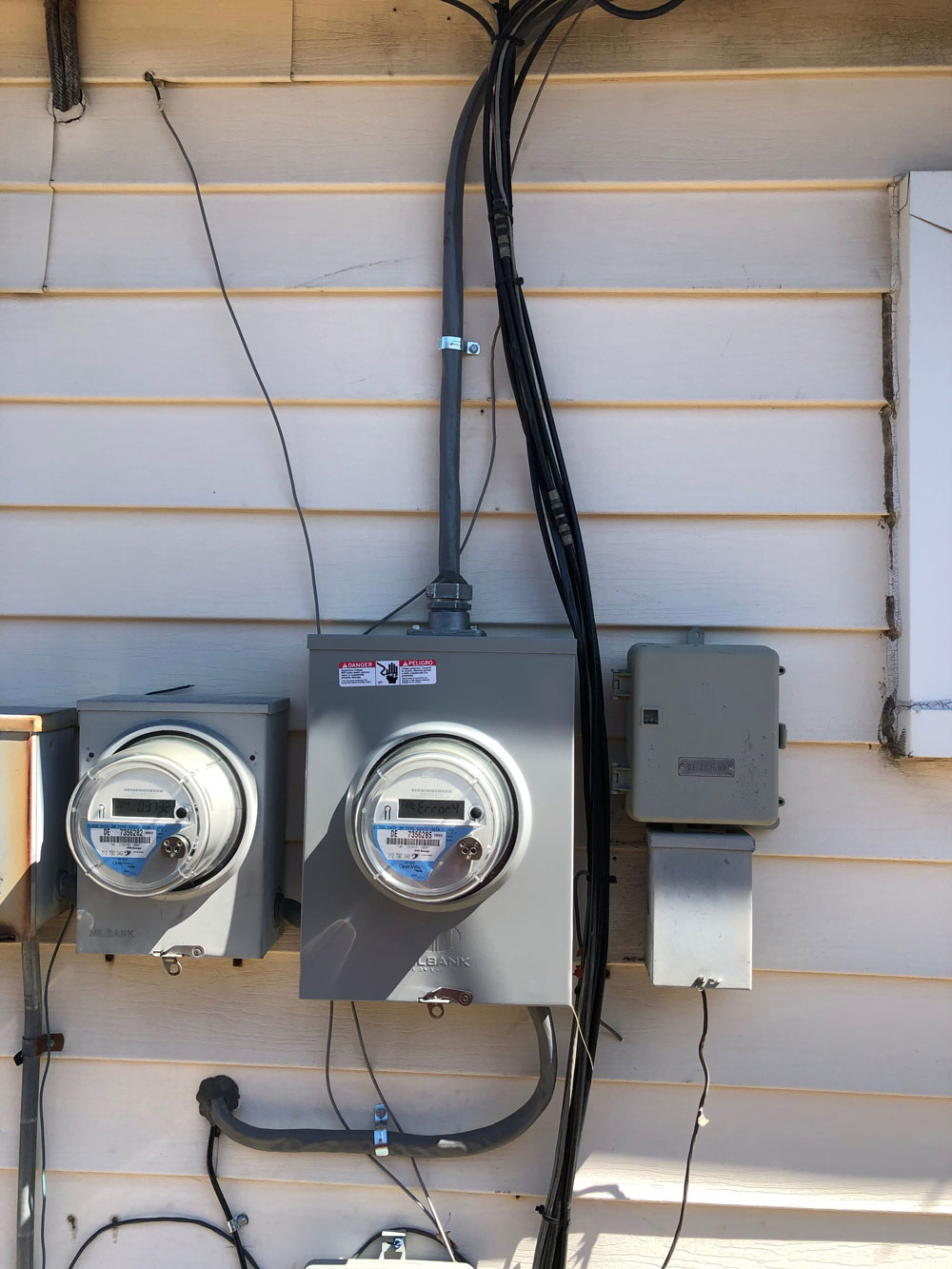
Executive Electric is a relevant contact when a Lake Orion business needs to translate these questions into an electrical project. Sharing photos of the proposed parking area, existing electrical equipment details, expected user count, and a preliminary equipment preference can make the initial conversation more productive. If those details are not yet known, beginning with the property goal and operational concerns is still a useful first step.
Frequently asked questions
How long does commercial EV charger installation take?
Timing depends on the site, charger type, electrical capacity, equipment availability, required permits, and any utility or civil work. A straightforward installation may have fewer steps than a project requiring a service upgrade, trenching, multiple chargers, or fast-charging infrastructure. A site review helps define the likely sequence and schedule.
Do all commercial properties need DC fast chargers?
No. Level 2 chargers are often a better fit when vehicles stay parked for hours, including employee, resident, and destination parking. DC fast chargers are most appropriate when rapid turnover or fleet charging needs justify their higher electrical and infrastructure requirements. The property’s dwell time and electrical capacity should guide the choice.
Can a Lake Orion, MI business add chargers in phases?
Yes, phased planning can be practical when demand is expected to grow over time. A property can evaluate present needs while considering conduit routes, panel capacity, and parking locations that support later expansion. Planning ahead may reduce disruption when additional EV charging stations are added in the future.
What information should I have ready before contacting Executive Electric?
Bring the property address, intended users, estimated number of charging ports, parking-area photos or plans if available, and any known electrical information. It is also helpful to explain whether access will be employee-only, tenant-only, fleet-only, or public. Executive Electric can then discuss the next appropriate steps for the Michigan project.
Ready to evaluate charging infrastructure for your property? Contact Executive Electric to discuss commercial EV charging needs for Lake Orion, MI and the surrounding region. The company’s listed location is 20504 Hall Rd, Clinton Township, MI 48038; use the project conversation to review your site goals, electrical considerations, and next steps.
Contact Executive Electric about your commercial charging project.