Commercial EV charger installation Harrison Township, MI
Businesses planning Commercial EV charger installation in Harrison Township, MI need more than a charger mounted on a wall. The project must account for the vehicles expected to charge, the electrical capacity available, the property layout, user access, and the way the equipment will be managed after energization. Executive Electric is located at 20504 Hall Rd, Clinton Township, MI 48038, and provides a practical point of contact for organizations evaluating an EV charging project in the region.
Adding charging can support employees, customers, tenants, fleet drivers, or visitors while helping a property adapt to changing transportation needs. A well-scoped commercial charging project starts with the site and operating goals, then matches equipment and electrical work to those needs. This approach helps decision-makers avoid selecting hardware before understanding the infrastructure required to support it.
Make charging part of a workable property plan
Commercial charging works best when it is planned as an electrical and operations project, not simply an amenity purchase. The right configuration depends on how long vehicles will park, how many ports are needed today, whether expansion is likely, and where drivers can safely access the stations. For Harrison Township, MI property owners and managers, a site-specific review can turn a broad goal into a defined installation scope.
Common candidates include offices, multifamily properties, retail and hospitality sites, municipal or community-facing parking areas, warehouses, and organizations transitioning portions of a vehicle fleet to electric. Each setting has different dwell times and user expectations. An employee who parks for a full workday may be well served by Level 2 charging, while a customer making a shorter stop may value a different access and turnover strategy.
- Employee and workplace parking that supports predictable daily charging
- Tenant amenities for apartments, condominiums, and mixed-use properties
- Customer-facing stations that complement a visit or service appointment
- Fleet charging plans for vehicles that return to a central site
- Future-ready conduit, panel planning, or space allocation for additional ports
Start with load, parking, and daily use
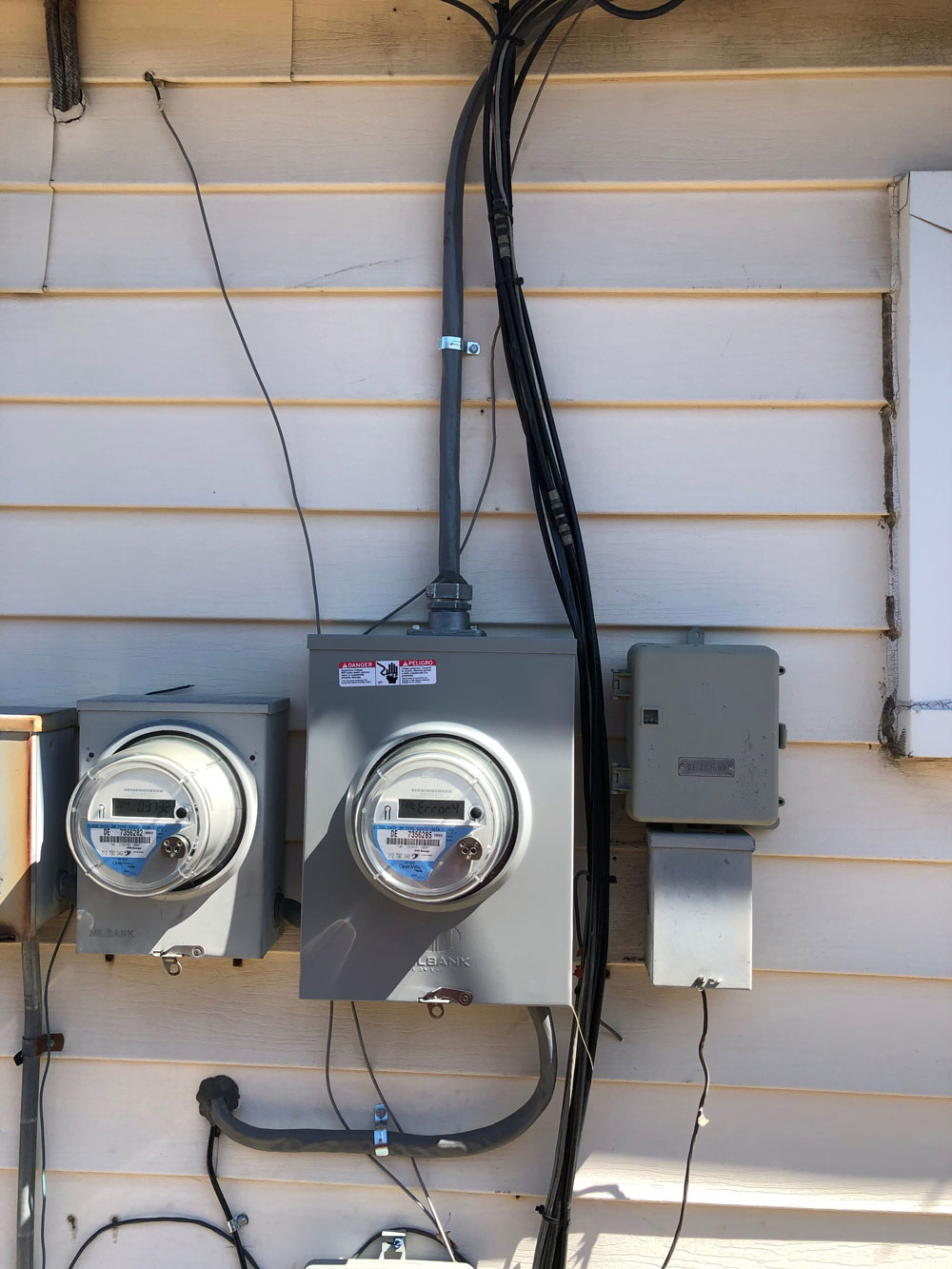
The first planning priority is determining what the building electrical system can safely support and what upgrades, if any, may be necessary. Existing service size, panel capacity, feeder routes, distance to the parking area, and simultaneous building loads can all affect the design. A charger’s rated output alone does not tell the full story because the site must supply that power reliably alongside normal building operations.
Parking layout matters just as much. Charging spaces need a location that is practical for drivers, compatible with traffic flow, and suitable for the equipment, protective measures, and cable reach. Early consideration of trenching, surface restoration, wall or pedestal mounting, lighting, and accessibility can reduce late-stage changes that add disruption or cost.
Choose charging speed for the use case
Level 2 equipment is often a sensible choice where vehicles remain parked for several hours, because it can provide meaningful charging during a work shift, overnight period, or extended visit. DC fast charging delivers substantially higher power and may fit turnover-oriented locations or fleet operations that require faster replenishment. The faster option can also require more extensive electrical infrastructure, so it should be selected based on actual dwell time and operational demand rather than assumed preference.
Future expansion deserves attention even when only a few ports are installed initially. Planning spare capacity, conduit pathways, electrical room space, and a scalable layout can make later additions less disruptive. A phased approach may allow an organization to begin with current demand while preserving practical options as EV adoption grows.
Commercial charging services that fit distinct users
Different commercial properties have different definitions of success. Some want dependable employee access, others want a visible customer amenity, and fleet operators may need predictable vehicle readiness before the next shift. Executive Electric can be part of the conversation when a Michigan organization needs to clarify those use cases and the electrical work behind them.
Charging for employees and workplace properties
Workplace EV charger setup is most effective when an employer defines who will use the stations, when charging is available, and how the parking area will operate during busy periods. Full-day employee parking often supports Level 2 equipment, while access policies can help prevent one vehicle from occupying a space longer than intended. The electrical design should also account for the building’s daytime load profile rather than treating charger output as an isolated addition.
Clear operating expectations support a better employee experience after installation. Businesses may consider signage, access control, payment or reimbursement practices, and a process for addressing blocked spaces, depending on the equipment and property rules selected. These operational details are separate from the wiring work, but they strongly influence whether charging remains useful and orderly.
Customer, tenant, and visitor access
A Public EV charger installer project should begin with a realistic view of who can access the equipment and how public-facing use affects the property. Property owners may need to weigh visibility, after-hours access, driver instructions, network features, and the possibility of higher utilization than a private employee-only installation. Equipment placement should make charging understandable and convenient without interfering with entrances, loading areas, or normal parking circulation.
Public or semi-public access does not automatically mean that every property needs the highest available charging speed. For many destinations, the appropriate solution reflects the typical length of a visit and the number of spaces available. Matching the station type to actual visitor behavior can support a more practical investment and a better driver experience.
Dock, pedestal, and fast-charging configurations
An EV charging dock installation can involve wall-mounted units near designated spaces or freestanding pedestal equipment where parking geometry calls for a different arrangement. The mounting choice affects routing, protection from vehicle contact, cable management, and the visual organization of the lot. Discussing these factors before equipment is purchased helps align the selected station with the physical conditions at the property.
For sites where rapid replenishment is central to the business model or fleet schedule, EV fast charger installation requires especially careful coordination of charger output, service capacity, equipment location, and utility-related considerations. DC fast chargers are not simply upgraded Level 2 stations, since their power requirements and site impacts can be considerably different. A careful feasibility review helps a business determine whether fast charging fits the location or whether multiple Level 2 ports better serve its users.
What a commercial installation process typically includes
A clear process helps stakeholders make informed choices before construction begins. While every property has its own conditions, commercial EV charging commonly progresses from goals and site information to electrical planning, installation, inspection requirements, and commissioning. Executive Electric can discuss the project details needed to evaluate the work at a commercial property.
- Define the charging objective: Identify users, expected parking duration, number of ports, access approach, and anticipated growth.
- Review the site: Evaluate electrical service and panels, parking layout, equipment locations, route lengths, and physical installation conditions.
- Select equipment and scope: Compare Level 2 or DC fast charging, mounting styles, network needs, protection, and any infrastructure upgrades.
- Plan approvals and construction: Coordinate the electrical scope with applicable permitting, inspection, property, and utility requirements.
- Install and commission: Complete the electrical installation, test equipment operation, and confirm that responsible staff understand the chosen system’s basic use.
Construction impacts deserve consideration before the work is scheduled. Depending on the site, installation can involve new circuits, conduits, trenching, boring, concrete work, equipment pads, or parking-area coordination. Discussing site access, business hours, vehicle movement, and restoration expectations early can help the property prepare for the work with fewer operational surprises.
Compare proposals on the details that affect long-term use
A commercial charging proposal should make the major assumptions visible. The lowest equipment price may not reflect electrical upgrades, distance to the power source, civil work, networking, protective hardware, or future expansion provisions. Comparing complete scopes helps decision-makers understand what is included and where a seemingly similar proposal may differ.
- How many ports and what charging level are included
- Whether the proposal identifies panel, service, feeder, or load-management considerations
- How equipment will be mounted and protected in the parking environment
- What conduit, trenching, boring, patching, or restoration work is anticipated
- Whether the layout leaves a practical path for adding stations later
- How access, networking, payment, or user management will be handled, if applicable
It is also useful to separate electrical installation needs from charger-network decisions. Some stations offer connected features for access management, status visibility, or payment processing, while other projects may prioritize straightforward private charging. The right choice should reflect the owner’s operational plan, not a one-size-fits-all hardware package.
Commercial EV charging questions for Harrison Township properties
How long does commercial EV charger installation take?
Timing depends on the site assessment, electrical capacity, selected equipment, permitting and inspection requirements, equipment availability, and any trenching or service upgrades. A simple installation may have a different schedule than a project requiring major electrical distribution changes. Reviewing the property early provides the clearest basis for planning the work.
Is Level 2 or DC fast charging better for a commercial property?
Level 2 is often appropriate when vehicles park for hours, such as employee, tenant, or overnight fleet charging. DC fast charging may suit locations that need faster turnover, but it can require substantially more electrical infrastructure. The best fit depends on vehicle dwell time, utilization goals, budget, and site capacity.
Can a property install only a few chargers now and add more later?
Yes, many commercial projects can be planned in phases. Reserving electrical capacity where feasible, installing pathways for future wiring, and choosing a scalable parking layout can simplify later expansion. The initial site review should identify which future-ready provisions are practical for the specific property.
Is Executive Electric located in Harrison Township, Michigan?
Executive Electric’s provided location is 20504 Hall Rd, Clinton Township, MI 48038. Businesses researching commercial charging in Harrison Township can contact Executive Electric to discuss their property, charging goals, and the electrical considerations involved before moving forward.
Discuss your commercial charging project
Whether the goal is a small employee amenity, a tenant charging plan, customer-facing stations, or a fleet-ready installation, the strongest next step is to define the site conditions and expected use. Executive Electric can help begin that conversation from its location at 20504 Hall Rd, Clinton Township, MI 48038. Contact Executive Electric to discuss Commercial EV charger installation for your Harrison Township, MI property and the practical next steps for your project.