Commercial EV charger installation Grosse Pointe Woods, MI
Businesses evaluating Commercial EV charger installation in Grosse Pointe Woods, MI need more than a charging unit on a wall. They need an electrical plan that fits the property, the vehicles expected to charge there, and the way employees, tenants, customers, or fleet drivers will use the equipment. Executive Electric is located at 20504 Hall Rd, Clinton Township, MI 48038, and provides a clear point of contact for organizations planning commercial charging infrastructure in the region.
Electric vehicle charging can support workplace amenities, customer dwell time, fleet readiness, and property modernization. The right approach begins with understanding available electrical capacity, the desired charging speed, parking layout, access control, and future expansion needs. A thoughtful commercial charging project helps a business avoid selecting equipment that does not match its actual electrical or operational requirements.
Plan charging around your property and business goals
Commercial EV charging is the installation of purpose-built charging equipment and the electrical infrastructure needed to operate it safely at a business, multifamily property, retail site, office, or fleet facility. The best configuration depends on who will charge, how long vehicles typically park, and whether the site needs a small initial installation or a scalable foundation for additional ports later. Executive Electric can help property decision-makers begin the conversation with the factors that materially affect scope.
For a Grosse Pointe Woods, Michigan property, charging decisions should be based on the site’s use pattern rather than on a one-size-fits-all charger choice. An employee lot where vehicles remain parked for several hours often has different needs than a customer-facing destination with shorter stops. Fleet operations may prioritize predictable turnaround and managed access, while landlords may need a system that fairly allocates charging use among tenants.
Start with a practical site and load review
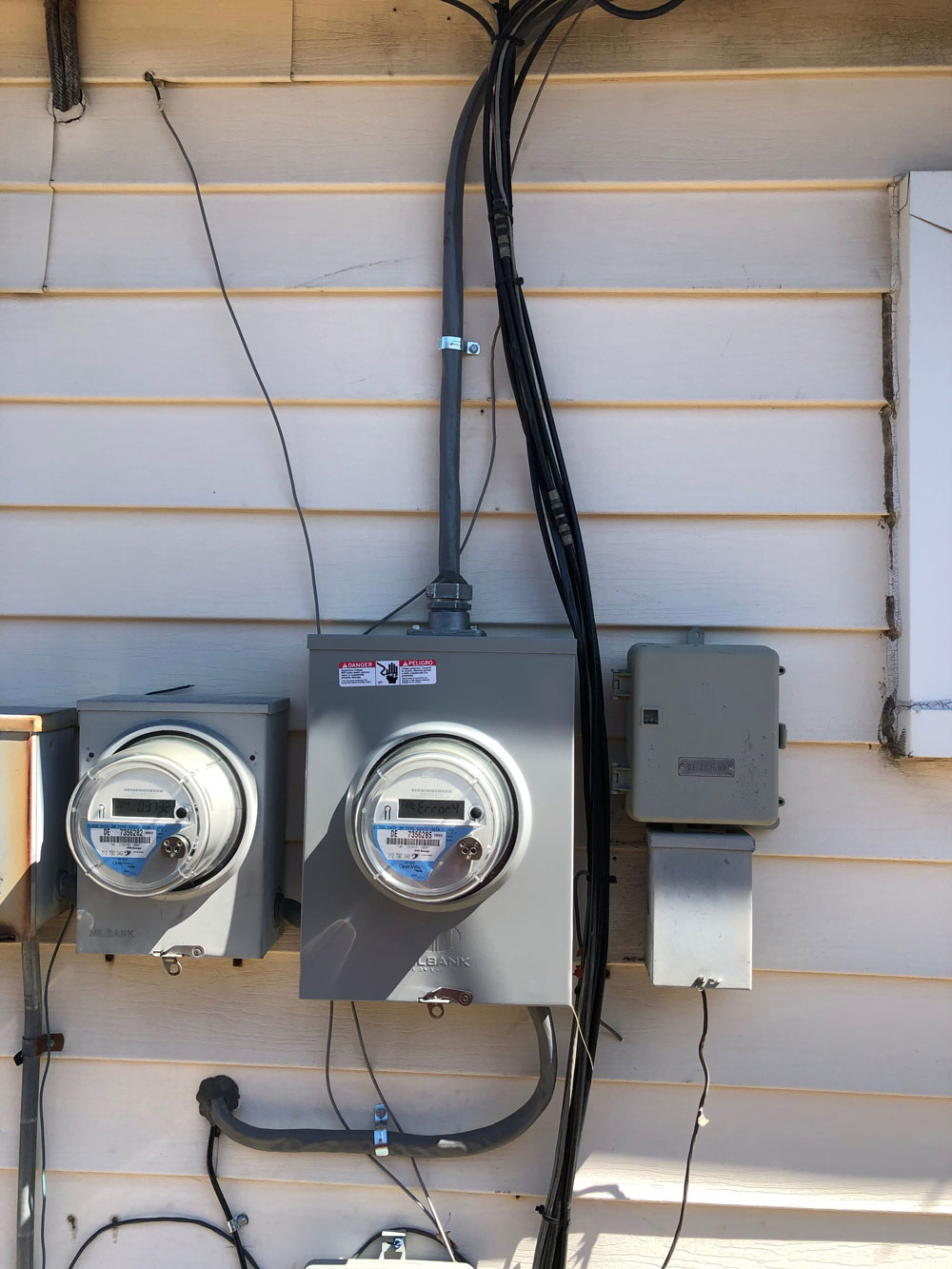
A commercial electrical assessment identifies where chargers may be located and how power can be delivered to them. It typically considers the service equipment, panel capacity, distance to proposed parking spaces, trenching or conduit routes, mounting options, and the potential need for electrical upgrades. Reviewing these conditions before equipment is purchased can prevent an attractive charger from becoming an impractical installation.
- Number and type of vehicles expected to charge now and in the future
- Typical parking duration and the charging speed that serves that schedule
- Electrical service capacity and the demand created by other building loads
- Parking layout, accessible use considerations, bollards, signage, and cable reach
- Network features, payment options, driver access, and ongoing operating preferences
Load management can be an important consideration when a building’s electrical capacity is limited or when several vehicles may charge at once. Instead of assuming every port will draw maximum power continuously, a planned system may coordinate charging demand according to available capacity and operating priorities. The appropriate approach depends on the equipment selected, building load profile, and project goals.
Choose Level 2 or DC fast charging for the right use case
Level 2 commercial chargers are commonly suited to locations where cars park for a meaningful portion of the day, such as offices, apartment communities, hospitality properties, and some retail destinations. DC fast charging generally delivers energy at a much higher rate, but it can require substantially more electrical infrastructure and a more rigorous evaluation of site capacity. Faster is not automatically better if vehicles remain parked long after they are charged or if the added infrastructure does not support the business case.
The decision should account for driver behavior, turnover, utility capacity, budget, and whether charging is an employee benefit, a customer amenity, a revenue-generating service, or a fleet necessity. Planning for conduit pathways or spare capacity during the first phase can be useful when expansion is likely, even if the property does not install every charger immediately. This phased approach can make future additions less disruptive than starting over with each new port.
Commercial charging options for different property types
Business charging programs work best when the equipment, access rules, and electrical design align with the people using the spaces. A commercial office may want employees to charge during the workday, while a retail property may want an easy-to-find amenity that supports visits without creating conflicts over parking. Fleet depots, multifamily communities, medical offices, and public-facing locations each call for a different operational conversation.
Workplace charging can strengthen an employee amenity plan
Workplace EV charger setup gives employers a way to support staff members who drive electric vehicles and spend several hours at the facility. A useful plan identifies who can use the chargers, whether usage will be paid or complimentary, how spaces will be managed, and whether capacity should be reserved for future employee demand. Electrical planning should also account for the building’s daytime demand, since charging often occurs during normal operating hours.
Workplace installations may range from a limited number of ports in an employee lot to a structured rollout across a larger campus. Clear parking policies, visible markings, and a defined process for handling fully charged vehicles can improve the day-to-day experience. Employers should also consider whether a networked system is appropriate for reporting, user permissions, or energy-use visibility.
Public-facing charging requires clear access and durable planning
A Public EV charger installer supports property owners who want charging available to customers, visitors, or the broader driving public. Public access introduces practical decisions about payment processing, operating hours, wayfinding, lighting, driver instructions, and protection of equipment in active parking areas. These details matter because a charger that drivers cannot easily locate or understand may not deliver the intended customer benefit.
For retail, restaurant, professional office, and destination properties in Michigan, the value of publicly available charging often relates to convenience and the time visitors spend on site. The expected dwell time should guide charger selection more than the desire to advertise the fastest possible option. Owners should also establish who will oversee access, driver support, and any usage rules after the installation is complete.
Charging docks and fast chargers serve different operating needs
EV charging dock installation can include pedestal-mounted or wall-mounted equipment positioned so drivers can park, connect, and manage cables safely. Equipment placement affects more than appearance: it influences cable reach, vehicle circulation, accessibility, protection from impacts, and the routing of electrical conduit. A considered dock location helps create an orderly parking area while making the chargers easier for authorized users to operate.
EV fast charger installation is often most appropriate where rapid charging supports a documented use case, such as fleet turnover or a destination that expects shorter visits. Because high-power equipment may place greater demands on a site’s electrical system, the project should begin with an honest review of capacity, electrical distribution, equipment requirements, and utility-related considerations. A fast-charging project is therefore both an equipment decision and an infrastructure-planning decision.
What to expect from the commercial installation process
A well-organized commercial EV charger project moves from site information and design choices to installation, testing, and a handoff that explains how the completed system will be used. Timelines and requirements vary with the property, equipment, electrical conditions, permitting, and any utility coordination. Starting the process before a required opening date or fleet transition gives the project more room for sound decisions.
- Discuss the use case. Define drivers, vehicle schedules, desired number of ports, access rules, and expansion goals.
- Review the site. Evaluate electrical capacity, equipment locations, parking circulation, conduit routing, and physical protection needs.
- Develop the installation approach. Select equipment compatible with the operating plan and identify needed electrical work.
- Complete installation and inspection steps. Install electrical infrastructure and chargers in accordance with applicable project requirements.
- Test and prepare for use. Confirm operation, review basic user procedures, and establish property-specific management practices.
Permits and inspections are important parts of many commercial electrical projects, and requirements can vary by jurisdiction and project scope. Property owners should allow for these steps rather than treating them as an afterthought. Executive Electric can be contacted to discuss the information needed to begin evaluating a commercial charger installation for a Grosse Pointe Woods, MI property.
How to compare a commercial EV charging provider
When choosing a provider, focus on how well the installation plan addresses the actual property rather than on charger price alone. A low equipment price may not account for trenching, long conduit runs, service upgrades, protective hardware, networking, or future expansion. Comparing scope, assumptions, and responsibilities helps decision-makers understand what each proposed solution is designed to accomplish.
- Does the proposed charging speed match the normal length of stay?
- Has the electrical infrastructure needed for the selected equipment been considered?
- Will the layout support safe parking, cable management, and future additions?
- Are access, payment, reporting, and driver policies appropriate for the intended users?
- What project information, approvals, permits, or property coordination may be needed before work begins?
Executive Electric offers a direct local business contact from its Clinton Township location at 20504 Hall Rd, Clinton Township, MI 48038. Providing the property type, number of anticipated chargers, approximate parking arrangement, and intended users when contacting the company can make the first discussion more productive. It also helps distinguish a simple amenity installation from a larger commercial electrical infrastructure project.
Questions businesses often ask before installing chargers
How many commercial EV chargers should a business install first?
The right starting number depends on current drivers, expected growth, parking duration, and electrical capacity. Many properties begin with a manageable number of ports while considering pathways for expansion. A site review can help determine whether installing additional conduit or capacity now may simplify later phases.
Is Level 2 charging enough for an office or multifamily property?
Often, Level 2 charging can fit properties where vehicles remain parked for several hours. It may be well suited to workdays and overnight resident parking. The appropriate equipment still depends on vehicle demand, existing electrical capacity, and the property’s access and management plan.
What affects the cost and scope of a commercial charging project?
Cost is influenced by charger type and count, available electrical capacity, distance from service equipment, conduit routing, trenching, mounting, protective equipment, permitting, and site conditions. A property with nearby electrical capacity can differ substantially from one requiring distribution upgrades or a long run to remote parking spaces.
Does Executive Electric have an office in Grosse Pointe Woods, MI?
Executive Electric’s supplied business location is 20504 Hall Rd, Clinton Township, MI 48038. Grosse Pointe Woods, MI is the service-area focus of this page, not a stated Executive Electric office location. Contact Executive Electric to discuss your commercial property’s installation needs and project details.
Move from an EV charging idea to a usable project plan
Commercial charging can be a practical improvement when it is designed around real parking behavior, electrical conditions, and property goals. Whether you are considering employee charging, visitor access, multifamily charging, fleet support, Level 2 stations, or high-power equipment, the early planning choices influence the usability of the finished installation. Executive Electric can help begin the conversation from its location at 20504 Hall Rd, Clinton Township, MI 48038.
Ready to discuss commercial EV charger installation for your Grosse Pointe Woods, Michigan property? Contact Executive Electric to share your property type, charging goals, and available project information. A focused discussion can help you identify the next steps for a charging installation that fits your facility and the drivers it serves.