Commercial EV charger installation Grosse Pointe Park, MI
Businesses planning to support electric vehicles need charging that fits the property, the electrical system, and the people who will use it. Commercial EV charger installation for a Grosse Pointe Park, MI property can help an employer, multifamily owner, retail operator, or fleet manager turn EV charging from a future idea into a practical on-site amenity. Executive Electric is located at 20504 Hall Rd, Clinton Township, MI 48038, and is a point of contact for organizations evaluating a commercial charging project in Michigan.
The right project begins with more than selecting a charger from a catalog. A useful plan considers available electrical capacity, parking layout, expected vehicle dwell time, access control, and how the equipment will be managed after activation. Discussing those details early can help a decision-maker compare options with a clearer understanding of scope and priorities.
Plan charging around how your property operates
Commercial charging works best when the equipment matches the actual use case. An employee lot may benefit from charging during an eight-hour workday, while a customer-facing site may need convenient short-stay access and clear parking rules. Fleet charging often calls for a different approach because vehicle return times, route schedules, and required daily energy can drive the design.
Before moving ahead, property stakeholders should identify who will charge, when vehicles will be parked, and whether charging will be complimentary, restricted, or paid. These decisions influence charger type, network features, signage, and the number of ports worth planning for now. They also make it easier to consider future expansion without treating every decision as an immediate all-or-nothing commitment.
Start with the property and electrical load
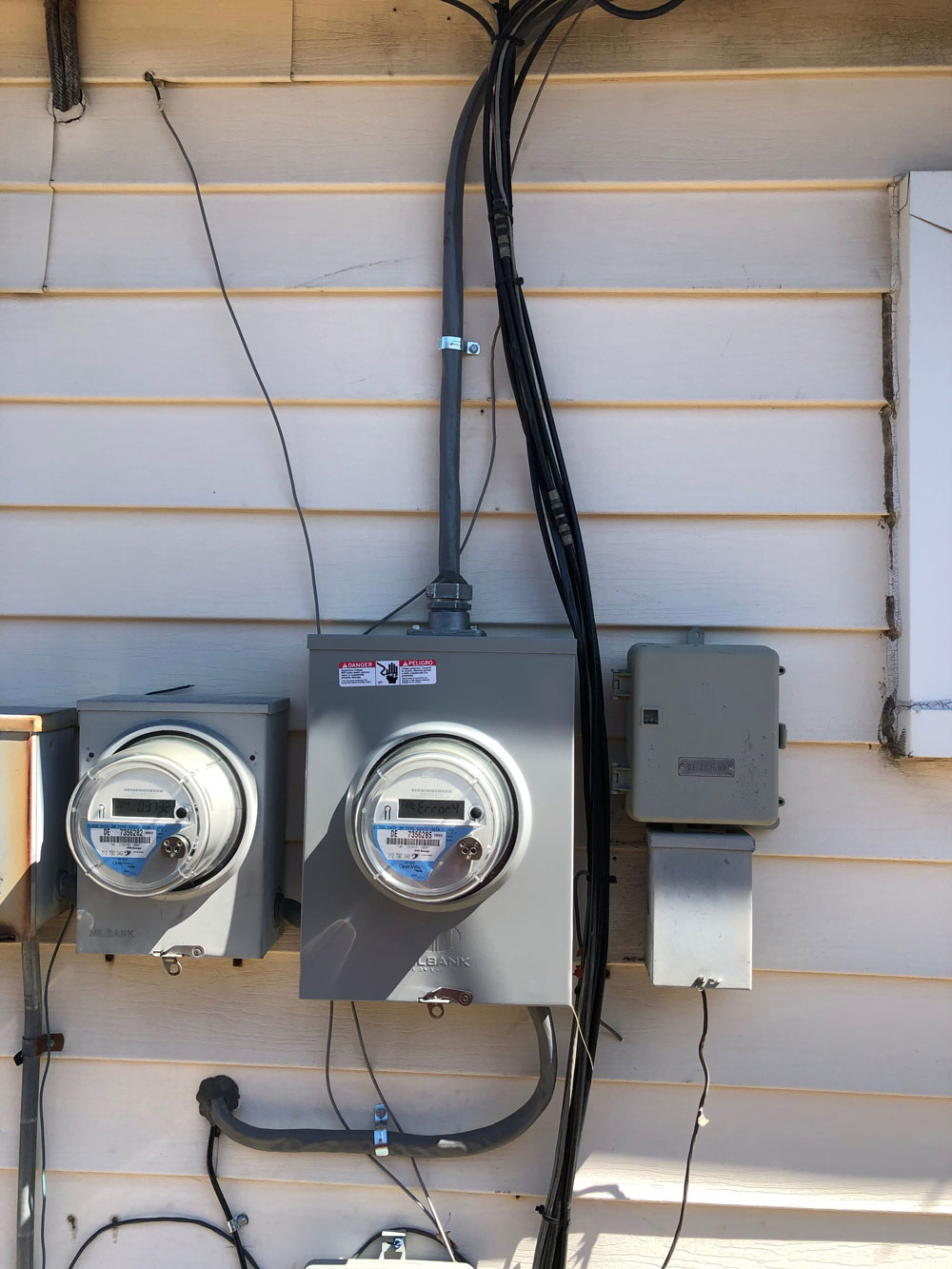
A commercial EV charging project starts with a site review and an assessment of the building’s existing electrical service. The available capacity, distance from power sources to parking spaces, panel condition, trenching needs, and equipment location can all affect the installation path. A professional evaluation helps reveal whether the preferred layout is practical as proposed or whether a revised location, load-management approach, or service upgrade should be considered.
Electrical demand deserves special attention because a site can have sufficient service for daily operations but limited headroom for several chargers operating at once. Load calculations and thoughtful circuit planning help stakeholders understand that distinction. A phased approach may be appropriate when a property wants to establish charging capacity while retaining flexibility for additional ports later.
Choose a charging level that fits dwell time
Level 2 charging is commonly considered for workplaces, apartments, hospitality settings, and other places where vehicles remain parked for hours. It can be a practical fit when drivers can add energy during a shift, visit, or overnight stay. Faster DC charging can suit shorter stops or operationally demanding applications, but it generally requires more substantial electrical planning and equipment investment.
EV fast charger installation is most useful when the business case calls for quicker charging during limited parking time rather than routine all-day charging. Decision-makers should weigh anticipated utilization, utility capacity, equipment requirements, and the user experience before choosing high-power equipment. Faster is not automatically better if drivers will normally have several hours at the property.
Commercial applications that can benefit from on-site charging
On-site EV infrastructure can serve several business goals at once: supporting employees, improving a tenant or visitor amenity, preparing for fleet electrification, or creating a more useful parking asset. The most effective setup is based on a defined operational purpose, not simply on the number of visible chargers. Executive Electric can be contacted to discuss the considerations behind a project in Grosse Pointe Park and the surrounding Michigan market.
- Office and workplace properties: Charging can give employees a place to recharge while they work.
- Multifamily communities: Resident-access charging can be planned around assigned, shared, or guest parking arrangements.
- Retail and hospitality sites: A charging amenity may align with customers who spend time on the property.
- Business fleets: Charging can be evaluated against vehicle schedules, staging areas, and the energy needed between shifts.
- Public-facing locations: A controlled-access or publicly available charging model can be considered based on property goals.
Workplace charging should be simple for employees and management
Workplace EV charger setup should account for employee parking patterns, daily charging demand, and the rules the organization wants to apply. Some employers may prioritize broad access with managed session limits, while others may reserve charging for specific users or company vehicles. Planning the user policy alongside the electrical work helps prevent avoidable confusion once the stations are available.
Employers also benefit from deciding how drivers will know where to park, who can use the chargers, and what happens when a vehicle has completed charging. Signs, parking expectations, and an understandable access process can protect the usefulness of the investment. For a growing workforce, conduit pathways or panel-space planning may offer a sensible way to keep future options open.
Public access requires an operational plan
A Public EV charger installer conversation should include more than the equipment itself. Property owners should define who may access the stations, when they are available, whether a payment or network platform is desired, and how charging spaces will be monitored. These choices affect the customer experience and help the property establish a clear operating model.
Public-facing charging can create different expectations than employee-only equipment. Visibility, durable placement, accessible parking considerations, lighting, traffic flow, and wayfinding may all need review as part of the site plan. A commercial electrical contractor can help a property team think through the installation requirements while the owner determines the access and business policies.
What to expect from a commercial charger project
Every site has its own constraints, but a structured process reduces surprises and makes decisions easier to document. Early coordination is particularly valuable when multiple parties are involved, such as a building owner, facilities manager, tenant, property manager, equipment provider, or utility. The goal is to align the physical installation with the intended charging experience before work begins.
- Define the use case: Identify users, daily parking duration, desired number of ports, and whether access will be private or public.
- Review the site: Evaluate electrical service, panel capacity, equipment locations, parking layout, cable routes, and potential construction conditions.
- Select equipment and layout: Compare charging levels, connector needs, mounting options, network features, and plans for expansion.
- Coordinate approvals: Address permits, inspections, utility considerations, and property approvals that may apply to the project.
- Install and prepare for use: Complete the electrical work, place equipment, verify operation, and establish the property’s charging procedures.
Equipment placement matters as much as the charger
EV charging dock installation involves choosing a location that is practical for drivers and realistic for the electrical route. Pedestal, wall-mounted, and other equipment configurations can affect cable reach, vehicle clearance, protection from impact, and the amount of site work needed. A layout that looks convenient on paper should also be reviewed for day-to-day parking behavior and maintenance access.
Commercial sites should also consider how chargers fit within the broader parking environment. Locating equipment where users can reach it without blocking traffic or creating cable hazards supports a more orderly experience. Protective measures, markings, and clear parking guidance may be appropriate depending on the configuration and property use.
Questions worth asking before you select a provider
A commercial electrical project should be evaluated on clarity as well as equipment selection. Ask how the existing electrical system will be assessed, what assumptions affect the proposed scope, and which site conditions could change the work required. It is also reasonable to ask how the installation plan will account for permits, inspections, equipment specifications, and future charging needs.
- What charging level aligns with how long vehicles will be parked?
- Does the current electrical service support the planned number of chargers?
- What construction work may be needed between the power source and parking spaces?
- Can the design accommodate additional charging ports later?
- Who will establish rules for access, payment, parking, and completed charging sessions?
Executive Electric provides a direct way to begin that conversation without assuming that every property needs the same solution. Share the property type, charging goals, approximate number of spaces, and any known electrical information when making contact. That background helps frame a more productive discussion about commercial EV infrastructure for a Grosse Pointe Park, MI project.
Commercial EV charging questions
What is commercial EV charger installation?
Commercial EV charger installation is the process of planning, supplying power to, mounting, and connecting EV charging equipment at a business, multifamily, fleet, retail, or public-facing property. The scope can include evaluating electrical capacity, selecting an appropriate charger type, routing circuits, completing required approvals, and preparing the stations for intended users.
Should a business choose Level 2 or DC fast charging?
The right choice depends mainly on vehicle dwell time and available electrical infrastructure. Level 2 equipment often fits locations where vehicles park for hours. DC fast charging may better fit shorter visits or certain fleet needs, but it can require greater electrical capacity, more complex planning, and a different investment profile.
Can an existing commercial electrical service support EV chargers?
Possibly, but capacity should be evaluated rather than assumed. Existing building loads, service size, panel capacity, planned charger quantity, and simultaneous use all matter. A site assessment can identify whether the proposed equipment can be accommodated, whether load management may be useful, or whether electrical upgrades should be considered.
Is Executive Electric located in Grosse Pointe Park, Michigan?
Executive Electric’s supplied location is 20504 Hall Rd, Clinton Township, MI 48038. For Commercial EV charger installation Grosse Pointe Park, MI inquiries, contact Executive Electric to discuss the property, charging objectives, and project considerations. The company should not be understood as claiming a physical office in Grosse Pointe Park based on this location information.
Discuss your Grosse Pointe Park charging project
Whether you are preparing a workplace lot, evaluating tenant amenities, or planning charging for business vehicles, a well-defined electrical plan is the foundation of a usable installation. Executive Electric can help start the conversation from its location at 20504 Hall Rd, Clinton Township, MI 48038. Contact Executive Electric to discuss Commercial EV charger installation needs for your Grosse Pointe Park, Michigan property and the practical next steps for your site.