Commercial EV charger installation Bloomfield Hills, MI
Businesses planning Commercial EV charger installation in Bloomfield Hills, MI need more than a charging unit mounted on a wall. A successful project connects the right charging approach to available electrical capacity, driver needs, parking layout, and long-term operating goals. Executive Electric is based at 20504 Hall Rd, Clinton Township, MI 48038, and provides a clear point of contact for organizations evaluating a commercial charging project in the region.
Electric vehicle charging can support employee commuting, customer dwell time, fleet readiness, and a property’s future infrastructure plans. The best arrangement varies by site. A workplace with cars parked for most of the day often has different needs than a retail destination, multifamily property, dealership, or fleet yard where vehicles must return to service quickly.
Plan charging around how your property actually operates
Commercial charging works best when the equipment, electrical distribution, and parking use are reviewed together before installation begins. Executive Electric can help owners and facility decision-makers start with the practical questions that shape scope: who will charge, when vehicles are parked, how access will be controlled, and whether the site may expand later. This early planning reduces the risk of buying equipment that does not fit the available power or day-to-day workflow.
For a Bloomfield Hills, Michigan property, the first decision is usually not simply how many chargers to install. It is whether Level 2 charging or DC fast charging aligns with the time vehicles remain onsite and the utility capacity the project can reasonably support. Level 2 equipment is often a practical fit for longer parking periods, while direct-current fast charging can serve shorter visits or operationally critical vehicles, subject to a site’s electrical and infrastructure requirements.
Start with a site and electrical assessment
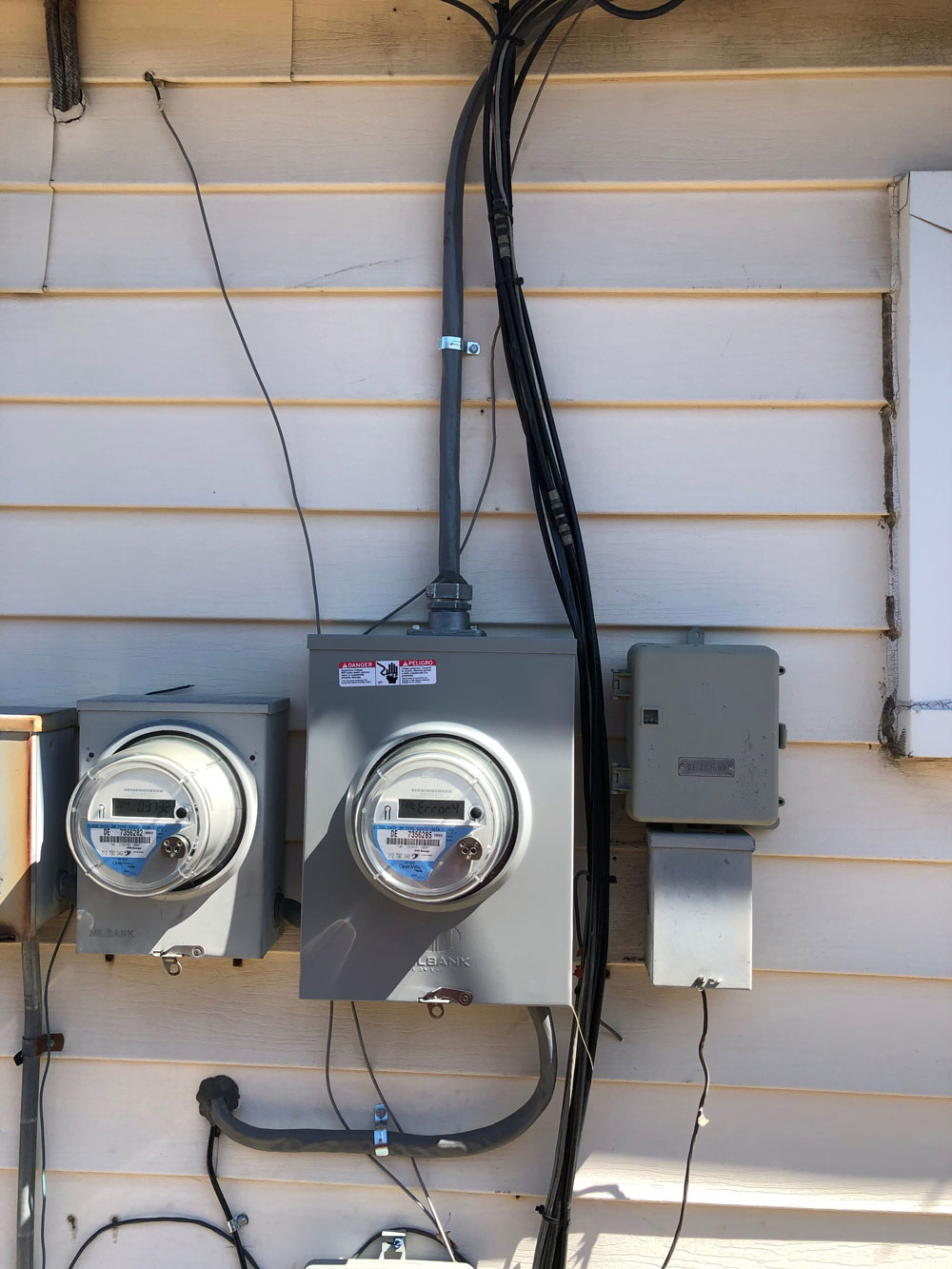
A commercial EV charging project typically begins by documenting proposed parking spaces, travel paths, equipment locations, and the electrical source that could serve the chargers. The assessment considers panel capacity, load calculations, conduit routing, trenching or surface-mount options, equipment clearances, and the distance between power and parking. It also creates a basis for discussing permits, inspections, utility coordination, and any upgrades that may be required.
Owners should also consider access and management from the start. A charger restricted to employees may need a different location and control approach than a station intended for tenants, visitors, or the public. Decisions about networking, payment capability, usage reporting, cable reach, lighting, signage, and accessibility should support the property’s actual policies rather than be added as an afterthought.
- Expected number of EV drivers today and anticipated future demand
- Typical parking duration for employees, customers, residents, or fleet vehicles
- Existing service capacity and the potential need for electrical upgrades
- Preferred charger locations, traffic flow, bollard protection, and cable management
- Whether access will be private, shared, paid, or available to the public
Choose charging speed for the use case
Charging speed should match parking duration and operational priorities, not a one-size-fits-all assumption. A property where drivers stay for several hours may gain useful daily charging from multiple Level 2 ports. A site that depends on rapid turnaround may instead investigate higher-output equipment, recognizing that faster charging can involve more substantial electrical service, distribution, and utility considerations.
EV fast charger installation is most appropriate when a business has a real need for shorter charging sessions and a site capable of supporting the equipment’s demand. DC fast charging may require a more detailed review of service capacity, transformer or switchgear implications, equipment placement, and utility lead times than a typical Level 2 installation. Evaluating those constraints early helps a decision-maker compare the operational value of fast charging with the construction and infrastructure scope it may involve.
Commercial applications that benefit from a tailored design
Commercial EV infrastructure is not limited to one property type. Employers may want to offer a practical amenity, property managers may be preparing for tenant expectations, and fleet operators may need predictable overnight charging. Retail and hospitality sites can also evaluate charging as part of a visitor experience, but the right installation still depends on parking behavior, electrical feasibility, and how the organization intends to manage access.
Charging at offices and employment sites
Workplace EV charger setup can give employers a structured way to support drivers who park during the workday. A sound plan considers the number of designated spaces, whether chargers are shared or assigned, how employees gain access, and whether charging rules will be needed to prevent spaces from being occupied after charging is complete. Level 2 stations frequently suit all-day parking, although the final equipment selection should be based on the building’s electrical conditions and employer goals.
Workplace charging can be installed as an initial phase with room for future expansion when the site plan and electrical design allow it. Planning spare capacity, raceways, or a logical path for later chargers may be more efficient than reopening finished areas when demand grows. Organizations should balance that future-ready approach with the present need, so the first phase remains useful without overspending on capacity that will not be used.
Visitor-facing and shared-access charging
A Public EV charger installer helps property owners think through the differences between publicly accessible charging and private equipment. Public-facing stations can require clear decisions about hours, payment, network connectivity, customer support expectations, signage, and which spaces are reserved for charging. Placement matters because drivers must be able to locate the stations safely without disrupting normal traffic or taking inconvenient routes through the lot.
Public access is not automatically the best choice for every business. Some organizations may prefer chargers dedicated to staff, residents, tenants, or fleet vehicles to preserve availability for core users. Others may choose shared access during certain hours, but that policy should be aligned with the charger’s controls and the property’s parking rules before equipment is selected.
Equipment placement, protection, and everyday usability
EV charging dock installation involves more than selecting a visible parking-space location. The dock, pedestal, wall-mounted unit, or adjacent equipment must be positioned so drivers can connect without creating a tripping hazard, blocking circulation, or placing cables in a vulnerable path. Protective bollards, curbs, signage, weather exposure, clearance needs, and cable length all deserve review as part of the layout.
Thoughtful placement helps protect the investment and makes charging easier to use. Chargers should be accessible to the vehicles they are intended to serve while remaining clear of doors, walkways, loading activity, and routine maintenance access. A layout drawing can help a business test these details before conduit is installed or parking operations are disrupted.
What the installation process can involve
Commercial EV charger installation generally moves from discovery and design into approvals, construction, testing, and turnover. The exact sequence varies with the property, equipment choice, and local requirements, but an organized process gives stakeholders visibility into decisions that affect cost, schedule, and future scalability. Executive Electric can be contacted to discuss the site and the information needed to define the next steps.
- Project discovery: Define the users, parking patterns, charging goals, and preferred equipment locations.
- Site review: Evaluate electrical infrastructure, routing, physical conditions, and the likely extent of new distribution work.
- Design and coordination: Develop an installation approach and account for applicable permitting, inspection, and utility requirements.
- Installation: Complete electrical work, mounting, protection, labeling, and associated site elements as the approved scope requires.
- Testing and handoff: Verify operation and review basic use, access arrangements, and any ongoing equipment-management responsibilities.
Construction impacts can be managed more effectively when a business identifies operating constraints upfront. For example, a facility may need work scheduled around deliveries, customer parking, employee shifts, or access to a particular electrical room. Clear communication about shutdown windows, staging areas, and the order of work helps the project team plan around the active property.
Key factors to compare before moving forward
When comparing commercial charging options, look beyond the purchase price of the charging unit. The full project can include electrical distribution, conduit, concrete or trenching work, equipment mounting, protective measures, permits, inspections, networking, and possible service upgrades. A lower-cost charger can still lead to a complex installation if it is far from available power or if the site needs significant capacity improvements.
It is also helpful to distinguish between charger capability and usable site capacity. Installing the highest-powered equipment does not automatically create the best driver experience if demand management, operating policies, or the building’s electrical system are not considered. In some cases, several appropriately sized ports provide more day-to-day value than a single high-output unit, especially where vehicles remain parked for extended periods.
- Ask how the proposed equipment fits your drivers’ average dwell time.
- Confirm what electrical work, civil work, permitting, and inspections are included in the planned scope.
- Discuss whether the layout can accommodate additional ports later.
- Decide who will manage access, payments, network accounts, and user communications.
- Review how parking rules, signage, and physical protection will support reliable use.
Executive Electric’s Clinton Township location at 20504 Hall Rd, Clinton Township, MI 48038 provides an identified business location for owners considering commercial electrical work in Michigan. For Bloomfield Hills, MI organizations, a project conversation can focus on site-specific needs rather than assumptions about a standard charger package. Sharing photos, a basic parking layout, known electrical information, and expected driver use can make an initial discussion more productive.
Questions businesses commonly have
How long does commercial EV charger installation take?
Timing depends on the charger type, existing electrical capacity, distance from the power source, site construction, permits, inspections, and any utility coordination. A straightforward installation may have fewer steps than a project needing service upgrades, trenching, or DC fast-charging infrastructure. A site review is the practical way to identify the likely scope and sequence.
Is Level 2 or DC fast charging better for a commercial property?
Neither option is universally better. Level 2 charging often fits workplaces and other locations where vehicles remain parked for hours, while DC fast charging can fit shorter dwell times or more urgent fleet needs. The appropriate choice depends on driver behavior, desired charging speed, available electrical capacity, budget, and the project’s operational purpose.
Can a business install a few chargers now and add more later?
Yes, phased planning may be possible when future expansion is considered in the initial electrical and site design. Evaluating capacity, conduit routes, panel space, and equipment locations early can make later additions easier. The feasibility of expansion depends on the specific property and the infrastructure installed during the first phase.
Does Executive Electric have an office in Bloomfield Hills?
Executive Electric is located at 20504 Hall Rd, Clinton Township, MI 48038. The company’s location should not be confused with a Bloomfield Hills office. Businesses seeking commercial charging information for Bloomfield Hills can contact Executive Electric to discuss their property, charging goals, and project considerations.
Discuss your commercial charging project
A well-planned charger installation can turn available parking into a practical resource for employees, customers, tenants, or fleet operations. Executive Electric can help start the conversation around equipment type, electrical feasibility, site layout, and the decisions that affect a commercial installation. For a Bloomfield Hills, Michigan property, bring your goals and available site details to the first discussion.
Ready to evaluate your next step? Contact Executive Electric to discuss Commercial EV charger installation needs. Executive Electric is located at 20504 Hall Rd, Clinton Township, MI 48038 and can help you begin with the practical details of your commercial charging project.