EV Charger Installation Royal Oak, MI
Owning an electric vehicle is simpler when charging fits naturally into your daily routine. For property owners researching EV Charger Installation in Royal Oak, MI, the right setup can replace frequent public-charging stops with dependable charging where the vehicle is parked. Executive Electric is located at 20504 Hall Rd, Clinton Township, MI 48038, and can be contacted to discuss the electrical considerations behind a residential or commercial charging project.
A charging project is more than mounting a unit on a wall. It may involve reviewing the electrical panel, choosing an appropriate charger location, planning a dedicated circuit, and making sure the equipment and installation approach suit the vehicle, property, and expected charging habits. A thoughtful plan helps Michigan EV owners make an informed decision before equipment is purchased or electrical work begins.
Start with the charging routine you want at home or work
The most useful charger is the one that meets the vehicle’s normal parking schedule without adding unnecessary electrical complexity. Many drivers want to recharge overnight at home, while workplaces, multifamily properties, and customer-facing businesses may need a setup that accommodates several users or longer dwell times. Identifying who will charge, when they will charge, and how often they drive provides a practical starting point.
- Homeowners may prioritize overnight Level 2 charging near a garage or driveway parking space.
- Two-EV households may need to consider charging schedules, available capacity, or equipment that can manage more than one vehicle.
- Businesses and property managers may evaluate user access, equipment placement, future expansion, and operational needs.
- Drivers with limited daily mileage may find that a lower-power option suits their routine, depending on the vehicle and available electrical service.
Level 1 charging typically uses a standard household receptacle and charges more slowly. Level 2 charging generally uses a dedicated 240-volt circuit and is often selected for faster at-home replenishment. DC fast charging is a different category with substantially greater electrical demands, so it is not simply an interchangeable substitute for a typical residential charger.
Electrical capacity shapes the best installation plan
Before selecting charger amperage, it is important to understand what the existing electrical service and panel can support. An installation may require a load calculation, a dedicated branch circuit, appropriate overcurrent protection, and a route for wiring from the panel to the charger location. The practical answer is not always to choose the highest-rated unit, because the appropriate choice depends on the property and the vehicle’s charging capability.
Panel space is another consideration. A property can have sufficient service capacity but limited room for a new breaker, or it may have an older panel that deserves closer review before a new continuous electrical load is added. Discussing these details early helps avoid selecting equipment that does not align with the building’s electrical conditions.
Choose a location that works in every season
Charger placement affects convenience, cable reach, protection from damage, and the scope of electrical work. A garage wall may be straightforward for some homes, while an exterior-mounted unit or pedestal near a driveway may be more practical for others. In Michigan, considering weather exposure, the parking position, and a tidy cable path is especially useful for creating a setup that remains easy to use throughout the year.
It is also wise to verify whether the charger cord can reach the vehicle’s charging port without stretching across a walking area or drive path. Mounting height, clearances, and the location of the connector holder all influence everyday usability. For shared parking areas, visible placement and access control can matter as much as charging speed.
What a well-planned charger project typically involves
EV Charger Installation is a structured electrical project, not a one-size-fits-all appliance hookup. The process generally begins with a conversation about the vehicle, charger preference, parking arrangement, and electrical panel. From there, the installation approach can be defined around safe routing, suitable circuit design, applicable permit requirements, and the property’s actual conditions.
- Identify the vehicle, anticipated charging schedule, and preferred parking location.
- Review the electrical panel, available capacity, breaker space, and likely wiring path.
- Select charger features and electrical specifications that fit the use case.
- Plan the dedicated circuit, equipment location, and any required permitting or inspection steps.
- Install, test, and review the basic operation of the completed charging equipment.
Timing and scope can vary significantly. A charger near a panel with an accessible wiring route is different from a project requiring a long run, exterior work, trenching, panel modifications, or coordination for a multifamily building. Clear project details help a property owner compare options on more than headline charger price alone.
Electric car charger installation for everyday driving
Electric car charger installation supports drivers who want their vehicle ready for the next commute, errand, or weekend plan without relying solely on public stations. A properly considered home setup can make charging part of the time the vehicle is already parked. The vehicle’s onboard charging limit, the selected EVSE rating, and the property’s electrical capacity should all be considered together.
“Charger” is common shorthand, although the wall-mounted or pedestal device is technically electric vehicle supply equipment, often called EVSE. The vehicle manages the battery charging process, while the EVSE supplies power and safety communication. Understanding that distinction can help buyers evaluate equipment specifications with more confidence.
EV charging station installation for shared properties
EV charging station installation can be relevant when a workplace, apartment community, condominium property, or commercial site wants to make charging available to multiple drivers. These projects often require more planning than a single-family home because parking assignments, user access, billing preferences, signage, and future capacity may affect the design. A scalable approach can be worth considering when the property expects additional EV adoption over time.
Commercial and shared-use equipment may offer different controls from a basic home unit. For example, an owner may value access management, usage records, or networking features, while another property may prefer a simpler arrangement for a defined group of users. The useful choice depends on how the spaces are used and who is responsible for operating the equipment.
EV charging point installation and parking layout
EV charging point installation focuses on making each parking-space connection practical, accessible, and appropriately supplied with power. In a driveway, garage, or parking lot, the charging point should correspond to the vehicle’s port location and normal parking orientation. Planning this relationship before electrical work starts can reduce awkward cords, inconvenient parking patterns, and later changes.
For a multi-space property, it can be helpful to decide whether the immediate goal is one active charging point or an electrical pathway that supports future additions. Conduit pathways, panel capacity, and equipment layout can affect how easily a site expands later. These are useful discussions to have before surfaces are finished or parking areas are modified.
Equipment choices and professional planning matter
The charger itself is only one part of the decision. Property owners can compare plug-in and hardwired units, power ratings, cord length, indoor or outdoor ratings, and connected features. A lower-cost unit is not automatically the better value if it does not suit the electrical plan, parking arrangement, or desired level of control.
Smart EV charger installation adds useful visibility
Smart EV charger installation may appeal to drivers who want app-based status updates, scheduled charging, energy-use visibility, or account controls. These features can be useful, but they should be evaluated alongside reliable electrical design and the owner’s comfort with connected technology. A smart unit also depends on suitable connectivity if its online functions are expected to be part of daily use.
Some owners prefer a straightforward charger with minimal controls, while others value scheduling or the ability to monitor charging remotely. Neither approach is universally better. The appropriate equipment choice reflects the vehicle, the household or business routine, and the features the owner will genuinely use.
Why a professional EV charger installer is worth contacting
A Professional EV charger installer can help translate equipment specifications into a plan that accounts for the actual electrical system and installation location. That review is valuable because circuit sizing, load considerations, wiring methods, and code requirements are not decisions to make from a product listing alone. Executive Electric can be contacted to discuss the details of a proposed charger project and the information needed to evaluate it.
When comparing providers, ask how the existing panel and wiring route will be assessed, what assumptions affect the scope, whether permits or inspections may apply, and how the completed equipment will be tested. It is also reasonable to ask what information to provide in advance, such as photos of the panel, the vehicle model, charger specifications, and the desired parking location. Specific answers support clearer expectations for the project.
Plan your next step with Executive Electric
Royal Oak, Michigan drivers and property owners can make the initial conversation more productive by gathering a few basic details before reaching out. Photos of the electrical panel and parking area, the charger model under consideration, the approximate distance between panel and charger, and the vehicle’s charging needs can all help define the discussion. If equipment has not been selected, the intended use and charging routine are still valuable starting points.
- Vehicle make, model, and typical daily driving needs
- Preferred charger location and where the vehicle normally parks
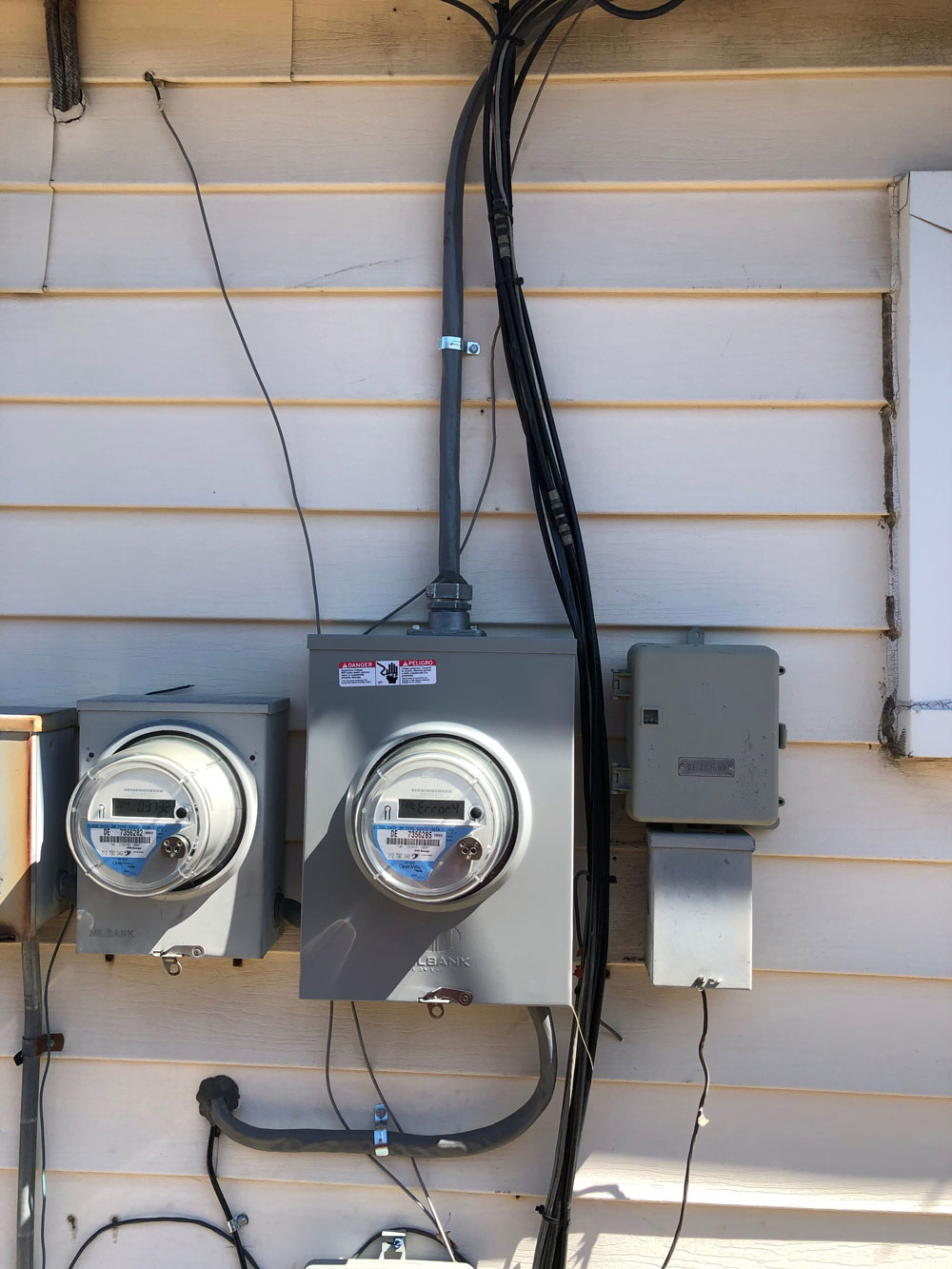
- Electrical panel photos and known service information
- Whether the location is a home, business, rental property, or shared parking environment
- Any preferences for hardwired equipment, plug-in equipment, scheduling, or access controls
Executive Electric is located at 20504 Hall Rd, Clinton Township, MI 48038. Contact Executive Electric to discuss EV Charger Installation for a Royal Oak, MI property, review the information relevant to your setup, and take a practical next step toward convenient charging. Contact Executive Electric to begin the conversation.
Common questions about EV charging projects
What does EV Charger Installation in Royal Oak, MI usually include?
EV Charger Installation usually includes evaluating the electrical panel and charging location, planning a dedicated circuit, mounting and connecting suitable equipment, and testing operation. The exact scope depends on electrical capacity, wiring distance, charger type, property layout, and any applicable permitting or inspection requirements.
Do I need a Level 2 charger at home?
Not every driver needs Level 2 charging. A Level 2 setup is often useful for drivers who want faster overnight charging or have higher daily mileage, but a slower option may fit some routines. The best choice depends on driving habits, vehicle capability, parking time, and the available electrical service.
Can an existing electrical panel support an EV charger?
An existing panel may support a charger, but that cannot be determined by panel appearance alone. Available service capacity, load calculation results, breaker space, existing electrical loads, and the charger rating all matter. A project review can identify whether the planned circuit is appropriate or whether changes should be considered.
What should a business or multifamily property consider before adding charging?
Shared properties should consider who will use the chargers, how spaces will be managed, whether access or payment controls are needed, and how future expansion could affect electrical planning. Parking layout, available capacity, cable management, and operational responsibility can be as important as the charger model itself.