EV Charger Installation Metro Detroit, MI
Convenient home charging starts with an electrical setup that fits the vehicle, the home, and everyday driving habits. Executive Electric provides a clear starting point for people seeking EV charger installation in Metro Detroit, MI, whether the goal is faster overnight charging, a dedicated garage circuit, or a practical plan for a newly purchased electric vehicle. Executive Electric is located at 20504 Hall Rd, Clinton Township, MI 48038, and customers can contact the company to discuss their project.
A properly planned charging setup can make an EV easier to live with because the vehicle can recharge where it is parked. Instead of relying solely on public charging stops, homeowners can explore a dedicated charging solution sized around their electrical capacity and preferred charging equipment. The right approach begins with evaluating the property rather than assuming every charger and electrical panel arrangement will be the same.
What a Home EV Charging Project Can Solve
Home EV charger installation provides a safe, dedicated way to supply electricity to compatible charging equipment. It is especially useful for drivers who want a more consistent charging routine than a standard household outlet may offer. The project may involve a new circuit, appropriate overcurrent protection, wiring between the electrical panel and charger location, and secure mounting of the selected equipment.
Choose charging capacity around real driving needs
Level 1 charging generally uses a standard 120-volt outlet and can suit low daily mileage or a backup charging routine, although it charges more slowly. Level 2 charging typically uses a 240-volt circuit and is often selected by homeowners who want a more capable overnight option. Charging speed depends on the vehicle, charger, circuit, and electrical supply, so a higher-rated charger does not automatically mean every vehicle will charge at its maximum advertised rate.
Before arranging work, it helps to consider where the vehicle parks, how far that spot is from the electrical panel, and how many miles are driven on a typical day. A detached garage, exterior parking area, finished wall, or long conduit route can influence the installation plan. Sharing these details early helps create a conversation focused on the actual property and charging routine rather than a one-size-fits-all recommendation.
- Drivers replacing frequent public charging visits with a reliable at-home routine
- New EV owners preparing a garage, driveway, or carport before delivery
- Households with more than one plug-in vehicle or changing driving schedules
- Homeowners who need to understand panel capacity before selecting equipment
Electrical capacity and placement matter
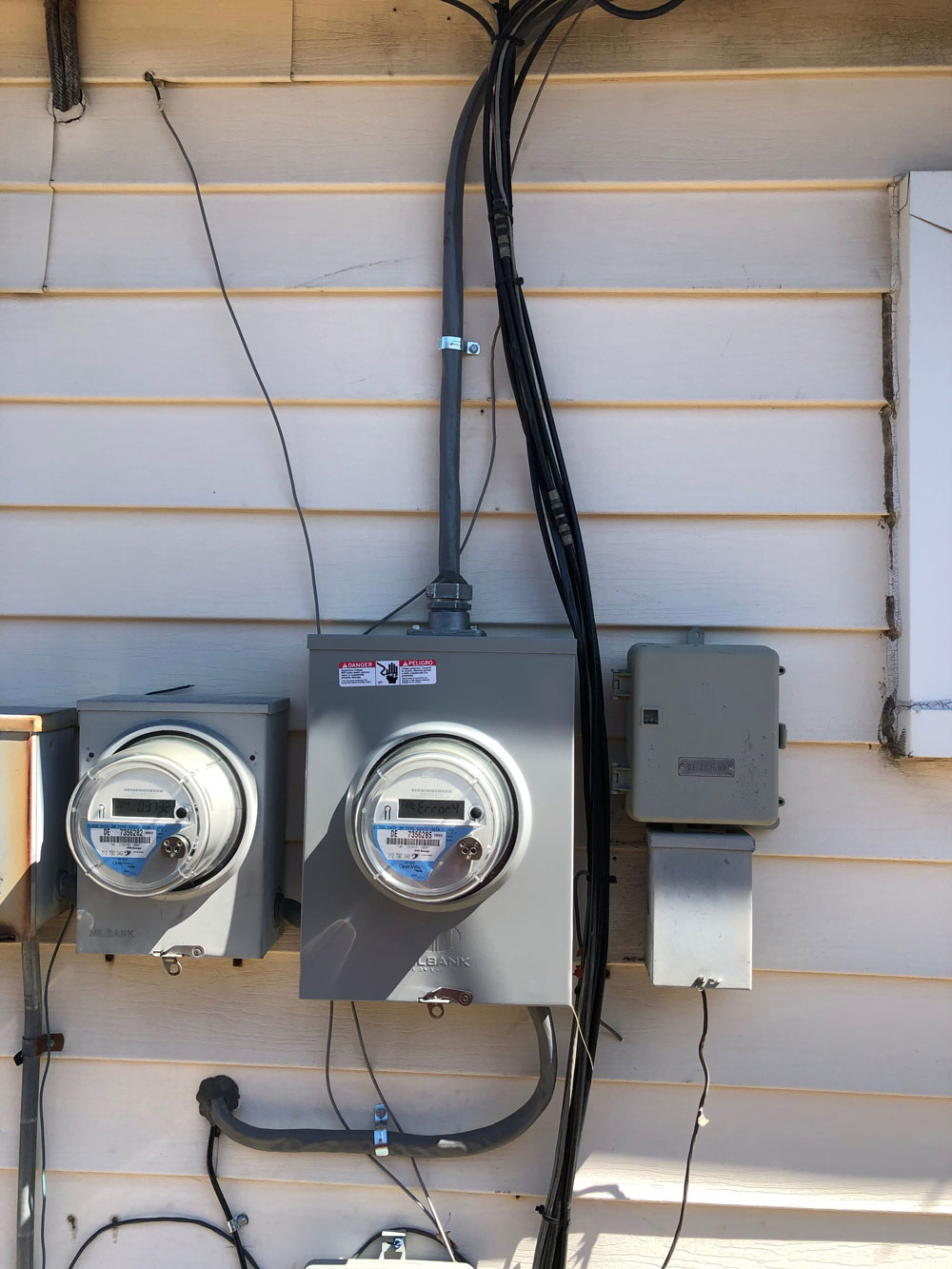
An electrical panel review is an important part of planning because an EV charger adds a significant continuous electrical load. The available capacity, existing large appliances, panel condition, and the proposed circuit all affect what may be appropriate. If the current electrical service cannot support the desired charging arrangement as-is, the discussion may include alternatives such as a lower-amperage configuration, load management equipment, or a service-related electrical upgrade.
Charger placement should be functional as well as protected. The charging cable needs to reach the vehicle without being stretched across a walkway, pinched by a garage door, or creating a recurring trip hazard. A thoughtful location also considers weather exposure for outdoor equipment, mounting surface, access to the electrical route, and the charging unit manufacturer’s clearance instructions.
A Practical Installation Experience From Planning to Use
A successful EV charging project is a sequence of decisions, not simply mounting a device on the wall. Executive Electric can be a relevant point of contact for homeowners who want to discuss the electrical work behind a dependable charging setup. Clear information about the vehicle, charger, panel, and parking arrangement helps define the scope before installation begins.
- Describe the property and charging goal. Note the vehicle type, preferred charger, parking location, panel location, and expected daily use.
- Review the electrical path. The proposed circuit, wire route, disconnecting needs where applicable, and available capacity should be considered.
- Confirm equipment and requirements. Match the charger specifications with the planned circuit and account for applicable permit or inspection requirements.
- Complete installation and testing. The charging equipment is connected, secured, and checked so the homeowner understands normal use.
Permitting and inspection requirements can vary by jurisdiction and project scope in Michigan. Homeowners should ask how local requirements apply to their specific installation rather than assuming a similar project elsewhere follows identical rules. Addressing these details upfront can help avoid surprises after equipment has already been purchased.
Electric car charger installation for everyday convenience
Electric car charger installation is about creating a dependable connection between a home’s electrical system and the way an owner actually uses an EV. A dedicated Level 2 setup may reduce the need to plan daily driving around public charging availability, while a simpler arrangement may be sufficient for a vehicle with modest overnight charging needs. The useful choice is the one that aligns charging time, electrical capacity, and the household’s routine.
It is also wise to distinguish the charger from the vehicle’s charging capability. Some EVs limit how much alternating-current power they can accept, even when connected to a charger with a higher output rating. Reviewing both sides of that relationship helps prevent spending on capacity that the vehicle cannot use or choosing equipment that does not meet future household needs.
EV charging station installation and equipment compatibility
EV charging station installation should account for the charging unit’s electrical rating, connector type, location rating, and installation instructions. Many residential charging stations are hardwired, while some use a receptacle configuration designed for the equipment and circuit. The choice can affect installation details, future replacement flexibility, and the way the electrical connection is protected.
Ask about whether the selected unit is intended for indoor, outdoor, wall-mounted, pedestal-mounted, hardwired, or plug-in use. Equipment listed for the intended environment and installed according to its instructions is a foundational consideration. A professional conversation can also clarify whether the planned cable length reaches the vehicle port comfortably from the proposed mounting point.
Comparing Options Before You Buy a Charger
Not every home needs the same charger or electrical scope. A driver with a short commute and long overnight parking window may prioritize straightforward, lower-capacity charging, while a high-mileage household may want a more robust Level 2 arrangement. The best decision balances initial electrical work, usable charging speed, equipment features, and room for future changes.
EV charging point installation can refer to the complete setup at the place where the vehicle connects, including the charger location and its dedicated electrical supply. For a homeowner, that point should be easy to reach during normal parking without compromising safe cable management. Thinking of it as a regular parking-and-charging station helps identify practical concerns that may not be obvious when selecting equipment online.
- Hardwired charger: Often chosen for a permanent dedicated installation and a clean, direct connection.
- Plug-in charger: Can offer equipment portability, but the receptacle and circuit must be suitable for the intended continuous load.
- Basic charger: Provides straightforward scheduled or manual charging for drivers who do not need advanced controls.
- Connected charger: May offer app controls, charging schedules, energy monitoring, or notifications, depending on the model.
Smart EV charger installation can be a useful option for owners who value scheduling, notifications, and visibility into charging activity. Those features may be appealing when charging is coordinated with household routines, but connected features do not replace sound electrical design or a suitable dedicated circuit. Homeowners should compare app functions, internet connectivity needs, privacy preferences, and whether the added controls will genuinely be used.
Why professional planning is worth considering
A Professional EV charger installer helps keep the project centered on electrical compatibility rather than just the charger box. The work can involve load considerations, conductor sizing, protective devices, routing, mounting, and local code considerations that are not visible in a product listing. Choosing a provider should include asking whether the property details and selected equipment will be reviewed before work is scheduled.
Homeowners can make the initial discussion more productive by gathering a photo of the electrical panel, the charger specification sheet, and photos of the intended parking and mounting area. It is also helpful to identify other major electrical loads, such as electric heating equipment, dryers, ranges, or workshop tools. These details provide context for evaluating the proposed charging circuit.
Talk With Executive Electric About Your Charging Setup
Executive Electric offers a direct way to begin discussing EV Charger Installation in Metro Detroit, MI. Explain the vehicle, charger preference, electrical panel location, and parking layout so the conversation can focus on the right next step for the property. A well-defined plan can help homeowners move from public-charging uncertainty to a more convenient home charging routine.
Executive Electric’s listed location is 20504 Hall Rd, Clinton Township, Michigan 48038. Although the office is in Clinton Township rather than an asserted Metro Detroit office location, the company can be contacted to discuss a project and the relevant service details. Contact Executive Electric with questions about residential charger circuits, equipment selection considerations, and installation planning.
Common Questions About Home EV Charging
How long does EV Charger Installation usually take?
The timeline depends on the charger location, electrical panel capacity, wire route, selected equipment, and any applicable permitting or inspection steps. A straightforward nearby panel installation may differ significantly from a project involving a detached garage, long conduit run, panel changes, or service upgrades.
Do I need a Level 2 charger at home?
Not every driver needs Level 2 charging. A 120-volt Level 1 option can work for some low-mileage routines, but a 240-volt Level 2 charger is often preferred when faster overnight replenishment, higher daily mileage, or greater scheduling flexibility is important.
Can my existing electrical panel support an EV charger?
An existing panel may support a charger, but that cannot be determined from panel size alone. The home’s electrical loads, available capacity, circuit requirements, panel condition, and proposed charger rating should be evaluated before finalizing the installation approach.
Where is Executive Electric located for Metro Detroit, MI customers?
Executive Electric is located at 20504 Hall Rd, Clinton Township, MI 48038. Contact the company to discuss EV charger installation needs, the property details involved, and whether the proposed project is a fit for your location in the Metro Detroit area.
Ready to plan a charger that fits your vehicle and home?
Contact Executive Electric to start the conversation about your charging equipment, electrical panel, and parking setup. The company is located at 20504 Hall Rd, Clinton Township, Michigan 48038, and can help you take the next informed step toward home charging.