EV Charger Installation Harrison Township, MI
Charging at home can make electric vehicle ownership simpler: plug in where the vehicle is parked, wake up with useful range, and spend less time planning around public stations. Executive Electric helps homeowners and property decision-makers evaluate EV Charger Installation needs for Harrison Township, MI, with practical attention to the electrical work behind a dependable charging setup. Executive Electric is located at 20504 Hall Rd, Clinton Township, MI 48038, and the company should be contacted to discuss the details of a particular property and charging goal.
A properly planned home charging solution is more than mounting a device on a wall. The charger, circuit, panel capacity, cable route, parking position, and vehicle requirements all affect the finished installation. Thinking through those details before work begins helps create a setup that is convenient to use every day and appropriately matched to the home.
Make daily EV charging fit your property and routine
Most drivers seek a dedicated charger because a standard household outlet may not provide the charging speed or consistency that fits daily driving. A Level 2 charging setup commonly uses a 240-volt circuit and can be a practical choice for overnight charging, subject to the vehicle, charger, electrical system, and installation conditions. It can suit single-EV households, families adding a second electric vehicle, and drivers who want a more predictable at-home routine.
For residents considering Electric car charger installation, the useful first step is defining how and where the vehicle will charge. A garage, carport, driveway-adjacent parking area, or detached structure may call for different routing and equipment decisions. The goal is not simply faster charging, but a practical connection that keeps the charging cable manageable and the parking space easy to use.
Level 1, Level 2, and public charging serve different needs
Level 1 charging generally uses a standard outlet and may work for drivers with modest daily mileage and ample time between trips. Level 2 equipment requires a dedicated higher-voltage circuit and is often selected when faster home replenishment is important. Public fast charging can be useful on longer trips, but it does not replace the convenience of a regular residential charging plan for many EV owners.
- Level 1: A lower-speed option that may suit limited driving needs.
- Level 2: A dedicated home charging approach designed for more substantial charging capacity.
- Public charging: A useful supplement for travel, errands, or situations where home charging is unavailable.
EV charging station installation should begin with the actual vehicle and household schedule, not a one-size-fits-all assumption. The EV charging station installation discussion can account for the charger model being considered, the desired charging location, and whether the home electrical panel can support the proposed load. This preparation helps identify whether a straightforward dedicated circuit or additional electrical planning may be needed.
What happens before, during, and after the installation
A clear process reduces surprises. Before an installer can determine the appropriate scope, the property needs to be assessed for electrical capacity, distance from the panel, route accessibility, and the intended charger location. Local permit and inspection requirements may also apply, so homeowners should ask how those requirements affect the project.
- Discuss the vehicle and charging goal. Share the EV or planned EV, typical daily use, charger preference, and desired completion timeline.
- Review the site conditions. Consider the electrical panel, available capacity, parking arrangement, wall or pedestal location, and wire route.
- Define the installation scope. Confirm the equipment approach, dedicated circuit needs, possible panel work, and relevant permitting steps.
- Complete electrical work and test the setup. The final system should be checked for proper operation so the owner understands everyday use.
An EV charging point installation can involve more than the visible charging unit, especially when the vehicle parks far from the electrical panel. Cable length, wall penetrations, trenching needs where applicable, weather exposure, and protection from accidental impact can all influence the design. Reviewing the parking behavior in advance helps place the connector where it reaches the vehicle without becoming an obstacle.
Electrical capacity deserves a close look
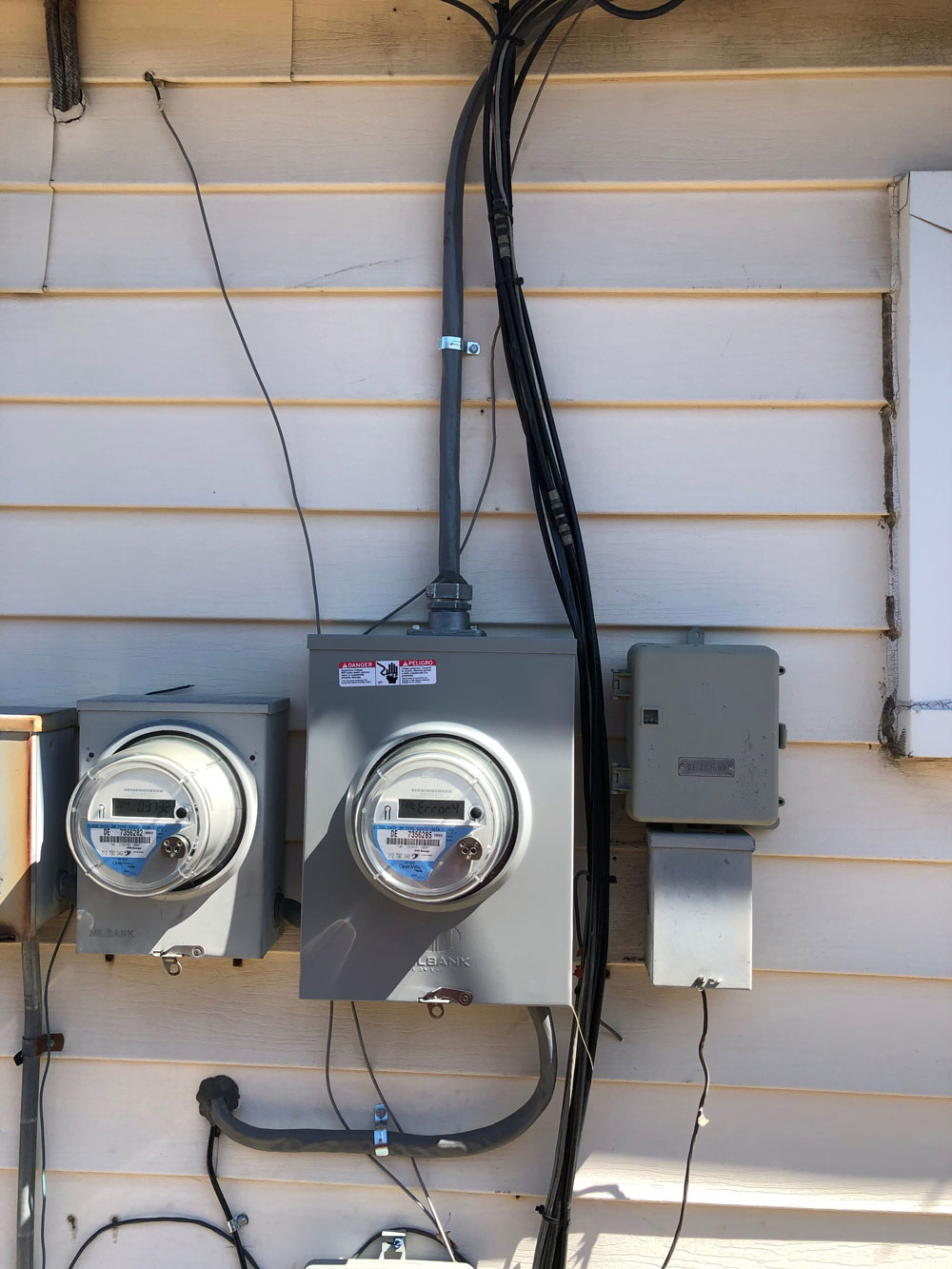
The electrical panel is a central part of residential charger planning. A new charger adds an electrical load, so the existing service and the home’s other major electrical demands should be considered before choosing circuit size or charging output. If capacity is constrained, the appropriate solution depends on the specific property and should be determined through a qualified evaluation rather than guesswork.
Working with a Professional EV charger installer gives property owners a structured way to address circuit sizing, equipment placement, and installation constraints before the charger is put into service. A professional assessment can help distinguish between a simple installation and a project that requires additional electrical work or coordination. This is especially valuable when an older panel, a long wire run, a detached garage, or multiple large household loads are part of the picture.
Choose equipment around useful features, not just charging speed
Charging output matters, but it is only one part of the decision. Homeowners may compare hardwired and plug-in equipment, cable length, connector compatibility, outdoor ratings, access controls, and whether the unit will remain suitable if the household changes vehicles. The charger should fit both the available electrical capacity and the way the household actually parks and drives.
A Smart EV charger installation may appeal to owners who want app-based monitoring, scheduled charging, usage visibility, or other connected features offered by compatible equipment. These functions can be convenient, but they do not eliminate the need for correctly planned electrical infrastructure. Before selecting a smart unit, confirm that its features, network expectations, and operating controls make sense for the household rather than choosing connectivity for its own sake.
- Vehicle connector type and the possibility of future vehicle changes
- Charging speed that aligns with overnight parking and daily mileage
- Indoor or outdoor placement and exposure to weather
- Cable reach, storage, and clearance around doors or walkways
- Panel capacity, dedicated circuit requirements, and potential future loads
- Applicable permits, inspections, and manufacturer installation instructions
Why the installation details matter for Harrison Township households
For a Harrison Township, Michigan property, an at-home charger should be evaluated as a permanent electrical addition rather than an appliance that can simply be plugged in anywhere. The right location can reduce repeated cable handling, support normal parking habits, and keep charging accessible in different weather conditions. A careful plan also gives owners a clearer understanding of what their property can support before purchasing equipment.
Executive Electric can be a relevant contact for homeowners seeking EV charger setup guidance because the company provides a direct point of contact at 20504 Hall Rd, Clinton Township, MI 48038. Reaching out with property details allows the conversation to focus on the actual installation conditions instead of broad assumptions. Customers can describe whether the charger is for a garage, an exterior wall, a detached building, or a future vehicle purchase.
Cost is another reason to plan carefully, because the installed price can vary based on the charger selected and the electrical work required. A short, accessible run from a panel may differ significantly from an installation involving a long route, service changes, structural access challenges, or outdoor infrastructure. Asking for clarity about the anticipated scope helps a property owner compare options based on what is included, not only on the equipment price.
Questions worth resolving before scheduling work
Good decisions come from specific property information. Have the vehicle model, parking location, and desired charging speed available when speaking with an electrical provider. It is also helpful to identify major electric loads in the home, such as electric heating equipment, cooking appliances, laundry equipment, or future additions that may affect capacity planning.
For Michigan drivers, home charging can support a simpler departure routine, but the equipment should be selected with long-term use in mind. Consider whether another EV may be added, whether the parking configuration could change, and whether a connected charger feature has real value for the household. Taking this broader view can help avoid selecting a setup that is inconvenient or undersized for future needs.
Get a site-specific EV charging plan
Executive Electric offers a straightforward contact option for people exploring EV Charger Installation in Harrison Township, MI. Share the vehicle type, charger preference if known, panel location, and where the vehicle normally parks so the installation conversation can begin with useful details. A site-specific discussion is the sensible next step when you want to move from general research to an electrical plan suited to your property.
Ready to discuss home charging? Contact Executive Electric to ask about your EV charging project. Executive Electric is located at 20504 Hall Rd, Clinton Township, MI 48038, and can discuss the details that matter for your Harrison Township, Michigan installation.
Common EV charger installation questions
Do I need a Level 2 charger at home?
Not every driver needs Level 2 charging. A Level 1 outlet may be adequate for limited daily driving, while a Level 2 charger is often preferred when faster overnight charging, higher daily mileage, or greater scheduling flexibility is important. The vehicle, driving routine, and electrical capacity should guide the decision.
Can an existing electrical panel support an EV charger?
It depends on the panel, service capacity, existing loads, and the charger circuit being proposed. An electrical assessment reviews whether the home can support the additional load and whether any panel or service work should be considered. Do not assume an open breaker space alone confirms adequate capacity.
What information should I provide when requesting EV Charger Installation in Harrison Township, MI?
Provide the vehicle model or planned vehicle, desired charger location, parking arrangement, photos or details of the electrical panel if requested, and any charger model already selected. This information helps define the likely scope and identify questions about circuit routing, electrical capacity, and permitting before work is scheduled.
Should I install a charger indoors or outdoors?
Either location may be workable when the equipment and installation are appropriate for the environment. Indoor garage placement can offer convenient cable storage, while exterior placement may better match a driveway parking routine. The decision should account for weather rating, cable reach, physical protection, electrical routing, and how the vehicle is parked every day.