EV Charger Installation Grosse Pointe Park, MI
Reliable home charging starts with an electrical setup that fits the vehicle, the property, and the way you drive. For residents seeking EV Charger Installation in Grosse Pointe Park, MI, Executive Electric can be a practical point of contact for planning a dedicated charging connection instead of relying on a standard household outlet. Executive Electric is located at 20504 Hall Rd, Clinton Township, MI 48038, and serves customers looking for a clearer path to convenient at-home EV charging.
A properly planned charger connection can make daily ownership simpler: plug in after returning home, charge during the hours the vehicle is parked, and begin the next trip with usable range. The right approach is not simply selecting a charger from a shelf. It includes evaluating electrical capacity, charger output, parking location, cable routing, equipment compatibility, and the applicable permitting and inspection requirements.
Why a dedicated home charger changes the EV ownership experience
A dedicated charging circuit gives an electric vehicle a dependable place to recharge without treating a general-purpose outlet as a long-term charging solution. Many drivers choose Level 2 charging because it typically provides substantially more charging capability than a standard 120-volt outlet, although actual results depend on the vehicle, charger settings, and electrical installation. The benefit is less time spent planning around charging and more confidence that the vehicle can recover range while parked at home.
- More convenient daily charging: Charge where the vehicle is normally parked rather than making extra stops.
- Equipment matched to the property: Select charger output and circuit capacity based on the home’s electrical system and driving needs.
- A cleaner, safer setup: A dedicated circuit, appropriate wiring method, and secure equipment location help avoid improvised extension-cord solutions.
- Better readiness for future needs: Planning can account for a second EV, a future panel upgrade, or a different charging unit.
Apartment residents, condominium owners, homeowners with attached or detached garages, and households with more than one driver may each face different installation considerations. Parking access and property authority matter as much as the charger model in shared or multi-unit settings. A useful first step is identifying who controls the electrical space, where the vehicle parks, and whether a dedicated circuit can be routed to that location.
Level 1 and Level 2 are different ownership choices
Level 1 charging uses a standard 120-volt receptacle and can be suitable for limited daily mileage or a temporary arrangement. Level 2 charging uses 240-volt power and is often the preferred home option for drivers who want a faster, more routine charging schedule. The best choice depends on the vehicle’s onboard charging capability, the miles driven between charges, the available electrical capacity, and how long the vehicle is parked overnight.
Higher charger amperage is not automatically the right answer. A charger must be selected and installed in a way that aligns with the vehicle, circuit design, panel capacity, and local electrical requirements. A thoughtful assessment helps avoid purchasing equipment that cannot be used at its intended setting or choosing a lower-capacity arrangement that no longer fits the household after a vehicle change.
What EV Charger Installation should include before equipment is mounted
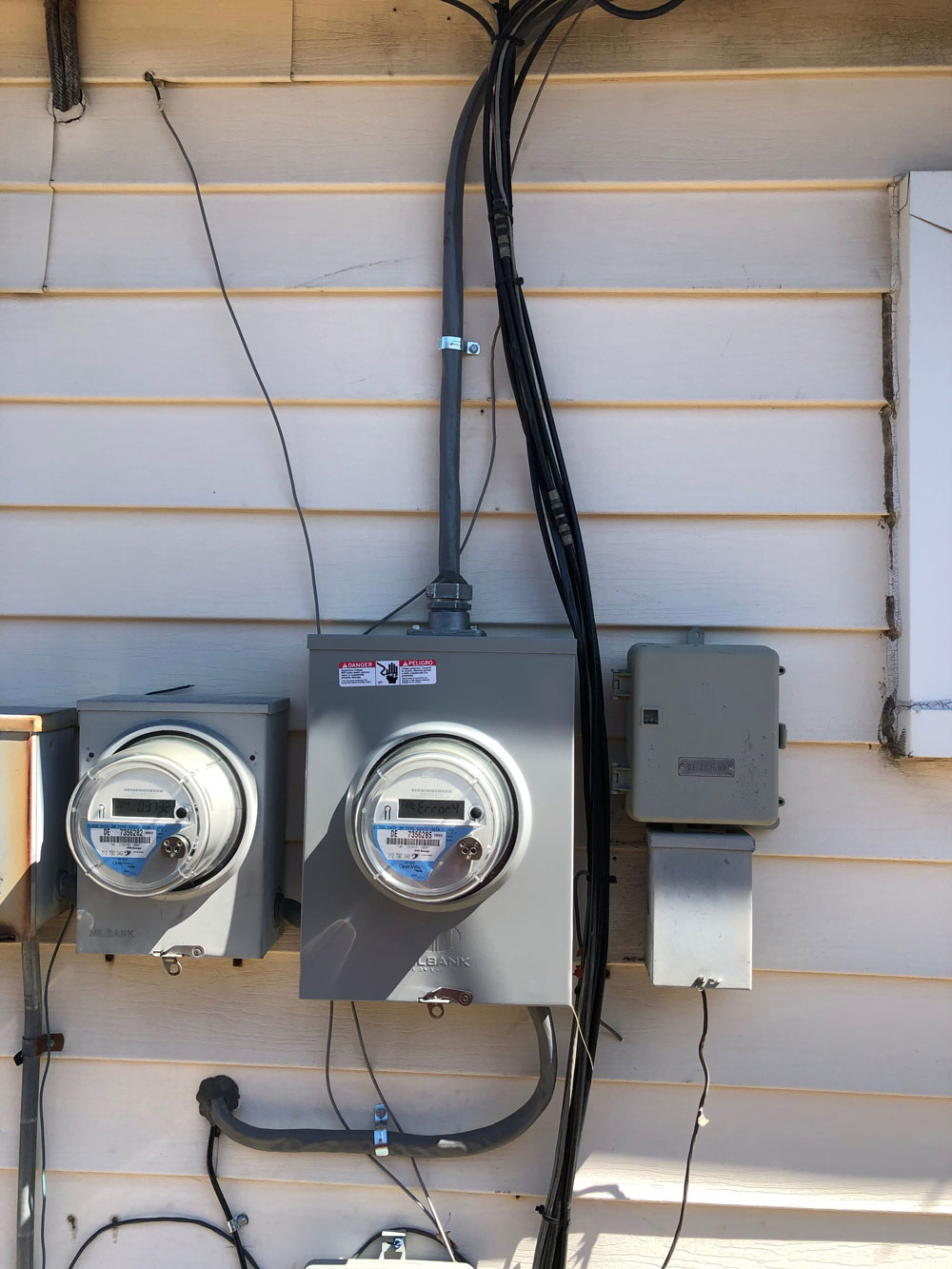
Good planning begins before a charging unit is purchased or attached to a wall. The installer needs to understand the service panel, available breaker space, electrical load, proposed circuit route, mounting surface, and whether the installation will be indoors or exposed to outdoor conditions. These details determine the practical options and help establish whether the project can proceed directly or requires changes to support the charger safely.
- Discuss the vehicle and charging goals. Consider daily miles, parking habits, desired charging window, and whether another EV may be added later.
- Review the electrical system. Panel capacity, breaker space, existing loads, and the distance to the parking area affect the installation approach.
- Select a location and equipment style. Decide between a hardwired unit or receptacle-based setup where appropriate, while considering cable reach and weather exposure.
- Plan permits and inspection requirements. Requirements can vary by jurisdiction, so the project should account for the rules that apply to the property.
- Install, test, and explain operation. After installation, the equipment and charging connection should be checked so the owner understands normal use.
Electrical capacity and load planning deserve close attention
An EV charger is a significant electrical load, particularly when it is intended for regular overnight use. A load calculation and panel review help determine whether the existing service can support the proposed charging circuit alongside heating, cooling, cooking, laundry, and other household demands. If capacity is limited, the practical solution may involve a lower charging setting, load-management equipment, panel changes, or a different charging plan.
Charging location also affects cost and complexity. A panel next to the garage may allow a simpler run than a panel located far from the driveway or detached garage. Concealed wiring, masonry surfaces, outdoor exposure, finished walls, and trenching needs can all change the scope, which is why an on-site or property-specific discussion is more useful than assuming every charger project is identical.
Installation options for Grosse Pointe Park properties
Property layout should guide the charging design. A garage installation may prioritize convenient wall placement and cable management, while a driveway or exterior installation may require equipment rated for the environment and a carefully protected wiring path. In Grosse Pointe Park, Michigan, property owners should also consider how the cable will reach the vehicle without creating an obstruction across a walking area.
Hardwired chargers and plug-in units solve different needs
A hardwired charger is permanently connected to its dedicated circuit and may offer a streamlined installation for a fixed charging location. A plug-in unit connects to a correctly installed receptacle and may be easier to replace or take to a future home, but the receptacle, circuit, and plug configuration still need to be suitable for continuous charging use. Neither choice is universally better, so the decision should reflect the equipment manufacturer’s instructions, the property plan, and the owner’s future flexibility needs.
Outdoor charging can be a strong option when the vehicle does not park in a garage, but it requires attention to listed equipment, mounting height, weather exposure, cable storage, and the route from the electrical panel. A professional design avoids treating exterior charging as an afterthought. It also helps the owner position the unit where it is reachable without leaving excess cable in a path of travel.
Related EV charging services and decisions
Electric car charger installation is most useful when it is planned around everyday driving rather than a one-size-fits-all charging rate. A household that drives modest distances may value a simple overnight setup, while a commuter or multi-EV household may need greater charging capacity or a plan for sharing the circuit. Discussing expected use before selecting equipment can prevent mismatches between the charger and the owner’s routine.
EV charging station installation can also involve more than a single wall-mounted unit. Owners may need to evaluate garage parking positions, a detached structure, an exterior pedestal-style location, or a future second charging space. Considering these layout choices early can reduce the need to redo wiring when household transportation needs change.
EV charging point installation focuses on creating a usable connection exactly where the vehicle parks. The point should be close enough for the charging cable to reach without strain, yet positioned to support orderly cable storage and normal access around the vehicle. This planning is especially valuable when parking spaces are narrow, outdoors, or shared with other household activities.
A Professional EV charger installer evaluates the electrical and physical conditions that a retail product listing cannot see. That includes circuit sizing, overcurrent protection, panel capacity, wiring route, mounting conditions, and whether permits or inspections apply. Professional involvement is particularly appropriate when the panel is full, the charger is far from the electrical service, the equipment is outdoors, or the owner is uncertain about electrical capacity.
Smart EV charger installation may appeal to owners who want app-based status updates, scheduled charging, usage visibility, or adjustable charging settings. Those features can be helpful, but the smart functions do not replace the need for a correctly designed circuit and compatible equipment. Before choosing a connected model, consider Wi-Fi reach at the parking location, desired privacy settings, and whether scheduling features actually match the household’s routine.
How to choose the right provider and prepare for a consultation
Choosing a provider should center on a clear evaluation process, not just the charger’s advertised output. Ask how the property’s panel capacity and circuit route will be assessed, whether the proposed setup matches the vehicle’s requirements, and how permit or inspection questions will be handled. A useful conversation should leave the owner with a concrete understanding of what will be installed, where it will go, and what conditions could affect the project scope.
- Have the vehicle make, model, and preferred charger type available.
- Note where the vehicle normally parks and whether that location may change.
- Identify the electrical panel location, if known, and take note of any existing electrical upgrades.
- Consider future needs, including another EV or changes to the garage or driveway.
- Ask about the installation approach for an indoor, outdoor, attached-garage, or detached-garage location.
Executive Electric provides a local business location at 20504 Hall Rd, Clinton Township, MI 48038 for customers considering EV charger work in the region. The value of beginning with a direct conversation is that charging goals, property conditions, and equipment options can be discussed together. That makes it easier to move from a general interest in EV ownership to a charging plan that makes practical sense for a Michigan home.
Common questions about home EV charging
How long does a Level 2 home charger take to charge an electric vehicle?
Level 2 charging time varies by the vehicle’s battery size, onboard charging limit, charger output, and starting battery level. It is generally much faster than a standard 120-volt outlet and is designed to add useful range while a vehicle is parked for several hours or overnight. The vehicle and charger specifications provide the most accurate estimate.
Do I need a panel upgrade for an EV charger in Grosse Pointe Park, MI?
Not every property needs a panel upgrade. The answer depends on the electrical service size, available panel space, existing household loads, desired charger amperage, and the results of an electrical load evaluation. A property-specific assessment identifies whether the current system can support a dedicated charging circuit or whether another approach is appropriate.
Can an EV charger be installed outside?
Yes, an EV charger can often be installed outdoors when the equipment and installation method are appropriate for the environment. Exterior projects require attention to weather-rated equipment, protected wiring, mounting, cable management, and the route between the electrical source and parking area. The final design should also account for applicable local requirements.
Is a smart charger worth choosing for a home in Michigan?
A smart charger can be worthwhile for owners who want charging schedules, notifications, charging history, or adjustable settings. It is not necessary for every household, and its usefulness depends on how the vehicle is driven and whether reliable connectivity reaches the parking area. Electrical compatibility and a sound installation remain the priority.
Take the next step toward simpler home charging
If you are comparing charger types, planning for a new EV, or trying to determine whether your electrical system can support a dedicated circuit, contact Executive Electric to discuss your project. Clear details about the vehicle, panel, parking arrangement, and future needs can help shape a more useful installation plan. Reach Executive Electric at 20504 Hall Rd, Clinton Township, MI 48038 through the contact page to start the conversation about EV charging for your Grosse Pointe Park, MI property.