EV Charger Installation Grosse Pointe, MI
Home charging should make owning an electric vehicle simpler, not add a daily planning task. Executive Electric provides EV Charger Installation for homeowners seeking a practical, code-conscious path to charging at home in and around Grosse Pointe, MI. The company is located at 20504 Hall Rd, Clinton Township, MI 48038, and this page is intended to help you understand the decisions involved before arranging a charging solution.
A properly planned home charging setup can reduce reliance on public stations and help ensure your vehicle is ready when you need it. The right approach depends on your vehicle, driving patterns, existing electrical system, parking arrangement, and the charger features you actually expect to use. A site-specific conversation is more useful than selecting equipment based on connector appearance or advertised charging speed alone.
Start With the Charging Setup That Fits Your Home
Most homeowners choose between basic Level 1 charging from a standard household receptacle and faster Level 2 charging supplied by a dedicated 240-volt circuit. Level 1 may work for light daily driving and long overnight parking periods, while Level 2 is often the more practical option for households that need to replenish more range between trips. An electrical evaluation helps determine which approach makes sense without assuming every home needs the same equipment.
What an on-site electrical assessment should consider
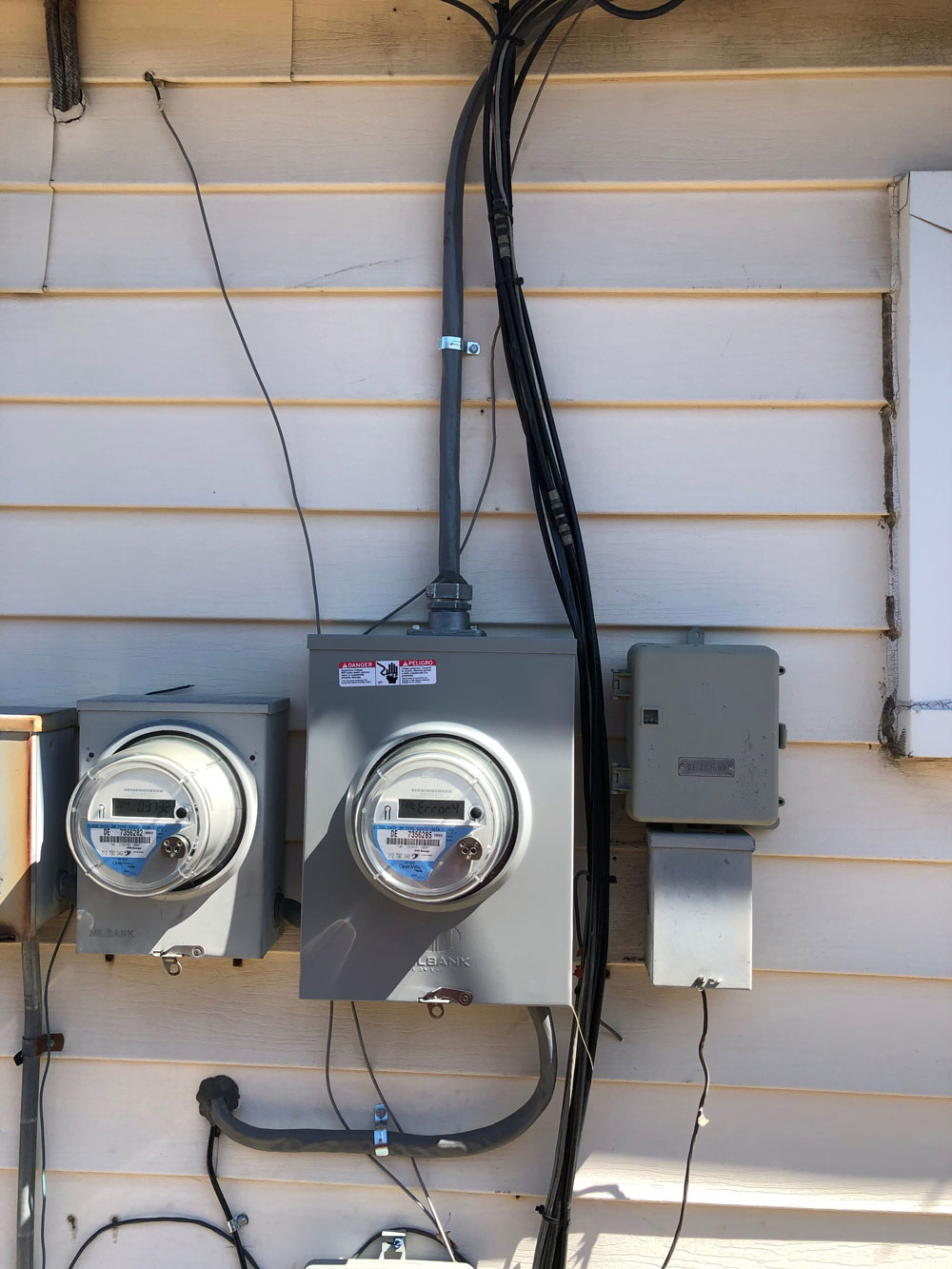
Before an EV charger is installed, the electrical system and the intended parking location should be reviewed together. The assessment typically considers panel capacity, available circuit space, service rating, wiring distance, route accessibility, charger load, and the location of the vehicle charge port. It can also identify whether a panel upgrade, load-management approach, trenching, or a different charger location should be discussed before work begins.
- Your vehicle’s maximum AC charging capability and connector type
- How many miles you typically drive between charging sessions
- Whether the charger will be wall-mounted, pedestal-mounted, indoors, or outdoors
- The distance between the electrical panel and the proposed charging location
- Potential future needs, such as a second EV or planned electrical additions
Electrical capacity is an especially important consideration. A charger is a sustained electrical load, so the installation must be planned around the home’s existing demands rather than treated like an ordinary plug-in appliance. Asking for a clear explanation of the proposed circuit, equipment location, and any limitations gives you a better basis for deciding how to proceed.
Level 1 and Level 2 charging are different decisions
Level 1 charging can be a reasonable starting point when daily mileage is modest and the vehicle remains parked for extended periods. Level 2 equipment generally requires more planning but can deliver a substantially more convenient overnight charging routine for many drivers. The best choice is not automatically the highest-rated charger; it is the setup that matches your vehicle, electrical infrastructure, schedule, and budget for current and anticipated needs.
For example, a household with one EV, consistent overnight parking, and moderate commuting needs may prioritize dependable daily replenishment. A household with two drivers, changing schedules, or a second electric vehicle planned later may benefit from considering circuit sizing and equipment placement with expansion in mind. Discussing these scenarios before installation can reduce the chance of a costly relocation or rework later.
How Executive Electric Approaches Home Charging Planning
Executive Electric can be a relevant contact when you want to move from general charger research to a defined electrical installation plan. A productive conversation starts with your vehicle, parking location, and electrical questions, then focuses on the work needed to connect the equipment safely and appropriately. For customers considering Electric car charger installation, the key value is turning a vehicle and charger choice into a home-specific power and placement plan rather than relying on a one-size-fits-all recommendation.
EV charging station installation involves more than mounting a box near a garage. The charging station, dedicated branch circuit, overcurrent protection, conductor sizing, disconnecting means when applicable, and weather exposure all need to be considered as part of the complete system. Thoughtful planning also helps keep the charging cable accessible without creating an awkward route across a walkway or driveway.
From charger location to final use
EV charging point installation begins by identifying where the vehicle will normally park and where the charging connector will reach comfortably. The ideal point balances cable reach, panel access, mounting surface, protection from damage, and the needs of other people using the garage or driveway. For an EV charging point installation, it is useful to confirm the intended parking orientation because charge-port locations vary from one EV model to another.
- Describe the vehicle, charger preference, and normal parking arrangement.
- Review the electrical panel, service capacity, available space, and feasible wiring route.
- Determine the appropriate circuit and discuss any needed electrical changes.
- Select a charger location that supports safe cable management and convenient daily use.
- Complete the installation and verify that the charging equipment operates as intended.
The precise sequence and scope can vary by property and equipment choice. Some homes have a straightforward route from panel to garage, while others require more extensive planning due to distance, finished surfaces, outdoor placement, or limited electrical capacity. A clear scope discussion before work begins helps you understand what the project includes and what conditions could affect the installation approach.
Choose Equipment and Features With Daily Use in Mind
Charging equipment should support the way you live, not add complexity you will never use. Hardwired chargers can offer a clean, dedicated setup, while plug-in units may be preferred in some situations when an appropriate receptacle is installed. Connector compatibility, cable length, weather rating, charging output, and manufacturer instructions all deserve attention before final selection.
A Smart EV charger installation may appeal to owners who want app-based scheduling, charging status visibility, usage tracking, or utility-rate-aware charging controls. These features can be useful, but they also depend on reliable connectivity, account setup, software support, and your comfort with app-managed equipment. Smart functions do not replace the need for correctly designed wiring, circuit protection, and equipment placement.
Some drivers prefer a simpler charger with straightforward plug-in behavior, especially when only one person uses the vehicle and charging occurs on a predictable schedule. Others value notifications and scheduled charging because several household members share the vehicle or electricity rates vary by time of use. Comparing the everyday experience, not just the feature list, can help you select equipment you will be comfortable using for years.
Why the installer matters as much as the charger
A Professional EV charger installer should be able to address the electrical requirements behind the charger, including circuit capacity, panel configuration, wiring path, mounting conditions, and the difference between a charger’s advertised capability and what a specific home can support. This approach helps prevent assumptions that a larger charger will automatically provide faster charging or that any nearby outlet is suitable. It also gives homeowners a chance to ask practical questions before the equipment is fixed in place.
When comparing providers, focus on the quality of the planning conversation as well as the quoted scope. Ask whether the existing electrical panel will be evaluated, what equipment or site conditions could change the scope, how the cable will be managed, and whether local permitting or inspection requirements may apply. Executive Electric is located in Clinton Township, Michigan, so customers can contact the company directly to discuss their Grosse Pointe project details and determine an appropriate next step.
Benefits of a Deliberate Home Charging Installation
A dedicated charging setup can make electric vehicle ownership more predictable. Instead of building errands around public chargers, you can establish a routine that aligns with where the vehicle is parked for the night. The specific results depend on the vehicle, charger, electrical system, and utility plan, but a well-considered installation can deliver meaningful day-to-day convenience.
- Convenient routine: Charge where the vehicle is normally parked instead of making separate public-station stops.
- Appropriate electrical design: Use a dedicated circuit planned for the charging load and property conditions.
- Better cable organization: Position equipment to reduce unnecessary cable stretch and clutter.
- Future-minded choices: Consider possible vehicle changes or household charging needs before finalizing the work.
- Clearer ownership experience: Understand what the equipment can do and how to use it consistently.
Homeowners sometimes assume a charger installation is only worthwhile with a new, high-capacity electrical panel. That is not always the case. The existing system must be evaluated, and the appropriate solution may range from a manageable dedicated circuit to a broader electrical upgrade, depending on actual conditions and load calculations.
Questions Grosse Pointe EV Owners Commonly Have
Do I need Level 2 charging at home?
Not necessarily. Level 1 charging may suit drivers with modest daily mileage and ample overnight parking time. Level 2 charging is often a better fit when you need faster overnight replenishment, drive more frequently, or want greater flexibility. An electrical review can help match charging speed to your vehicle and routine.
Can any electrician install an EV charger?
EV chargers require electrical work that accounts for continuous load, panel capacity, circuit design, equipment instructions, and the installation environment. Choosing a provider who discusses these factors helps you make an informed decision. Ask how the proposed charger, circuit, and mounting location will be evaluated for your particular home.
What should I prepare before contacting Executive Electric?
Have your vehicle model, preferred charger if selected, photos of the electrical panel and parking area, and a description of where the vehicle parks. It is also helpful to note whether the charger will be indoors or outdoors and whether you expect to add another EV. These details make the initial discussion more productive.
Is an outdoor charger installation possible in Michigan?
Outdoor charging equipment can be considered when the equipment and installation are appropriate for the environment and location. Weather exposure, mounting protection, wiring route, cable storage, and applicable requirements all matter. A property-specific review is the practical way to determine a suitable outdoor charging arrangement.
Plan Your Next Step With Executive Electric
If you are weighing charger options, unsure whether your panel can support a dedicated circuit, or ready to plan EV Charger Installation Grosse Pointe, MI, contact Executive Electric for a conversation about your property and charging goals. Explain your vehicle, parking setup, desired charger features, and any future EV plans so the discussion can focus on the details that matter.
Executive Electric is located at 20504 Hall Rd, Clinton Township, MI 48038. Contact Executive Electric to discuss a home EV charging project and take the next step toward a more convenient charging routine.